
Florida, often affectionately known as the Sunshine State, has long been a beacon for travelers seeking sun-drenched beaches, vibrant cities, and unparalleled natural beauty. From the bustling shores of Miami Beach to the serene wilderness of the Everglades and the laid-back charm of the Florida Keys, this peninsular state offers a diverse tapestry of experiences. However, a question increasingly looms over its future: Will [Florida] be underwater? This isn’t a hypothetical musing but a pressing concern driven by climate change and rising sea levels, posing significant implications for everything from travel and tourism to accommodation and lifestyle. Understanding these challenges and the innovative solutions being developed is crucial for anyone considering a visit or a life in this iconic destination.
The Rising Tides: Understanding Florida’s Vulnerability
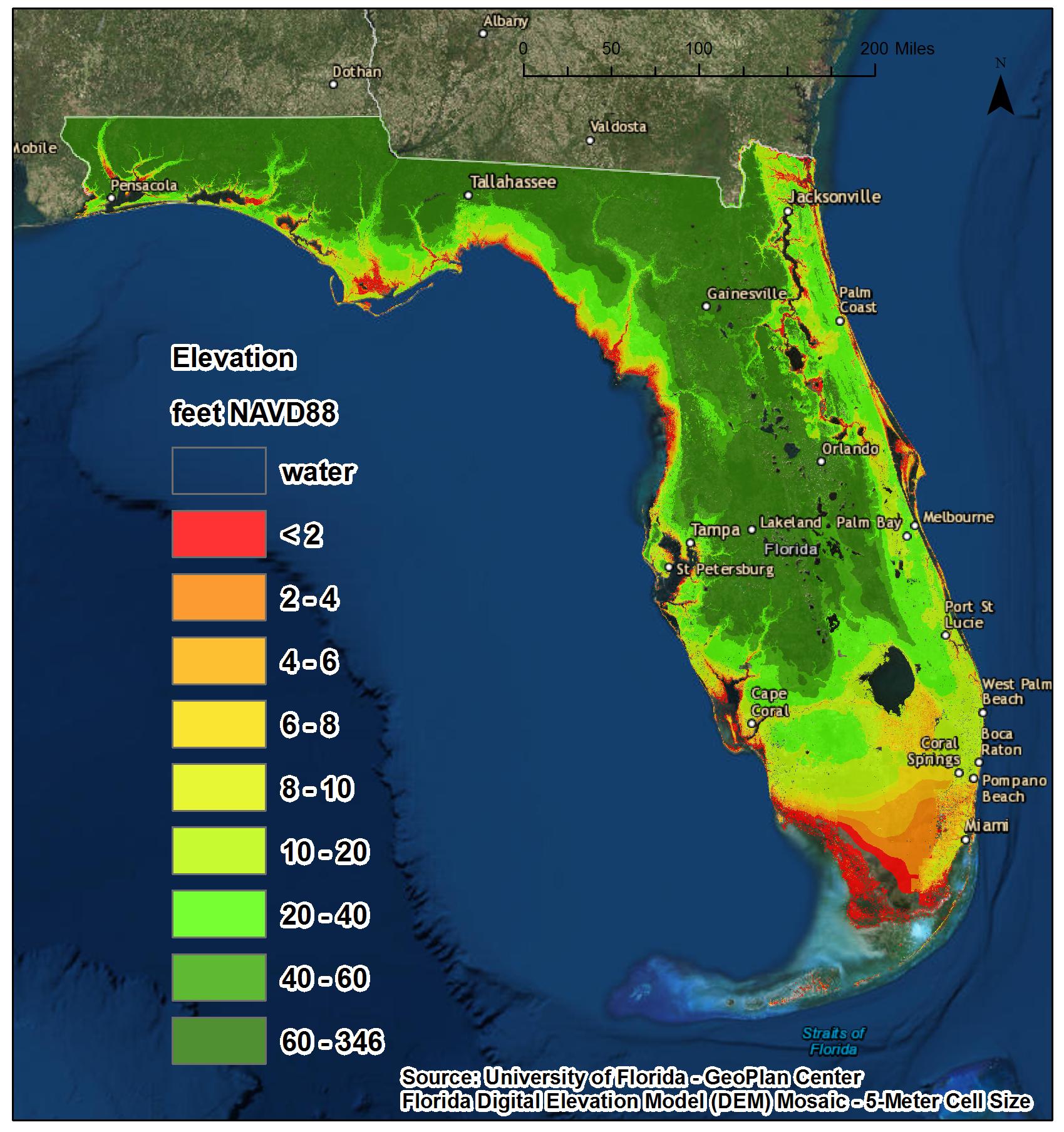
[Florida]’s unique geography, characterized by its low elevation and extensive coastline, makes it exceptionally susceptible to the impacts of sea-level rise. As global temperatures climb, ice sheets and glaciers melt, and ocean waters expand, the cumulative effect is a steady increase in sea levels, threatening to redraw the state’s very map. This isn’t a distant threat; its effects are already being observed in various forms, from more frequent sunny-day flooding to increased coastal erosion and saltwater intrusion into freshwater supplies.Scientific Projections and Global Context
Scientific bodies globally, including the National Oceanic and Atmospheric Administration (NOAA) and NASA, have provided sobering projections regarding sea-level rise. While the exact trajectory depends on future greenhouse gas emissions, even conservative estimates suggest a significant increase in sea levels over the coming decades. For [Florida], which boasts over 1,350 miles of coastline, much of it barely above sea level, these projections translate into tangible risks. Areas like Miami, Fort Lauderdale, and parts of the Florida Keys are identified as particularly vulnerable hotspots. The porous limestone bedrock beneath much of [Florida] exacerbates the problem, allowing saltwater to intrude inland, impacting aquifers and ecosystems far from the immediate shoreline. This geological feature means that traditional seawalls alone are often insufficient to prevent water from rising from below, presenting a complex challenge for coastal communities.
Florida’s Unique Geography and Extreme Susceptibility
The state’s very essence is intertwined with its waters. The [Everglades] National Park, a UNESCO World Heritage site and a vital wetland ecosystem, is profoundly threatened by saltwater intrusion, which can alter its delicate balance and impact its diverse wildlife, including the American alligator and Florida panther. Similarly, the coral reefs off the Florida Keys, a magnet for divers and marine enthusiasts, face increasing stress from warming and acidifying oceans, compounded by rising water levels that can reduce light penetration. Cities like [Miami], famous for its South Beach and vibrant Art Deco Historic District, are experiencing regular tidal flooding, affectionately (or perhaps ominously) termed “king tides.” These events, once rare, are becoming more common, disrupting daily life, affecting infrastructure, and underscoring the immediate need for adaptation. The unique blend of natural beauty and urban development in low-lying coastal areas means that the impacts are felt across every aspect of life and travel in the state.
From Coasts to Culture: Impacts on Florida’s Tourism and Lifestyle
The potential for rising sea levels to alter [Florida]’s landscape carries profound implications for its colossal tourism industry, which is the backbone of the state’s economy. Millions of visitors flock to [Florida] each year, drawn by its beaches, theme parks, and unique cultural experiences. The transformation brought by climate change could necessitate significant shifts in how people travel, where they stay, and what they experience.
The Future of Iconic Destinations and Attractions
Consider the iconic beaches that define much of [Florida]’s appeal. Destinations like [Miami Beach], [Fort Lauderdale], Tampa, Sarasota, and Palm Beach are built around their proximity to the ocean. Rising waters mean that some beaches may shrink, require extensive nourishment efforts, or even disappear. Historic landmarks, such as the colorful cottages in Key West or structures along Biscayne Bay, are increasingly vulnerable to inundation and storm surge damage.
For attractions like Disney World and Universal Studios in Orlando, located further inland, the direct threat of submergence is less immediate. However, their reliance on the state’s overall tourism infrastructure – from airports to roads – means they are not immune to the broader economic and logistical challenges posed by sea-level rise. Furthermore, changes to [Florida]’s natural environments, such as the [Everglades] or the pristine beaches of Sanibel Island and Captiva Island, could diminish the state’s draw for nature-based tourism. The vibrant marine life that sustains activities like fishing and diving, particularly in the [Florida Keys] and Dry Tortugas National Park, is also at risk, potentially altering the very character of these renowned destinations.
Economic Ripple Effects on Real Estate and Infrastructure
The economic implications extend far beyond tourism. [Florida]’s real estate market, particularly along its lucrative Gulf Coast and Atlantic Coast fronts, is directly exposed. Coastal properties, including luxury resorts, private villas, and residential apartments, face increased risks of flooding, erosion, and higher insurance premiums. This could lead to a re-evaluation of property values and investment strategies in vulnerable areas. The extensive infrastructure – roads, bridges, airports, and utilities – that supports both residents and tourists is also under immense strain. Saltwater corrosion and inundation can degrade these critical systems, necessitating costly repairs, redesigns, and relocations, all of which impact the overall cost of living and traveling in the state. Hotels and resorts, from major chains to boutique establishments, are already assessing their long-term viability in low-lying areas, with some exploring vertical expansion or relocating to higher ground, influencing future accommodation options and pricing.

Reshaping Travel Experiences and Local Culture
As [Florida] grapples with these environmental changes, the very nature of travel and local lifestyle is subtly shifting. Travelers might seek out experiences further inland or in more resilient coastal zones. Ecotourism focused on the remaining pristine natural areas, or cultural tourism in historic districts on higher ground, could see a rise in popularity. Local culture, deeply rooted in the coastal way of life, may also evolve. Communities are adapting through innovative resilience projects, influencing local events, food scenes, and artisanal crafts. The famous seafood industry, for instance, might need to adapt to changes in marine ecosystems. This adaptation, while challenging, also presents opportunities for new forms of tourism that highlight [Florida]’s resilience and unique spirit, offering visitors a chance to engage with a changing landscape in meaningful ways.

Adapting to Change: Resilience and Innovation in the Sunshine State
Despite the significant challenges, [Florida] is not passively awaiting its fate. A robust movement towards adaptation and resilience is underway, driven by local governments, scientific institutions, and community initiatives. These efforts aim not only to protect existing assets but also to innovate for a sustainable future, preserving the state’s allure for generations to come.
Pioneering Mitigation and Adaptation Strategies
Cities across [Florida] are implementing groundbreaking strategies to combat sea-level rise. [Miami Beach], a front-runner in urban adaptation, has invested hundreds of millions in raising roads, installing powerful pump stations, and improving stormwater drainage systems to mitigate tidal flooding. Other initiatives include restoring natural barriers like mangrove forests and oyster reefs, which act as natural speed bumps against storm surges and erosion. These “living shorelines” provide ecological benefits while also offering coastal protection, a testament to integrating nature-based solutions.
Building codes are being updated to account for higher flood risks, influencing the design and construction of new hotels, resorts, and residential buildings. This means future accommodations may be built on stilts, incorporate flood-resistant materials, or be located strategically in less vulnerable areas. Research institutions are actively studying coastal dynamics, developing resilient urban planning models, and advising policymakers on effective long-term solutions. These measures are not just about survival; they are about transforming [Florida] into a global leader in climate resilience, demonstrating how development and environmental stewardship can coexist.
The Role of Sustainable Tourism and Responsible Travel
As [Florida] adapts, the tourism industry itself is evolving to embrace more sustainable practices. Many hotels and resorts are investing in green technologies, reducing their carbon footprint, and participating in conservation efforts. Travelers are increasingly seeking out eco-conscious accommodations and experiences that minimize environmental impact. From staying in LEED-certified hotels to participating in mangrove planting programs or supporting local businesses committed to sustainability, visitors can play a vital role in [Florida]’s resilience journey.
This shift towards responsible travel also means educating visitors about the environmental challenges facing the state and encouraging respectful engagement with its natural and cultural heritage. It fosters a deeper appreciation for [Florida]’s unique ecosystems and supports the communities actively working to protect them. Resorts on the [Florida Keys], for instance, are increasingly promoting reef-safe sunscreens and responsible snorkeling practices to protect the delicate coral ecosystems. This movement is reshaping the lifestyle of both residents and visitors, fostering a collective commitment to preserving [Florida]’s beauty.
Planning Your Florida Escape: Navigating a Changing Landscape
For those dreaming of a [Florida] vacation or considering a long-term stay, the evolving landscape presents new considerations, but by no means diminishes the state’s appeal. Instead, it invites a more informed and conscious approach to travel and accommodation.
Choosing Resilient Destinations and Accommodations
When planning your trip, consider researching destinations that have actively invested in resilience. While iconic coastal cities like [Miami] and [Fort Lauderdale] are implementing solutions, exploring areas further inland, such as the vibrant cultural hub of [Orlando] with its world-class theme parks, or the historic charm of St. Petersburg which sits on relatively higher ground compared to some other coastal spots, might offer different perspectives and perceived stability.
For accommodation, look for hotels and resorts that highlight their sustainability initiatives or flood-resilient designs. Many modern hotels are being built with climate change in mind, incorporating elevated lobbies, robust stormwater management systems, and energy-efficient practices. Reviews and booking platforms can often provide insights into a property’s commitment to environmental stewardship and its location’s vulnerability. Long-term stays might prompt a deeper dive into community planning and local resilience efforts, especially if considering properties in low-lying coastal areas like the Venetian Islands or parts of the [Florida Keys].
Embracing Ecotourism and Educational Experiences
[Florida]’s natural beauty remains unparalleled, and choosing ecotourism experiences is a wonderful way to support its conservation. Explore the vastness of the [Everglades] with a knowledgeable guide, learn about marine conservation in the [Florida Keys], or volunteer with a local environmental organization. These experiences not only offer unique insights into the state’s ecosystems but also contribute directly to their preservation. Many local tours and attractions are now emphasizing educational components about [Florida]’s environment and the challenges it faces, offering a deeper, more meaningful travel experience.From luxury travel to budget-friendly family trips, [Florida] continues to offer a wealth of opportunities. The key lies in approaching your visit with awareness and an open mind, ready to engage with a state that is actively shaping its future in the face of environmental change. While the question “Will [Florida] be underwater?” serves as a powerful reminder of the challenges, the ongoing efforts in resilience and adaptation ensure that the [Sunshine State] will continue to shine, albeit perhaps a little differently, for many years to come, offering captivating experiences for every kind of traveler.
LifeOutOfTheBox is a participant in the Amazon Services LLC Associates Program, an affiliate advertising program designed to provide a means for sites to earn advertising fees by advertising and linking to Amazon.com. Amazon, the Amazon logo, AmazonSupply, and the AmazonSupply logo are trademarks of Amazon.com, Inc. or its affiliates. As an Amazon Associate we earn affiliate commissions from qualifying purchases.