
The concept of Greater Idaho – a movement advocating for a significant portion of Eastern Oregon to secede and join the state of Idaho – has been a topic of fervent discussion, capturing headlines and igniting imaginations across the Pacific Northwest. While primarily a political proposition driven by cultural and ideological differences between the more conservative rural areas of Oregon and its liberal urban centers, the potential redrawing of state lines holds profound implications for travel, tourism, and lifestyle within the affected regions. For adventurers, history buffs, foodies, and those seeking unique accommodations, the question isn’t just “Will Greater Idaho happen?” but “What would it mean for our next journey?”

From stunning natural landmarks to burgeoning local cultures, the areas in question are already rich tapestries for exploration. Should this geopolitical shift occur, it would undoubtedly reshape the travel narrative, creating new destination appeal, influencing tourism strategies, and potentially even altering the very identity of the places we visit. This speculative journey delves into how such a transformation could impact everything from booking your next Idahoan ski trip to discovering hidden culinary gems now united under a single banner. We’ll explore the potential geographic shifts, the cultural blend, economic impacts on hospitality, and how travelers might navigate this evolving landscape, all while envisioning the myriad new experiences that could emerge from a reconfigured Pacific Northwest.
A New Landscape for Travelers: Exploring the Proposed Greater Idaho Region
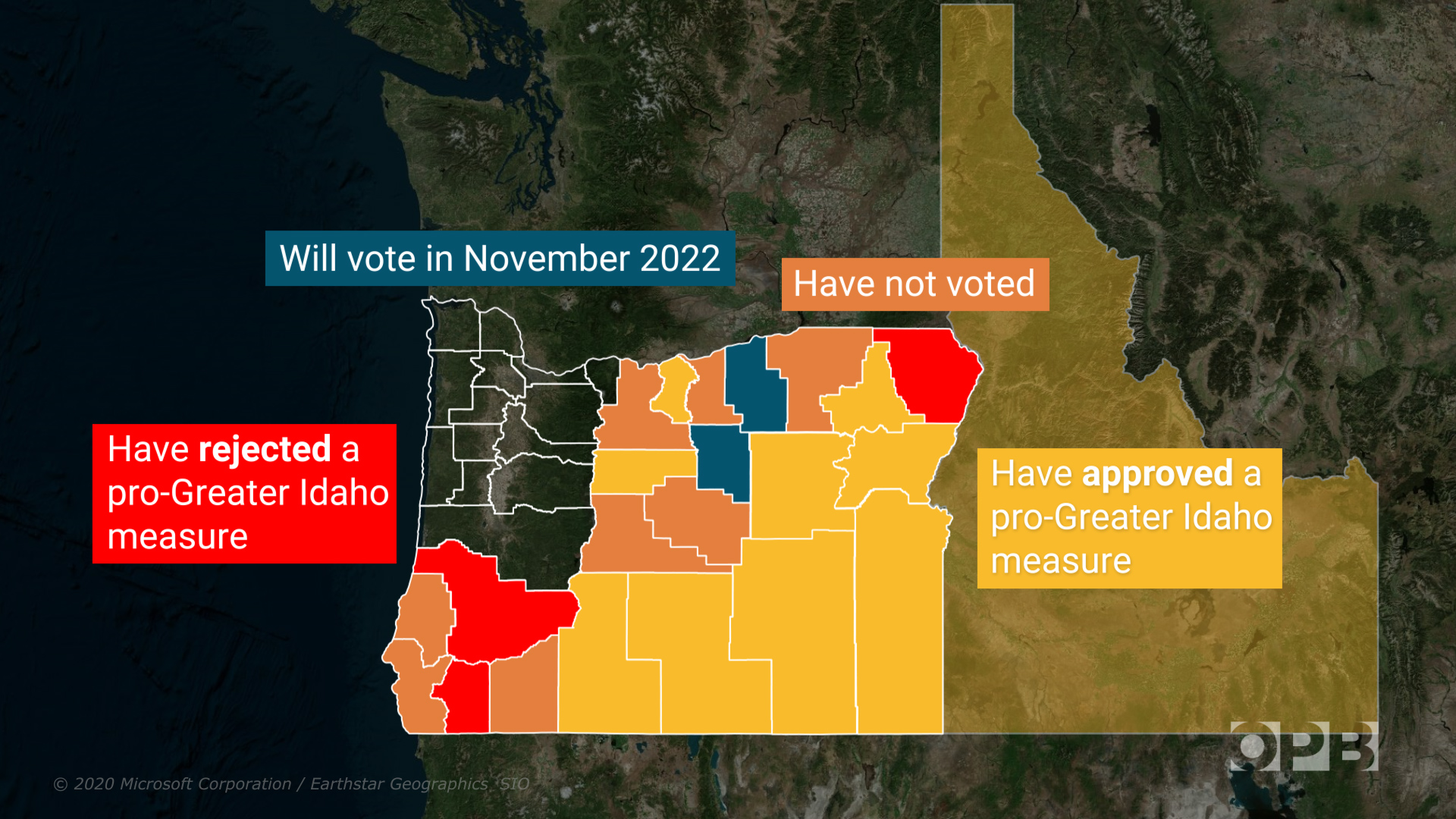
The notion of Greater Idaho proposes a dramatic re-segmentation of the Pacific Northwest map, where a significant portion of Oregon would become part of Idaho. This isn’t merely a political boundary adjustment; it’s a potential catalyst for rethinking travel itineraries, marketing strategies for tourism boards, and the very perception of popular destinations. For the discerning traveler, understanding this proposed shift offers a unique lens through which to view future adventures in a potentially transformed region.
The Geographic Shift and its Implications
Currently, Eastern Oregon is celebrated for its rugged beauty, vast wilderness, and distinct Western heritage. From the towering peaks of the Wallowa Mountains to the deep canyons carved by the Snake River in Hells Canyon, this region offers a stark contrast to Oregon’s lush, rainy western side. If these counties were to join Idaho, travelers might find themselves navigating an entirely new geographical and cultural entity. For instance, the historic Oregon Trail route that winds through cities like Baker City and Pendleton would suddenly be situated within Idaho territory, potentially leading to new interpretive signage, collaborative historical societies, and a rebranding of these significant American landmarks.
This shift would also consolidate vast swathes of high desert, agricultural lands, and remote mountain ranges under a single state identity, creating a contiguous region with shared environmental characteristics and recreational opportunities. It could simplify travel planning for those seeking an immersive high-desert experience, allowing them to traverse what was once two states with a unified approach to conservation, outdoor activities, and local guides. Conversely, it might introduce complexities for destinations like Wallowa Lake near Joseph, which would suddenly find itself on the westernmost edge of a much larger Idaho, potentially drawing different types of visitors or facing new administrative frameworks. The impact on travel guides, maps, and even GPS systems would be immediate and tangible, requiring updates that reflect this new geopolitical reality.
Existing Gems and Emerging Opportunities
Eastern Oregon is replete with “hidden gems” that are currently off the beaten path for many travelers focused on Oregon’s coastline or wine country. The John Day Fossil Beds National Monument offers a mesmerizing journey through millions of years of geological history, while the Owyhee Canyonlands present a rugged, untamed wilderness perfect for intrepid explorers. If these areas become part of Greater Idaho, they might experience a surge in visibility, particularly if Idaho’s tourism campaigns—often highlighting its rugged outdoors and adventure lifestyle—incorporate these new assets.
This consolidation could lead to new tourism corridors connecting existing Idahoan attractions like Boise‘s urban amenities or Sun Valley’s luxury resorts with the newly acquired Oregonian territories. Imagine a seamless road trip from the Boise River Greenbelt to the painted hills of John Day, all within the same state. This could also spur development in areas like La Grande or Baker City, leading to new boutique hotels, upgraded accommodations for budget travelers, and a renewed focus on local tourism initiatives. The unique cultural aspects of the region, from Native American heritage sites to cowboy traditions, could find a broader platform and unified marketing efforts under a Greater Idaho umbrella, potentially enhancing the visitor experience through richer storytelling and more comprehensive guide services.
Tourism and Local Culture: Adapting to a Unified Identity
The proposed formation of Greater Idaho isn’t just a political or geographic shift; it represents a profound cultural realignment with significant implications for local identity, community life, and, by extension, the tourism industry. As these historically distinct regions contemplate a shared future, how will their unique cultural expressions evolve, and what new experiences will emerge for travelers eager to delve into the authentic heartbeat of the Pacific Northwest?
Blending Cultures: The Idahoan and Oregonian Way of Life
Idaho and Eastern Oregon, despite their shared frontier spirit and conservative leanings, possess distinct cultural nuances. Idaho is often associated with its potato industry, burgeoning tech scene in Boise, and a strong outdoor recreation ethos centered around its mountainous terrain. Eastern Oregon, meanwhile, carries a legacy of ranching, the Oregon Trail, and a fierce independence rooted in its vast, open spaces. Should Greater Idaho come to fruition, there’s potential for a fascinating cultural fusion.
Travelers might witness the emergence of a unique “Greater Idahoan” identity, celebrated through new regional festivals, culinary innovations, and artistic expressions that blend the traditions of both areas. Imagine local food scenes combining Idaho’s huckleberry delights with Eastern Oregon’s hearty cowboy cuisine, or shared historical narratives that bridge the pioneer spirit of both lands. This cultural blending could be a significant draw for tourists seeking an authentic experience that transcends traditional state boundaries, offering a deeper insight into the evolving American West. Local artisans, musicians, and storytellers could find new platforms to share their heritage, potentially creating vibrant cultural hubs in towns like Baker City or La Grande that celebrate this newfound unity while preserving individual community flavors.
Economic Impact on Hospitality and Accommodation
The hospitality and accommodation sectors in Eastern Oregon could experience substantial shifts. Currently, many businesses cater to an Oregonian market, with tourism promotion often linked to Oregon’s overall branding. Joining Idaho could expose these businesses to a different demographic of visitors, potentially attracting more adventure tourists drawn to Idaho’s reputation for outdoor pursuits like skiing, whitewater rafting, and hiking.

This shift could stimulate new investments in hotels, resorts, and unique lodging options across the region. Existing hotels might undergo renovations to align with Idaho’s tourism standards or marketing, while new developments could cater to specific niches, from luxury lodges near the Wallowa Mountains to budget-friendly motels along newly promoted scenic byways. Furthermore, the consolidation of tourism boards and promotional efforts could lead to more cohesive regional marketing campaigns, potentially increasing visitor numbers and extending seasonal travel. Think of integrated travel packages that include a stay at a historic Baker City hotel, followed by a ranch stay in the Owyhee Canyonlands, capped off with a visit to Boise’s vibrant downtown, all under a single “Explore Greater Idaho” banner. This economic boost could not only enhance the visitor experience but also create job opportunities and foster local economic growth in communities that have often felt overlooked.
Navigating the Future: Practical Considerations for Visitors
The prospect of Greater Idaho presents a fascinating thought experiment for the seasoned traveler. Beyond the political drama, how would such a shift practically impact your next trip to the Pacific Northwest? From planning routes to understanding local landmarks, a new state configuration would necessitate adjustments and offer new perspectives.
Planning Your Trip
For those accustomed to navigating Oregon and Idaho as distinct entities, the proposed merger would require a re-evaluation of travel planning. Road trips through the region would take on a new dimension, as what was once a cross-state journey could become an intra-state adventure. Travelers would need to consult updated maps, perhaps even new editions of popular travel guides, to correctly identify state lines, services, and attractions. Information regarding local regulations, such as those pertaining to camping, fishing, or hunting licenses, could become standardized under Idahoan law, simplifying compliance for visitors but also requiring prior research.
Online booking platforms and travel aggregators would need to adjust their geographical categorizations, potentially leading to new search filters for ” Greater Idaho destinations.” While major infrastructure like highways would remain, local roads, county designations, and emergency services might be re-aligned. Understanding these nuances would be key for a smooth journey. It’s plausible that joint tourism initiatives could emerge, offering comprehensive information hubs that streamline planning for the newly expanded state, highlighting integrated scenic routes and unique experiences that span the former state boundary.
Landmarks and Legacy
The identity of a landmark is often deeply intertwined with its geographical and political context. How would iconic sites like Hells Canyon, Wallowa Lake, or the John Day Fossil Beds National Monument be presented if they became part of Idaho? While their physical majesty would remain untouched, their historical and cultural narratives might shift. Interpretive centers and visitor information could be updated to reflect a unified Greater Idaho perspective, emphasizing shared pioneer histories, geology, and Native American heritage.
For example, the deep historical significance of the Oregon Trail in Baker City would continue, but its narrative might be woven into a broader ” Idahoan pioneer story,” perhaps drawing parallels with settlements further east in what is currently Idaho. The breathtaking Wallowa Mountains, often called “Oregon’s Switzerland,” might become a cornerstone of Idaho’s natural attractions, marketed alongside Sun Valley and the Sawtooth Mountains as prime destinations for outdoor recreation. This recontextualization could introduce these landmarks to new audiences and integrate them into a more extensive regional identity, potentially boosting their profile and ensuring their legacy is preserved, albeit with a new state affiliation.
Lifestyle and Travel Trends in the Evolving Region
The potential formation of Greater Idaho isn’t just about lines on a map; it’s about shaping future lifestyles and influencing evolving travel trends. For those who seek everything from adrenaline-pumping adventure to serene escapes, or from luxury getaways to budget-friendly explorations, the region’s new configuration could usher in a host of fresh opportunities. The website’s focus on lifestyle and diverse travel options becomes particularly relevant here, examining how a unified Greater Idaho might cater to different traveler preferences.
Adventure and Outdoor Pursuits
Both Idaho and Eastern Oregon are renowned for their rugged, untamed landscapes, making them prime destinations for outdoor enthusiasts. A unified Greater Idaho would create a massive, contiguous outdoor playground. Imagine the thrill of seamless multi-day hiking expeditions through the Wallowa Mountains and into Idaho’s Seven Devils Mountains, or extended whitewater rafting trips down the Snake River in Hells Canyon, now all managed under a single state’s recreational framework. The potential for connecting existing trail systems and wilderness areas into grander routes would be immense, offering epic adventures that are currently more logistically challenging across state lines.
Fishing in the region’s abundant rivers and lakes, from the Grande Ronde River to the Payette River, could see unified regulations and improved management, benefitting both local ecosystems and sport fishermen. Winter sports, particularly skiing, could expand their reach. While Oregon’s Mount Hood resorts are on the opposite side of the state, Eastern Oregon’s higher elevations offer promising terrain that, combined with Idaho’s established resorts like Sun Valley and Schweitzer Mountain, could make Greater Idaho a premier year-round outdoor destination. This consolidation would allow for comprehensive marketing campaigns targeting specific adventure niches, attracting a broader array of travelers seeking everything from extreme sports to tranquil nature walks.
Luxury vs. Budget Travel
The transformation into Greater Idaho could also refine how the region caters to different travel budgets and styles. For luxury travel enthusiasts, the incorporation of Eastern Oregon’s scenic beauty and remote ranches could open doors for new high-end developments. Imagine exclusive resorts nestled in the Wallowas, offering bespoke experiences like guided fly-fishing trips, gourmet farm-to-table dining, and lavish spa treatments, seamlessly integrated into Idaho’s existing luxury offerings. The potential for ranch stays to be elevated into premium dude ranch experiences, blending authentic cowboy culture with upscale amenities, is significant.
Conversely, for budget travelers and those seeking more affordable family trips, the expanded state could offer an abundance of state parks, national forests, and small-town motels and apartments. The vastness of Greater Idaho would inherently offer more opportunities for free or low-cost outdoor activities, such as camping, hiking, and exploring historic sites. New regional guides could be developed to highlight these accessible options, ensuring that the natural wonders and cultural richness of the area are available to everyone. This duality of offerings, from opulent villas to rustic campsites, would allow Greater Idaho to position itself as a versatile destination capable of satisfying a wide spectrum of lifestyle preferences and financial considerations, reinforcing its appeal as a comprehensive travel destination.
The question of whether Greater Idaho will happen remains fundamentally political and complex. However, from a travel and tourism perspective, the mere contemplation of such a shift invites us to imagine a reconfigured Pacific Northwest rich with new possibilities. Whether this hypothetical future materializes or not, the existing regions of Idaho and Eastern Oregon stand as testaments to stunning natural beauty, vibrant local cultures, and an enduring spirit of adventure that continues to captivate travelers from all walks of life. The discussions around Greater Idaho simply serve to underscore the dynamic nature of these lands and the endless potential for exploration and discovery they hold, regardless of how the lines on the map are eventually drawn.
LifeOutOfTheBox is a participant in the Amazon Services LLC Associates Program, an affiliate advertising program designed to provide a means for sites to earn advertising fees by advertising and linking to Amazon.com. Amazon, the Amazon logo, AmazonSupply, and the AmazonSupply logo are trademarks of Amazon.com, Inc. or its affiliates. As an Amazon Associate we earn affiliate commissions from qualifying purchases.