
The unsettling question, “Will Hurricane Beryl hit Texas?”, looms large for residents and prospective travelers alike. As the hurricane season progresses, the potential paths of tropical cyclones become a critical focus for anyone planning a visit or residing along the Gulf Coast. For a state as vast and diverse as Texas, a significant storm can have cascading effects, impacting everything from major metropolitan areas like Houston and Corpus Christi to the serene coastal communities and inland attractions. Our comprehensive guide delves into the current situation, the potential repercussions for travel and tourism, and how individuals can prepare for such an eventuality, ensuring safety and minimizing disruption to their plans. Whether you’re considering a vacation, a business trip, or simply keeping an eye on the forecasts, understanding the dynamics of a hurricane threat is paramount.
Tracking the Storm: Forecasts and Potential Pathways
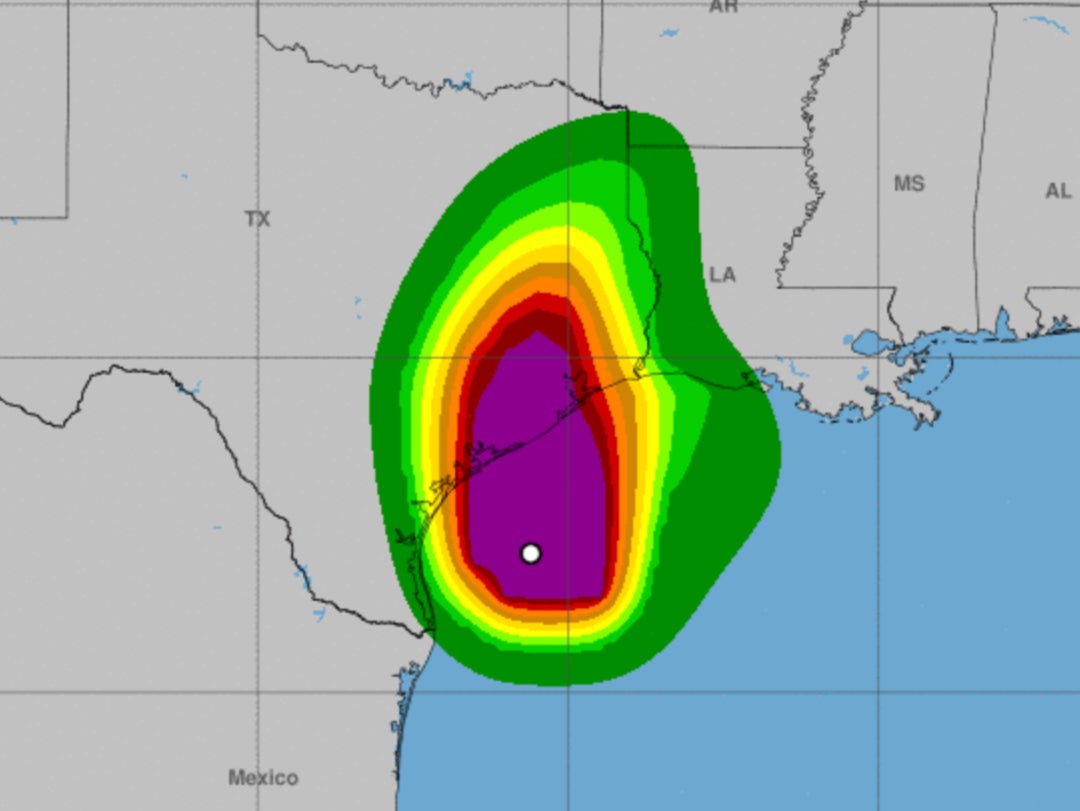
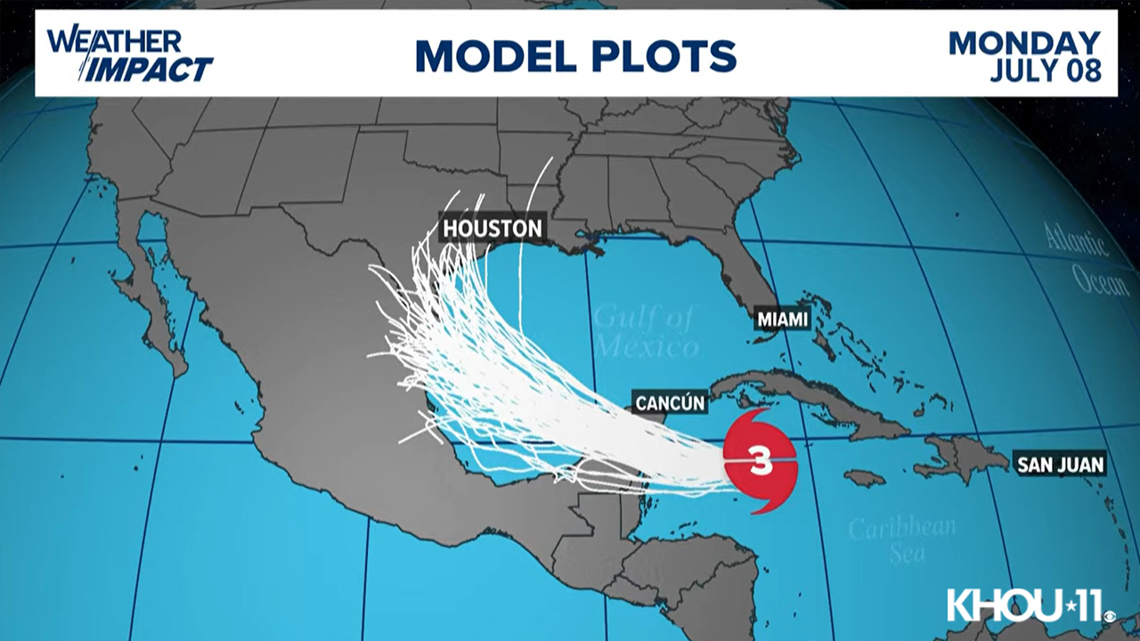
Monitoring tropical weather systems requires diligent attention to official advisories. Organizations like the National Hurricane Center (NHC) and the National Oceanic and Atmospheric Administration (NOAA) are the authoritative sources for tracking Hurricane Beryl’s trajectory, intensity, and potential impact zones. Early projections for any storm are inherently uncertain, with models often shifting as the system interacts with atmospheric conditions. However, these initial forecasts provide a crucial window for preparation and decision-making.
Understanding Hurricane Categories and Risks
Hurricanes are classified into five categories based on the Saffir-Simpson Hurricane Wind Scale, ranging from Category 1 (minimum sustained winds of 74-95 mph) to Category 5 (sustained winds of 157 mph or higher). Each category presents escalating risks, not only from wind damage but also from storm surge, torrential rainfall leading to flooding, and potential tornadoes. For coastal Texas, storm surge is often the most dangerous aspect, pushing vast amounts of ocean water inland. Communities such as Galveston, Port Aransas, and South Padre Island are particularly vulnerable to these surges, which can inundate low-lying areas, rendering roads impassable and threatening infrastructure. Even inland cities like Houston face severe risks from heavy rainfall, as demonstrated by past events like Hurricane Harvey, which caused catastrophic flooding hundreds of miles from the coast. Travelers must understand that even a weaker storm can bring significant hazards, especially related to flooding, which can disrupt travel plans and damage properties far from the immediate landfall point.
Geographic Vulnerabilities and Preparedness in Texas
The Texas coastline stretches for hundreds of miles along the Gulf of Mexico, encompassing diverse ecosystems and population centers. From the bustling port of Houston to the resort destination of South Padre Island, each region has its unique vulnerabilities and preparedness protocols. Coastal cities typically have well-established evacuation routes and emergency management plans, often involving mandatory or voluntary evacuations. Inland cities, while less exposed to direct storm surge, must prepare for heavy rainfall and the influx of evacuees. For travelers, this means understanding the specific risks of their chosen destination within Texas and familiarizing themselves with local emergency procedures. Many counties offer public alerts and information systems that can be invaluable for staying informed. The state also maintains a comprehensive emergency management website, offering resources for residents and visitors alike on how to prepare and where to seek shelter if needed.

Potential Impact on Texas Travel and Tourism
A credible threat from a storm like Hurricane Beryl can send ripples through the entire Texas travel and tourism industry. From flights and road trips to hotel bookings and scheduled attractions, every aspect of a planned itinerary can be affected. Understanding these potential disruptions is crucial for making informed decisions.
Disruptions to Travel Routes and Air Travel
Should Hurricane Beryl pose a direct threat to the Texas coast, immediate impacts on transportation are inevitable. Major airports such as George Bush Intercontinental Airport (IAH) in Houston and William P. Hobby Airport (HOU) are likely to experience significant delays, cancellations, or even temporary closures. Airlines prioritize passenger safety and will often issue waivers allowing travelers to rebook without penalty. It is vital for anyone flying into or out of Texas during a storm threat to monitor their airline’s website and contact information actively.
Road travel will also be heavily impacted. Primary evacuation routes, often major highways like I-45 leading from Houston inland towards Dallas, can become severely congested hours before a storm’s expected arrival. Coastal roads may be closed due to storm surge, flooding, or debris. Travelers heading to or from affected areas should always check real-time traffic updates through resources like Drive Texas or local news channels, and heed all official evacuation orders. Attempting to drive through flooded roads is extremely dangerous and often deadly.
Effects on Tourist Attractions and Local Culture
Texas boasts a wealth of attractions and a vibrant local culture that draws millions of visitors annually. In the event of a hurricane threat or landfall, many of these will temporarily cease operations. Coastal attractions like Moody Gardens and the historic Strand District in Galveston, or the USS Lexington Museum in Corpus Christi, would be among the first to close. Even inland landmarks such as the Alamo in San Antonio or the NASA Johnson Space Center in Houston could be affected by precautionary closures or staffing issues, especially if local emergency orders are in effect.
Beyond specific sites, the broader tourism ecosystem, including local restaurants, shops, and activity providers, will experience significant disruptions. Festivals, concerts, and other cultural events planned for the affected period would likely be canceled or postponed. For those interested in local culture and food experiences, a hurricane threat means anticipating widespread closures and potential supply chain issues. It’s advisable for travelers to contact specific venues or check their official websites for the latest operational updates.
Travel Insurance and Cancellation Policies
In the face of a looming hurricane, travel insurance becomes an invaluable tool. Policies often cover cancellations, delays, and emergency evacuations due to named storms. However, it’s critical to note that most policies have a “cut-off” point; insurance typically won’t cover a storm if it has already been named and is a foreseeable event when the policy is purchased. Therefore, securing travel insurance well in advance of hurricane season or before a storm becomes a recognized threat is paramount.
Travelers should also thoroughly review the cancellation and refund policies of their hotels, airlines, and tour operators. Many companies offer more flexible policies during natural disasters, but it’s not a universal guarantee. Directly contacting booking providers or your specific hotel can clarify options for rebooking or refunds. Some hotel groups may even offer discounted rates for evacuees in non-affected areas, underscoring the importance of checking with specific brands like Hilton or Marriott.
Navigating Accommodation During a Storm Threat
Finding suitable accommodation is one of the primary concerns for travelers when a hurricane threatens. Whether you’re planning a trip or are already in the region, understanding how to manage your bookings and find safe lodging is crucial.
Hotel Bookings and Evacuation Plans
If a hurricane threat leads to mandatory evacuations, coastal hotels, resorts, and rental properties will be required to close. This can lead to mass cancellations and a scramble for available rooms further inland. Travelers with existing bookings in evacuation zones should not wait for official orders; it’s prudent to proactively contact their hotel or accommodation provider to inquire about their storm policies, potential refunds, or options for rebooking. Many larger hotel chains have centralized emergency response teams that can assist.
For those needing to evacuate, planning is key. Consider searching for hotels, motels, or apartments in cities outside the projected impact zone, such as San Antonio, Dallas, or even neighboring states, depending on the storm’s path. Be prepared for increased demand and higher prices, as well as limited availability, especially for pet-friendly options. Booking platforms can be useful, but direct calls to properties are often more effective during emergencies to confirm real-time availability and specific storm policies. Long-term villas or apartments booked through services like Airbnb also have specific cancellation rules during declared emergencies, which travelers should review.
Alternative Accommodations and Emergency Shelters
In situations where traditional hotel rooms are scarce or unaffordable, alternative accommodations might include staying with friends or family, or utilizing designated public shelters. State and local emergency management agencies will announce the opening of public shelters, which provide basic lodging, food, and water. While not offering the amenities of a resort, these shelters are crucial for ensuring safety during a severe weather event. For travelers, it’s important to understand the limitations and requirements of public shelters, such as bringing personal identification, essential medications, and limited personal belongings.
For those with special needs or pets, it’s essential to research ahead of time. Not all shelters can accommodate pets, and some may have specific requirements. Planning for a worst-case scenario means having a backup plan for accommodation that extends beyond typical hotel bookings and considering all available options, including potential long-term stays if a major hurricane causes extensive damage and prolonged displacement. The goal is always to prioritize safety and ensure access to secure shelter before the storm arrives.
Preparing for Hurricane Season: A Traveler’s Guide
For anyone considering Texas as a destination during hurricane season (typically June 1 to November 30), preparedness is not just a local concern; it’s a traveler’s responsibility. Proactive measures can mitigate stress, ensure safety, and help navigate potential disruptions.
Essential Emergency Kit for Travelers
Even on a vacation, having a compact emergency kit can be a lifesaver. This should include:
- Important Documents: Copies of identification, passports, travel itineraries, insurance policies, and hotel reservations. Store them in a waterproof bag.
- Medications: A sufficient supply of any prescription medications, along with a list of dosages and prescribing doctors.
- First-Aid Supplies: Basic items like bandages, antiseptic wipes, pain relievers, and any personal medical necessities.
- Communication Devices: Fully charged power bank for your phone, a weather radio (crank or battery-operated), and spare batteries.
- Cash: ATMs may be unavailable during power outages.
- Water and Non-Perishable Snacks: Enough for at least 72 hours, especially if you’re in an area that could lose power or become isolated.
- Personal Hygiene Items: Wet wipes, hand sanitizer, and other essentials.
- Comfort Items: A small blanket, book, or other items to pass the time if sheltering in place.
For those traveling with children or pets, remember to pack their specific needs, including food, medications, and comfort items. This approach ensures that, even if you are away from your primary residence, you have the essentials to weather unexpected challenges.
Staying Informed and Making Decisions
The most critical aspect of hurricane preparedness is staying informed. Utilize official sources for weather updates, such as the NHC website, local NOAA Weather Radio, and reputable local news outlets. Avoid relying solely on social media for critical information, as misinformation can spread rapidly during emergencies.
Pay close attention to watches and warnings:
- Hurricane Watch: Means hurricane conditions are possible within the specified area, usually within 48 hours. This is the time to finalize your preparations and consider evacuation if advised.
- Hurricane Warning: Means hurricane conditions are expected within the specified area, usually within 36 hours. This is when emergency preparations should be completed, and any mandatory evacuations should be underway.
When official evacuation orders are issued, always heed them immediately. Do not attempt to “ride out” a storm in an area under mandatory evacuation. Having a pre-determined evacuation plan, including routes and an ultimate destination, can significantly reduce stress and improve safety. This planning forms a vital part of responsible lifestyle management for any traveler during hurricane season.
Post-Storm Recovery and Future Travel Considerations
Even after a storm has passed, its effects can linger for weeks or months. For Texas, this period involves significant recovery efforts that can influence future travel decisions and tourist experiences. Understanding the recovery phase is essential for responsible tourism and planning.
Supporting Local Tourism During Recovery
Following a hurricane, communities often face immense challenges in rebuilding infrastructure and restoring normal services. During this period, responsible tourism can play a vital role in recovery. Once an area is declared safe and open for visitors, returning can provide much-needed economic support to local businesses, hotels, restaurants, and attractions. However, it’s crucial to ensure that your visit does not impede recovery efforts or strain local resources. Always verify that a destination is officially open for tourism before traveling.
Consider staying in locally owned hotels, dining at local eateries, and purchasing goods from local vendors. This direct injection of capital helps rebuild the local economy and supports the resilience of the community. Before traveling, research which charities are effectively aiding the affected areas and consider making a donation. This dual approach of conscious visitation and charitable giving can significantly contribute to the long-term health of a storm-affected destination.
Reassessing Travel Plans and Long-Term Stays
In the aftermath of a significant hurricane, some areas of Texas might experience prolonged disruptions. Infrastructure damage, power outages, and temporary closures of landmarks and businesses can affect the quality of a travel experience. It’s advisable to reassess any planned trips in the immediate aftermath, prioritizing safety and ensuring that your visit is both enjoyable and sustainable. For those considering long-term stays, such as individuals involved in recovery efforts or seeking temporary relocation, research into the availability of extended-stay apartments or villas will be critical. Such accommodations may be in high demand, requiring early booking and flexibility.
Even when coastal areas are clear, the interior regions of Texas may still be dealing with the indirect effects of a storm, such as increased traffic from displaced residents or strain on public services. Travelers should exercise patience and understanding, recognizing that communities are working hard to restore normalcy. Future travel guides and tips on our website will continue to offer updated insights on the best times to visit Texas and how to navigate travel during hurricane season with confidence and preparedness.
The question of whether Hurricane Beryl will hit Texas is a dynamic one, constantly updated by meteorologists. While we cannot predict the future with absolute certainty, being prepared and informed is the best defense against the uncertainties of hurricane season. For travelers and locals alike, this preparedness ensures not only personal safety but also the resilience of Texas as a premier travel and tourism destination.
LifeOutOfTheBox is a participant in the Amazon Services LLC Associates Program, an affiliate advertising program designed to provide a means for sites to earn advertising fees by advertising and linking to Amazon.com. Amazon, the Amazon logo, AmazonSupply, and the AmazonSupply logo are trademarks of Amazon.com, Inc. or its affiliates. As an Amazon Associate we earn affiliate commissions from qualifying purchases.