
Orlando, Florida, a global beacon for family vacations, thrilling attractions, and world-class entertainment, welcomes millions of visitors each year. Renowned for its iconic theme parks, luxurious resorts, and diverse tourism offerings, it represents the epitome of a dream destination. However, like any location in the southeastern United States, Orlando exists within a region susceptible to hurricane activity during specific months of the year. The question “Will a hurricane hit Orlando?” is not one that can be answered with a definitive yes or no in advance, as tropical weather patterns are inherently unpredictable. Instead, understanding the hurricane season, the city’s geographical advantages, and how to prepare for potential weather events is paramount for any traveler planning a trip to this vibrant city.

This comprehensive guide will delve into the realities of hurricane season, offer actionable advice for travelers, explore Orlando’s robust infrastructure for guest safety, and ultimately provide reassurance that a well-planned trip to Orlando can still be an unforgettable experience, even during the hurricane months. Our aim is to equip you with the knowledge to make informed decisions, ensuring your focus remains on enjoying the magic, adventure, and relaxation that Orlando so famously offers.
Understanding Hurricane Season and Orlando’s Unique Position
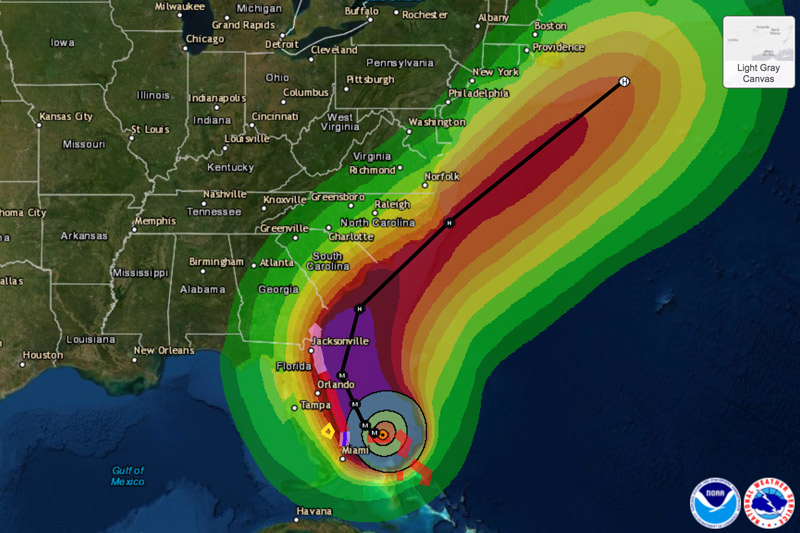
Hurricane season in the Atlantic Ocean officially runs from June 1st to November 30th each year. During this period, tropical depressions, tropical storms, and hurricanes can form in the Atlantic Ocean, the Caribbean Sea, and the Gulf Coast of Mexico and Central America, potentially impacting coastal and inland areas. Florida, due to its peninsular geography, is frequently in the path of these weather systems. However, Orlando’s location within the state offers a distinct advantage compared to coastal cities like Miami or Tampa.
Situated approximately 50-75 miles inland from both the Atlantic Ocean to the east and the Gulf Coast to the west, Orlando is less susceptible to the most destructive impacts of a direct hurricane landfall. The primary threats from hurricanes typically include:
- Storm Surge: A massive wall of water pushed ashore by the storm. This is the deadliest aspect of hurricanes and is almost exclusively a coastal threat. Orlando’s inland location significantly reduces this risk.
- High Winds: While strong winds can extend far inland, they usually weaken considerably as a hurricane moves over land and loses its energy source (warm ocean water). Orlando can experience tropical storm-force winds and, in rarer cases, hurricane-force gusts, but sustained Category 3+ winds are highly unlikely.
- Heavy Rainfall and Flooding: This is the most significant concern for Orlando during a hurricane. Slow-moving storms can dump tremendous amounts of rain, leading to flash floods and widespread freshwater flooding. Orlando and its surrounding areas are relatively flat, meaning water can accumulate.
- Tornadoes: Hurricanes can spawn tornadoes, particularly in the outer bands of the storm. These are often brief but can be damaging.
Despite these potential impacts, a direct hit from a major hurricane on Orlando is historically rare, though tropical storms and weaker hurricanes do occur. The city is well-prepared, with robust infrastructure and emergency management systems in place to protect residents and visitors.
Preparing for a Potential Storm: A Traveler’s Guide
Traveling to Orlando during hurricane season doesn’t mean you should cancel your plans, but it does necessitate a higher level of preparedness and awareness. Adopting a proactive approach ensures your trip remains as stress-free as possible, allowing you to focus on the myriad of experiences from world-class attractions to diverse local culture.
Before You Go: Research and Insurance
- Monitor Forecasts: Stay informed about current and predicted weather conditions well before your departure. Reputable sources like the National Hurricane Center (NHC) and NOAA provide accurate and up-to-date information. If a storm is developing, track its projected path and intensity.
- Travel Insurance: This is perhaps the single most crucial investment for hurricane season travel. Ensure your policy covers hurricane-related cancellations, trip interruptions, and travel delays. Carefully read the fine print regarding “named storms” and when coverage begins relative to the storm’s naming. Many policies have cut-off dates for purchasing coverage once a storm has been named or issued a warning. This ensures you’re protected for the cost of flights, hotels, and other pre-paid expenses.
- Flexible Bookings: Whenever possible, choose flights and accommodation with flexible cancellation or rebooking policies. Many hotels and resorts in Orlando, especially major chains, offer specific hurricane policies that allow guests to modify or cancel reservations without penalty if a hurricane warning is issued for the area or their point of origin. Confirm these policies when booking.
- Pack Smart: In addition to your usual travel essentials, consider packing a small emergency kit with basics like a flashlight, portable charger for electronics, any necessary prescription medications, and a small first-aid kit. While unlikely to be needed extensively in a hotel, it’s good practice.
During Your Stay: Safety and Adaptability
- Stay Informed: Once in Orlando, continue to monitor local news, weather updates, and information from your hotel or resort. Hotels are typically proactive in communicating with guests about potential weather impacts and emergency procedures.
- Hotel Preparedness: World-class Orlando hotels and resorts are well-versed in hurricane preparedness. They often have comprehensive emergency plans, including backup generators, secured windows, provisions for food and water, and trained staff to assist guests. Inquire about your accommodation’s specific hurricane procedures upon check-in. Many high-end establishments like the Four Seasons Resort Orlando at Walt Disney World Resort or the Hyatt Regency Orlando pride themselves on their ability to maintain guest comfort and safety even in challenging conditions.
- Follow Instructions: Should a storm impact the area, always follow the guidance of local authorities and hotel staff. This might include sheltering in place, moving to designated safe areas within the hotel, or, in rare cases, evacuating.
- Communication Plan: Have a communication plan with your travel companions and family members back home. Ensure cell phones are charged, and consider alternative communication methods if service is disrupted.
- Theme Park Policies: Major attractions like Walt Disney World and Universal Orlando Resort have specific hurricane policies, usually allowing guests to reschedule or cancel tickets without penalty if a hurricane warning is issued. They also have robust operational plans for guest safety, including park closures when conditions become unsafe.
After the Storm: Recovery and Reassessment
- Patience and Understanding: Recovery efforts begin immediately after a storm. Services might be temporarily disrupted, and attractions may have staggered re-openings. Patience is key.
- Assess the Situation: Before venturing out, check with your hotel about local conditions, road closures, and the operational status of attractions.
- Re-evaluate Plans: Depending on the storm’s impact, you may need to adjust your itinerary. While major attractions often recover quickly, smaller businesses or outdoor activities might take longer to resume normal operations.
- Consider Long-Term Stays: If your trip is extended due to travel disruptions, discuss options for long-term stay accommodation with your hotel or explore alternative arrangements, especially if you have travel insurance covering such eventualities.
Orlando’s Resilience and the Tourist Experience
Despite the potential for hurricanes, Orlando remains a premier travel destination year-round. The city and its tourism industry have developed an extraordinary level of resilience and preparedness. This translates into a reassuring experience for visitors.
Major attractions like Walt Disney World, Universal Orlando Resort, SeaWorld Orlando, and the Kennedy Space Center Visitor Complex invest heavily in infrastructure designed to withstand high winds and heavy rains. Their robust operational plans prioritize guest safety above all else, often initiating closures well in advance of severe weather and implementing thorough safety checks before reopening. These policies are publicly available and transparent, allowing travelers to make informed decisions.
The hospitality sector in Orlando – encompassing a vast array of hotels, suites, resorts, apartments, and villas – is also a cornerstone of this resilience. From budget-friendly options to opulent luxury travel experiences, accommodations are equipped with emergency power, communication systems, and dedicated staff. They often transform into temporary shelters, providing food, entertainment, and comfort to guests sheltering in place. The focus is always on ensuring that guests’ stays, whether for family trips or business stays, are as secure and comfortable as possible. This commitment to guest well-being is a testament to Orlando’s reputation as a world leader in tourism.

Beyond Hurricanes: Enjoying Orlando Safely
While hurricane preparedness is a practical consideration, it’s essential not to let it overshadow the immense joy and variety Orlando offers. The likelihood of a hurricane significantly disrupting your trip is relatively low, and the measures in place are designed to mitigate risks effectively. Orlando thrives as a destination for all types of travelers, offering an unparalleled array of experiences that extend far beyond the major theme parks.
For those seeking local culture, delicious food, and unique activities, downtown Orlando boasts landmarks like Lake Eola Park with its iconic fountain and swan boats, and the tranquil beauty of Harry P. Leu Gardens. Educational attractions such as the Orlando Science Center provide interactive learning experiences for all ages. For evening entertainment and dining, the vibrant ICON Park offers rides, restaurants, and shops. The city’s diverse culinary scene, from fine dining to casual eateries, caters to every palate, while its extensive shopping districts provide endless retail therapy.
When considering accommodation, the choices are vast. Travelers can compare various options, read reviews, and find suites, apartments, or resorts that perfectly match their lifestyle, whether it’s a budget travel adventure or a lavish retreat. Booking in advance, especially during peak season or for specific amenities, is always advisable. Many resorts offer incredible amenities, including sprawling water parks, multiple dining venues, and kids’ clubs, ensuring there’s always something to do, even if the weather outside isn’t perfect.
In conclusion, the question “Will a hurricane hit Orlando?” is best framed by focusing on preparedness rather than prediction. While Florida is within hurricane alley, Orlando’s inland location provides a buffer, and the city’s tourism industry is exceptionally well-equipped to handle potential weather events. By staying informed, investing in travel insurance, choosing flexible bookings, and understanding the robust safety protocols of hotels and attractions, travelers can confidently plan their dream vacation. Orlando’s magic, from its thrilling destinations and iconic attractions to its luxurious hotels and vibrant lifestyle, awaits, promising unforgettable experiences regardless of the season. With a little foresight, your journey to the Theme Park Capital of the World will be nothing short of spectacular.
LifeOutOfTheBox is a participant in the Amazon Services LLC Associates Program, an affiliate advertising program designed to provide a means for sites to earn advertising fees by advertising and linking to Amazon.com. Amazon, the Amazon logo, AmazonSupply, and the AmazonSupply logo are trademarks of Amazon.com, Inc. or its affiliates. As an Amazon Associate we earn affiliate commissions from qualifying purchases.