
Florida, a state renowned for its sun-drenched beaches, vibrant theme parks, and rich cultural tapestry, also finds itself on the front lines of nature’s more formidable forces. While the allure of a Florida vacation or permanent residence is undeniable, so too is the looming threat of severe weather. Two of the most significant concerns for homeowners and tourists alike are hurricanes and tornadoes. The article title, “Will Hurricane Screens Protect Windows From Tornadoes In Florida?”, directly addresses a crucial question that arises when considering the safety and preparedness of this beautiful, yet weather-vulnerable, state. This piece delves into the effectiveness of hurricane screens against the unique and often more violent forces of tornadoes, exploring the science behind these protective measures and offering insights relevant to anyone planning a trip to or living in Florida.
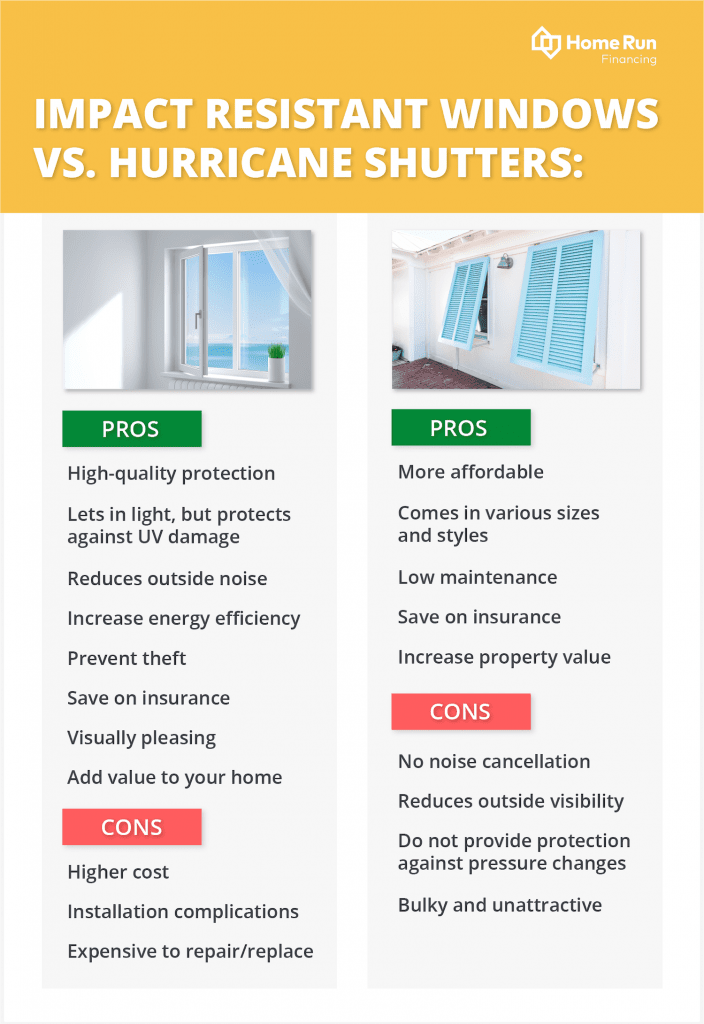
The primary function of hurricane screens is to mitigate the damage caused by high winds and flying debris associated with hurricanes. These storms are characterized by sustained winds of 74 mph or higher, but they also bring with them a barrage of objects propelled by these powerful gusts. Hurricane screens, often made from robust mesh materials like fiberglass or polyester, are designed to absorb the impact of debris, preventing it from shattering windows and compromising the structural integrity of a building. This not only safeguards the interior from water intrusion but also reduces the risk of dangerous flying glass. However, the question of whether these screens are equally effective against tornadoes is complex and warrants a closer examination of the distinct characteristics of each weather phenomenon.
Understanding the Forces: Hurricanes vs. Tornadoes
To effectively assess the protective capabilities of hurricane screens against tornadoes, it’s essential to differentiate between these two powerful meteorological events. While both involve extreme winds, their formation, intensity, and typical impact patterns vary significantly. This understanding forms the bedrock of evaluating any protective measure.
Hurricane Characteristics and Their Impact
Hurricanes are large-scale, rotating storm systems that form over warm ocean waters. They are defined by their sustained wind speeds, measured on the Saffir-Simpson Hurricane Wind Scale. A Category 5 hurricane, the most intense, can have sustained winds exceeding 157 mph. The primary threats from a hurricane include:
- High Winds: Sustained winds can cause widespread structural damage, uproot trees, and lead to power outages. These winds, while powerful, are generally more widespread and less concentrated in their destructive force compared to tornadoes.
- Storm Surge: A significant and often deadly threat, storm surge is the rise in sea level caused by the storm’s winds pushing water ashore. Coastal areas of Florida, from the Florida Keys to the Panhandle, are particularly susceptible.
- Heavy Rainfall: Hurricanes can unleash torrential downpours, leading to inland flooding, which can be as destructive as the winds themselves.
- Tornadoes: While not the primary characteristic, hurricanes can spawn tornadoes, particularly in their outer rain bands. These tornadoes are often weaker than those that form independently but still pose a significant threat.
Hurricane screens are engineered to withstand the impacts from debris common in hurricane conditions – pieces of wood, metal, and other materials that become airborne. Their mesh structure is designed to flex and absorb energy, preventing a direct breach of the window.
Tornado Characteristics and Their Destructive Power
Tornadoes, in contrast, are violently rotating columns of air that extend from a thunderstorm to the ground. They are often associated with supercell thunderstorms and are characterized by:
- Extreme Wind Speeds: Tornado winds can reach speeds of over 300 mph, far exceeding even the strongest hurricane winds. The National Weather Service categorizes tornadoes on the Enhanced Fujita (EF) Scale, with EF5 tornadoes representing the most devastating.
- Concentrated Force: While tornadoes are typically much smaller in diameter than hurricanes, their wind speeds are incredibly concentrated and intense. The vortex-like structure creates immense suction and uplift.
- Debris Generation: The sheer force of tornado winds picks up and hurls objects with incredible velocity. This debris can range from small pebbles to entire vehicles and even parts of buildings. The nature of this debris – often heavier, sharper, and propelled at higher velocities – presents a different challenge than typical hurricane debris.
- Sudden Onset: Tornadoes can form and dissipate very quickly, often with little warning, making rapid protection measures crucial.
The difference in wind speed, concentration, and the nature of the debris means that a system designed to stop hurricane debris might not be sufficient to withstand the direct impact of tornado-force winds and projectiles.
Evaluating Hurricane Screen Effectiveness Against Tornadoes
The crucial question remains: can a system designed for hurricanes offer adequate protection against the more extreme conditions of a tornado? The answer is nuanced and depends on several factors, including the tornado’s intensity and the specific design and installation of the hurricane screen.
Material Strength and Impact Resistance
Hurricane screens are typically made from high-strength woven polymers like polyester or fiberglass. These materials are designed to meet specific impact resistance standards, such as the ASTM E1886/E1996 testing protocols, which simulate impacts from debris of certain sizes and speeds.
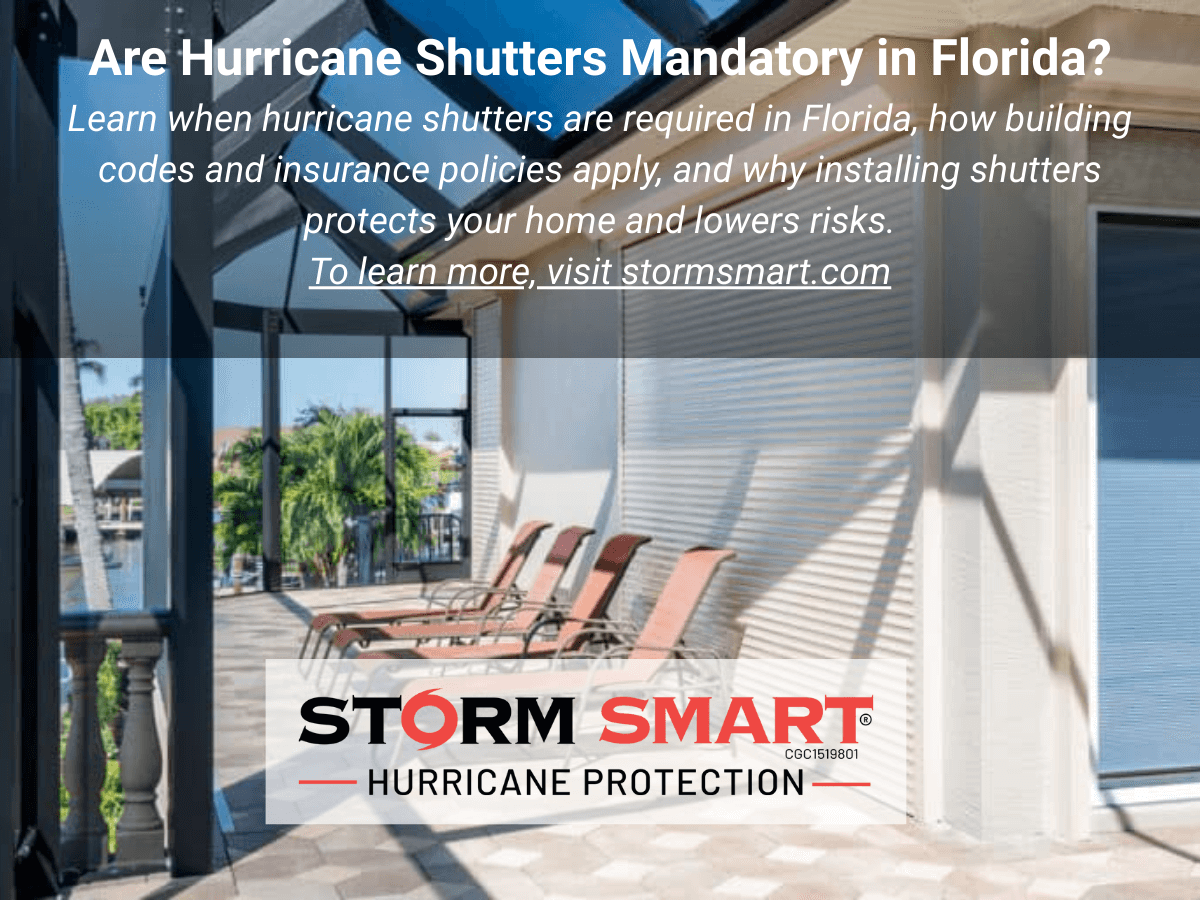
- ASTM E1996 Standards: These standards are developed for hurricane protection and primarily test against debris that a hurricane might generate. The testing simulates impacts from objects like 2×4 lumber impacting at speeds up to 60 feet per second.
- Tornado Debris Considerations: Tornado-generated debris can be much more varied and significantly heavier and faster moving. Imagine being hit by a car or a large piece of building material moving at 200+ mph – this is the kind of force that can be generated by an EF3 or stronger tornado.
- Screen Limitations: While a robust hurricane screen can absorb significant impact, there’s a point at which the force and velocity of tornado-generated debris can exceed its designed capacity. A direct hit from a particularly large or fast-moving piece of debris could still breach a screen designed for hurricane conditions. The mesh, while strong, is still somewhat pliable and could be deformed or torn under extreme, concentrated forces.
Wind Load Capacity and Structural Integrity
Beyond debris impact, both hurricanes and tornadoes exert immense wind loads on structures. Hurricane screens are designed to withstand specific wind pressures, often measured in pounds per square foot (psf).
- Wind Pressure Differences: Tornadoes, with their intense, localized vortices, can create extremely high, rapidly changing wind pressures on a building. These pressures can be significantly higher than those experienced from the sustained winds of a hurricane.
- Screen Attachment: The effectiveness of any screen system also relies heavily on its attachment to the building’s structure. If the attachment points fail under extreme wind loads, the screen will not provide protection, regardless of its material strength. Tornadoes can exert uplift forces that are particularly challenging for any window or door protection system.
- Vulnerability of Homes: Most residential homes in Florida, even those with hurricane-rated windows and screens, are not designed to withstand the direct impact of an EF3 or stronger tornado. Tornadoes can literally pick up and disintegrate houses.
Are There Any Scenarios Where Hurricane Screens Offer Protection Against Tornadoes?
While hurricane screens are not a guaranteed defense against the full fury of a tornado, they may offer some level of protection in specific, less severe tornado scenarios.
Weaker Tornadoes and Outer Bands
Tornadoes associated with the outer bands of hurricanes, or weaker tornadoes (EF0 or EF1), might not possess the extreme wind speeds or generate the exceptionally heavy debris that characterizes the most destructive tornadoes. In such cases, a well-installed hurricane screen could potentially:
- Deflect Smaller Debris: It might successfully deflect smaller, lighter pieces of debris that are common in less severe wind events.
- Reduce Shattering: Even if not completely preventing a breach, the screen could prevent the window from shattering into dangerous shards, thus offering some protection against flying glass.
However, it’s crucial to understand that this is not a reliable or primary defense. The unpredictable nature of tornadoes means that even a weak tornado can quickly intensify.
Layered Protection and Building Codes
The effectiveness of any protective measure is often enhanced when combined with other safety strategies. Many modern homes in Florida are built to stringent building codes designed to withstand hurricane-force winds. These codes often mandate:
- Impact-Resistant Windows: Many new constructions and renovations feature windows that are themselves impact-resistant, meaning they are designed to withstand direct impacts from debris without breaking.
- Reinforced Doors and Garage Doors: These are critical entry points that are often vulnerable in high winds.
- Safer Rooms/Shelters: For the ultimate protection against tornadoes, purpose-built safe rooms or underground shelters are the most effective.
When a hurricane screen is installed over an impact-resistant window, it provides an additional layer of defense. This combination might offer more resilience against a wider range of debris impacts, including those from a less powerful tornado. However, this layered approach should not be viewed as a substitute for seeking shelter during a tornado warning.

Recommendations for Florida Residents and Visitors
Given the dual threat of hurricanes and tornadoes in Florida, a comprehensive approach to safety is paramount. Whether you are planning a trip to a resort like the Grand Hyatt Hotel in Orlando or settling into a villa in Miami, understanding weather preparedness is key.
- Prioritize Impact-Resistant Windows: If you are a homeowner, investing in impact-resistant windows and doors should be a primary consideration. This offers protection against both hurricanes and, to some extent, the debris from weaker tornadoes.
- Proper Installation of Hurricane Screens: Ensure that any hurricane screens are installed by certified professionals who adhere to all local building codes and manufacturer specifications. Proper anchoring is critical.
- Develop a Tornado Plan: For residents, having a clear tornado plan is essential. This includes identifying the safest place in your home (usually an interior room on the lowest floor, away from windows) and practicing the plan.
- Heed Weather Warnings: Always pay close attention to weather alerts and warnings issued by the National Weather Service. Tornado warnings require immediate action to seek shelter.
- Travelers Should Be Informed: If you are traveling to Florida, especially during hurricane season (June 1st to November 30th), be aware of the potential for severe weather. Hotels and resorts often have emergency procedures in place; familiarize yourself with them. While direct tornado threats to tourist areas like Walt Disney World are less common than hurricane impacts, preparedness is always wise.
In conclusion, while hurricane screens are a vital component of hurricane preparedness in Florida, they are not designed as a primary defense against the extreme forces of a significant tornado. They can offer some secondary protection against lighter debris and shattering from weaker tornadoes, particularly when combined with impact-resistant windows. However, for true tornado safety, seeking immediate shelter in a reinforced structure or safe room remains the most critical action. Understanding the distinct nature of these weather phenomena is the first step in ensuring safety and peace of mind in the Sunshine State.
LifeOutOfTheBox is a participant in the Amazon Services LLC Associates Program, an affiliate advertising program designed to provide a means for sites to earn advertising fees by advertising and linking to Amazon.com. Amazon, the Amazon logo, AmazonSupply, and the AmazonSupply logo are trademarks of Amazon.com, Inc. or its affiliates. As an Amazon Associate we earn affiliate commissions from qualifying purchases.