
The question of whether Texas, the sprawling Lone Star State famed for its “bigger is better” ethos, will legalize cannabis, is no longer a fringe discussion. It’s a conversation reverberating through legislative halls, local communities, and perhaps most intriguingly, within the boardrooms of the state’s booming travel and hospitality industries. As more states across the United States embrace recreational cannabis, the potential impact on tourism, accommodation, and lifestyle in a state as vast and diverse as Texas becomes an increasingly vital topic for discussion.
Texas is a land of contrasts, from the vibrant urban jungles of Houston and Dallas to the historic charm of San Antonio and the live music capital that is Austin. Its natural landscapes range from the deserts of Big Bend National Park to the sandy beaches of Padre Island National Seashore. Imagine these iconic destinations infused with a new layer of tourist appeal, drawing visitors seeking novel experiences alongside their traditional Texas adventures. The prospect of cannabis legalization promises to reshape the economic and cultural fabric of the state, particularly for those involved in travel, tourism, hotels, and the broader lifestyle sector. This article delves into the intricate possibilities and potential challenges, exploring how such a seismic shift could transform the way we experience and enjoy all that Texas has to offer.
The Shifting Sands of Texas Cannabis Policy
While Texas has long been perceived as a conservative bastion, the reality of its cannabis policy is more nuanced and, importantly, evolving. The state has historically maintained some of the strictest cannabis laws in the United States, but a gradual shift is undeniable. This evolution is driven by changing public opinion, the successes seen in other states, and a growing recognition of the potential economic benefits. Understanding the current legislative environment is crucial to anticipating what a future of legal cannabis in Texas might entail.
Current Landscape: Medical Marijuana and Decriminalization Efforts
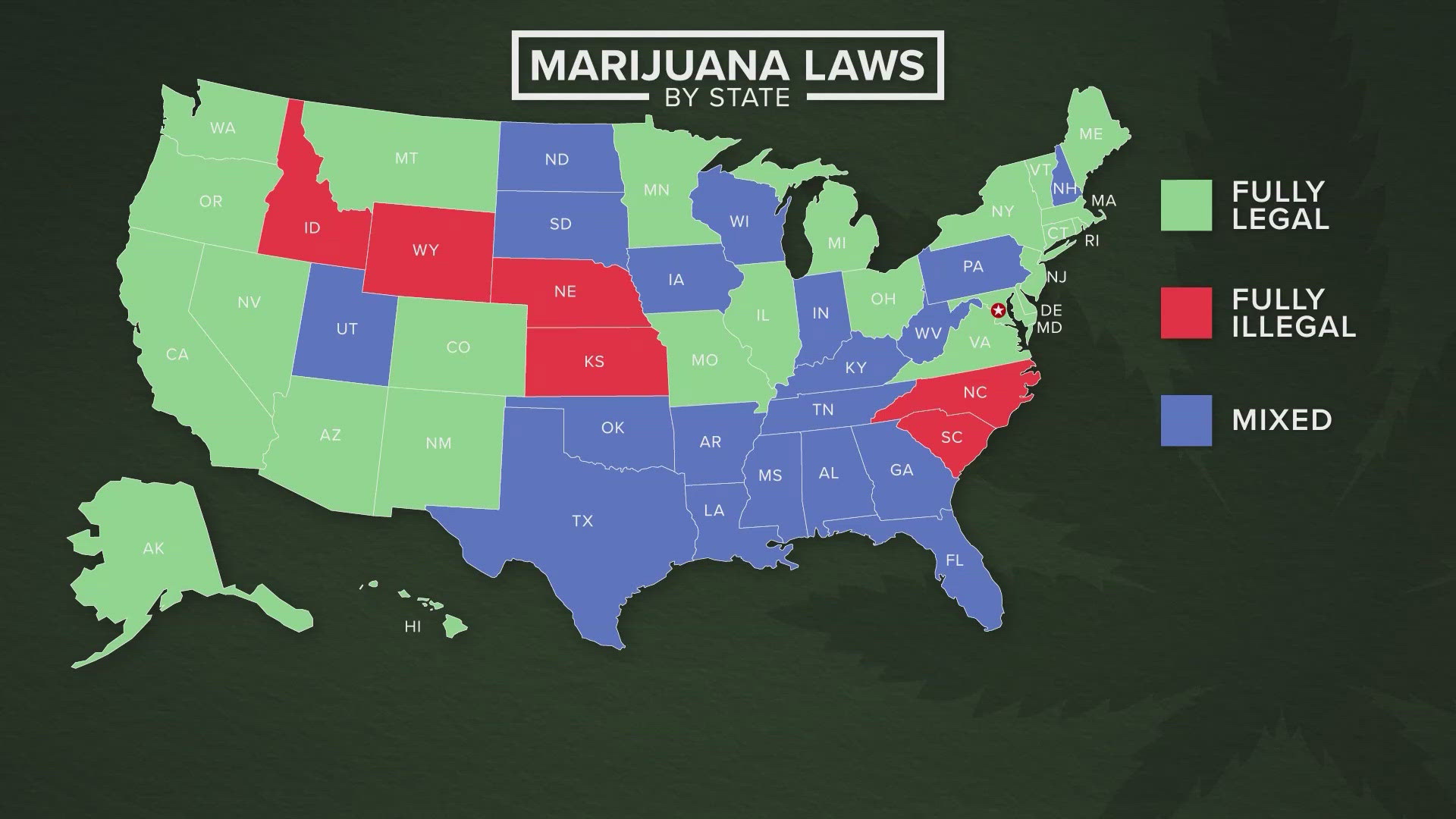
Currently, recreational cannabis remains illegal in Texas. However, the state has made incremental moves towards reform. The Texas Compassionate Use Program (TCUP), initially established in 2015, allows for the use of low-THC cannabis for a limited number of medical conditions, primarily severe epilepsy. Over time, this program has expanded, now including conditions like multiple sclerosis, spasticity, autism, and certain neurological disorders, though the THC cap remains quite low compared to medical programs in other states. This cautious approach demonstrates a willingness to acknowledge the therapeutic potential of cannabis, even if it is still restricted.
Beyond medical use, several Texas cities have taken steps to decriminalize possession of small amounts of cannabis. Austin, the state capital, was one of the first, implementing a “cite and release” policy that treats minor cannabis possession more like a traffic ticket than a criminal offense. Other cities, including Dallas, San Antonio, and Houston, have followed suit, albeit with varying degrees of implementation. These local ordinances reflect a growing sentiment among residents and local leaders that current laws are unduly harsh and disproportionately affect certain communities. The widespread availability of Hemp-derived CBD products and Delta-8 THC, which exist in a legal grey area due to federal Hemp legislation, further complicates the landscape and indicates a consumer demand for cannabis-adjacent products.
The Political Divide and Public Opinion
The path to full legalization in Texas is fraught with political challenges. The state legislature is dominated by Republicans, many of whom hold conservative views on drug policy. Governor Greg Abbott, for instance, has historically expressed skepticism about broad legalization, though he has shown openness to expanding the medical cannabis program. However, a significant number of Republicans are also strong advocates for individual liberty and limited government, principles that can, in some cases, align with cannabis reform. Democrats, on the other hand, overwhelmingly support full legalization for both medical and recreational purposes.
What is perhaps most compelling is the clear shift in public opinion. Numerous polls conducted in recent years consistently show that a majority of Texas residents support either full legalization or at least decriminalization. This includes a growing number of self-identified conservatives, suggesting that the issue transcends traditional partisan lines. As younger generations, who are more open to cannabis reform, become a larger voting bloc, and as the economic benefits demonstrated in states like Colorado, California, and Nevada become undeniable, the political calculus in Texas is increasingly difficult to ignore. The question is not if the policy will change, but when and how extensively.
How Legalization Could Transform Texas Tourism and Hospitality
If Texas were to embrace recreational cannabis, the ramifications for its thriving tourism and hospitality sectors would be nothing short of revolutionary. The state already boasts a robust travel industry, attracting millions of visitors annually with its diverse offerings. Adding cannabis to the mix would not only draw new demographics but also enhance existing travel experiences, creating entirely new markets for businesses to tap into.
A New Niche: Cannabis Tourism
The emergence of “cannabis tourism” is a well-documented phenomenon in states that have legalized. Travelers, whether experienced cannabis users or simply curious individuals, specifically choose destinations where they can legally purchase and consume cannabis. Texas, with its distinctive culture and widespread appeal, is perfectly positioned to become a major player in this niche.
Imagine “cannabis-friendly” tours exploring the Austin music scene, visiting historic sites in San Antonio’s Riverwalk district, or enjoying the vast natural beauty of West Texas or the Hill Country. Dispensaries could become tourist attractions in themselves, offering curated experiences and locally sourced products. Businesses could offer “puff and paint” classes, cannabis-infused culinary tours, or even wellness retreats centered around responsible cannabis use. This new sector would not only attract individuals but also groups looking for unique bachelor/bachelorette parties, corporate retreats, or leisure getaways. The marketing potential for “Come for the BBQ, Stay for the Bud” or “Discover Texas with a New Perspective” would be immense, tapping into a demographic seeking novel and authentic travel experiences.
The Ripple Effect on Hotels and Accommodation
The accommodation sector stands to experience significant changes. While initial regulations might restrict on-site consumption in many hotels, the demand for cannabis-friendly lodging would undoubtedly grow. This could lead to:
- Dedicated Cannabis-Friendly Hotels: Some boutique hotels, particularly in popular tourist hubs like Austin or Dallas, might choose to brand themselves as cannabis-friendly, offering designated consumption areas, specialized amenities like vaporizers, or even partnering with local dispensaries for delivery services.
- New Accommodation Formats: The rise of cannabis-focused bed and breakfasts, rental villas, and glamping sites could cater to specific segments of the market. These might offer private, discreet consumption options, cannabis education, and curated experiences. Imagine a luxury cabin in the Hill Country that includes a cannabis tasting as part of the package, or a South Padre Island rental catering to groups seeking a relaxed beach vacation with legal access to cannabis.
- Impact on Existing Hotels: Major chains like Marriott, Hilton, Hyatt Regency, Grand Hyatt, or JW Marriott would need to develop clear policies regarding cannabis use on their properties. This might involve designating outdoor smoking areas, allowing vaporizers in rooms, or creating non-smoking/non-vaping floors. The key would be balancing the comfort of all guests with the needs of cannabis tourists, requiring careful planning and investment in air filtration systems or dedicated spaces. The shift could also influence booking patterns and customer demographics, requiring hotels to adapt their marketing and service offerings.
Culinary and Lifestyle Experiences
Texas is a foodie paradise, famous for its barbecue, Tex-Mex, and diverse culinary scene. Legalization would undoubtedly introduce a new dimension to this. Restaurants could experiment with cannabis-infused dishes, from gourmet edibles to subtle flavor enhancers. “Puff and plate” dining experiences, much like wine pairings, could become a novel attraction.
Beyond dining, the broader lifestyle implications are vast. Festivals and events, from Austin’s South by Southwest to rodeos in Fort Worth, could see new vendors and sponsorships. The wellness industry could integrate cannabis into spas, yoga retreats, and holistic health practices. For residents, it would mean a change in social norms, with cannabis potentially becoming a more accepted part of leisure activities, much like alcohol. This evolution in lifestyle would naturally spill over into travel trends, with visitors seeking out experiences that reflect these changing social dynamics.
Economic Opportunities and Challenges
The economic arguments for cannabis legalization are compelling, and for a state as economically powerful as Texas, the potential gains would be substantial. However, the path to implementation is not without its challenges, requiring careful planning and regulatory frameworks.
Boosting Local Economies and Tax Revenue
States that have legalized recreational cannabis have consistently reported significant boosts in tax revenue, which is often earmarked for public services, education, or infrastructure. In Texas, with its vast population and tourism draw, these revenues could be astronomical. This new tax base would reduce reliance on existing taxes and fund critical state programs without placing additional burdens on residents.
Furthermore, legalization would create a new industry from the ground up, generating thousands of jobs across the supply chain—from cultivation and processing to retail, marketing, security, and specialized tourism services. Small businesses would thrive, and entrepreneurship would flourish as individuals and groups seek to innovate within this emerging market. Real estate, too, would see a surge in demand for grow facilities, processing plants, and retail storefronts, injecting vitality into various local economies, particularly in underserved areas. The prospect of cannabis growing operations and dispensaries creating new jobs in rural East Texas or North Texas is a powerful economic incentive.
Navigating Regulatory Hurdles and Infrastructure
While the economic benefits are clear, establishing a legal cannabis market in Texas would present considerable regulatory and infrastructural challenges. The sheer scale of Texas means that regulations would need to be comprehensive, covering everything from licensing and cultivation standards to product testing, packaging, and advertising. Ensuring product safety, preventing illicit market activity, and protecting public health would require a robust regulatory body and significant investment in enforcement.
The hospitality industry would need clear guidelines on consumption, particularly in hotels and public spaces. This would involve education for staff, updated policies, and potentially new infrastructure like designated smoking areas or advanced ventilation systems. Transport services, from ride-sharing apps to tour buses, would also need to adapt to new rules regarding cannabis consumption and transport. Security measures for dispensaries and related businesses would be paramount, especially given the cash-intensive nature of the industry where federal banking restrictions remain a challenge. The experience of states like Colorado and California offers valuable lessons, but Texas would undoubtedly face unique challenges given its size and diverse population.
What This Means for Future Travelers and Texas Residents
For both visitors planning their next Texas adventure and residents enjoying their daily lives, the potential legalization of cannabis introduces a new dynamic, transforming perceptions and experiences of the Lone Star State.
Redefining the Texas Experience
Imagine a future Texas where a visitor can enjoy a vibrant music performance on Sixth Street in Austin, explore the historical depths of the Alamo in San Antonio, or marvel at space exploration at Space Center Houston, with the added option of legally purchasing and consuming cannabis. This wouldn’t replace the traditional Texas experience but rather complement and diversify it. It would cater to a broader range of preferences, making Texas an even more attractive destination for travelers from across the United States, Canada, Mexico, and even Europe.
For travelers seeking relaxation, a cannabis-infused spa treatment in the Hill Country might appeal. For those interested in cultural immersion, cannabis-friendly art galleries or historical tours could provide a unique lens. For the thrill-seeker, visiting Galveston or South Padre Island might include a stop at a dispensary before hitting the beach. The potential for curated experiences combining traditional Texas charm with modern cannabis offerings is limitless, from luxury resorts offering private consumption lounges to budget-friendly stays near accessible dispensaries. The Dallas area’s Southfork Ranch could even host cannabis-themed events.
For residents, legalization would mean freedom from fear of criminal penalties for cannabis possession, a new source of entertainment and relaxation, and potentially new career opportunities. It would also foster a more open and honest dialogue about cannabis use, leading to greater public education and responsible consumption practices. The overall lifestyle of Texas would evolve, reflecting a more modern and inclusive approach to personal freedoms.
The question of “Will Texas Legalize Weed?” is less about a simple ‘yes’ or ‘no’ and more about the inevitable journey towards reform. While the exact timeline and scope remain uncertain, the momentum is undeniable. When it does happen, the Lone Star State stands poised to welcome a new era of tourism, hospitality, and lifestyle, inviting visitors and residents alike to experience Texas in an entirely new, vibrant, and incredibly diverse way. The future of travel and lifestyle in Texas looks set to become even bigger and bolder, just as the state itself likes to be.
LifeOutOfTheBox is a participant in the Amazon Services LLC Associates Program, an affiliate advertising program designed to provide a means for sites to earn advertising fees by advertising and linking to Amazon.com. Amazon, the Amazon logo, AmazonSupply, and the AmazonSupply logo are trademarks of Amazon.com, Inc. or its affiliates. As an Amazon Associate we earn affiliate commissions from qualifying purchases.