
The Sunshine State of Florida is a perennial favorite for travelers seeking sun-drenched beaches, thrilling theme parks, and vibrant cultural experiences. From the iconic Walt Disney World in Orlando to the art deco charm of Miami Beach, and the natural wonders of the Everglades, Florida offers a diverse range of attractions for every type of tourist. However, like many coastal destinations, its allure comes with an inherent risk: the potential impact of hurricanes. For anyone planning a trip, considering a vacation rental, or even a long-term stay in Florida, understanding the hurricane season and its implications is paramount.
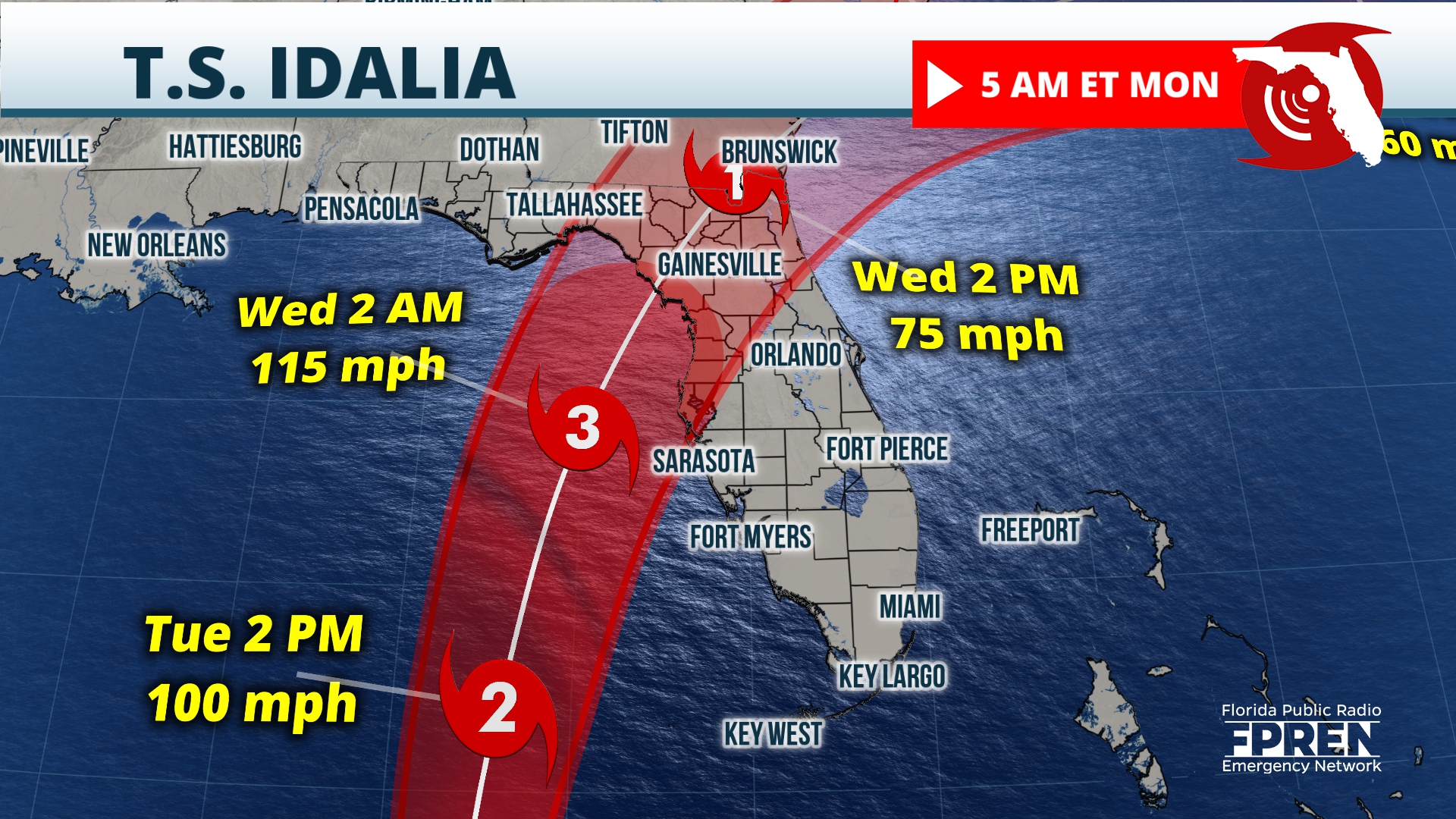
This article aims to demystify hurricane season in Florida, providing essential information for travelers and residents alike. We will delve into the typical patterns of hurricane activity, the best times to visit to minimize risk, and what proactive steps can be taken to ensure a safe and enjoyable experience, regardless of the weather forecasts. Whether you’re dreaming of a luxurious resort stay on the Gulf Coast or an adventurous exploration of the Florida Keys, being informed is the first step towards a worry-free journey.
Navigating Hurricane Season in Florida: Timing Your Visit
Florida’s peak hurricane season runs from June 1st to November 30th each year. This six-month period is when the conditions in the Atlantic Ocean are most conducive to tropical storm and hurricane formation. While hurricanes can technically occur outside these dates, the likelihood and intensity are significantly higher within the designated season. Understanding these timelines is crucial for making informed decisions about when to book your travel.
Pre-Season (December – May): A Safer Bet for Travel
The months leading up to and immediately following the official hurricane season generally offer the most stable weather for a Florida vacation. December, January, February, March, April, and May typically experience very little to no tropical storm activity. This period is ideal for those who wish to avoid the potential disruptions and anxieties associated with hurricane threats.
- December to February: These months are characterized by cooler temperatures, lower humidity, and a significantly reduced risk of hurricanes. This is a prime time for exploring the theme parks in Orlando without the intense summer heat and crowds, or enjoying the tranquil beaches of Siesta Key and Clearwater Beach. It’s also an excellent period for exploring the historical sites in St. Augustine or experiencing the unique ecosystem of the Everglades National Park. For those seeking a luxurious escape, the upscale resorts of Palm Beach offer a sophisticated and serene environment.
- March to May: As spring arrives, Florida warms up, offering pleasant beach weather and outdoor activities. While still outside the peak season, occasional tropical disturbances can form, though they are rare and usually weaken before reaching the coast. This period is perfect for outdoor adventures, enjoying the vibrant nightlife in Miami, or exploring the charming towns along the Scenic Highway 30A. Many hotels and vacation rentals offer competitive pricing during these shoulder months, making it an attractive option for budget-conscious travelers.
Peak Season (August – October): Heightened Awareness and Preparedness
The most active months for hurricanes in Florida are August, September, and October. During this time, the Atlantic Ocean reaches its warmest temperatures, and atmospheric conditions are most favorable for storm development. While this period can still offer fantastic travel opportunities, it requires a higher degree of awareness and preparedness.
- August: The start of the meteorological fall often brings an increase in tropical activity. Early August can still be relatively calm, but the chances of encountering a named storm begin to rise significantly. Travelers venturing to the Florida Keys for snorkeling or diving, or planning a visit to Key West for its historic charm and lively atmosphere, should monitor weather forecasts closely.
- September: This is historically the most active month for hurricanes in the Atlantic. The confluence of warm ocean waters and favorable atmospheric patterns makes September a critical month to watch. Major tourist hubs like Orlando with its theme parks, Tampa with its Busch Gardens and beaches, and Fort Lauderdale with its canals and nightlife, can all be impacted. Planning during this time necessitates flexibility and a willingness to adapt travel plans if a storm approaches.
- October: While often seen as the tail end of hurricane season, October can still produce powerful storms. The risk may decrease from the peak of September, but it is by no means negligible. Many travelers still choose Florida for their fall break during this month, drawn by the pleasant weather and the end of the summer crowds. However, staying informed about weather patterns remains essential, especially for destinations like Naples or Sanibel Island, known for their pristine beaches and relaxed atmosphere.
Understanding Hurricane Risks and Mitigation Strategies
The impact of a hurricane can range from heavy rainfall and gusty winds to devastating storm surges and widespread destruction. Florida’s extensive coastline makes it particularly vulnerable. Therefore, understanding the risks and implementing effective mitigation strategies is crucial for anyone visiting or residing in the state.
Monitoring Forecasts and Advisory Systems
The first line of defense against a hurricane is staying informed. Several reliable sources provide up-to-date information on tropical weather systems:
- National Hurricane Center (NHC): The NHC is the primary U.S. agency for tracking and forecasting tropical cyclones. Their website (nhc.noaa.gov) provides detailed information on storm paths, intensity, and potential impacts.
- Local News and Emergency Management Agencies: Local television, radio, and official social media channels will disseminate crucial information regarding evacuations, shelter openings, and local preparedness measures.
- Weather Apps and Websites: Numerous weather applications and websites offer real-time updates, including satellite imagery and radar data, which can be invaluable for tracking storm movements.

When planning a trip, it’s advisable to bookmark these resources and check them regularly, especially if traveling during the peak hurricane months.
Travel Insurance and Flexible Booking Options
For travelers, investing in comprehensive travel insurance is a wise decision when visiting Florida during hurricane season. Most policies offer coverage for trip cancellations, interruptions, and delays due to severe weather events. This can help mitigate financial losses if your travel plans are disrupted.
Furthermore, many airlines, hotels, and tour operators offer flexible booking policies during hurricane season. This might include:
- Waivers for Change Fees: Allowing you to reschedule your trip without penalty if a hurricane threatens your destination.
- Refund Policies: Providing full or partial refunds for bookings impacted by severe weather.
Always inquire about these policies when booking your flights, accommodation at places like the Ritz-Carlton Amelia Island or the Don CeSar Hotel, and any pre-booked tours or activities. This proactive approach can save significant stress and money should the weather turn.
Adapting Your Florida Experience: Hurricane-Resilient Travel Tips
Even with the best planning, hurricanes can alter travel itineraries. The key is to remain adaptable and informed, turning a potentially challenging situation into a manageable one.
Packing Smart and Staying Prepared
Regardless of the season, packing for Florida often involves swimwear, sunblock, and light clothing. However, during hurricane season, a few extra items can be invaluable:
- Waterproof Bags: To protect electronics and important documents from sudden downpours.
- Portable Power Bank: To keep devices charged if power outages occur.
- First-Aid Kit: A basic kit for minor injuries.
- Non-Perishable Snacks: Especially if you are in a more remote location.
- Local Maps: In case GPS or mobile service is unreliable.
It’s also prudent to have a small amount of cash on hand, as ATMs may be inaccessible or out of service during and after a storm.

Alternative Destinations and Activities Within Florida
If a hurricane warning is issued for your intended destination, or if you wish to avoid the immediate threat, Florida offers a variety of alternative locations and activities that might be less affected or offer a different kind of experience.
- Inland Cities: While coastal areas are most vulnerable to storm surges, inland cities like Orlando (especially its theme park resorts which are built to withstand significant weather events) or Gainesville may experience less severe impacts. These locations can still offer a vacation experience focused on attractions, dining, and entertainment.
- Northern Florida: Depending on the storm’s track, northern Florida might be less impacted than the southern or central regions. Cities like Jacksonville or Tallahassee could serve as viable alternatives.
- Embrace the Weather (Safely): If a storm is less severe, sometimes embracing the unique atmosphere can be an option, provided you are in a safe and secure location. Enjoying a cozy afternoon in a well-equipped hotel suite or a local restaurant that remains open can offer a different perspective on the Florida experience. However, safety should always be the absolute priority.
By staying informed, planning ahead, and remaining flexible, travelers can still enjoy the magic of Florida even when facing the possibility of hurricanes. The key is to respect the power of nature while leveraging the resources and opportunities available to ensure a safe and memorable journey.