
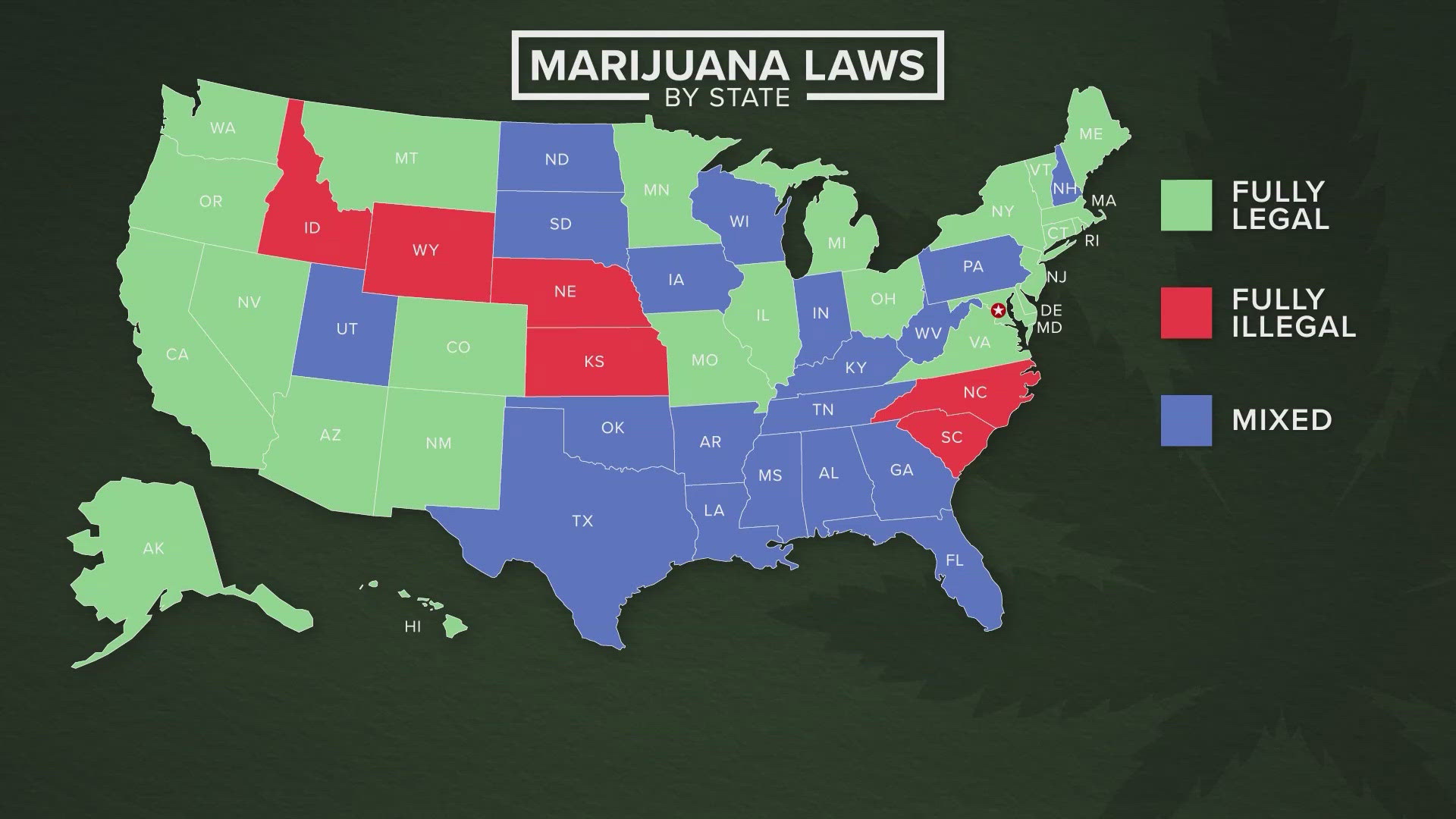
The Lone Star State, a land of sprawling ranches, vibrant cities, and a fiercely independent spirit, has long held a conservative stance on many social issues. Among these, the legality of cannabis has been a particularly thorny subject. While a growing number of states across the United States have embraced some form of marijuana legalization, Texas has remained conspicuously hesitant. This article delves into the complex landscape surrounding cannabis policy in Texas, examining the current situation, the burgeoning advocacy, and the potential pathways—or roadblocks—to a future where weed might be legal within its borders.
The Current Landscape: A Slow Thaw in a Conservative Climate
Texas currently operates under a highly restrictive medical cannabis program, known as Texas Compassionate Use Program (TCUP). Established in 2015, TCUP allows for the prescription of low-THC cannabis (under 0.5% THC by weight) for a limited list of medical conditions. These conditions initially included epilepsy and seizure disorders, but have since been expanded to include conditions like multiple sclerosis, spasticity, amyotrophic lateral sclerosis (ALS), autism, and terminal cancer.
However, the program’s limitations are significant. The low THC cap means that many patients seeking relief from more severe conditions may not find the efficacy they need. Furthermore, the qualifying conditions are still quite narrow, leaving a substantial number of potential medical users unable to access legal cannabis. The program also lacks provisions for recreational use, making it entirely illegal to possess or consume marijuana for non-medical purposes outside of the tightly controlled TCUP framework. Possession of even small amounts of marijuana can still result in arrest, fines, and a criminal record, which can have far-reaching consequences for employment, housing, and education.
Despite these restrictions, there has been a noticeable shift in public opinion and legislative discussion. Each legislative session sees more bills introduced aiming to expand the medical program or decriminalize/legalize marijuana. While these efforts have yet to yield comprehensive legalization, they reflect a growing willingness to engage with the issue and acknowledge the shortcomings of the current approach.
Debates and Dissections: The Arguments For and Against
The debate over cannabis legalization in Texas is multifaceted, drawing in economic, social justice, and public health considerations. Proponents of legalization argue that it would bring significant economic benefits to the state. They point to the tax revenue generated in other states that have legalized marijuana, suggesting that Texas could similarly boost its coffers through excise taxes and licensing fees. This revenue could then be allocated to public services like education, infrastructure, or drug treatment programs.
Economically, legalization could also foster a new industry, creating jobs in cultivation, processing, retail, and ancillary services. Supporters envision Texas becoming a hub for cannabis-related businesses, attracting investment and innovation. The potential for job creation is particularly appealing in a state as large and diverse as Texas, with its varied economic landscapes.
Social justice is another powerful argument driving the legalization movement. Advocates highlight the disproportionate impact of marijuana prohibition on minority communities. Arrests and convictions for marijuana offenses often lead to significant legal and financial burdens, hindering opportunities for individuals and families. Legalization, they contend, would help to rectify these historical injustices, allowing for expungement of past low-level marijuana convictions and preventing future discriminatory enforcement. This aligns with broader movements towards criminal justice reform seen across the United States.
Furthermore, proponents emphasize the medicinal benefits of cannabis, particularly for patients suffering from chronic pain, anxiety, PTSD, and other debilitating conditions. They argue that the current low-THC limit is insufficient and that a more robust medical program, or even full legalization, would provide better access to alternative treatments that are often safer and less addictive than traditional pharmaceuticals. The anecdotal evidence from patients who have found relief through cannabis is compelling, and advocacy groups actively share these stories to build support.
Opponents of legalization, however, raise concerns about public health and safety. They often cite potential increases in impaired driving incidents and the impact of increased cannabis use on mental health. While acknowledging the existence of a black market, they argue that legalization would not eliminate it entirely and could lead to an increase in overall drug use. Some also express concerns about the normalization of drug use, particularly among young people, and the potential for addiction.
Law enforcement officials and some community leaders have voiced these concerns, emphasizing the need for caution and robust regulatory frameworks if legalization were to be considered. They often point to the challenges faced by states that have already legalized, such as regulating potency, preventing diversion to states where it remains illegal, and ensuring public safety. The historical context of Texas as a state with a strong emphasis on law and order also plays a role in the resistance to widespread legalization.
The Road Ahead: Policy Shifts and Public Pressure
The trajectory of cannabis legalization in Texas will likely depend on a confluence of factors, including evolving public opinion, legislative action, and the experiences of other states. Public sentiment in Texas regarding marijuana has been steadily shifting. Polls consistently show a majority of Texans support some form of legalization, whether it be for medical purposes or for recreational use. This growing public acceptance puts increasing pressure on elected officials to address the issue.
Legislators are becoming more receptive to these calls for change. While a complete overhaul of Texas cannabis laws is unlikely to happen overnight, incremental changes are more probable. This could include further expansion of the Texas Compassionate Use Program to include more qualifying conditions and a higher THC limit. Decriminalization of small amounts of marijuana, which would reduce penalties from criminal offenses to civil citations, is also a frequently discussed possibility that could serve as a stepping stone towards broader reform.
The federal landscape also plays a role. While marijuana remains illegal at the federal level, the Biden administration has signaled a more open approach to drug policy. Any significant federal changes regarding cannabis could influence state-level policies, including those in Texas. Moreover, the growing success of legal cannabis markets in neighboring states, such as New Mexico and Oklahoma, could serve as case studies and potential catalysts for Texas to reconsider its stance.
Examining the Experiences of Neighboring States
The legalization of cannabis in New Mexico and Oklahoma offers valuable insights for Texas. In New Mexico, recreational marijuana was legalized in 2021, following years of debate and advocacy. The state has since established a regulated market, with dispensaries and cultivation facilities operating under state oversight. Early reports suggest that legalization has brought tax revenue and job creation, while also presenting challenges in regulatory enforcement and public health monitoring. The experience of New Mexico provides a tangible example of how a neighboring state has navigated the complexities of a legal cannabis industry.
Similarly, Oklahoma has a robust medical marijuana program that has seen significant growth since its inception. While recreational use is not legal, the state’s medical market is one of the most accessible in the nation, with a relatively low barrier to entry for patients. This has led to a booming industry, with a vast number of dispensaries and cultivation operations. The economic impact, both positive and negative, of Oklahoma’s approach is closely watched by those in Texas who advocate for reform.
These neighboring states demonstrate that it is possible to implement cannabis policies that differ from Texas’s current stringent approach. The successes and challenges faced by New Mexico and Oklahoma can inform discussions in Texas about how to structure a legal market, address public health concerns, and ensure social equity. As these markets mature, Texas lawmakers will have more data and real-world examples to draw upon when considering their own policy decisions.
Ultimately, the question of whether weed will ever be legal in Texas is not a simple yes or no. It is a dynamic and evolving issue, shaped by shifting public opinion, legislative will, and the broader national conversation on drug policy. While the path to legalization may be gradual, the increasing momentum for reform suggests that Texas may one day join the growing number of states that have embraced a new approach to cannabis. The journey will undoubtedly involve continued debate, careful consideration of public health and safety, and a willingness to adapt to changing societal norms. The future of cannabis in the Lone Star State remains a compelling story to watch.