
Navigating the complexities of a disability can be a challenging journey, impacting not just daily routines but also long-term lifestyle aspirations, including travel and choosing comfortable accommodations. In New York State, understanding the available disability benefits is a crucial step towards securing financial stability and maintaining a fulfilling life, allowing you to plan for future experiences, whether that means a serene retreat to the Adirondacks or an extended stay in a vibrant urban center like New York City. This comprehensive guide is designed to serve as your compass, demystifying the application process for New York State Disability benefits and illustrating how these essential supports can empower you to live a life rich with comfort, security, and the joy of exploration.
Understanding New York State Disability: What You Need to Know
Disability benefits in New York play a pivotal role in providing a safety net for individuals who are unable to work due to illness or injury. These benefits are not just about financial aid; they are about supporting a sustainable lifestyle, ensuring access to necessary resources, and offering the peace of mind required to plan for the future. Whether you’re facing a temporary setback or a long-term health challenge, understanding the nuances of the state and federal programs is the first step towards securing the assistance you need. For many, these benefits are the foundation upon which they can build plans for accessible travel, comfortable long-term stays, and a generally improved quality of life, transforming potential limitations into opportunities for new experiences within and beyond New York’s diverse landscapes.
Distinguishing Between State and Federal Programs
When discussing disability in New York, it’s important to differentiate between the various programs available, as they cater to different situations and needs. The primary distinction lies between state-administered short-term benefits and federally run long-term programs.
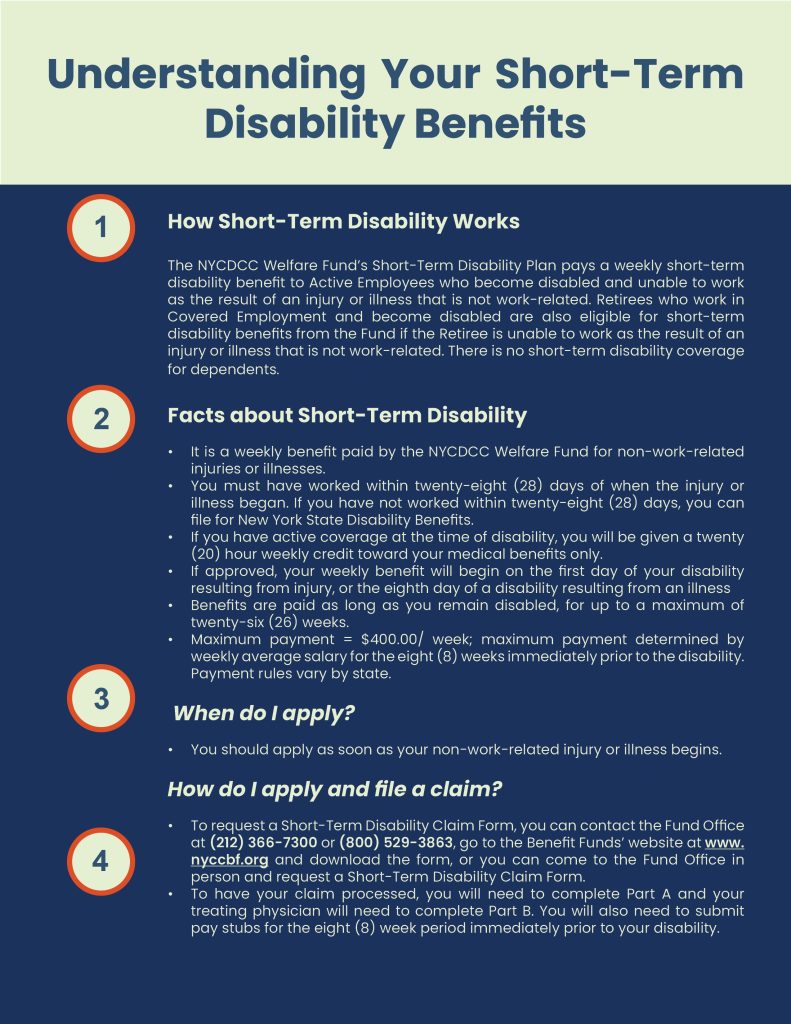
New York State offers Short-Term Disability benefits through its Disability Benefits Law (DBL). This program is designed for employed individuals who suffer a non-work-related illness or injury that temporarily prevents them from performing their job duties. It provides partial wage replacement for a limited period, offering crucial support during recovery. This can be particularly helpful for those who might have to cancel immediate travel plans or adjust their accommodation needs temporarily due to an unexpected health event.
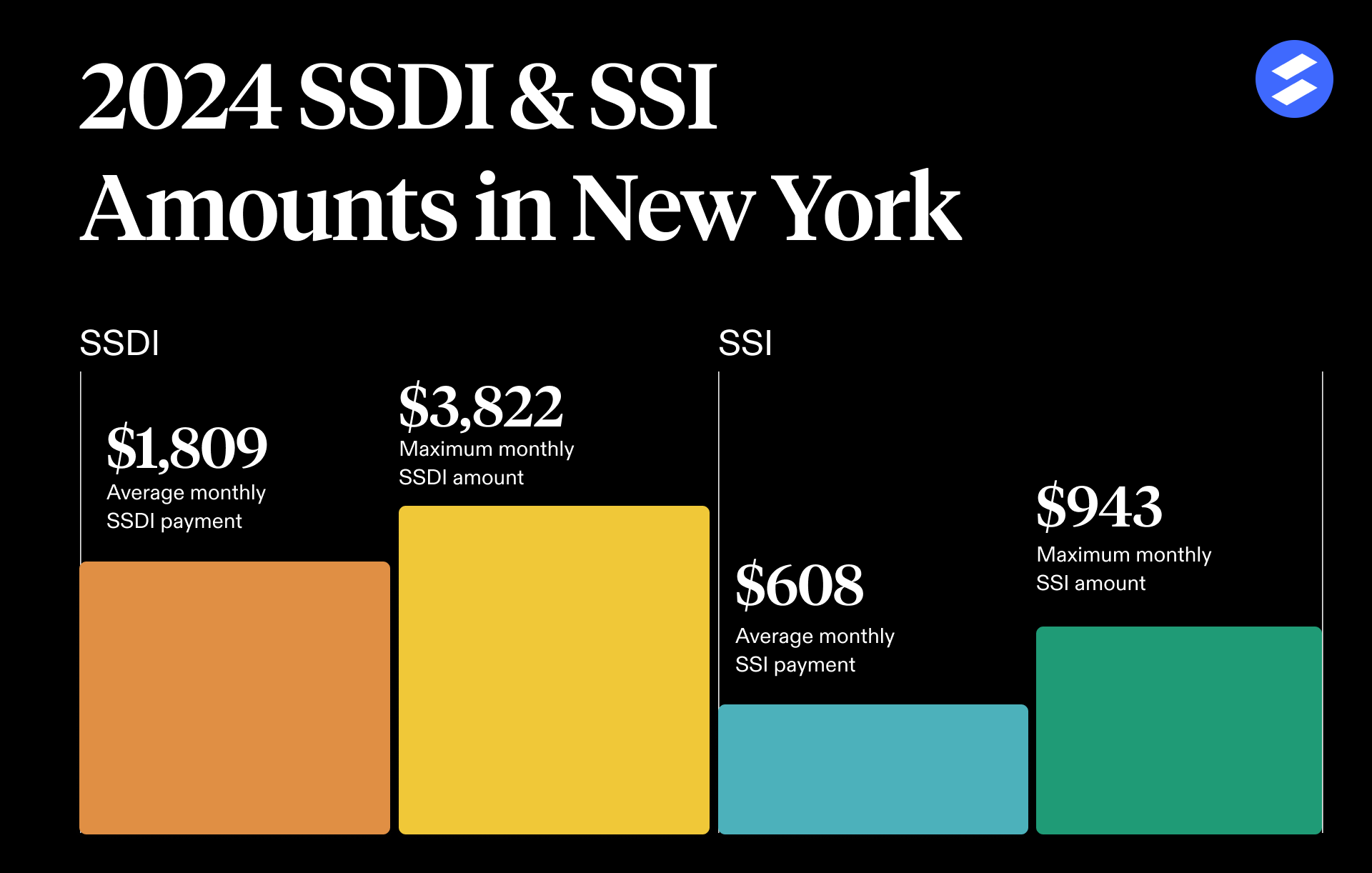
For disabilities that are expected to be long-term or permanent, the federal government’s Social Security Administration (SSA) manages two main programs: Social Security Disability Insurance (SSDI) and Supplemental Security Income (SSI). SSDI is for individuals who have worked long enough and paid Social Security taxes, much like an insurance policy. SSI, on the other hand, is a needs-based program for those with limited income and resources, regardless of their work history. Both SSDI and SSI are vital for long-term financial stability, providing a foundation that can enable sustained travel, permanent accessible housing solutions, and a comprehensive approach to lifestyle management for individuals with enduring disabilities.
The Application Journey: Your Step-by-Step Guide
Embarking on the application process for disability benefits can seem daunting, but breaking it down into manageable steps makes the journey much clearer. Regardless of whether you are applying for state-level Short-Term Disability or federal Long-Term Disability, thorough preparation and understanding the specific requirements are key to a successful application. This section will guide you through the distinct processes for both types of benefits.
Applying for New York State Short-Term Disability (DBL)
The New York State Disability Benefits Law (DBL) provides temporary cash benefits to eligible wage earners who are unable to work due to a non-occupational illness or injury. This program is typically managed through private insurance carriers, often chosen by your employer.
Eligibility Criteria: To be eligible for DBL benefits, you generally must be employed in New York and have worked a specified number of weeks for a covered employer. Your disability must be non-work-related, meaning it did not occur on the job and is not covered by Workers’ Compensation. The disability must also prevent you from performing your regular work duties.
Required Documentation: The most critical components of your application will be medical documentation from your healthcare provider, clearly stating your diagnosis, the extent of your disability, and the expected duration of your incapacitation. You will also need to provide information about your employer and your wages.
Where to Apply: Unlike federal benefits, DBL applications are not submitted directly to the state. Instead, you typically obtain a claim form (Form DB-450, “Claim for Disability Benefits”) from your employer or their insurance carrier. You, your physician, and your employer will complete different sections of this form. Once completed, you submit the form directly to your employer’s disability benefits insurance carrier. It is crucial to submit your claim within 30 days of becoming disabled to avoid any delays or potential loss of benefits.
Timeline and Benefits: If approved, DBL benefits generally provide 50% of your average weekly wage, up to a statutory maximum. Benefits are typically paid for a maximum of 26 weeks within any 52-week period. While temporary, these benefits are vital for covering immediate expenses, allowing you to focus on recovery without the added stress of complete income loss. This short-term support can mean the difference between maintaining your current lifestyle and having to drastically cut back, potentially impacting planned short trips or the ability to stay in comfortable accommodations during your recovery.

Navigating Federal Social Security Disability (SSDI/SSI)
For severe, long-lasting conditions, federal programs administered by the Social Security Administration (SSA) are the primary source of support. The application process for SSDI and SSI is considerably more extensive and can often be a lengthy endeavor.
Eligibility Criteria:
- SSDI: Eligibility is based on your work history and contributions to Social Security. You must have worked a certain number of years and earned enough “work credits” to be insured. Additionally, you must have a severe medical condition that meets the SSA’s definition of disability, meaning it prevents you from doing substantial gainful activity and is expected to last for at least 12 months or result in death.
- SSI: SSI is a needs-based program. To qualify, you must have limited income and resources, and also meet the SSA’s definition of disability (the same medical criteria as SSDI). SSI can often supplement other income, including SSDI, if the total amount is still below certain thresholds.
Required Documentation: Prepare for an extensive documentation phase. You will need:
- Medical Records: This is the most crucial evidence. Gather all relevant medical records, including diagnoses, treatment plans, lab results, imaging scans, doctors’ notes, and therapists’ reports. The more comprehensive and consistent your medical history, the stronger your case.
- Work History: Information about your past employment, job duties, and earnings.
- Personal Information: Birth certificate, Social Security card, proof of U.S. citizenship or legal residency.
- Financial Information (for SSI): Bank statements, property deeds, and other documentation of income and assets.
Application Methods: You can apply for SSDI online through the SSA website, by phone, or in person at your local Social Security Office. For SSI, you must generally apply in person or by phone. It’s often advisable to seek assistance from a disability advocate or attorney, especially given the complexity of the process.
The Five-Step Sequential Evaluation Process: The SSA uses a rigorous five-step process to determine if you are disabled:
- Are you engaging in substantial gainful activity? (If yes, you’re not disabled).
- Is your condition “severe”? (Does it significantly limit basic work activities?).
- Does your condition meet or equal an SSA “listing” (a list of severe impairments)? (If yes, you’re usually approved).
- Can you do any of your past relevant work? (If yes, you’re not disabled).
- Can you do any other type of work, considering your age, education, and work experience? (If yes, you’re not disabled).
This detailed evaluation underscores the importance of strong medical evidence. An approval for SSDI or SSI can significantly impact long-term lifestyle planning, offering consistent support that enables individuals to manage their health, live comfortably, and explore the world around them, even if it requires accessible travel or specialized accommodation options.
Beyond the Application: Planning Your Lifestyle with Disability Support
Securing disability benefits in New York State or through federal programs is more than just obtaining financial aid; it’s about reclaiming agency over your lifestyle. With the foundation of support in place, you can shift your focus from the immediate financial pressures to cultivating a life rich in experiences, comfortable living, and personal fulfillment. This often includes planning for travel, ensuring suitable accommodation, and embracing the diverse opportunities that New York and beyond have to offer for individuals with disabilities.
Empowering Travel and Exploration
The financial security provided by disability benefits can open doors to exciting travel opportunities, transforming what might seem like a distant dream into a tangible plan. Whether your passion lies in exploring the natural beauty of New York State’s parks, like the majestic Niagara Falls, or venturing further afield, these benefits can help cover the costs associated with accessible travel.
Many travel companies and tour operators now specialize in creating inclusive itineraries, ensuring that individuals with varying needs can enjoy their journeys. When planning, research is paramount. Look for destinations that boast a commitment to accessibility, offering features like ramp access, accessible public transportation, and services tailored for visitors with disabilities. Similarly, booking accommodations should involve careful consideration of amenities such as roll-in showers, grab bars, wider doorways, and proximity to accessible attractions. Websites specializing in accessible travel reviews can be invaluable resources. Embrace the freedom that financial stability brings, allowing you to explore new cultures, relax in scenic destinations, and create unforgettable memories, proving that disability doesn’t have to be a barrier to adventure.
Securing Comfortable Accommodation and Long-Term Stays
Another critical aspect of lifestyle planning with disability benefits involves securing comfortable and appropriate accommodation. Whether you’re seeking a permanent residence that meets specific accessibility requirements or planning for extended stays away from home, the financial support from state or federal programs provides vital flexibility.
For long-term living, disability benefits can assist in affording homes or apartments that are modified for accessibility, ensuring independence and comfort. In cases where individuals may need to travel for medical treatments or simply prefer a change of scenery for an extended period, the benefits enable the booking of hotels, serviced apartments, or resort suites that cater to their needs. Many modern hotels, particularly those in popular tourist destinations or larger chains, prioritize accessibility, offering features like accessible rooms, visual and auditory alarms, and staff trained to assist guests with disabilities. Exploring options for long-term rentals or even short-term apartment stays can provide a “home away from home” experience, offering more space and flexibility than a traditional hotel. This planning allows individuals to choose accommodations that enhance their well-being, whether it’s for a restful retreat or an immersive cultural experience in a new city.
Conclusion
The journey of applying for New York State Disability benefits is a significant undertaking, but it is a crucial step towards securing your financial future and empowering your desired lifestyle. By understanding the distinctions between state Short-Term Disability and federal Long-Term Disability programs, diligently preparing your application, and proactively seeking assistance when needed, you can successfully navigate this complex process. These benefits are more than just a safety net; they are a vital resource that provides the stability necessary to plan for enriching experiences, from exploring the breathtaking landmarks of New York to ensuring comfortable, accessible accommodations wherever your journey may take you. With proper support, individuals with disabilities can continue to embrace a fulfilling life of travel, comfort, and independence.
LifeOutOfTheBox is a participant in the Amazon Services LLC Associates Program, an affiliate advertising program designed to provide a means for sites to earn advertising fees by advertising and linking to Amazon.com. Amazon, the Amazon logo, AmazonSupply, and the AmazonSupply logo are trademarks of Amazon.com, Inc. or its affiliates. As an Amazon Associate we earn affiliate commissions from qualifying purchases.