
Embarking on a journey, whether for business or leisure, often involves a myriad of details, from flights and transportation to securing the perfect accommodation. Among these crucial considerations, understanding the typical check-in time at your chosen hotel is paramount for a smooth and stress-free arrival. Many travelers, especially those venturing to new destinations or experiencing significant time zone changes, often overlook this seemingly minor detail, only to find themselves navigating a common logistical challenge upon arrival.
The question “What time is the check-in time in hotels?” isn’t just about a specific hour; it’s about managing expectations, optimizing your travel day, and making the most of your precious time. This comprehensive guide will delve into the intricacies of hotel check-in procedures, offering insights, tips, and strategies to ensure your arrival experience is as seamless as your dream vacation or important business trip. We’ll explore the standard practices, how to request flexibility, and what to do when your arrival doesn’t perfectly align with the hotel’s schedule, ensuring you’re well-prepared for any situation, from checking into a bustling city hotel in New York City to a serene resort in Bali.
Understanding Standard Check-In Practices
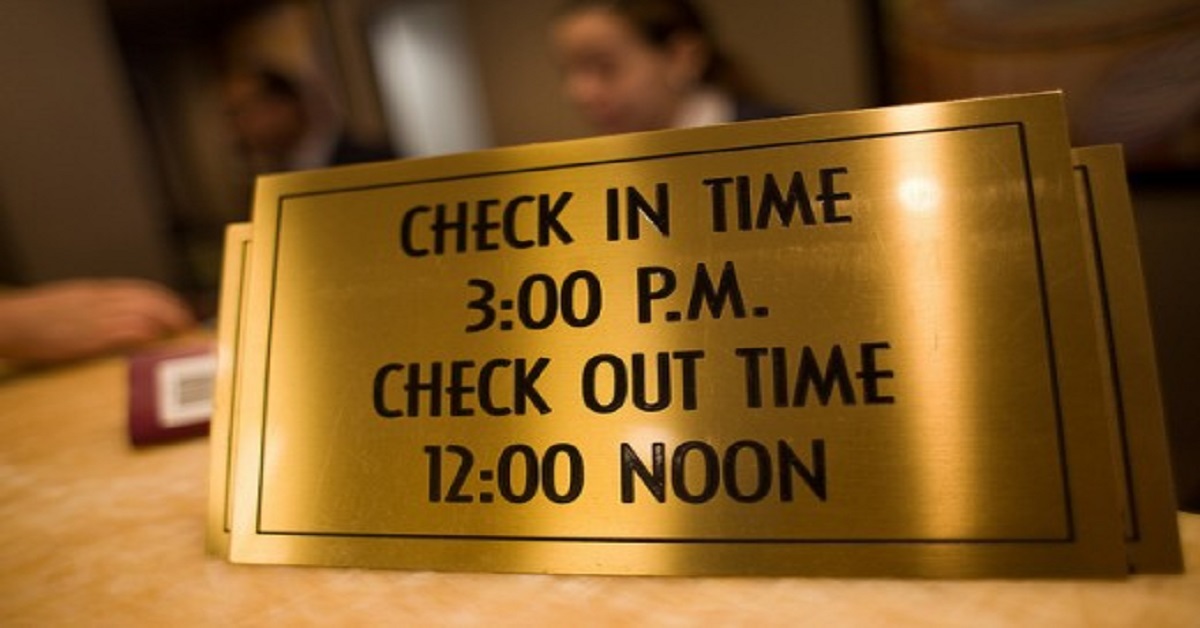
The concept of a “standard” check-in time is foundational to the operational rhythm of the hospitality industry. It’s a carefully orchestrated dance designed to ensure that every guest room is pristine, fully equipped, and ready for occupancy. While regional nuances and specific property policies may exist, a common thread runs through most establishments, providing a predictable framework for travelers worldwide.
Why 3 PM or 4 PM? The Logic Behind the Schedule
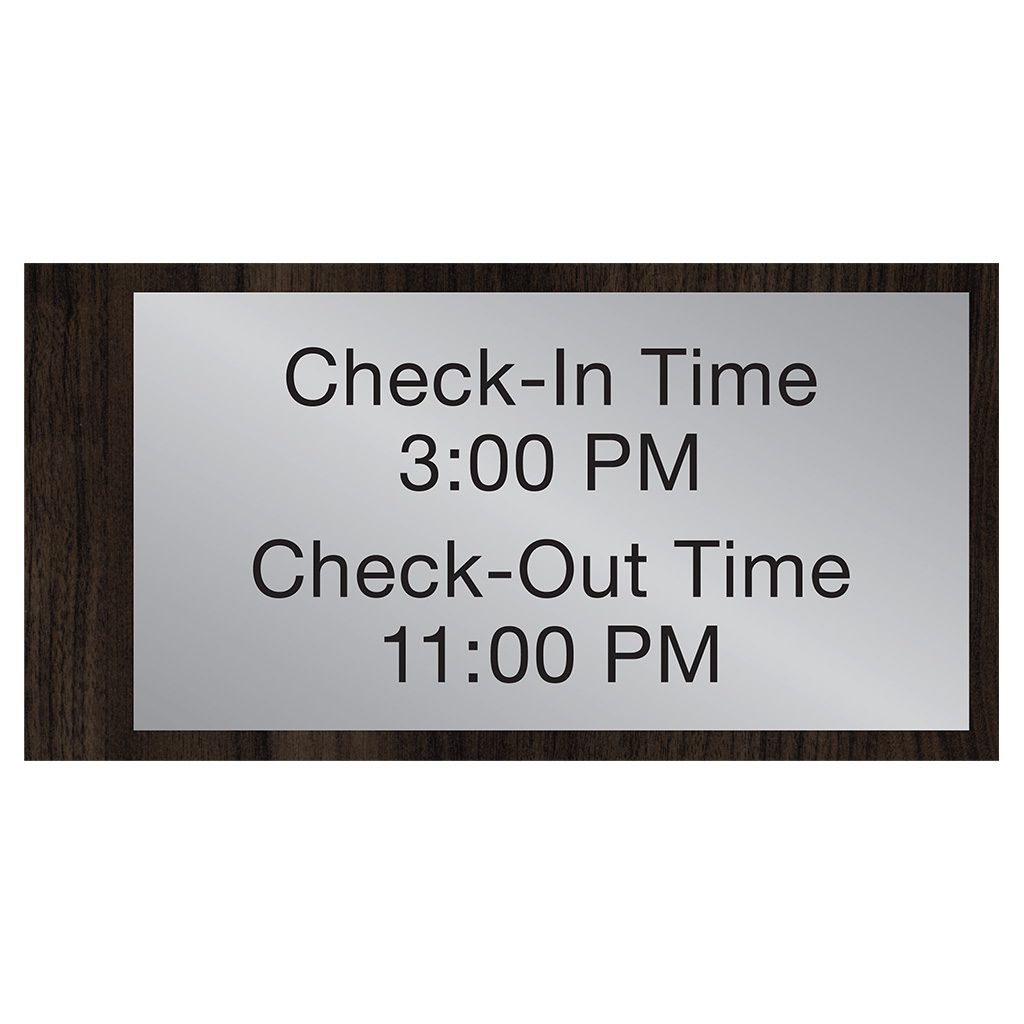
The most prevalent check-in times you’ll encounter across the globe are typically 3:00 PM or 4:00 PM. This isn’t an arbitrary decision but a strategic window that allows hotels to efficiently manage their daily guest turnover. Consider the typical check-out time, which is usually around 11:00 AM or 12:00 PM. This leaves a critical four to five-hour period for the hotel staff to perform a multitude of tasks essential for preparing a room for new arrivals.
During this interval, the housekeeping team meticulously cleans and sanitizes each room, replenishes amenities like fresh towels and toiletries, inspects for maintenance issues, and ensures everything is in perfect order. For larger hotels, especially those with hundreds of rooms like the Grand Hyatt Hotel in Tokyo or the Bellagio Hotel in Las Vegas, this process is a colossal undertaking. The check-in time provides a buffer to complete this intricate ballet of cleanliness and preparation, ensuring that the room meets the high standards expected by guests. It also helps manage the flow of new guests, preventing overwhelming queues at the front desk and allowing staff to provide personalized service during the initial welcome.
Regional Variations in Check-In Times
While 3 PM and 4 PM are widespread, it’s worth noting that standard check-in times can vary by region and by the type of accommodation. In some European countries, particularly for smaller, boutique hotels or guesthouses, an earlier check-in time of 2:00 PM might be offered. Conversely, for villas or serviced apartments that often require more extensive cleaning or have fewer staff on-site, check-in could be pushed to 4:00 PM or even later.
For instance, a charming bed and breakfast in the Italian countryside might be more flexible, allowing you to settle in earlier if the room is ready, while a luxury travel resort in the Maldives with private suites might stick to a rigid 3:00 PM policy due to the intricate preparation involved. Always confirm the specific check-in time directly with your chosen property, especially when making international travel plans, as cultural norms and local operational practices can play a significant role. This proactive step is vital for ensuring your first moments in a new city like Paris or Rome are spent exploring its landmarks rather than waiting in a lobby.
Navigating Early Arrivals and Late Departures
One of the most common challenges travelers face is arriving at their destination before the official check-in time, especially after a long-haul flight or an overnight journey. Similarly, having a late flight or train can leave you with hours to spare after check-out. Understanding how to handle these situations is key to a comfortable and convenient travel experience.
Requesting Early Check-In: Tips for Success
If your flight lands at 7:00 AM and check-in isn’t until 3:00 PM, an eight-hour wait can be daunting. Requesting an early check-in is almost always an option, but success is not guaranteed and often depends on several factors.
- Communicate in Advance: The best strategy is to contact the hotel directly a day or two before your arrival. Inform them of your estimated arrival time and politely inquire about the possibility of an early check-in. This allows the hotel to prioritize room cleaning or allocate a room that is already vacant. Mentioning your reason for early arrival, such as attending a business stays conference or a specific tourism activity, can sometimes help.
- Be Flexible: Understand that early check-in is a courtesy, not a right. High occupancy periods, particularly during peak tourism seasons or major events, make it less likely. If your exact room type isn’t available, they might offer a different room for the interim.
- Join Loyalty Programs: Guests with elite status in a hotel’s loyalty program, such as Marriott Bonvoy or Hilton Honors, often receive complimentary early check-in as a perk, subject to availability. This can be a significant advantage, especially for frequent travelers.
- Arrive with a Smile: Even if you haven’t arranged it in advance, a polite request at the front desk upon arrival can sometimes yield positive results, especially if the hotel isn’t fully booked.
The Cost of Convenience: Fees and Policies
While some hotels may offer early check-in free of charge if a room is available, others might impose a fee. This fee can vary widely, from a nominal hourly charge to a half-day or even full-day rate, especially if you require access several hours before the standard time. It’s crucial to clarify any potential costs when making your request. Some hotels, particularly those catering to budget travel segments, might be less flexible with early check-ins without a charge, as it directly impacts their operational schedule and potential revenue from the previous night. Always factor these potential costs into your budget travel planning.
What to Do If Your Room Isn’t Ready
Even with the best planning, sometimes an early check-in just isn’t possible. This doesn’t mean your travel day is ruined! Most hotels offer excellent solutions:
- Luggage Storage: Virtually all hotels will gladly store your luggage securely until your room is ready. This frees you up to explore the city, grab a meal, or attend to business without being burdened by your bags.
- Utilize Hotel Amenities: If you’re staying at a resort or a hotel with extensive facilities, you can often start enjoying the amenities immediately. Head to the fitness center, take a dip in the pool, relax by the spa, or enjoy a coffee in the lobby cafe. This is an excellent way to transition into vacation mode.
- Explore Local Attractions: Use the extra time to begin sightseeing. If you’re in London, you could visit the British Museum or walk by the Buckingham Palace. In Kyoto, you might visit a nearby temple. Check out nearby landmarks or attractions listed in local guides or on your travel itinerary.
- Work Remotely: For business stays, many hotels offer comfortable common areas, business centers, or even co-working spaces where you can set up your laptop and catch up on emails while waiting.
Exploring Late Check-Out Options
Just as early check-in can be a lifesaver, a late check-out can significantly enhance your final day of travel. Standard check-out times are typically 11:00 AM or 12:00 PM. If you have an evening flight, securing a late check-out allows you to relax, freshen up, and store your belongings in your room for a few extra hours.
The process for requesting late check-out mirrors that for early check-in: communicate in advance, be flexible, and understand there might be a fee involved. Elite loyalty members often receive complimentary late check-out (sometimes as late as 4:00 PM) as part of their lifestyle benefits. If a full late check-out isn’t possible, asking for just an extra hour or two (e.g., until 1:00 PM or 2:00 PM) is often granted free of charge. Otherwise, the hotel will happily store your luggage, allowing you to enjoy your last moments in the city before heading to the airport.
Communication, Technology, and Loyalty: Enhancing Your Check-In Experience
In an increasingly connected world, the process of checking into a hotel has evolved beyond merely presenting your ID at the front desk. Leveraging modern communication tools, advanced technology, and the benefits of loyalty programs can significantly streamline your arrival and enhance your overall accommodation experience.
The Power of Proactive Communication
Effective communication is the cornerstone of a smooth check-in. As mentioned, informing your hotel about early or late arrivals is crucial. But proactive communication extends beyond just these specific requests.
- Confirm Booking Details: A few days before your trip, it’s always wise to reconfirm your reservation details, including dates, room type, and any special requests you might have made (e.g., a crib for family trips, a quiet room, or accessibility features). This helps preempt any potential mix-ups.
- Special Needs and Preferences: If you have specific needs related to local culture, food allergies, or activities you plan to do, communicate these in advance. For example, if you plan to explore the Great Wall of China early in the morning and need a breakfast box, informing the hotel ensures they can prepare for your request.
- Digital Communication Channels: Many hotel chains, such as Hyatt Hotels or IHG Hotels & Resorts, offer mobile apps that allow direct messaging with the front desk. This can be an incredibly convenient way to make last-minute requests or provide updates on your arrival status.
Embracing Digital Check-In and Self-Service Kiosks
Technology has revolutionized the check-in process, offering guests more control and efficiency.
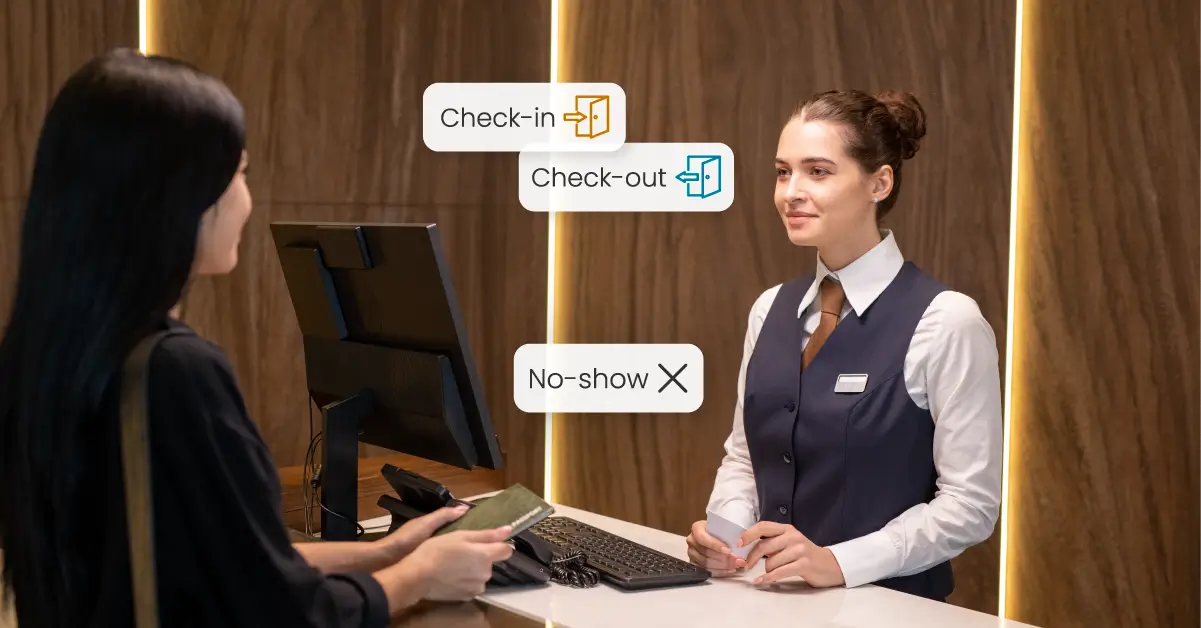
- Mobile Check-In: Many major hotel brands now offer mobile check-in through their apps. You can complete most of the formalities before even arriving at the property, selecting your room, and sometimes even receiving a digital key on your smartphone. This bypasses the front desk entirely, saving valuable time, especially after a long journey to cities like Singapore or Dubai.
- Self-Service Kiosks: Increasingly common in airports and hotels, self-service kiosks allow guests to check themselves in, issue room keys, and even handle express check-out. These are particularly useful for those who prefer a quick, independent process and are often found in modern hotels aimed at tech-savvy travelers.
- Keyless Entry: Digital keys, delivered to your smartphone or smartwatch, are becoming more prevalent. This not only offers convenience but also an added layer of security, making your stay at an apartment or a villa feel even more seamless.
The Perks of Loyalty Programs and Elite Status
Hotel loyalty programs are designed to reward frequent guests with a range of benefits that can significantly improve the check-in experience and overall stay.
- Priority Check-In: Elite members often have dedicated check-in lines or receive priority service, reducing wait times.
- Complimentary Upgrades: Higher-tier members frequently receive complimentary room upgrades, which can lead to a more luxurious experience, such as a suite or a room with a better view, transforming a standard trip into luxury travel.
- Guaranteed Early Check-In/Late Check-Out: As mentioned, many programs offer guaranteed late check-out (often until 4:00 PM) for elite members, and sometimes even early check-in, subject to availability.
- Personalized Service: Hotels often recognize and reward their loyal guests with personalized service, remembering preferences and making the check-in process feel more exclusive. Joining programs like World of Hyatt or Accor Live Limitless is a smart move for any regular traveler.
Special Considerations for Different Accommodation Types and Travel Styles
While the general principles of check-in remain consistent, various types of accommodation and diverse travel styles necessitate specific considerations. Understanding these nuances ensures that your check-in experience aligns perfectly with your expectations and needs.
Resorts, Apartments, and Villas: Unique Check-In Protocols
The traditional hotel check-in desk isn’t universal. Other accommodation types often have different systems:
- Resorts: Large resorts, especially all-inclusive properties in destinations like Cancun or Phuket, may have dedicated reception areas or welcome lounges separate from a main hotel building. Check-in can be a more elaborate process, sometimes involving welcome drinks or guided tours to familiarize you with the extensive amenities. Due to the sheer scale and array of activities, their check-in times are usually quite firm to manage the flow of guests and ensure all facilities are ready.
- Serviced Apartments and Villas: These types of accommodation often operate with leaner staff or a decentralized management. Check-in might involve collecting keys from a lockbox, a nearby office, or meeting a representative at the property at a pre-arranged time. Check-in times for apartments and villas can sometimes be later (e.g., 4:00 PM or 5:00 PM) to allow for thorough cleaning, especially if they are frequently rented for long-term stay or larger groups. Clear communication about arrival times is even more critical here.
- Boutique Hotels and Guesthouses: Smaller, independent establishments often pride themselves on personalized service. Check-in might be more informal, with the owner or manager personally greeting you. While this can lead to greater flexibility, it’s still best to communicate your arrival time to ensure someone is there to welcome you.
Business Travel vs. Leisure: Prioritizing Flexibility
The needs of a business traveler differ significantly from those on a leisure trip.
- Business Travelers: Time is often of the essence. Business travelers prioritize efficiency and flexibility. They often need to check in swiftly, potentially require early check-in to prepare for meetings, or a late check-out to accommodate a flight after a full day of work. Hotels catering to business stays often have amenities like express check-in, 24-hour business centers, and robust Wi-Fi to support these needs. They might also be more inclined to offer complimentary early check-in/late check-out to corporate clients.
- Leisure Travelers: For those on vacation, the focus is on relaxation and enjoying the experiences. While convenience is still valued, leisure travelers might be more willing to store luggage and explore for a few hours if their room isn’t ready. Family trips especially need a smooth check-in to avoid overtired children, often benefiting from hotels with family-friendly amenities and potentially more flexible policies.
Managing Check-In for Family Trips and Group Bookings
Traveling with family or as part of a group adds another layer of complexity to check-in.
- Family Trips: Arriving with children, especially young ones, makes early access to your room a high priority. Being able to unpack, let children nap, or access baby amenities can significantly reduce travel stress. Always communicate these needs in advance. Opting for a suite or adjoining rooms can also make the initial settling-in period easier.
- Group Bookings: For large groups, such as those traveling for a wedding, a sports event, or a corporate retreat, coordinating check-in for multiple rooms can be challenging. It’s often best to designate one or two individuals to handle the check-in process for the entire group, especially if pre-registration hasn’t been arranged. Hotels may also have dedicated group check-in desks to expedite the process. Ensuring all names on the reservation match IDs is crucial to prevent delays.
Maximizing Your Travel Day: Beyond the Check-In Desk
A hotel check-in time, while important, should never dictate the entirety of your travel day. With a little foresight and strategic planning, you can seamlessly integrate your arrival and departure into your itinerary, ensuring every moment of your trip is utilized to its fullest.
Planning Around Local Attractions and Landmarks
If you find yourself with several hours between your arrival and check-in, or after check-out and before your departure, view this as an opportunity, not an inconvenience.
- Strategic Sightseeing: Plan to visit attractions or landmarks that are close to your hotel or along your route. In Rome, you might store your luggage and head directly to the Colosseum or Roman Forum. If you are in Mexico City, visiting the National Museum of Anthropology might be a great option.
- Local Culture and Food Experiences: Immerse yourself in the local culture by exploring nearby markets, cafes, or parks. This is an ideal time to sample local food and experience the authentic rhythm of your destination without the pressure of an immediate schedule. Many travel guides offer suggestions for short excursions.
- Relaxation: Sometimes, the best use of this time is simply to relax. Find a comfortable cafe, enjoy a book, or people-watch. This can be particularly beneficial after a long journey to cities like Sydney or Rio de Janeiro.
Utilizing Hotel Amenities Before Your Room Is Ready
Even if your room isn’t available, the hotel’s common areas and amenities are often accessible.
- Fitness and Wellness: Many hotels allow guests to use the gym, pool, or spa facilities even before check-in or after check-out. A refreshing swim or a workout can be a great way to shake off travel fatigue.
- Dining and Refreshments: Grab a meal or a snack at the hotel restaurant or cafe. This offers a convenient way to refuel while staying close to the reception area, making it easy to check back for your room.
- Business Centers and Lounges: For business stays, utilizing the hotel’s business center or executive lounge (if you have access) can be productive. For leisure, a comfortable lounge is a perfect spot to unwind.
Stress-Free Travel: A Holistic Approach
Ultimately, a truly stress-free travel experience involves a holistic approach to planning, where every detail, including check-in times, is considered.
- Research and Reviews: Before booking accommodation, check reviews for mentions of flexibility with check-in/out. Some properties are known for being more accommodating than others.
- Booking Direct vs. OTAs: Booking directly with the hotel sometimes offers more leverage for special requests like early check-in or late check-out, as they have direct control over the reservation.
- Be Prepared: Always have your booking confirmation, identification, and payment method readily available. A smooth check-in starts with being organized.
- Patience and Politeness: Hospitality staff work hard to accommodate guests. A polite and understanding demeanor can often go a long way in securing favors or finding solutions.
By understanding the standard check-in times, knowing how to proactively communicate your needs, leveraging technology and loyalty programs, and adapting to different accommodation types, you can transform a potential logistical hurdle into a smooth, enjoyable part of your overall travel experience. This empowers you to truly unlock the full potential of your trip, allowing you to focus on creating unforgettable memories rather than worrying about the clock.
LifeOutOfTheBox is a participant in the Amazon Services LLC Associates Program, an affiliate advertising program designed to provide a means for sites to earn advertising fees by advertising and linking to Amazon.com. Amazon, the Amazon logo, AmazonSupply, and the AmazonSupply logo are trademarks of Amazon.com, Inc. or its affiliates. As an Amazon Associate we earn affiliate commissions from qualifying purchases.