
Pet insurance in California is an increasingly popular consideration for pet owners seeking to safeguard their beloved companions against unexpected veterinary expenses. The Golden State, known for its vibrant lifestyle and high cost of living, also sees a corresponding trend in the pricing and availability of pet insurance. Understanding the factors that influence these costs, the types of coverage available, and how to navigate the market is crucial for making an informed decision that best suits both your pet’s needs and your financial situation.
Understanding the Cost Factors for Pet Insurance in California
The premium you’ll pay for pet insurance in California is not a one-size-fits-all figure. Several variables contribute to the overall cost, and recognizing these can help you anticipate potential expenses.
Pet-Specific Factors
- Breed: Certain breeds are predisposed to specific genetic conditions or chronic illnesses. For example, Golden Retrievers may be more prone to hip dysplasia, while Maine Coons can have a higher risk of hypertrophic cardiomyopathy. Insurers factor these breed-specific risks into their pricing, often leading to higher premiums for breeds with a documented history of costly health issues.
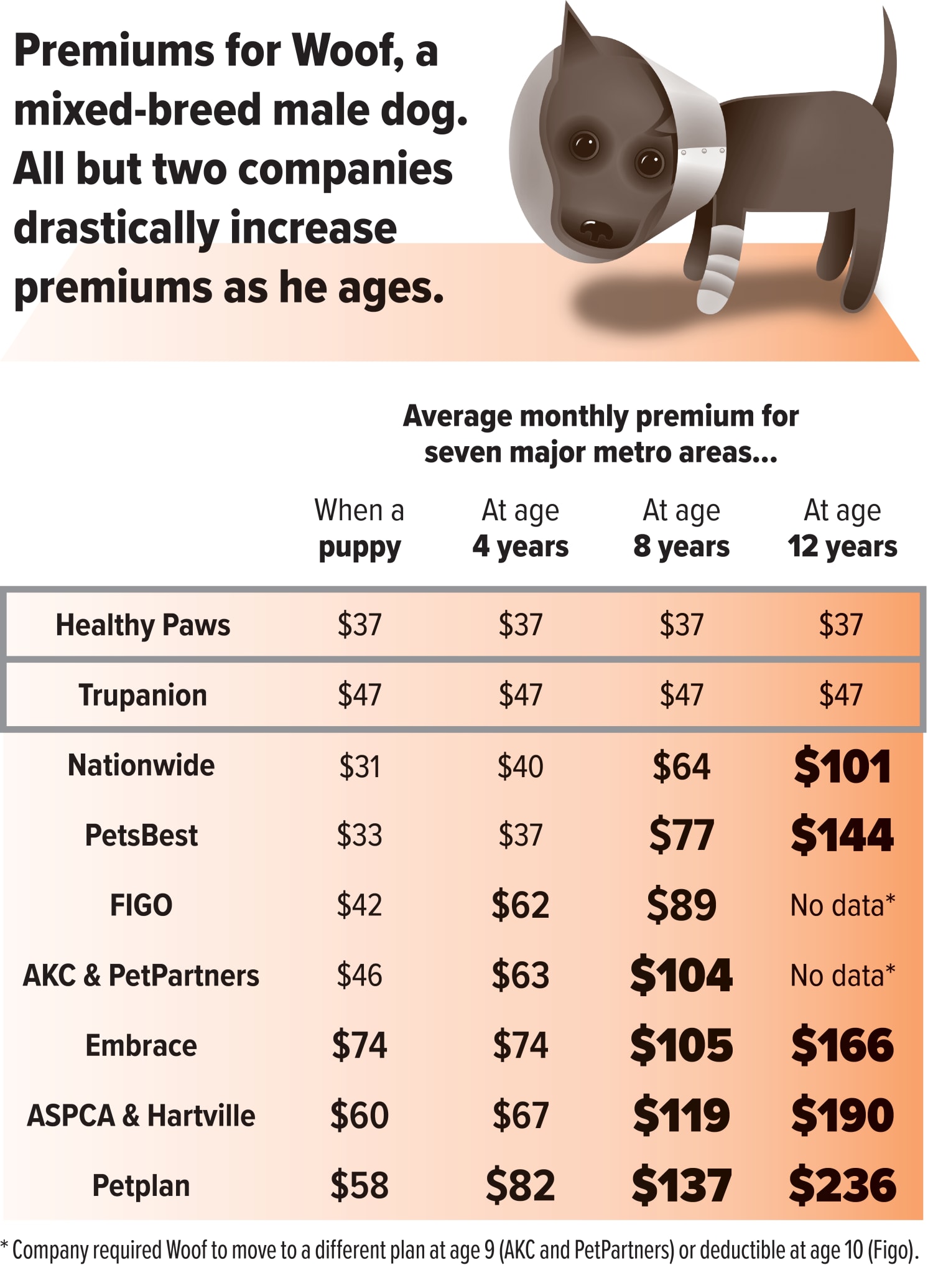
- Age: Just as with human health insurance, the age of your pet significantly impacts premiums. Younger pets are generally healthier and less likely to require extensive veterinary care, resulting in lower insurance costs. As pets age, their risk of developing illnesses or requiring more frequent treatments increases, leading to a rise in insurance premiums. Some providers may have age limits for enrollment or offer reduced coverage for older pets.
- Species: While dogs and cats are the most common pets insured, their respective coverage costs can differ. Historically, dogs have sometimes commanded slightly higher premiums due to a wider range of potential injuries and illnesses, as well as the higher cost of some veterinary procedures for larger breeds. However, this can vary between insurers.
Coverage Options and Policy Details
The choices you make regarding your policy’s structure will directly affect its price.
- Deductible: This is the amount you pay out-of-pocket before your insurance coverage kicks in. Higher deductibles generally lead to lower monthly premiums, but you’ll be responsible for more of the initial veterinary bill. Common deductible options range from $100 to $1,000 or more, often available as a per-incident or annual deductible.
- Reimbursement Percentage: After meeting your deductible, your insurance policy will reimburse you for a percentage of the covered veterinary costs. Common reimbursement levels include 70%, 80%, or 90%. A higher reimbursement percentage means the insurer pays a larger portion of the bill, but it also results in a higher premium.
- Annual Maximum Payout: This is the maximum amount your insurance provider will pay out in a policy year. Policies with higher annual maximums typically have higher premiums. For comprehensive peace of mind, many owners opt for plans with unlimited annual payouts, though these come at a premium.
- Coverage Type: The type of plan chosen is a primary cost driver.
- Accident-Only Plans: These are the most basic and usually the least expensive. They cover veterinary costs resulting from accidents, such as injuries from a car collision or ingesting a foreign object.
- Accident and Illness Plans: These are the most popular and offer broader protection, covering both accidental injuries and a wide range of illnesses, including infections, digestive issues, cancer, and hereditary conditions.
- Wellness Plans (Add-ons): While not typically part of core insurance, many providers offer optional wellness add-ons to cover routine care like vaccinations, annual check-ups, and preventative treatments. These will increase your overall premium.
Geographic Location within California
While California as a whole has higher veterinary costs than many other states, there can be regional variations. Areas with a higher cost of living, such as Los Angeles or San Francisco, might see slightly higher premiums due to the increased cost of veterinary services in those metropolitan areas.
Typical Cost Ranges for Pet Insurance in California
Given the multitude of influencing factors, providing a precise dollar amount for pet insurance in California is challenging. However, based on industry averages and regional considerations, we can offer a general range.
For Dogs
For a medium-sized dog, typically a mixed breed or a common breed like a Labrador Retriever, monthly premiums for a comprehensive accident and illness plan in California can range from approximately $30 to $70.
- Younger Dogs (under 3 years): Premiums may fall within the lower end of this range, around $30-$50 per month.
- Adult Dogs (3-7 years): Expect premiums to be in the mid-range, perhaps $45-$65 per month.
- Senior Dogs (over 7 years): Premiums can climb to $60-$80 or more per month, reflecting the increased health risks associated with older age.
- Larger or High-Risk Breeds: Breeds like Bulldogs, German Shepherds, or those with known hereditary conditions might see premiums at the higher end or even exceed this range.
For Cats
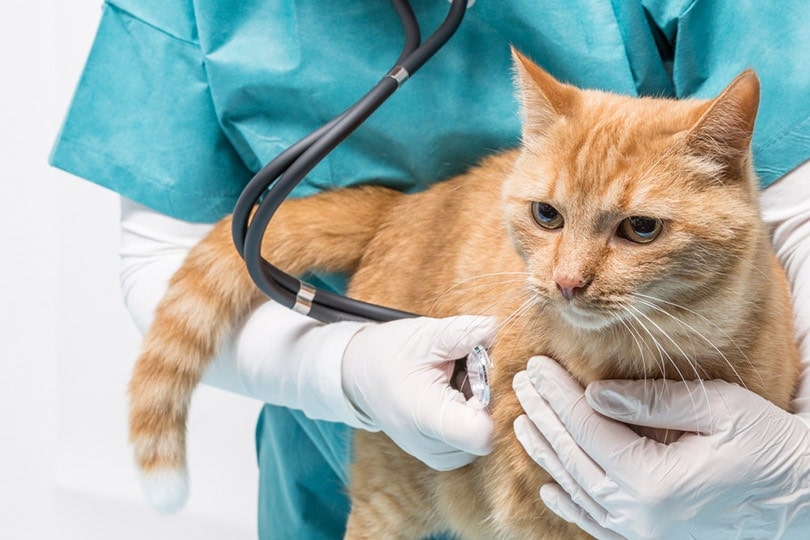
Cat insurance premiums are generally lower than those for dogs. For a healthy cat, monthly costs for a comprehensive accident and illness plan in California typically range from $15 to $40.
- Kittens (under 3 years): Premiums might be around $15-$25 per month.
- Adult Cats (3-7 years): Expect costs in the $20-$35 per month range.
- Senior Cats (over 7 years): Premiums can increase to $30-$45 or more monthly.
- Specific Breeds: Certain breeds with known genetic predispositions, such as Persians for respiratory issues or Ragdolls for potential kidney problems, could see slightly higher premiums.
It is important to remember that these are estimates. Individual quotes from different insurance providers will vary. Annual premiums for comprehensive coverage in California can therefore range from roughly $180 to over $900 for cats and $360 to over $1,000 for dogs, depending on all the factors discussed.
What Pet Insurance Typically Covers and Excludes
Understanding the scope of coverage is as vital as understanding the cost. Most comprehensive pet insurance policies in California are designed to cover unexpected veterinary bills for illnesses and accidents.
Common Inclusions
- Accidents: Injuries resulting from accidents, such as broken bones, cuts, poisoning, or swallowing foreign objects.
- Illnesses: A wide range of medical conditions, including infections (ear, skin, urinary tract), digestive issues, respiratory illnesses, cancer treatments (chemotherapy, radiation), diabetes, and more.
- Surgery: Costs associated with surgical procedures, including anesthesia and hospitalization.
- Diagnostic Tests: X-rays, blood tests, ultrasounds, and MRIs/CT scans when prescribed for a covered condition.
- Emergency Care: Treatment at emergency veterinary clinics.
- Hospitalization: Costs for overnight stays and intensive care if required.
- Medications: Prescription drugs prescribed for covered conditions.
- Hereditary and Congenital Conditions: Many policies cover these conditions, provided they were not pre-existing at the time of enrollment and are not subject to specific waiting periods. Examples include hip dysplasia, certain heart conditions, and some eye disorders.
- Specialist Care: Visits to veterinary specialists (e.g., oncologists, cardiologists) for complex diagnoses and treatments.
Common Exclusions
It’s equally important to be aware of what pet insurance typically does not cover. These exclusions are standard across most providers.
- Pre-existing Conditions: Conditions that showed signs or were diagnosed before the policy’s effective date or during the waiting period. This is the most common exclusion.
- Elective Procedures: Procedures not deemed medically necessary, such as cosmetic surgery or tail docking/ear cropping (unless medically required due to injury).
- Routine and Preventative Care: Standard wellness visits, vaccinations, flea and tick treatments, heartworm prevention, and dental cleanings, unless a specific wellness rider is purchased.
- Breeding Costs: Expenses related to pregnancy, whelping, or breeding.
- Behavioral Therapy: Treatment for behavioral issues, although some plans may offer limited coverage for anxiety or phobias stemming from an injury.
- Experimental Treatments: Therapies or treatments that are not yet widely accepted or proven.
- Food and Supplements: Unless specifically prescribed for a covered medical condition.
- Grooming: Standard grooming costs.
- Damage to Property: Any damage your pet might cause.
Always read your policy documents carefully to understand the specific terms, conditions, and exclusions offered by your chosen insurer in California.
Navigating the California Pet Insurance Market
Choosing the right pet insurance policy involves more than just comparing prices. It requires a strategic approach to ensure you get the best value and protection for your pet.
Research and Compare Providers
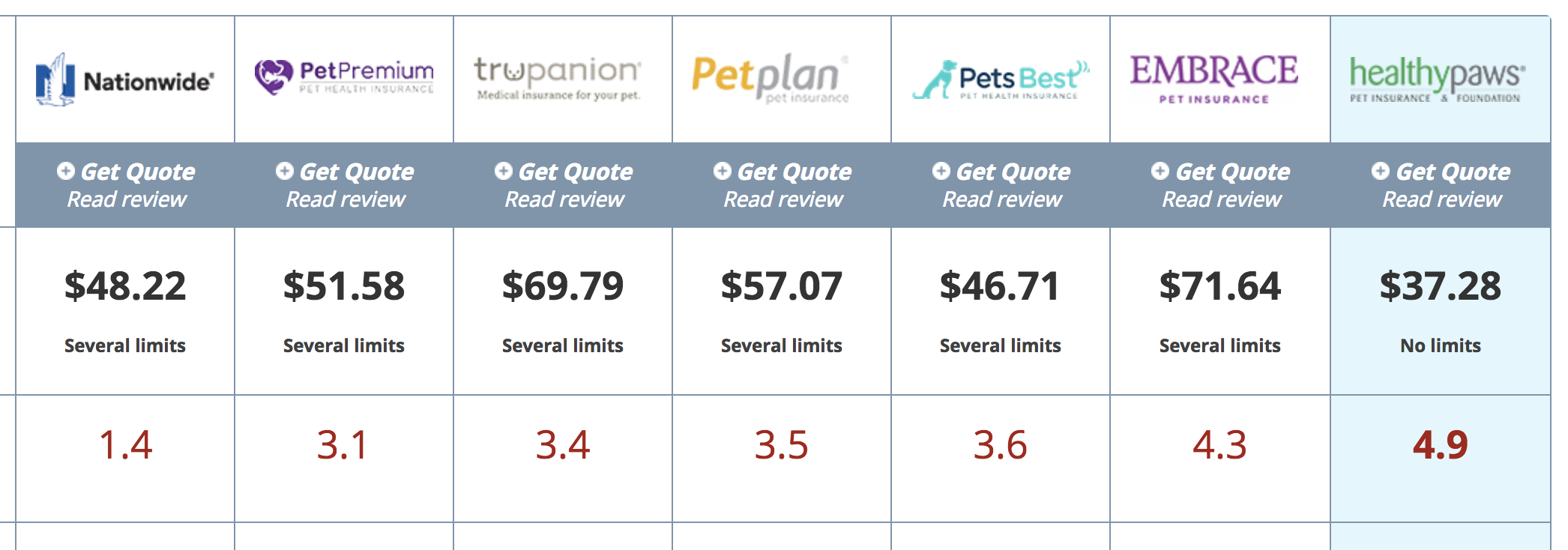
Several reputable pet insurance companies operate in California. Take the time to get quotes from multiple providers. Look beyond the monthly premium and consider:
- Customer Reviews: What is the overall satisfaction of policyholders?
- Claim Processing Speed and Ease: How easy is it to submit a claim, and how quickly are they typically processed?
- Reputation and Financial Stability: Is the company well-established and financially sound?
- Customer Service: Is their support team responsive and helpful?
Understand Waiting Periods
Most pet insurance policies have waiting periods before coverage for illnesses and accidents becomes active. This can range from a few days to several months. Some conditions, like orthopedic issues, might have longer waiting periods. Be sure to clarify these timelines when purchasing your policy.
Consider Your Budget and Risk Tolerance
Your financial situation and how much risk you’re willing to bear will influence your choices regarding deductibles, reimbursement percentages, and annual maximums. A higher deductible means lower monthly costs but higher out-of-pocket expenses if you need to make a claim. Conversely, a lower deductible and higher reimbursement percentage will increase your monthly premium but reduce your immediate costs during a veterinary emergency.
Advocate for Your Pet’s Health
Pet insurance is an investment in your pet’s well-being and your financial peace of mind. By understanding the cost factors, coverage details, and market options available in California, you can make an informed decision that provides a safety net for your furry family member’s health needs. Regular veterinary check-ups and preventative care remain essential, even with insurance, to ensure your pet enjoys a long and healthy life.
LifeOutOfTheBox is a participant in the Amazon Services LLC Associates Program, an affiliate advertising program designed to provide a means for sites to earn advertising fees by advertising and linking to Amazon.com. Amazon, the Amazon logo, AmazonSupply, and the AmazonSupply logo are trademarks of Amazon.com, Inc. or its affiliates. As an Amazon Associate we earn affiliate commissions from qualifying purchases.