
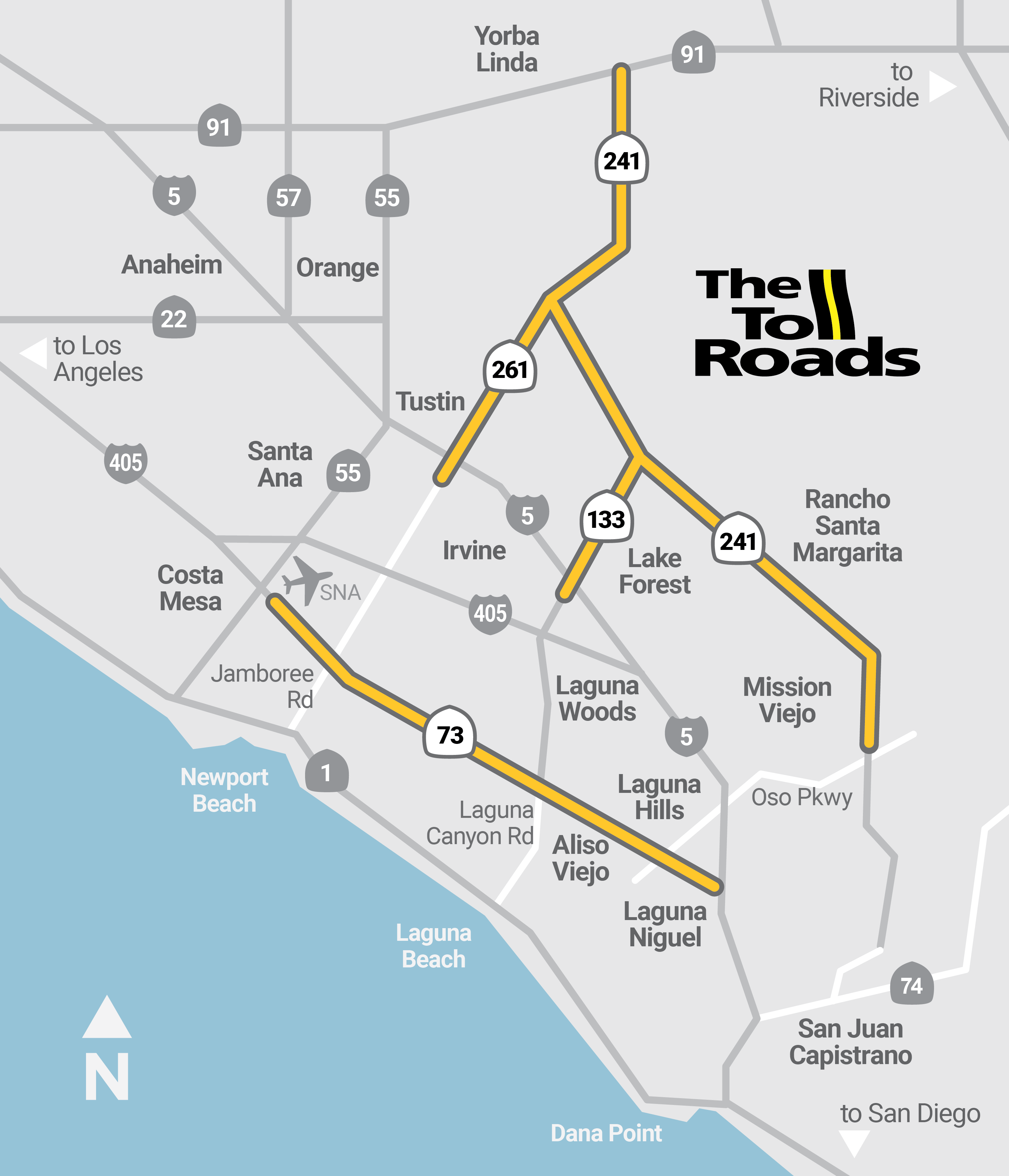
The California State Route 73, often known as the 73 Toll Road, is a significant artery within the sprawling Orange County freeway system. For many travelers navigating the region, understanding the cost of utilizing this convenient, often faster, alternative to congested surface streets is paramount to their journey planning. This guide delves into the pricing structure of the 73 Toll Road, offering insights into how tolls are calculated and providing practical advice for drivers to manage these expenses effectively. Whether you’re a local commuter seeking to optimize your daily drive or a visitor exploring the attractions of Southern California, knowing the toll rates can help you budget your travel and make informed decisions on the road.

Understanding the 73 Toll Road Pricing Structure
The 73 Toll Road operates on a dynamic pricing model, meaning the toll rates are not fixed but can vary based on several factors. This approach is common in tolling systems designed to manage traffic flow and optimize revenue. The primary determinants of the toll amount are the time of day and the direction of travel.
Time of Day and Peak Hours
Like many major roadways, the 73 Toll Road experiences significant traffic congestion during traditional commute hours. To incentivize off-peak travel and to help fund infrastructure improvements and maintenance, toll rates are typically higher during these peak periods.
- Peak Hours: Generally, peak hours are defined as weekdays during the morning and afternoon/evening commute times. These periods usually extend from early morning (e.g., 6:00 AM to 10:00 AM) and late afternoon into the evening (e.g., 3:00 PM to 7:00 PM). During these times, drivers can expect the highest toll charges. The exact start and end times may vary slightly, so it’s always advisable to check the latest information from the Transportation Corridor Agencies (TCA), the agency that manages the 73 Toll Road.
- Off-Peak Hours: Conversely, travel during off-peak hours—which include midday, late evenings, nights, and weekends—will generally incur lower toll rates. This pricing strategy aims to distribute traffic more evenly throughout the day, reducing congestion during peak times and offering a cost-effective option for those with flexible travel schedules.
Direction of Travel
The 73 Toll Road is a north-south freeway. The direction of travel can also influence the toll amount, although this is often a secondary factor compared to the time of day. Historically, traffic patterns have dictated that northbound travel during the morning commute and southbound travel during the afternoon/evening commute are the most congested. Consequently, tolls might be adjusted to reflect these directional demands. However, the TCA’s tolling system is sophisticated, and drivers should always confirm current rates for both directions.
Distance Traveled
While the 73 Toll Road is a relatively continuous stretch of tollway, its pricing is primarily based on a zone system rather than a per-mile charge. This means that as you enter different segments or “zones” of the toll road, the toll amount will accumulate. Drivers who use only a portion of the 73 Toll Road will pay less than those who traverse its entire length. The specific zones and their associated toll costs are detailed on the TCA website.
Payment Methods and Account Options
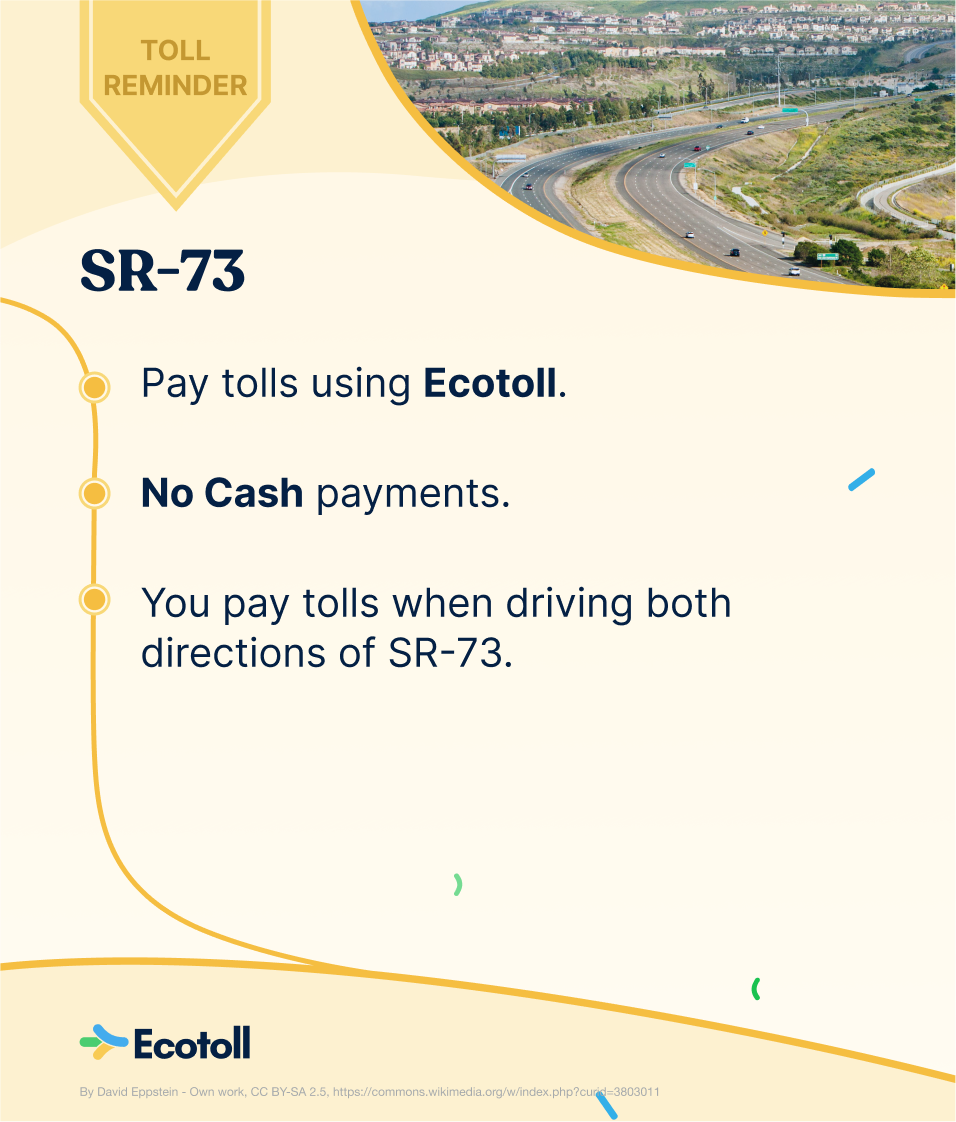
Navigating the 73 Toll Road and managing your toll payments is designed to be convenient, with various options available to suit different driving habits. The primary method of toll collection is electronic, eliminating the need for cash payments at toll booths.
FasTrak and Other Transponders
The most common and often the most cost-effective way to pay tolls on the 73 Toll Road is by using a transponder. The FasTrak transponder, widely used across California, is accepted. When you travel on a toll road with a FasTrak device, the toll is automatically deducted from your linked account. Many drivers opt for FasTrak because it often provides a small discount compared to pay-as-you-go or bill-by-mail options, and it ensures you never miss a payment. Other compatible transponders from different toll agencies in California may also be accepted, so it’s wise to check for interoperability if you frequently travel on toll roads in the state.
ExpressAccount and Toll-by-Plate
For those who don’t have a transponder or travel on the 73 Toll Road infrequently, the Transportation Corridor Agencies offer an “ExpressAccount.” This is a pay-as-you-go system where you can set up an account online and link your vehicle’s license plate. You pre-fund the account, and as you use the toll road, the tolls are deducted. This offers a balance between convenience and cost savings compared to billing by mail.
If you do not have a transponder or an ExpressAccount, you will be subject to the “Toll-by-Plate” system. In this scenario, the TCA captures your license plate image and sends a bill to the registered owner of the vehicle. While this method is straightforward, it typically incurs a higher toll rate per transaction to cover administrative costs, making it the least economical option. It’s crucial to pay these bills promptly to avoid late fees and potential penalties.
Setting Up Your Account
Setting up an ExpressAccount or FasTrak account is a straightforward process. Most accounts can be opened and managed online through the TCA website or the FasTrak website. You’ll need to provide your vehicle information, a payment method (credit card or bank account), and choose your desired account type. For those who frequently drive in Southern California, having a pre-established account is highly recommended to ensure seamless travel and the best possible toll rates.
Navigating and Budgeting Your 73 Toll Road Expenses
To effectively manage the costs associated with the 73 Toll Road, understanding current toll rates and planning your trips can make a significant difference. The dynamic nature of the tolls means that a little foresight can lead to considerable savings.
Real-Time Toll Information
The most reliable source for current toll rates is the official Transportation Corridor Agencies (TCA) website. They provide detailed toll charts that are updated regularly, reflecting the time of day, direction of travel, and any special event pricing that might be in effect. Many GPS navigation apps also integrate real-time toll information, offering an estimated cost for your planned route. However, it is always best practice to cross-reference this information with the official TCA sources for the most accurate data. For frequent commuters, subscribing to email or app notifications from the TCA can be a useful way to stay informed about any changes or upcoming adjustments to toll rates.
Cost-Saving Strategies
Several strategies can help drivers minimize their expenses on the 73 Toll Road:
- Travel Off-Peak: As highlighted, the most significant way to save money is by traveling during off-peak hours. If your schedule allows for flexibility, shifting your travel outside of the morning and afternoon commute times can result in substantially lower tolls.
- Utilize a Transponder: Using a FasTrak transponder or a compatible electronic toll collection device is crucial. These devices generally offer discounted rates compared to pay-by-mail or Toll-by-Plate, and they streamline the payment process, preventing potential late fees.
- Consider Express Lanes: In some areas, toll roads are accompanied by additional “express lanes” which may have different pricing structures. While not directly applicable to the entire 73 Toll Road itself, understanding the concept of tiered pricing can be beneficial when comparing options in Orange County.
- Plan Your Route: For shorter trips within Orange County, evaluate whether the time savings offered by the 73 Toll Road justify the toll cost. Sometimes, taking surface streets, despite being slower, can be a more economical choice for very short distances. Navigation apps can help you compare travel times and estimated costs for different routes.
Understanding the Value Proposition
While tolls represent an additional cost for using the 73 Toll Road, it’s important to consider the value they provide. The toll road offers a reliable, congestion-free alternative to the often gridlocked surface streets and other non-tolled freeways in the area. For businesses that depend on timely deliveries, for commuters who value their time, or for tourists trying to maximize their sightseeing in places like Disneyland or the beaches of Laguna Beach, the predictable travel times and reduced stress can be well worth the expense. The revenue generated from these tolls is directly invested back into the maintenance, operation, and improvement of the toll road system, ensuring its continued efficiency and safety.
Practical Tips for Drivers Using the 73 Toll Road
For anyone planning to use the 73 Toll Road, a few practical tips can enhance your experience and ensure smooth, cost-effective travel. Being prepared is key to avoiding unexpected charges and potential issues.
Before You Drive
- Check Current Toll Rates: Before embarking on your journey, especially if it’s during peak hours, visit the Transportation Corridor Agencies website to review the most up-to-date toll rates. This will give you an accurate estimate of the cost for your trip.
- Ensure Your Transponder is Working: If you use a FasTrak or other transponder, make sure it is properly installed, has sufficient funds in its linked account, and is functioning correctly. A malfunctioning transponder can lead to billing errors.
- Verify Account Information: For ExpressAccount users, confirm that your linked license plate number is correct and that your payment method is current and active. Any discrepancies can cause delays in payment processing.
While on the Road
- Observe Signage: Keep an eye on the overhead signs as you approach and travel on the 73 Toll Road. These signs often display current toll rates and indicate the direction of travel, helping you stay informed.
- Maintain Safe Speeds: The 73 Toll Road is designed for efficient travel, but it’s essential to adhere to posted speed limits and drive safely, particularly in dynamic traffic conditions.
- Be Aware of Exits: Plan your exits in advance. While the tolling system is generally automated, knowing where you need to exit helps you prepare for any potential changes in lane configurations or traffic flow leading up to your exit.
After Your Trip
- Review Your Account: Periodically check your FasTrak or ExpressAccount statements to ensure all transactions are accurate. This is also a good way to track your toll expenses over time.
- Address Billing Inquiries Promptly: If you receive a bill or encounter any issues with your toll charges, contact the Transportation Corridor Agencies customer service as soon as possible. Timely communication can help resolve problems and prevent them from escalating.
By incorporating these tips into your travel routine, you can make your experience on the California State Route 73 as smooth and cost-effective as possible, allowing you to enjoy the benefits of this vital transportation link in Southern California.
LifeOutOfTheBox is a participant in the Amazon Services LLC Associates Program, an affiliate advertising program designed to provide a means for sites to earn advertising fees by advertising and linking to Amazon.com. Amazon, the Amazon logo, AmazonSupply, and the AmazonSupply logo are trademarks of Amazon.com, Inc. or its affiliates. As an Amazon Associate we earn affiliate commissions from qualifying purchases.