
Navigating the nuances of traffic laws is an essential part of responsible driving, especially when you’re exploring new regions like California. While enjoying the scenic beauty of the Golden Gate Bridge or the vibrant energy of Los Angeles, it’s crucial to remain aware of and adhere to local regulations. One such regulation that has gained prominence in recent years concerns the use of cell phones while driving. This article delves into the specifics of cell phone ticket costs in California, offering clarity for both residents and visitors alike.
Understanding California’s Hands-Free Law
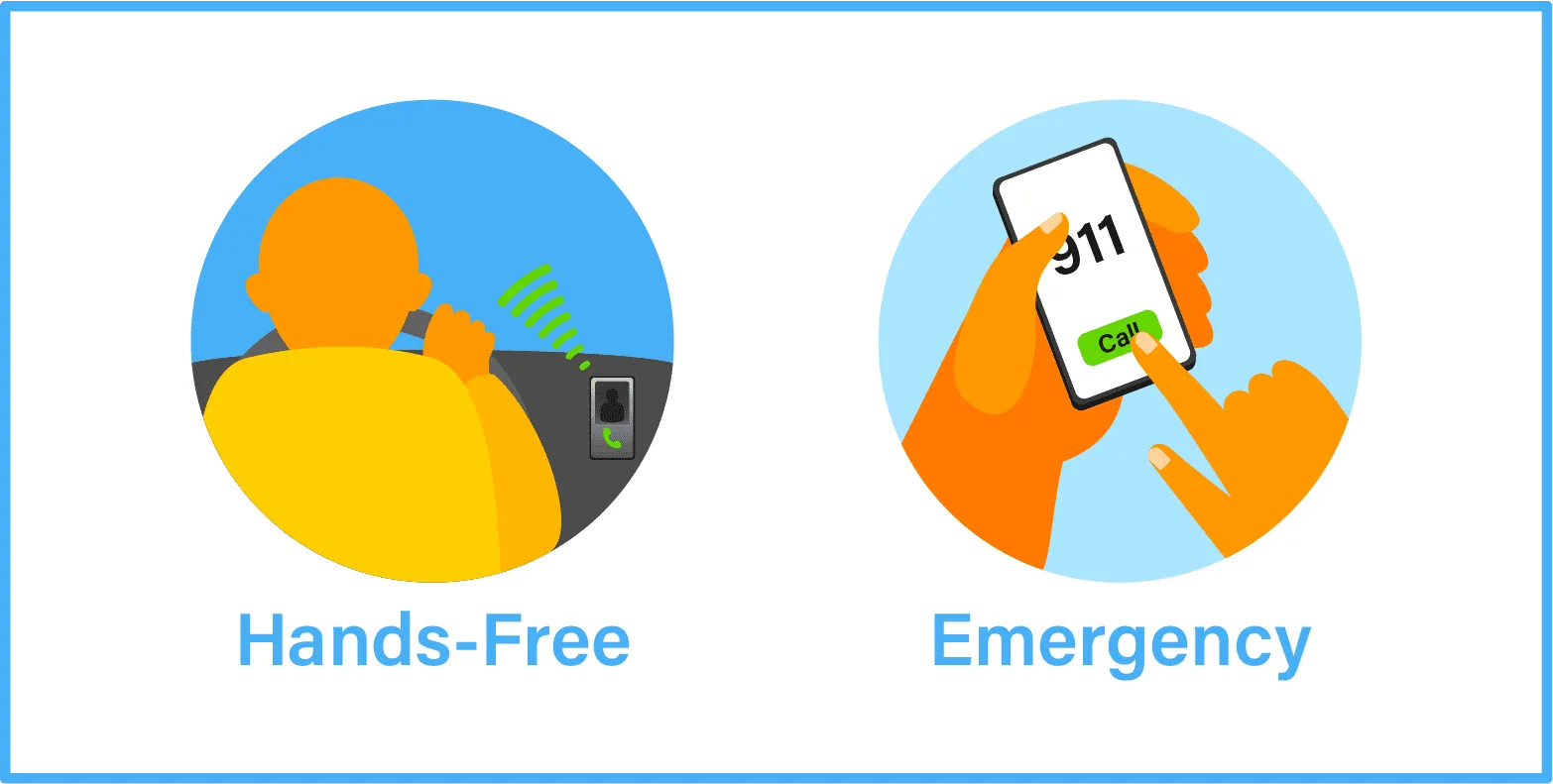
California has implemented strict laws to curb distracted driving, with a primary focus on cell phone usage. The core of these regulations revolves around a hands-free mandate. This means that drivers are generally prohibited from holding or supporting a cell phone with any part of their body while operating a vehicle. This law is designed to significantly reduce the risk of accidents stemming from drivers being preoccupied with their devices.
The Legal Framework: What Constitutes a Violation?
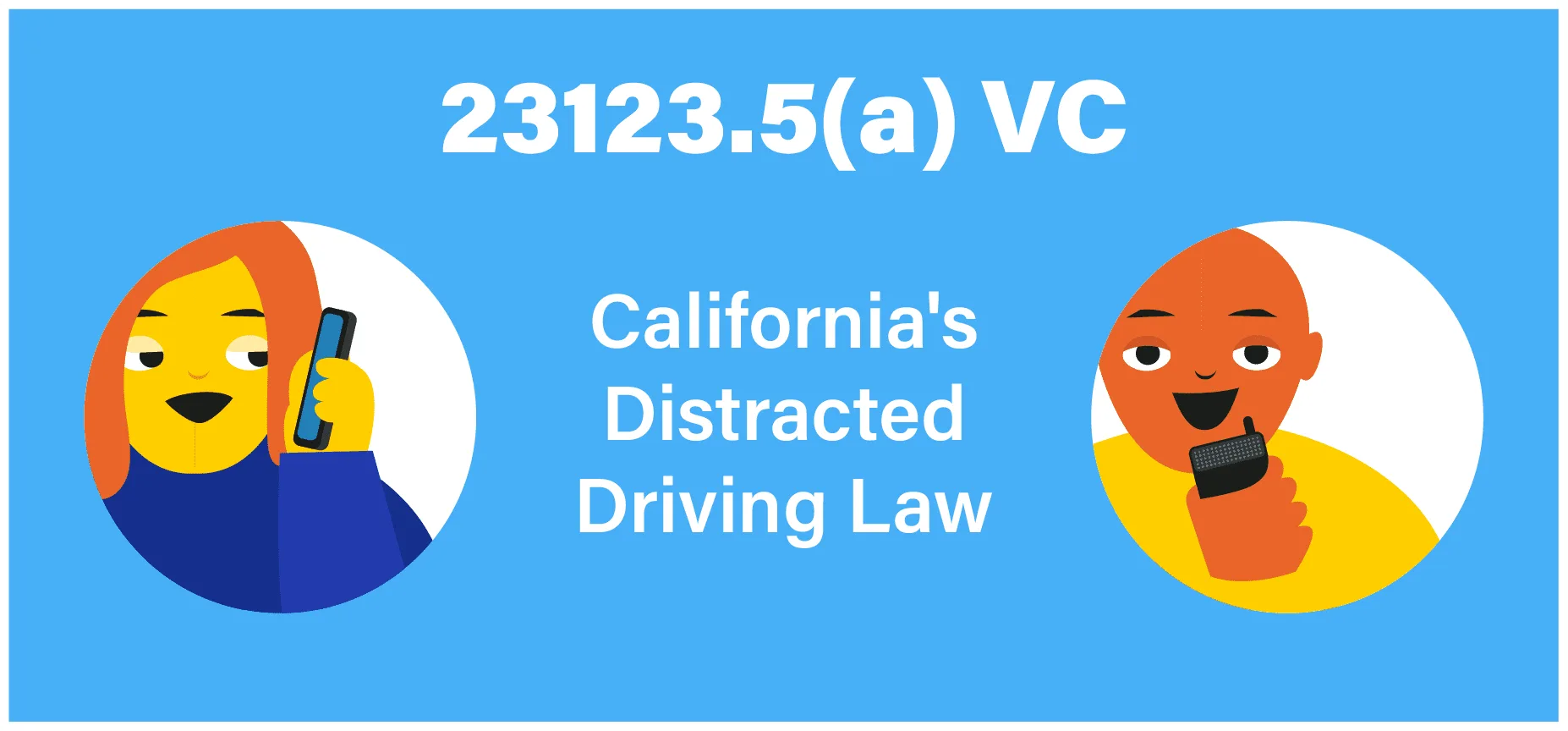
The definition of a violation under California Vehicle Code (CVC) Section 23123.5 is quite clear. It prohibits any person driving a motor vehicle from holding a wireless telephone or using a hands-free device to engage in a call. It’s important to note that “using” encompasses not just talking but also engaging in any function on the device, such as texting, emailing, or browsing the internet. The law specifically targets the physical act of holding the phone while driving, making it illegal even if the phone is not actively in use for a call.
Specific Prohibitions
- Holding the Phone: This is the most straightforward violation. If an officer observes you holding your phone in your hand or supporting it with your body while driving, it can result in a ticket. This applies whether you are talking, texting, or simply navigating.
- Using a Handheld Device: Even if you’re not holding the phone directly, using it in any capacity without a hands-free setup is illegal. This includes typing messages, scrolling through contacts, or even adjusting GPS settings if done by hand.
- Exemptions: There are limited exemptions to this law. For instance, drivers using a cell phone to call 911 in an emergency situation are permitted to do so. Additionally, drivers in vehicles like tow trucks or other commercial vehicles may have specific allowances under certain circumstances related to their work. However, for the average traveler, these exemptions are rarely applicable.
The Rationale Behind the Law
The proliferation of smartphones has unfortunately led to a surge in distracted driving incidents. Studies have consistently shown that using a cell phone while driving, even for a brief period, significantly impairs a driver’s ability to react to their surroundings. This impairment can be as dangerous as driving under the influence of alcohol. California’s stringent hands-free law is a proactive measure to enhance road safety for everyone, from those commuting to work in San Francisco to tourists exploring national parks like Yosemite.
The Cost of a Cell Phone Ticket in California
The financial implications of a cell phone ticket in California are not as straightforward as a single fixed fine. The total cost is a combination of the base fine and several state and county penalties, fees, and assessments. This means the actual amount you pay can vary significantly depending on the specific county where the ticket is issued and other administrative charges.
Base Fine and Add-ons
The base fine for a first-time violation of the cell phone law in California is typically around $20. However, this is merely the starting point. To this base fine, numerous surcharges, fees, and penalty assessments are added. These are often referred to as “penalty points” or “administrative fees” and are applied by both the state and local courts.
These add-ons can quickly escalate the total cost. For a first offense, the total amount due often ranges from $100 to $150. This significant increase from the base fine is a common characteristic of traffic violations in California, aiming to cover the costs associated with the judicial system and traffic enforcement.
Subsequent Offenses
It is crucial to understand that California law treats subsequent offenses more severely. If you are cited for a second violation of the hands-free law within 36 months of a prior conviction for the same offense, the penalties can increase. While the base fine might remain the same, the associated fees and assessments, and potentially court-ordered traffic school, can make the total cost considerably higher, potentially reaching upwards of $200 or more.
Furthermore, repeated violations can also lead to points on your driving record. Accumulating too many points can result in increased insurance premiums, and in severe cases, license suspension. For a tourist, this could complicate future travel plans or even lead to more significant legal issues if not addressed promptly.
Traffic School
In many cases, particularly for a first offense, a judge may offer the option to attend traffic school. Successfully completing traffic school typically allows the conviction to be held “off the books,” meaning it won’t appear on your official driving record and therefore won’t affect your insurance rates. However, attending traffic school often incurs additional fees, including the cost of the course itself and a traffic school administrative fee paid to the court. These fees can add another $50 to $100 to the overall cost, on top of the original ticket amount.
The eligibility for traffic school depends on several factors, including the nature of the violation, your driving record, and the specific court’s policies. It’s always advisable to inquire with the court clerk about your options if you receive a cell phone ticket.
Impact on Your Driving Record and Insurance
Receiving a cell phone ticket in California has implications that extend beyond the immediate financial cost. The conviction can have a lasting impact on your driving record and, consequently, your insurance premiums.
Points on Your Driving Record
A conviction for violating California’s hands-free law generally results in one point being added to your driving record. While a single point might not seem significant, multiple points within a certain timeframe can lead to more serious consequences. The California Department of Motor Vehicles (DMV) uses these points to monitor driver behavior. Accumulating too many points can trigger increased insurance rates, mandatory driver re-examination, or even license suspension.
For instance, accumulating four points in 12 months, six points in 24 months, or eight points in 36 months can lead to license probation. If you receive a ticket while on probation, it could result in license suspension. This is especially relevant for out-of-state drivers who might not be fully aware of the cumulative effect of traffic violations in California.
Insurance Premium Increases
Insurance companies use your driving record as a primary factor in determining your premiums. A conviction for a moving violation like using a cell phone while driving is often viewed as an indicator of higher risk. Consequently, insurance providers may increase your premium after you’ve been convicted of such an offense. The amount of the increase can vary widely depending on your insurance company, your driving history, and your location. Even a single ticket can lead to a noticeable rise in your insurance costs over the next few years.
For those who are not California residents and are visiting, it’s important to understand that your insurance company may be notified of the conviction, potentially affecting your rates in your home state as well. Maintaining a clean driving record is beneficial for cost savings and overall driving safety, whether you are driving in your hometown or on a vacation exploring destinations like San Diego.
Tips for Avoiding Cell Phone Tickets in California
The most effective way to deal with cell phone tickets is to avoid them altogether. Understanding the law and adopting safe driving habits can save you money, points on your record, and potential insurance increases.
Embrace Hands-Free Technology
California’s law is designed to encourage the use of hands-free devices. If you must use your phone for navigation or to take an important call, ensure your device is properly set up in a hands-free manner before you begin driving. This includes:
- Mounting Your Phone: Use a dashboard or vent mount for GPS navigation. Many modern vehicles also come with integrated GPS systems.
- Bluetooth or Voice Commands: Utilize Bluetooth connectivity or voice command features to make and receive calls without touching your phone.
- Pre-Programmed Navigation: Input your destination into your GPS or navigation app before you start your journey.
Minimize Distractions
Even with hands-free technology, it’s crucial to minimize distractions. Engaging in lengthy or complex conversations, even hands-free, can still divert your attention from the road. It’s best to keep conversations brief and focused. If a call is important or requires more attention, pull over to a safe location.
Pull Over for Phone Use
For any activity that requires you to physically interact with your phone – such as responding to texts, emails, or adjusting settings – the safest course of action is to pull over to a safe spot. This includes stopping in a parking lot or on the shoulder of the road (if it’s safe to do so). This ensures you are not violating the law and, more importantly, that you are not putting yourself or others at risk. This practice is a good habit to cultivate whether you are driving through the bustling streets of Sacramento or along the picturesque coast near Big Sur.
Be Aware of Your Surroundings
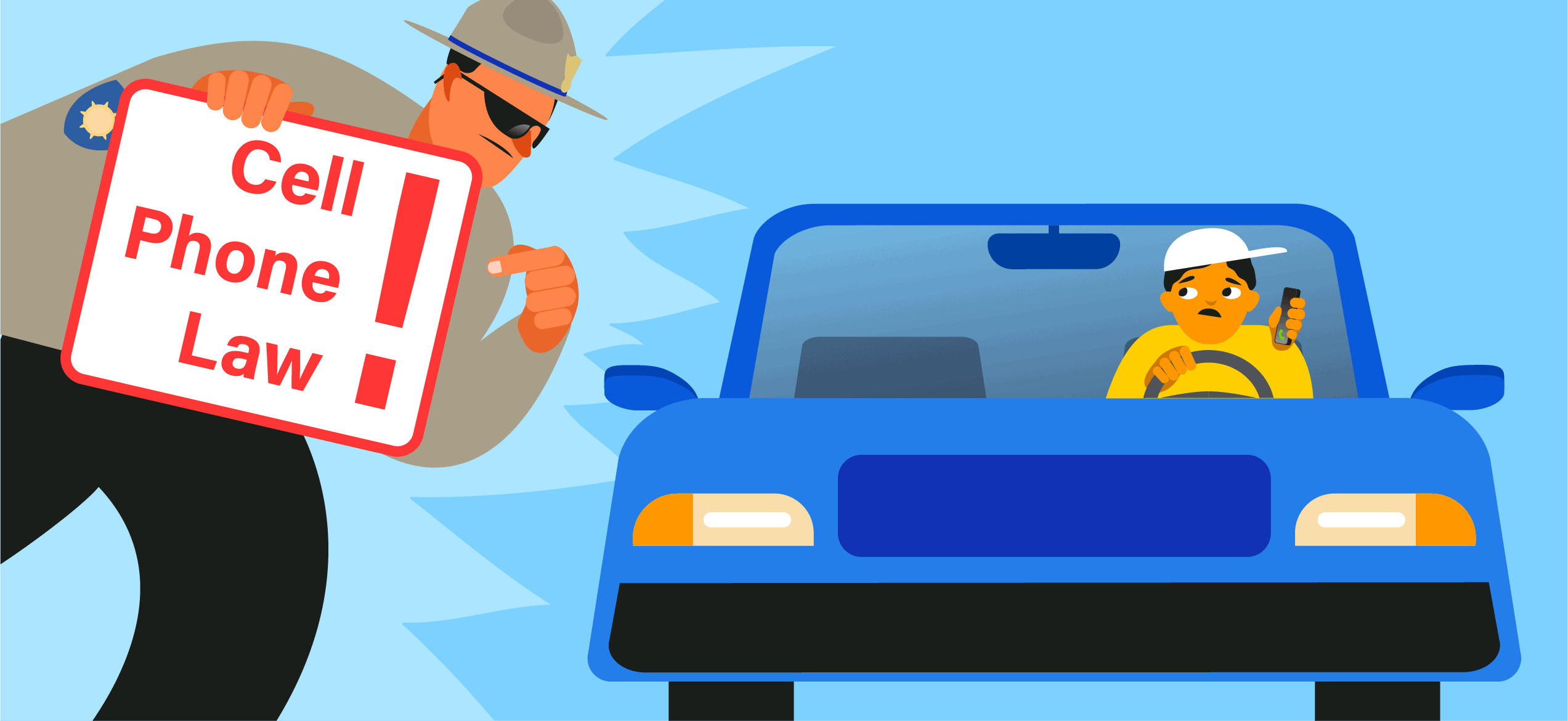
When driving in California, or any new location, pay close attention to road signs and the general driving behavior of others. Officers are trained to spot distracted drivers, and prompt recognition and adherence to traffic laws can prevent costly citations. Remember, the goal of these laws is to make the roads safer for everyone, allowing travelers to enjoy their experiences without incident.
LifeOutOfTheBox is a participant in the Amazon Services LLC Associates Program, an affiliate advertising program designed to provide a means for sites to earn advertising fees by advertising and linking to Amazon.com. Amazon, the Amazon logo, AmazonSupply, and the AmazonSupply logo are trademarks of Amazon.com, Inc. or its affiliates. As an Amazon Associate we earn affiliate commissions from qualifying purchases.