
Understanding California’s Minimum Wage Landscape
California’s minimum wage is a dynamic figure, subject to annual adjustments and varying by location and industry. For travelers, understanding these wage laws offers a unique lens through which to view the economic pulse of the state and its impact on the cost of goods and services, particularly those encountered during a visit. While the minimum wage itself might not be a direct tourist attraction, its implications ripple through the visitor experience, influencing everything from the price of a souvenir to the affordability of a meal in a local eatery.

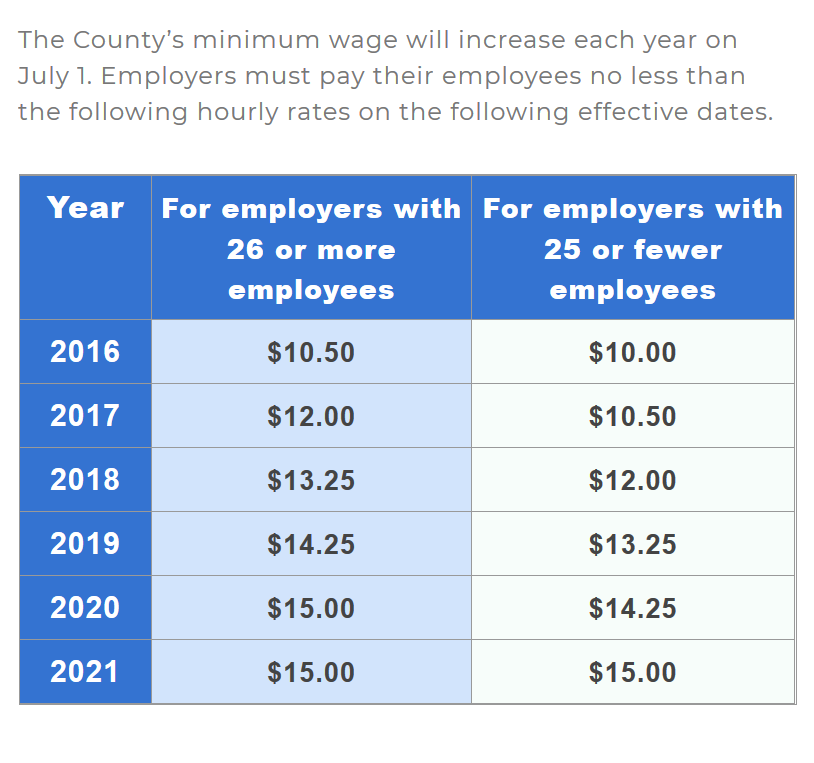
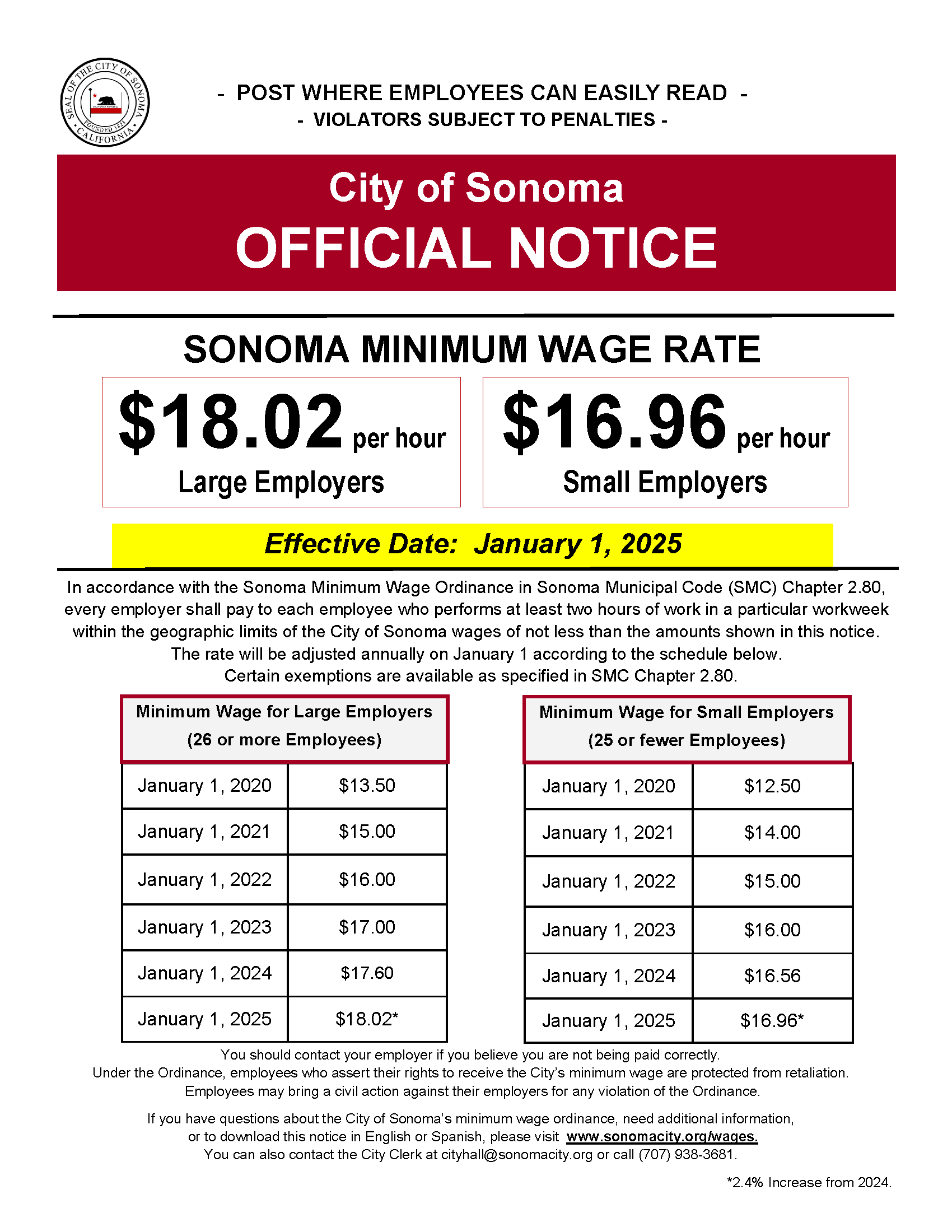
The California minimum wage is set by the state legislature and is intended to provide a baseline income for workers. However, many cities and counties within California have enacted their own, higher minimum wage ordinances. This creates a complex patchwork of wage rates across the Golden State, meaning that what is considered the minimum wage in one area might be significantly lower than in another. For a visitor planning an extended stay or exploring multiple regions, this economic stratification can translate into tangible differences in daily expenses.
For instance, a coffee purchased in San Francisco might carry a slightly higher price tag than the same coffee in a less economically robust area, partly due to the prevailing minimum wage in that city. Similarly, the cost of services like transportation, guided tours, or even the amenities offered at a boutique hotel can be indirectly influenced by these labor costs. Keeping abreast of these fluctuations, even at a general level, can empower travelers to better budget their trip and appreciate the economic context of their destinations.
State Minimum Wage vs. Local Ordinances
The State of California mandates a minimum wage that applies to most employees statewide. This rate is subject to increases, often tied to inflation. However, the true minimum wage for many Californians, and consequently for businesses operating within their jurisdictions, is determined by local ordinances. This is a critical distinction for anyone looking to understand the cost of living and doing business in the state.
Cities like Los Angeles, San Diego, and Oakland have all established minimum wages that exceed the state’s floor. These local increases are often driven by a higher cost of living in these urban centers. For travelers, this means that while the state minimum wage provides a baseline understanding, the actual wages paid to workers in popular tourist destinations will likely be higher. This, in turn, can influence pricing for goods and services.
For example, if a popular restaurant in Downtown Los Angeles pays its staff a wage significantly above the state minimum, those labor costs are often factored into the menu prices. This doesn’t necessarily mean that dining out in such locations is prohibitively expensive for tourists, but it does contribute to the overall economic landscape that shapes visitor expenses. Understanding this dual-layered wage system provides a more nuanced perspective on the economic realities of different Californian locales.
Impact on Tourist-Related Businesses and Services
The minimum wage directly impacts businesses that form the backbone of California’s tourism industry. Restaurants, hotels, retail stores, and entertainment venues all rely on a workforce whose compensation is, at least in part, dictated by minimum wage laws. As the minimum wage rises, businesses face increased labor costs. How these businesses absorb or pass on these costs is a complex equation that ultimately affects the tourist.
Restaurants and Cafes
For restaurants and cafes, labor often represents a significant portion of their operating expenses. Higher minimum wages can lead to adjustments in menu pricing, a greater focus on operational efficiency, or even a reduction in staffing levels during off-peak hours. When a traveler dines at a restaurant in Hollywood or a casual eatery in Santa Monica, the price of their meal is not solely determined by the cost of ingredients; it also reflects the wages paid to the chefs, servers, and kitchen staff.
Hotels and Accommodation Providers
Similarly, hotels, resorts, and other accommodation providers are heavily influenced by minimum wage regulations. Housekeeping staff, front desk agents, concierges, and maintenance personnel all contribute to the guest experience. An increase in the minimum wage can lead to higher operating costs for hotels, which may then be reflected in room rates. This is particularly relevant for travelers seeking budget-friendly options. While luxury resorts might absorb such costs more readily, smaller inns or vacation rentals might need to adjust their pricing more noticeably.
Retail and Souvenir Shops
The retail sector, a significant component of the tourist economy, also feels the pinch of rising minimum wages. Shops selling souvenirs, clothing, or local crafts employ sales associates whose wages are often tied to minimum wage laws. Consequently, the price of that unique California-themed t-shirt or handcrafted item can be indirectly influenced by the prevailing minimum wage in the area where it’s purchased.
Navigating California’s Economic Climate as a Traveler
For the savvy traveler, an awareness of California’s minimum wage trends can be a valuable tool for budgeting and making informed decisions. While the state’s high cost of living is well-documented, understanding the underlying economic factors, such as minimum wage laws, provides a deeper appreciation of how this manifests in practical terms.
Budgeting Tips
When planning a trip to California, consider the variations in minimum wage across different cities. If your itinerary includes a visit to a high-wage city like San Jose or Berkeley, you might anticipate slightly higher prices for everyday expenses compared to smaller towns or less densely populated areas. Researching the specific minimum wage for your intended destinations can offer a more granular insight into potential costs. Look for information on local government websites or reputable economic news sources.
Experiencing Local Culture Through Economic Awareness
Beyond pure economics, understanding minimum wage policies can offer a unique perspective on the social fabric of California. These policies are often debated and enacted with the goal of improving the quality of life for workers. By acknowledging these efforts, travelers can gain a more nuanced appreciation for the communities they visit. Engaging with local businesses that prioritize fair wages, perhaps by choosing to dine at an independently owned restaurant known for its ethical practices, can enrich the travel experience and foster a more meaningful connection with the destination.
The Role of Minimum Wage in Service Quality
The minimum wage can also indirectly influence the quality of service experienced by travelers. When workers are compensated at a fair wage, it can lead to increased job satisfaction, reduced employee turnover, and a more motivated workforce. This can translate into more attentive and knowledgeable service at hotels, restaurants, and attractions. While not a direct correlation, a thriving local economy with fair labor practices often contributes to a more positive overall visitor experience.
Future Trends and Considerations
The conversation around minimum wage in California is ongoing. Advocates continue to push for further increases, citing the need to keep pace with the rising cost of living and to ensure that full-time work provides a livable income. Conversely, some businesses express concerns about the potential impact of further wage hikes on their profitability and competitiveness, particularly in industries with tight margins.
For travelers, staying informed about these evolving labor policies can offer foresight into potential shifts in pricing and the economic landscape of their preferred destinations. As California continues to grapple with issues of affordability and economic equity, its minimum wage policies will remain a significant factor shaping the state’s economic identity and, by extension, the experience of those who visit. Whether it’s planning a leisurely stay at a coastal resort or exploring the vibrant streets of Sacramento, a general understanding of the prevailing wage structures can only enhance the richness and practicality of a Californian adventure.
LifeOutOfTheBox is a participant in the Amazon Services LLC Associates Program, an affiliate advertising program designed to provide a means for sites to earn advertising fees by advertising and linking to Amazon.com. Amazon, the Amazon logo, AmazonSupply, and the AmazonSupply logo are trademarks of Amazon.com, Inc. or its affiliates. As an Amazon Associate we earn affiliate commissions from qualifying purchases.