
Navigating the tax landscape of a Limited Liability Company (LLC) in California can feel like charting a course through a complex archipelago. While California boasts a vibrant economy and a magnetic allure for entrepreneurs, it also presents a unique set of tax obligations for businesses, particularly for LLCs. Understanding these can mean the difference between thriving and merely surviving. This guide aims to demystify the taxation of your LLC in the Golden State, focusing on the core elements that impact your bottom line.
The Foundation: LLC Taxation in California
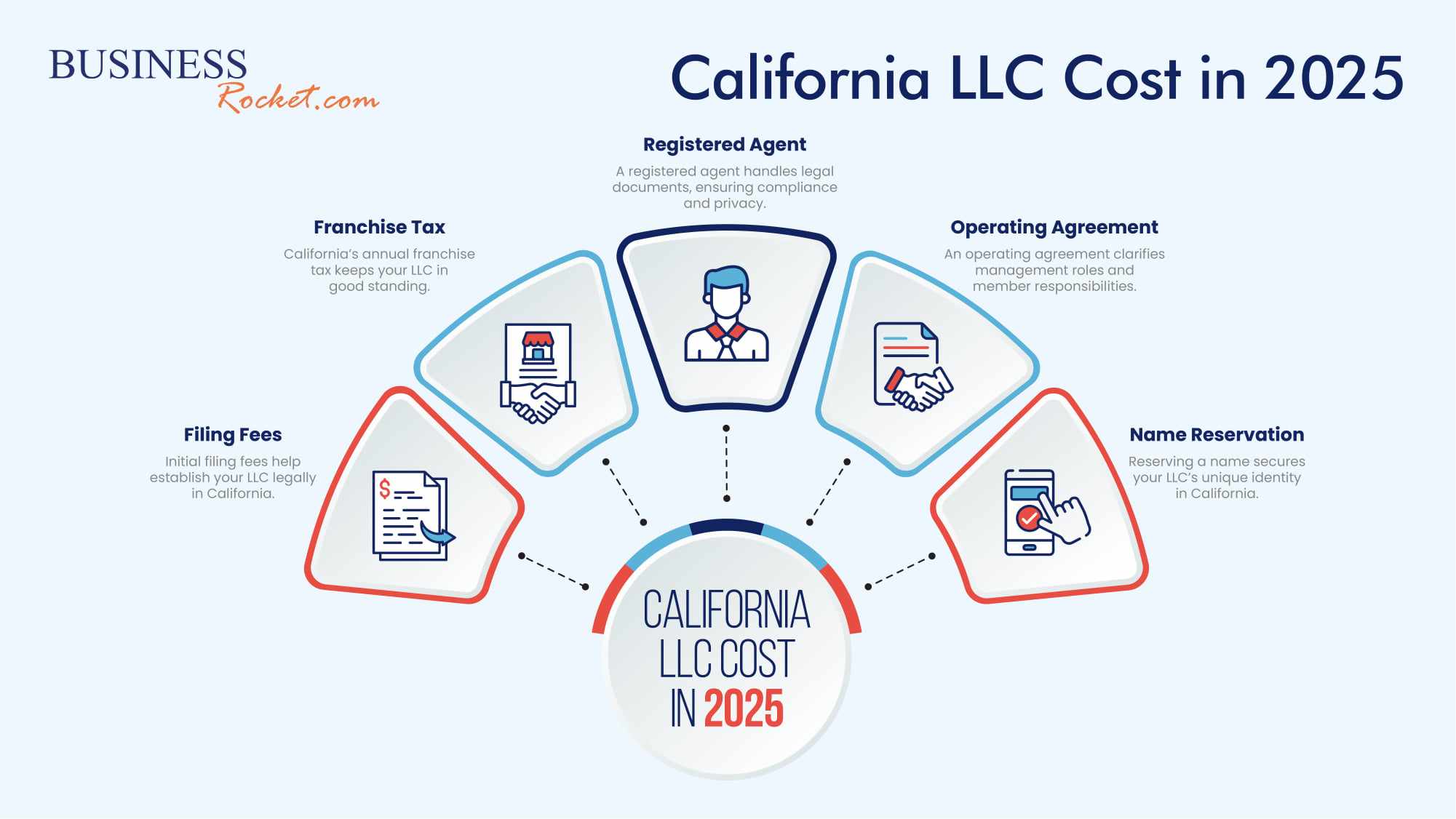
The fundamental principle of LLC taxation in California is its pass-through nature, at least from a federal perspective. This means that the LLC itself generally does not pay income tax. Instead, profits and losses are “passed through” to the individual members, who then report these on their personal income tax returns. However, California adds layers of its own specific taxes and fees that every LLC must contend with, regardless of federal treatment.
Federal Pass-Through Taxation
At the federal level, the Internal Revenue Service (IRS) treats LLCs as partnerships by default if they have more than one member, or as sole proprietorships if they have a single member.
- Single-Member LLC (SMLLC): By default, an SMLLC is taxed as a disregarded entity. All income and expenses are reported directly on the owner’s Social Security number (SSN) via Schedule C (Form 1040) if the owner is an individual, or on their corporate tax return if the owner is a corporation.
- Multi-Member LLC: A multi-member LLC is taxed as a partnership. The LLC files an informational return (Form 1065), and each member receives a Schedule K-1 detailing their share of the LLC’s income, deductions, credits, and other tax items. These items are then reported on the individual members’ tax returns.
This pass-through treatment is a significant advantage, as it avoids the “double taxation” that C-corporations face, where profits are taxed at the corporate level and then again when distributed to shareholders as dividends.
California’s LLC Fee: The Annual Franchise Tax
This is where California significantly distinguishes itself from many other states. Every LLC doing business in California, or organized in California, is subject to an annual minimum tax, also known as the LLC franchise tax.
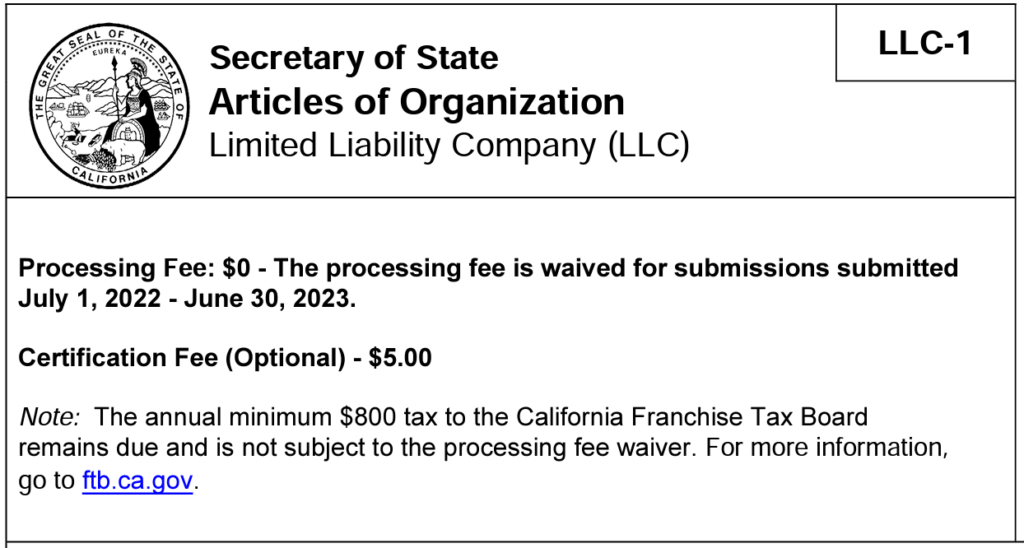
- The Minimum Tax: As of recent tax years, this minimum tax is $800. This $800 is due annually, regardless of whether your LLC is profitable, unprofitable, or even if it’s dormant. It’s essentially a fee for the privilege of doing business in California as an LLC.
- When is it Due? The initial $800 minimum tax is typically due within the first 15 days of the LLC’s formation. For subsequent years, it is due by April 15th (or the next business day if it falls on a weekend or holiday).
- Exemptions: While rare, there are limited exemptions. For instance, LLCs that have completely ceased all business operations in California and have filed a “cancellation” with the Secretary of State may be exempt from future annual taxes. However, this requires a formal dissolution process.
The LLC Fee Based on Total Income
Beyond the $800 minimum franchise tax, California imposes an additional fee on LLCs based on their total income from all sources, regardless of where the income was earned. This fee is often referred to as the “LLC fee” or “LLC tax,” and it can significantly increase the tax burden for profitable businesses.
Income Brackets and Corresponding Fees
The California Franchise Tax Board (FTB) sets specific income thresholds that determine the amount of this additional fee. These thresholds and fees are subject to change, so it is crucial to consult the latest FTB guidelines. Generally, the fee structure is as follows:
- Income from $250,000 to $499,999: A fee applies.
- Income from $500,000 to $999,999: A higher fee applies.
- Income of $1,000,000 or more: The highest fee applies.
It’s important to note that “total income” for this purpose includes gross receipts or gross sales from all sources, less returns and allowances. This means that even if your LLC has a small net profit, a high gross revenue can trigger a substantial LLC fee. This is a critical point for service-based businesses or those with high sales volume but potentially lower profit margins.
Filing Requirements for the LLC Fee
The LLC fee is calculated and paid annually along with your LLC’s tax filings. Typically, LLCs are required to make estimated tax payments for both the minimum franchise tax and the income-based LLC fee if their projected tax liability for the year exceeds $500. These estimated payments are generally due in four installments throughout the tax year. Failure to make adequate estimated tax payments can result in penalties.
Other Potential Taxes and Considerations
While the LLC franchise tax and the income-based LLC fee are the most prominent California-specific taxes for LLCs, several other tax considerations might apply.
State Income Tax on Members
As mentioned, the profits (or losses) of the LLC are passed through to the members. California state income tax will be levied on each member’s share of the LLC’s net income, according to their individual income tax bracket. This applies to both resident and non-resident members, though non-residents are only taxed on California-source income.
Sales and Use Tax
If your LLC sells tangible personal property in California, you will likely be required to register with the California Department of Tax and Fee Administration (CDTFA) and collect and remit sales tax. Use tax applies to goods purchased outside of California for use within the state, where sales tax was not paid. This is a crucial compliance area for e-commerce businesses and any LLC involved in retail.
Payroll Taxes
If your LLC has employees, you will be responsible for withholding and remitting state payroll taxes, including unemployment insurance (UI), disability insurance (EDD), and state income tax withholding. You’ll also need to pay the employer’s share of UI and other employment taxes to the Employment Development Department (EDD).
Professional Licenses and Permits
Depending on your industry and location within California, your LLC may need various state and local business licenses and permits. While not directly taxes, the fees associated with these can represent an ongoing cost of doing business.
Tax Implications of Specific Industries
Certain industries may have unique tax regulations. For example, businesses involved in the sale of alcohol, tobacco, or gasoline will face excise taxes. Consulting with a tax professional familiar with your specific industry is advisable.
Strategies for Managing Your LLC’s Tax Burden in California
Given the distinct tax structure in California, proactive planning is essential.
Understanding Your Income and Fee Obligations
Regularly review your LLC’s financial performance. Accurately projecting your gross income is critical for estimating your LLC fee liability and making timely estimated tax payments. This helps avoid surprises and potential penalties.
Considering Entity Structuring Alternatives
While an LLC offers flexibility, it’s worth exploring whether other entity structures might be more tax-advantageous as your business grows. For example, an S-corporation election can sometimes lead to savings on self-employment taxes for owner-employees, but it comes with its own set of complexities and strict operational requirements. This decision should be made in consultation with a tax advisor.
Deducting Business Expenses
Maximizing legitimate business expense deductions is a fundamental tax-saving strategy. Ensure you maintain meticulous records of all deductible expenses, from rent and utilities to marketing and professional services.
Estimated Tax Payments
As mentioned, California requires timely estimated tax payments for both the franchise tax and the income-based LLC fee if your projected liability exceeds $500. Making these payments on time can prevent significant penalties and interest charges. The FTB provides forms and online payment options.
Seeking Professional Guidance
The intricacies of California tax law can be overwhelming. Engaging a qualified tax professional or CPA who specializes in California business taxation is often the most effective way to ensure compliance, identify potential tax savings, and navigate the complexities of operating an LLC in the state. They can provide personalized advice based on your LLC’s specific circumstances and industry.

Staying Informed on Tax Law Changes
Tax laws are not static. California, in particular, can see changes in tax rates, fees, and regulations. Regularly checking updates from the California Franchise Tax Board (FTB) and the California Department of Tax and Fee Administration (CDTFA) is crucial. A good tax advisor will keep you informed of these changes and their impact on your business.
Operating an LLC in California presents a unique tax environment. While the federal pass-through taxation offers flexibility, the state’s annual franchise tax and income-based LLC fee require careful attention and strategic planning. By understanding these obligations and actively managing your business’s finances, you can navigate California‘s tax landscape effectively and focus on the growth and success of your enterprise.
LifeOutOfTheBox is a participant in the Amazon Services LLC Associates Program, an affiliate advertising program designed to provide a means for sites to earn advertising fees by advertising and linking to Amazon.com. Amazon, the Amazon logo, AmazonSupply, and the AmazonSupply logo are trademarks of Amazon.com, Inc. or its affiliates. As an Amazon Associate we earn affiliate commissions from qualifying purchases.