
The Supplemental Security Income (SSI) program, administered by the Social Security Administration (SSA), provides crucial financial assistance to individuals with limited income and resources who are disabled, blind, or age 65 or older. While the national SSI benefit rate is set by Congress, state supplementation can significantly alter the total amount an eligible recipient receives, particularly within states like [Florida]. Understanding the nuances of SSI in the Sunshine State involves dissecting the federal benefit, potential state supplements, and the factors that influence eligibility and payment amounts. This comprehensive overview aims to demystify SSI in [Florida], offering clarity for those navigating this vital social safety net.
Understanding the Federal SSI Benefit
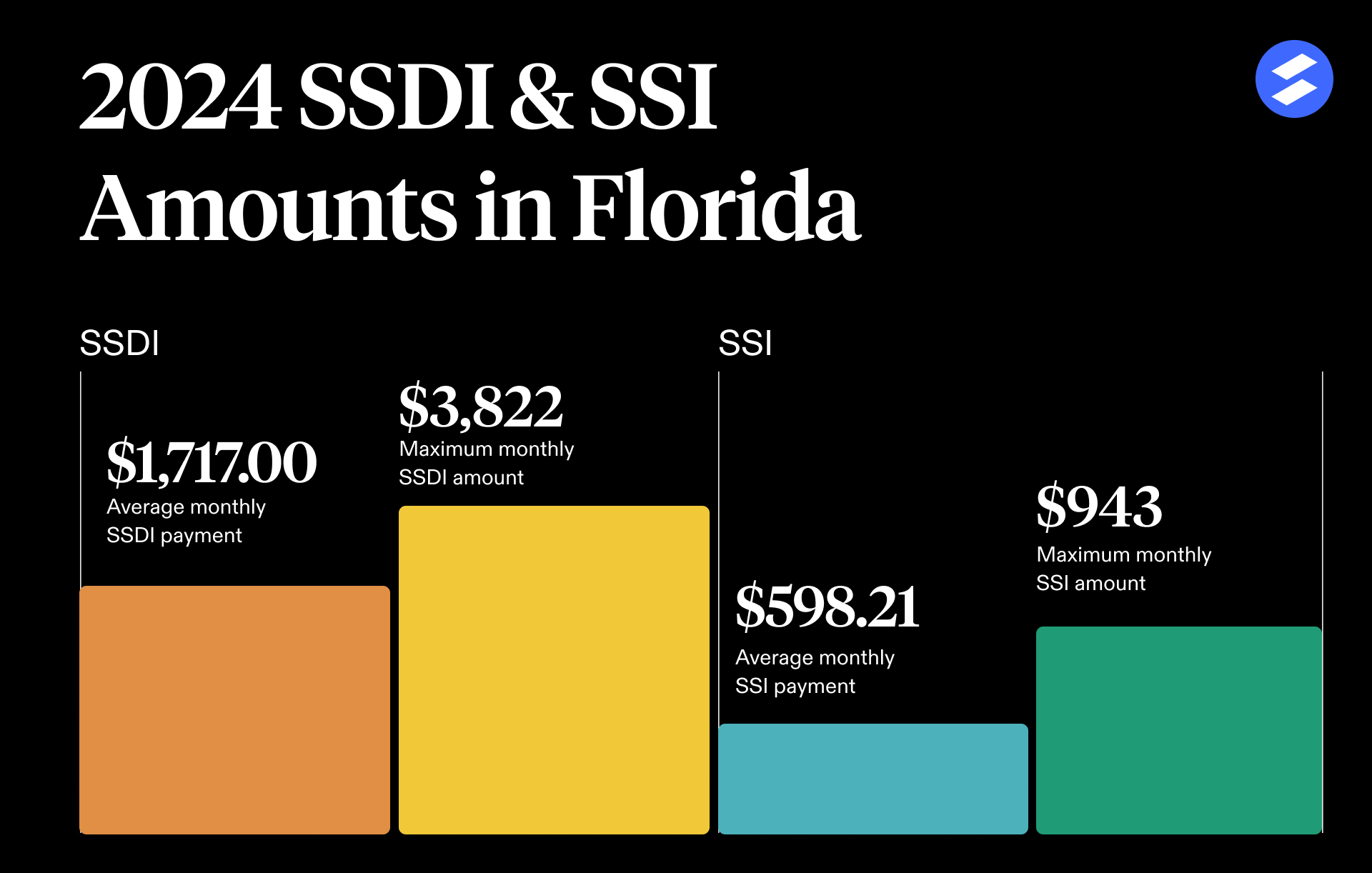
The foundation of any SSI payment, whether in [Florida] or elsewhere, is the federal benefit rate. This rate is adjusted annually for inflation, reflecting changes in the Consumer Price Index. As of 2023, the maximum federal SSI benefit for an eligible individual is $914 per month. For an eligible couple, this maximum rises to $1,371 per month. These figures represent the absolute maximum; most recipients receive less due to their countable income.
Countable Income and Its Impact
The core principle of SSI is that it supplements, rather than replaces, income. Therefore, any income an applicant or recipient has is “countable” and will reduce their federal benefit amount. The SSA employs a complex system for determining countable income, distinguishing between different types of income and excluding certain categories.
Earned Income
Wages from employment are considered earned income. The SSA allows a generous exclusion for earned income, recognizing the incentive for individuals to work. For the first $20 of any monthly income, it’s generally excluded. Beyond that, for the first $65 of earned income, it’s also excluded. After these initial exclusions, half of the remaining earned income is counted. This means a person can earn a modest amount of money without significantly impacting their SSI benefits. For example, if an individual earns $200 in a month, $85 is excluded ($20 + $65), and then half of the remaining $115 ($57.50) is counted. This countable income of $57.50 would then be subtracted from the maximum federal benefit rate to determine the payment.
Unearned Income
Unearned income includes sources like pensions, Social Security benefits (other than SSI), interest from savings, gifts, and other cash assistance. Generally, $20 of unearned income is excluded each month. Any unearned income beyond that $20 is directly subtracted from the federal benefit rate. For instance, if an individual receives a $100 pension, $20 is excluded, and the remaining $80 is subtracted from the maximum federal benefit, reducing their SSI payment by $80.
In-Kind Income and Living Arrangements
The SSA also considers “in-kind” income, which refers to essential needs like food and shelter provided by someone else. If an individual receives free room and board, this can reduce their SSI payment. The value of this in-kind support and maintenance (ISM) is typically counted as one-third of the federal benefit rate or one-third of the current market value of the shelter, whichever is less. There are specific rules and exceptions regarding ISM, particularly for those living with a spouse or in certain care facilities.
Resources and Eligibility
Beyond income, SSI eligibility hinges on an individual’s resources. Resources are assets that an individual can convert to cash to meet basic needs. These include cash, bank accounts, stocks, bonds, and property. The resource limit for an eligible individual is $2,000, and for an eligible couple, it’s $3,000. Certain assets are excluded from this calculation, such as the home in which the individual lives, one vehicle, household goods, and personal effects. The strict limits on resources are a critical component of qualifying for SSI.
Florida’s SSI Supplementation: A Deeper Dive
Unlike some states that have opted out of providing state supplementation, [Florida] offers a state supplement to SSI recipients. This means that in addition to the federal benefit, eligible individuals and couples in [Florida] can receive an extra amount from the state, increasing their total monthly income. This supplementation is designed to help recipients meet the higher cost of living in the state.
State Supplementation Rates in Florida
The specific amount of the state supplement in [Florida] can vary based on several factors, including the recipient’s living situation and whether they are receiving federal SSI benefits. The state supplement is typically added on top of the federal benefit, providing a more substantial monthly income.
For an individual receiving the maximum federal benefit and qualifying for the maximum state supplement, their total monthly income can be significantly higher than the federal rate alone. Similarly, for couples, the combined federal and state supplements can provide a more robust financial foundation.
It’s crucial for recipients to understand that the state supplement is not automatic. Eligibility for and the amount of the state supplement are determined by the [Florida] Department of Children and Families (DCF), which administers the state’s SSI supplement program. Recipients will typically be notified by the SSA or DCF if they are eligible for state supplementation and what their specific supplemental amount will be.
Factors Influencing State Supplement Amounts
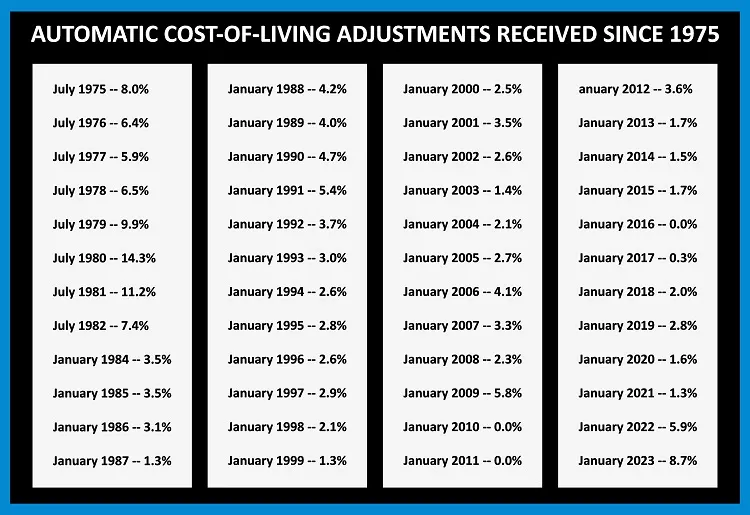
The amount of state supplementation an individual receives in [Florida] is not a flat rate. It is influenced by several factors, mirroring the complexities of the federal benefit calculation:
- Living Arrangements: Individuals living independently, in group homes, or in licensed facilities may receive different supplement amounts. The state aims to provide adequate support based on the varying costs associated with different living situations.
- Income and Resources: While the federal benefit is reduced by countable income and resources, the state supplement may also be adjusted based on these factors, although the rules for calculating the state supplement might differ slightly from federal rules. The primary goal is to ensure that the total assistance (federal + state) does not exceed what is considered necessary to meet basic needs.
- Specific Program Variations: [Florida] may have different categories or tiers within its SSI supplement program, catering to specific needs or circumstances. For instance, there might be enhanced supplements for individuals with specific medical needs or those residing in higher-cost-of-living areas within the state.
Navigating the Application Process and Resources
Applying for SSI can be a complex undertaking, and understanding the intricacies of both federal and state benefits is paramount. The Social Security Administration (SSA) is the primary point of contact for initial applications and determining eligibility for the federal benefit.
Applying for Federal SSI
Applications for SSI can be initiated online through the SSA website, by calling the SSA toll-free number, or by visiting a local Social Security office. Applicants will need to provide detailed information about their medical condition, work history (if any), income, and resources. The application process can be lengthy, often involving medical reviews and verification of financial information.
Accessing State Supplementation Information
Once an individual is determined eligible for federal SSI in [Florida], the [Florida] Department of Children and Families (DCF) will typically assess their eligibility for state supplementation. It is advisable for individuals to contact their local DCF office or check the DCF website for the most current information on state supplement programs, application procedures, and required documentation. Often, the SSA will forward relevant information to DCF on behalf of the applicant, but proactive communication with both agencies is recommended.
Key Considerations for [Florida] Residents
For residents of [Florida] considering SSI, several points are particularly relevant:
- Cost of Living: While [Florida] offers state supplementation, it’s important to note that the cost of living in certain areas of [Florida], such as [Miami] or [Orlando], can be considerably higher than the national average. SSI benefits, even with state supplements, are intended to cover basic needs, and recipients may still face financial challenges in high-cost areas.
- Other State Programs: Beyond SSI supplementation, [Florida] offers various other programs and services that can assist individuals with disabilities or low incomes, such as Medicaid, food assistance (SNAP), and housing support. Understanding these interconnected programs can help recipients maximize their overall support.
- Advocacy and Assistance: Navigating the complexities of SSI can be overwhelming. Numerous non-profit organizations and legal aid societies throughout [Florida] provide free or low-cost assistance to individuals applying for or appealing SSI benefits. Seeking guidance from these resources can be invaluable.
Maximizing SSI Benefits in [Florida]
For those receiving or applying for SSI in [Florida], a proactive approach can help maximize benefits and ensure financial stability. This involves understanding all available resources, maintaining accurate records, and staying informed about program changes.
Maintaining Eligibility and Reporting Changes
A critical aspect of receiving SSI is adhering to reporting requirements. Recipients must promptly report any changes in their living situation, income, resources, or medical condition to both the SSA and the [Florida] DCF. Failure to do so can lead to overpayments, benefit suspension, or even termination. This includes reporting any increase in earned or unearned income, acquisition of new assets, or changes in living arrangements, such as moving in with a family member or entering a care facility.
Understanding Medicare and Medicaid in [Florida]
Eligibility for SSI in [Florida] often automatically qualifies recipients for Medicaid, [Florida]’s state-administered health insurance program for low-income individuals. While not a direct cash benefit, access to healthcare is a significant financial relief. Depending on their circumstances and the specific SSI benefit amount, some recipients may also become eligible for Medicare after a waiting period if they have a qualifying disability. These healthcare benefits are essential components of the overall support system for SSI recipients.

Planning for the Future
While SSI provides a crucial safety net, it is generally not sufficient to cover all living expenses, especially in a state like [Florida] with its diverse economic landscape. Encouraging recipients to explore other avenues for financial security is vital. This can include:
- Work Incentives: As mentioned earlier, the SSA offers work incentives designed to encourage individuals to return to work without immediately losing their benefits. Understanding these incentives can empower recipients to pursue employment opportunities.
- ABLE Accounts: The Achieving a Better Life Experience (ABLE) Act allows individuals with disabilities to open tax-advantaged savings accounts. These accounts can be used to pay for qualified disability expenses, such as education, housing, transportation, and healthcare, without jeopardizing their SSI or [Medicaid] eligibility. [Florida] has established its own ABLE program, Florida ABLE.
- Rep Payee Services and Financial Management: For individuals who may struggle with managing their finances, the SSA can appoint a representative payee. Exploring financial literacy resources and budgeting tools can also help recipients manage their monthly income effectively.
By staying informed, diligently reporting changes, and exploring all available resources, individuals in [Florida] can better navigate the SSI program and secure a more stable financial future. The combination of federal and state support, coupled with access to healthcare and other essential services, forms a critical support structure for vulnerable populations across the state.
LifeOutOfTheBox is a participant in the Amazon Services LLC Associates Program, an affiliate advertising program designed to provide a means for sites to earn advertising fees by advertising and linking to Amazon.com. Amazon, the Amazon logo, AmazonSupply, and the AmazonSupply logo are trademarks of Amazon.com, Inc. or its affiliates. As an Amazon Associate we earn affiliate commissions from qualifying purchases.