
Navigating the process of applying for unemployment benefits in California can seem daunting, especially during challenging economic times. This guide aims to demystify the procedure, offering a clear, step-by-step approach to help you secure the financial assistance you may be entitled to. Understanding the eligibility requirements, the application process itself, and what to expect after submission is crucial for a smooth and successful claim. While the core principles of unemployment insurance are consistent, California’s specific regulations and the operational framework of its Employment Development Department (EDD) require attention to detail.
Understanding Eligibility for Unemployment Benefits in California
Before embarking on the application journey, it’s essential to confirm your eligibility. California’s unemployment insurance program is designed to support individuals who have lost their jobs through no fault of their own. Several key criteria must be met to qualify for benefits.
Employment History and Earnings
The primary determinant of eligibility is your recent work history and the wages you have earned. The California Employment Development Department (EDD) looks at your “base period,” which is typically the first four of the last five completed calendar quarters before you file your claim. To qualify, you must have earned a minimum amount of wages during this base period. This minimum is subject to change, so it’s always advisable to check the latest EDD guidelines. Generally, you need to have earned at least $1,300 in wages during the highest quarter of your base period, or at least 1.25 times your wages in the highest quarter plus wages in the remaining quarters totaling at least 25% of your highest quarter’s wages. This ensures that you have a demonstrated attachment to the workforce.
Reason for Separation from Employment
The reason for your job loss is a critical factor. To be eligible for unemployment benefits, you must have become unemployed through no fault of your own. This typically includes situations such as:
- Layoffs: When your employer reduces staff due to economic reasons, lack of work, or business closures.
- Lack of Work: Similar to layoffs, this encompasses situations where your position becomes obsolete or funding is withdrawn.
- Employer Misconduct (under certain circumstances): While generally disqualifying, some forms of misconduct by an employer can lead to eligibility.
- Constructive Discharge: This occurs when an employer makes working conditions so intolerable that a reasonable person would feel compelled to resign. This is often difficult to prove and requires substantial evidence.
Conversely, quitting your job without good cause, being fired for serious misconduct (such as theft, insubordination, or repeated policy violations), or refusing suitable work generally disqualifies you from receiving benefits. The EDD will investigate the circumstances of your separation, and it’s vital to be truthful and thorough in your explanation.
Availability and Job Search Requirements
Once you are approved for benefits, you must be willing and able to work. This means being physically and mentally capable of performing suitable work and actively seeking employment. You will be required to certify your eligibility weekly or bi-weekly, attesting that you have been available for work and have made a diligent effort to find a new job. The EDD may provide guidelines on what constitutes a “diligent job search,” which can include applying for positions, attending job fairs, networking, and participating in training programs. Failure to meet these requirements can lead to a suspension or termination of your benefits.
The Application Process: Step-by-Step
Applying for unemployment in California is primarily done online, though other methods are available for those who cannot access the internet. The online portal is designed to be efficient, but understanding each step can prevent common errors.
Gathering Necessary Information
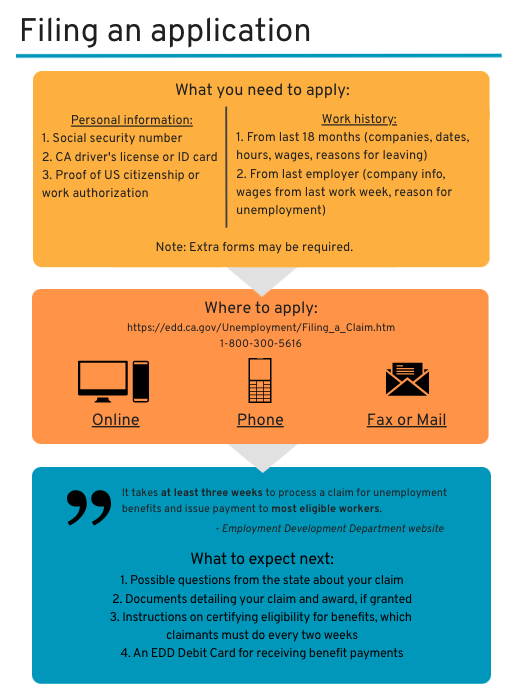
Before you begin your application, ensure you have the following information readily available. This will streamline the process and reduce the likelihood of delays:
- Personal Information: Your full legal name, Social Security number, date of birth, and mailing address.
- Employment History: Names, addresses, and phone numbers of all employers for the past 18 months.
- Dates of Employment: Your start and end dates for each employer.
- Reason for Separation: A clear and concise explanation for why you left each job, especially your most recent one.
- Earnings Information: Details about your wages, including any severance pay, vacation pay, or holiday pay you received or will receive.
- Alien Registration Number (if applicable): If you are not a U.S. citizen, you will need your alien registration number and the expiration date of your work authorization.
- Bank Account Information (for direct deposit): If you wish to have your benefits directly deposited into your bank account, you will need your bank’s routing number and your account number.
Submitting Your Claim Online
The most efficient way to apply is through the EDD’s official website.
- Create an Account: Visit the California EDD website and navigate to the unemployment insurance section. You will likely need to create a user account if you don’t already have one. This account will serve as your portal for managing your claim.
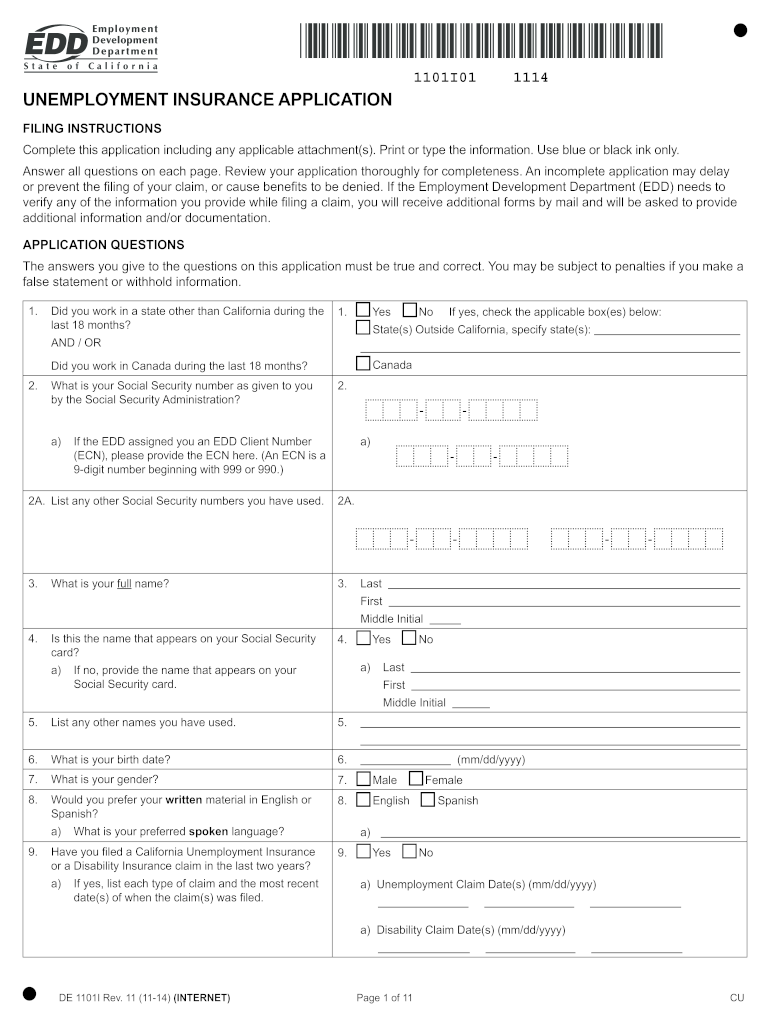
- Complete the Application Form: Once logged in, you will find the online application form. Fill out all sections accurately and completely. Be truthful about your work history and the reasons for your separation. Inaccurate information can lead to delays or disqualification.
- Review and Submit: Before submitting, carefully review all the information you have entered. A small typo could cause significant issues. Once satisfied, submit your application. You should receive a confirmation that your application has been received.
Alternative Application Methods
If you are unable to apply online, the EDD offers alternative methods:

- By Phone: You can call the EDD’s toll-free number to file a claim. Be prepared for potentially long wait times, especially during periods of high unemployment. The phone number is typically available on the EDD website.
- By Mail or Fax: Application forms can be downloaded from the EDD website, filled out, and mailed or faxed to the department. This is generally the slowest method.
After You Apply: What to Expect and Next Steps
Submitting your application is just the first step. The EDD will review your claim, and there are ongoing responsibilities you must fulfill to receive benefits.
Waiting Period and Notice of Determination
After filing your claim, there is typically a one-week unpaid waiting period. During this week, you will not receive benefits, but you must still certify your eligibility. Following the initial review, you will receive a “Notice of Unemployment Insurance Claim Filed” (DE 1101CL) which outlines your potential weekly benefit amount and maximum benefit amount based on your past earnings. You will also receive a “Notice of Determination” (DE 1080) which states whether you are eligible for benefits and the reasons for the determination. It is crucial to review these documents carefully. If you disagree with the determination, you have the right to appeal.
Weekly or Bi-Weekly Certification
To continue receiving benefits, you must certify your eligibility every week or bi-weekly, depending on the EDD’s instructions. This certification confirms that you were unemployed, able and available for work, and actively seeking employment during that period. You can usually do this online through your EDD account, by phone, or by mail. Be honest and accurate when certifying. Failure to certify means you will not receive payment for that period.
Active Job Search and EDD Requirements
As mentioned, maintaining an active and diligent job search is a condition of receiving unemployment benefits. The EDD may require you to:
- Register with CalJOBS: Most claimants are required to register with CalJOBS, California’s online job matching system.
- Report Job Search Activities: You may need to keep a log of your job search efforts and be prepared to provide it to the EDD upon request.
- Attend Interviews and Training: You may be required to attend job interviews arranged by the EDD or participate in training programs.
- Accept Suitable Work: You must accept suitable job offers. What constitutes “suitable work” is determined by factors such as your skills, experience, wages, and the working conditions.
Potential for Appeals
If your claim is denied, or if your employer disputes your eligibility, you have the right to appeal the EDD’s decision. The appeal process typically involves a hearing where both you and your employer can present your case. It is important to understand the appeal deadlines and procedures, which are detailed in the Notice of Determination. Gathering evidence, such as termination letters, communication with your employer, and records of your job search, can be crucial for a successful appeal.
Maximizing Your Unemployment Benefits
While receiving unemployment is a safety net, understanding how to manage your benefits effectively can help ease the transition back into employment.
Understanding Your Benefit Amount and Duration
Your weekly benefit amount is calculated based on your past wages. The maximum duration for unemployment benefits in California is typically 26 weeks, though this can be extended during periods of high unemployment through federal or state programs. It’s important to track how many weeks of benefits you have used.
Managing Finances While Receiving Benefits
Unemployment benefits are intended to provide temporary financial support. It is crucial to create a budget that accounts for your reduced income. Prioritize essential expenses such as housing, utilities, and food. The EDD issues payments via direct deposit or by debit card. Explore options for financial counseling if you are struggling to manage your finances.
Resources for Job Seekers
The EDD offers various resources to assist you in your job search, beyond just the requirement to search. These can include:
- Career Centers: Local America’s Job Center of California (AJCC) locations offer free services, including career counseling, resume workshops, and job placement assistance.
- Training Programs: The EDD may offer or recommend training programs to help you acquire new skills or enhance existing ones, making you more competitive in the job market.
- Online Resources: The EDD website and CalJOBS provide extensive resources for job seekers, including job listings, labor market information, and self-assessment tools.
Navigating the unemployment application process in California requires diligence and attention to detail. By understanding the eligibility requirements, meticulously following the application steps, and actively engaging with the EDD’s ongoing requirements, you can effectively utilize this vital support system during your period of transition. Remember to stay informed about any changes in regulations and to leverage all available resources to help you return to gainful employment.
LifeOutOfTheBox is a participant in the Amazon Services LLC Associates Program, an affiliate advertising program designed to provide a means for sites to earn advertising fees by advertising and linking to Amazon.com. Amazon, the Amazon logo, AmazonSupply, and the AmazonSupply logo are trademarks of Amazon.com, Inc. or its affiliates. As an Amazon Associate we earn affiliate commissions from qualifying purchases.