
The Golden State offers a vital safety net for its residents facing food insecurity through the CalFresh program, formerly known as Food Stamps. Navigating the eligibility requirements can seem complex, but understanding the core principles—household income, household size, and certain expenses—is the first step toward accessing this crucial assistance. This guide aims to demystify the process, providing clarity on who qualifies for CalFresh benefits in California and how to apply.
Understanding CalFresh Eligibility Criteria
The California Department of Social Services (CDSS) oversees the CalFresh program, which is federally known as the Supplemental Nutrition Assistance Program (SNAP). Eligibility is determined by a combination of factors, primarily revolving around your household’s financial situation and composition.
Household Income Limits
The most significant factor in determining CalFresh eligibility is your household’s gross monthly income. There are established income limits that vary based on the number of people in your household. These limits are set by the federal government and adjusted annually.
Gross Monthly Income
This refers to the total income of all household members before any deductions are taken out. It includes earnings from employment, self-employment, retirement benefits, unemployment benefits, and most other forms of income. Certain types of income, such as student financial aid or temporary assistance for families, may be excluded.
Net Monthly Income
After considering certain allowable deductions, your household’s net monthly income is calculated. These deductions can significantly impact your eligibility. Common deductions include:
- A standard deduction: This is a fixed amount that reduces your countable income.
- Earned income deduction: A portion of your earnings may be deducted to account for work-related expenses.
- Dependent care deduction: If you pay for childcare or care for a disabled household member while you work or attend training, these costs may be deductible.
- Medical expenses deduction: For households with elderly or disabled members, certain out-of-pocket medical expenses exceeding a specific amount can be deducted.
- Shelter costs: A significant portion of your housing expenses, including rent or mortgage payments, property taxes, and utilities, can be deducted. This is particularly impactful for larger households.
The CDSS uses specific percentages of your household’s net income to determine the amount of CalFresh benefits you might receive, ensuring that the assistance is tailored to your specific needs.
Household Size
The number of individuals living together and sharing food is a fundamental aspect of eligibility. A “household” for CalFresh purposes includes all individuals who live together and purchase and prepare meals together. This can include spouses, children, parents, siblings, and even unrelated individuals who share living expenses. The size of your household directly influences the income limits that apply to your application. Larger households generally have higher income limits, reflecting the increased cost of feeding more people.
Assets (Resources)
While income is the primary focus, CalFresh also considers the assets, or resources, of your household. There are limits on the value of countable resources a household can possess to be eligible.
Countable Resources
These typically include:
- Cash on hand
- Checking and savings accounts
- Stocks and bonds
- Certain vehicles (though most vehicles are exempt up to a certain value)
Exempt Resources
Several types of resources are not counted towards the asset limit. These often include:
- The home you live in and the land it occupies
- One vehicle per adult household member, up to a certain market value
- Household goods and personal belongings
- Retirement accounts
- Many educational savings accounts
The asset limits are relatively low, designed to ensure that CalFresh benefits are available to those who truly need immediate assistance rather than those with significant readily available financial resources.
Work Requirements
For most individuals applying for CalFresh, there are work requirements. This means that able-bodied adults without dependents (ABAWDs) may be limited to receiving benefits for only three months in a 36-month period unless they meet certain work requirements. These requirements can include:
- Working or participating in a work program for at least 20 hours per week.
- Participating in a job search program.
- Volunteering.
There are exemptions to these work requirements, such as for individuals who are medically certified as unfit for work, pregnant, or caring for a young child. It is crucial to discuss any potential work requirement exemptions with your CalFresh caseworker.
Special Circumstances and Exemptions
Several special circumstances can affect eligibility or provide exemptions from certain rules.
Elderly or Disabled Household Members
Households with at least one member who is elderly (60 years or older) or disabled often have different rules regarding asset limits and work requirements. They may be exempt from certain asset tests and work requirements, making them more likely to qualify for benefits.
Students

College students have specific rules for CalFresh eligibility. Generally, students enrolled at least half-time are eligible only if they meet certain criteria, such as participating in a work-study program, having a dependent child, or being disabled.
Immigrants and Non-Citizens
Eligibility for non-citizens depends on their immigration status and how long they have resided in the United States. Some non-citizens may be eligible, while others may need to wait a certain period or meet specific conditions before they can receive benefits. Sponsored non-citizens may have their sponsor’s income and resources considered.
The Application Process
Applying for CalFresh in California involves submitting an application, providing necessary documentation, and participating in an interview.
Step-by-Step Application Guide
- Obtain an Application Form: You can download an application form from the CDSS website, pick one up at your local county social services office, or request one by mail. Some counties may also allow you to apply online through their specific portal.
- Complete the Application: Fill out the application thoroughly and accurately. Be prepared to provide information about all household members, including their income, expenses, assets, and living situation.
- Gather Supporting Documents: You will need to provide proof of income, residency, identity, and household expenses. This may include pay stubs, bank statements, rent receipts, utility bills, and identification documents like a driver’s license or social security card.
- Submit Your Application: Submit your completed application and supporting documents to your local county social services office. You can usually submit them in person, by mail, or by fax. Online submission may also be an option.
- Schedule and Attend an Interview: Within a certain timeframe after submitting your application, you will be contacted to schedule an interview, usually by phone. This interview is an opportunity for a caseworker to review your application, ask clarifying questions, and explain your rights and responsibilities.
- Receive a Decision: After your interview and verification of your documentation, you will be notified of your eligibility status and the amount of benefits you will receive, if approved. If your application is denied, you will receive a written explanation, and you have the right to appeal the decision.
What to Expect During the Interview
The interview is a critical part of the CalFresh application process. The caseworker’s goal is to verify the information on your application and ensure you meet all eligibility requirements. Be prepared to discuss:
- Your household’s composition and living arrangements.
- All sources of income for every household member.
- Your monthly expenses, particularly housing, utilities, and childcare.
- Any assets your household possesses.
- Your efforts to find employment, if applicable.
It is advisable to bring all your supporting documents with you to the interview, even if you have already submitted copies. This allows the caseworker to review original documents and answer any immediate questions.
Documentation Requirements
Accurate and complete documentation is essential for a smooth application process. Common documents required include:
- Proof of Identity: Driver’s license, state ID, passport, or birth certificate for all household members.
- Proof of Income: Recent pay stubs, award letters for unemployment or disability benefits, Social Security statements, pension statements, or bank statements showing deposits. For self-employment, you may need tax returns or profit and loss statements.
- Proof of Expenses: Rent receipts, mortgage statements, utility bills (electricity, gas, water), property tax statements, and receipts for childcare or medical expenses.
- Proof of Residency: Utility bills, lease agreements, or a sworn statement from your landlord.
- Social Security Numbers: For all household members applying for benefits.
Failure to provide required documentation can delay or result in the denial of your application.
Maximizing Your CalFresh Benefits
Once approved for CalFresh, understanding how to use your benefits effectively can help stretch your food budget further.
Understanding Your Benefit Amount
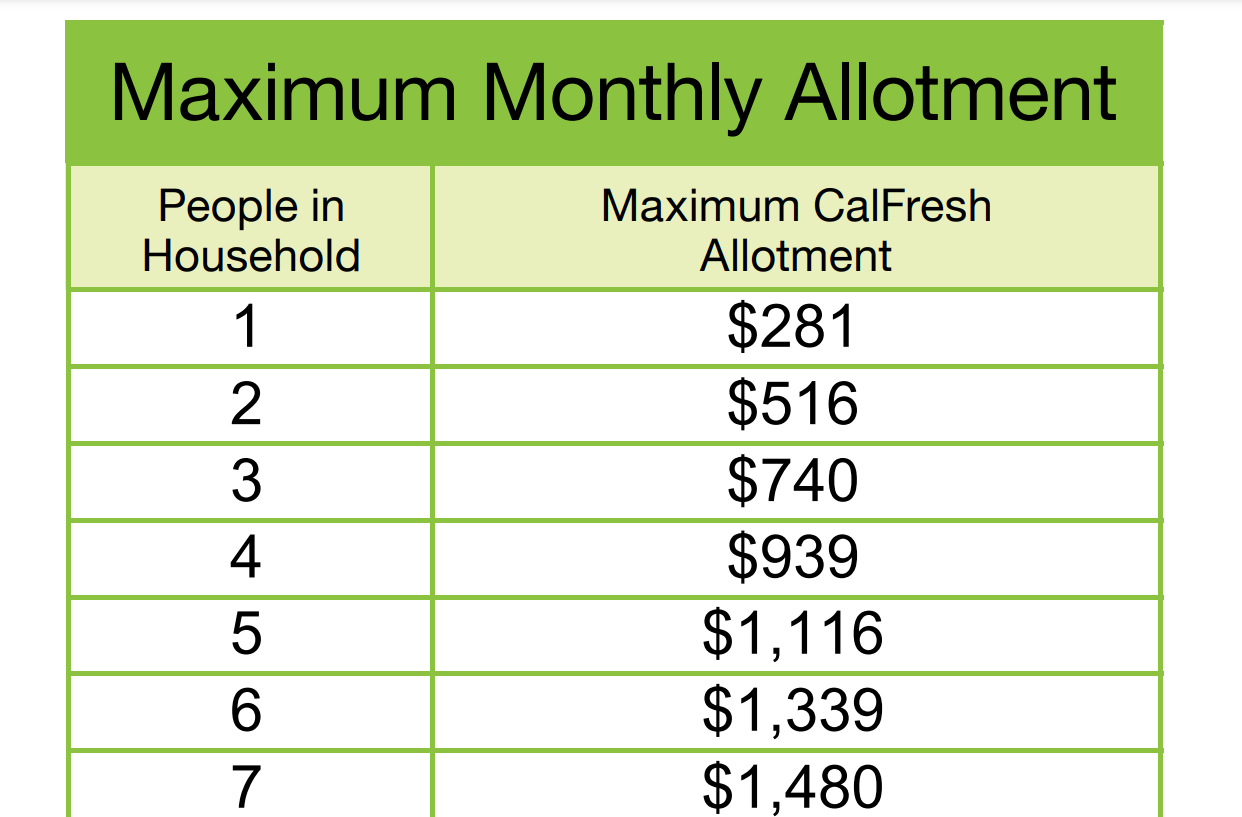
Your monthly CalFresh benefit amount is calculated based on your household’s net income, size, and allowable expenses. The goal is to provide enough assistance to supplement your own food purchasing power, not to cover all food costs entirely. The CDSS uses a formula that considers these factors to determine your specific allotment.
Using Your EBT Card
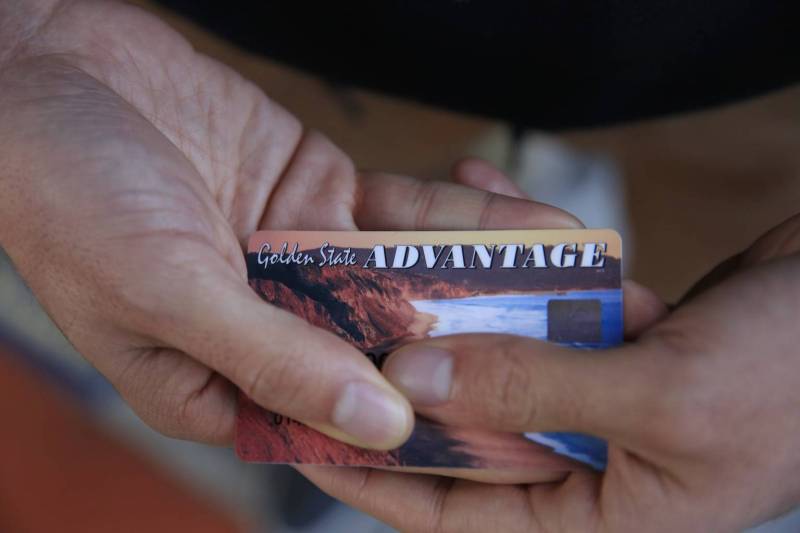
CalFresh benefits are issued through an Electronic Benefit Transfer (EBT) card, which functions like a debit card. You can use your EBT card at most grocery stores, farmers’ markets, and online retailers that accept SNAP.
Where to Use Your EBT Card
Most major grocery chains and many smaller local markets accept EBT payments. Look for the Quest® logo. Farmers’ markets across California often participate in CalFresh programs, sometimes offering matching programs like Market Match, which can double your purchasing power for fresh produce. Many online grocery services also now accept EBT payments, providing a convenient option for those who cannot easily visit physical stores.
What You Can Purchase
CalFresh benefits are intended to purchase eligible food items. This includes:
- Fruits and vegetables
- Meat, poultry, and fish
- Dairy products
- Bread and cereals
- Other foods for human consumption
Items that cannot be purchased with CalFresh benefits include:
- Alcoholic beverages
- Tobacco products
- Any non-food items (e.g., cleaning supplies, paper products, pet food)
- Hot foods or prepared meals intended for immediate consumption (unless purchased from a retailer authorized to sell them with EBT)
Important Considerations for Continued Eligibility
Maintaining your CalFresh eligibility requires ongoing communication and compliance with program rules.
- Reporting Changes: It is crucial to report any changes in your household’s income, expenses, or composition to your local county social services office promptly. Failure to report changes can lead to overpayments, which you may have to repay, or even disqualification from the program.
- Recertification: Your case will be reviewed periodically, typically every 6 to 12 months, through a recertification process. You will need to complete a recertification application and provide updated documentation to continue receiving benefits.
- Cooperation: Cooperate fully with all requests from the CDSS and your local county office. This includes attending scheduled interviews and providing requested information in a timely manner.
By understanding these eligibility criteria and the application process, residents of California can better navigate the CalFresh program and secure vital food assistance for their households. The program serves as a critical support system, helping individuals and families access nutritious food and alleviate the burden of food insecurity.
LifeOutOfTheBox is a participant in the Amazon Services LLC Associates Program, an affiliate advertising program designed to provide a means for sites to earn advertising fees by advertising and linking to Amazon.com. Amazon, the Amazon logo, AmazonSupply, and the AmazonSupply logo are trademarks of Amazon.com, Inc. or its affiliates. As an Amazon Associate we earn affiliate commissions from qualifying purchases.