
Understanding the Role and Pathways to Midwifery in California
Becoming a midwife in California is a deeply rewarding career path for those passionate about supporting women through pregnancy, childbirth, and postpartum care. Midwifery is a distinct profession focused on providing comprehensive, individualized, and evidence-based care, often emphasizing a woman-centered approach. Unlike physicians who may specialize in obstetrics and gynecology, midwives focus primarily on healthy pregnancies and births, utilizing a broader scope of practice that includes preventative care, education, and support. In California, the demand for qualified midwives continues to grow, reflecting a societal shift towards more personalized and holistic birth experiences.

The Multifaceted Role of a Midwife
A midwife’s role extends far beyond simply attending births. They are educators, advocates, and primary healthcare providers for women. Their responsibilities include:
- Prenatal Care: Conducting regular check-ups, monitoring the health and development of both mother and baby, providing nutritional guidance, and educating expectant parents about labor, birth, and newborn care.
- Labor and Birth Support: Offering continuous physical, emotional, and informational support to women during labor and delivery. This can occur in various settings, including hospitals, birth centers, and homes.
- Postpartum Care: Providing care for the mother and newborn in the weeks following birth, addressing physical recovery, emotional well-being, and breastfeeding support.
- Well-Woman Care: Offering routine gynecological exams, family planning services, contraception counseling, and health screenings throughout a woman’s life.
- Education and Empowerment: Empowering women and their families with knowledge and choices regarding their reproductive health and childbirth experiences.
In California, licensed midwives are recognized and regulated, ensuring a standard of care that prioritizes safety and quality. The state’s approach to midwifery is progressive, acknowledging the valuable contributions midwives make to maternal and infant health outcomes.
Educational and Licensure Requirements in California
The path to becoming a licensed midwife in California involves rigorous education, supervised clinical experience, and passing a state-approved examination. The Medical Board of California oversees the licensure of midwives, ensuring that practitioners meet established standards.
Pathways to Education
There are several recognized pathways to acquire the necessary education and training:
-
Accredited Midwifery Education Programs: The most common and recommended route is through a midwifery education program accredited by the Accreditation Commission for Midwifery Education (ACME). These programs offer comprehensive curricula covering midwifery theory, science, and clinical practice. Graduates from ACME-accredited programs are eligible to sit for the national certification exam administered by the American Midwifery Certification Board (AMCB). While ACME accreditation is for Certified Nurse-Midwives (CNMs) and Certified Midwives (CMs), graduates from such programs can often meet the educational requirements for licensure in California.
-
Direct-Entry Midwifery Education: For those not pursuing a nursing background, direct-entry midwifery programs offer education specifically for individuals aspiring to become midwives. These programs may be accredited or unaccredited, and it’s crucial to verify their recognition by the Medical Board of California. Some direct-entry programs may lead to eligibility for licensure through portfolio review or specific equivalency examinations.
-
Apprenticeship or Preceptorship: In some cases, individuals can gain the necessary experience through a structured apprenticeship or preceptorship under a licensed midwife or physician. This pathway typically requires a significant number of supervised clinical hours, documenting a wide range of skills and experiences. The duration and specific requirements for apprenticeship vary and must align with the Medical Board of California’s guidelines for licensure. This route often requires a comprehensive portfolio to demonstrate competency.
Clinical Experience Requirements
Regardless of the educational pathway, accumulating sufficient supervised clinical experience is paramount. This involves:
- Attending a minimum number of births: The Medical Board of California specifies a required number of births attended as primary or assistant midwife.
- Providing prenatal and postpartum care: Documenting a substantial number of prenatal and postpartum clients managed under supervision.
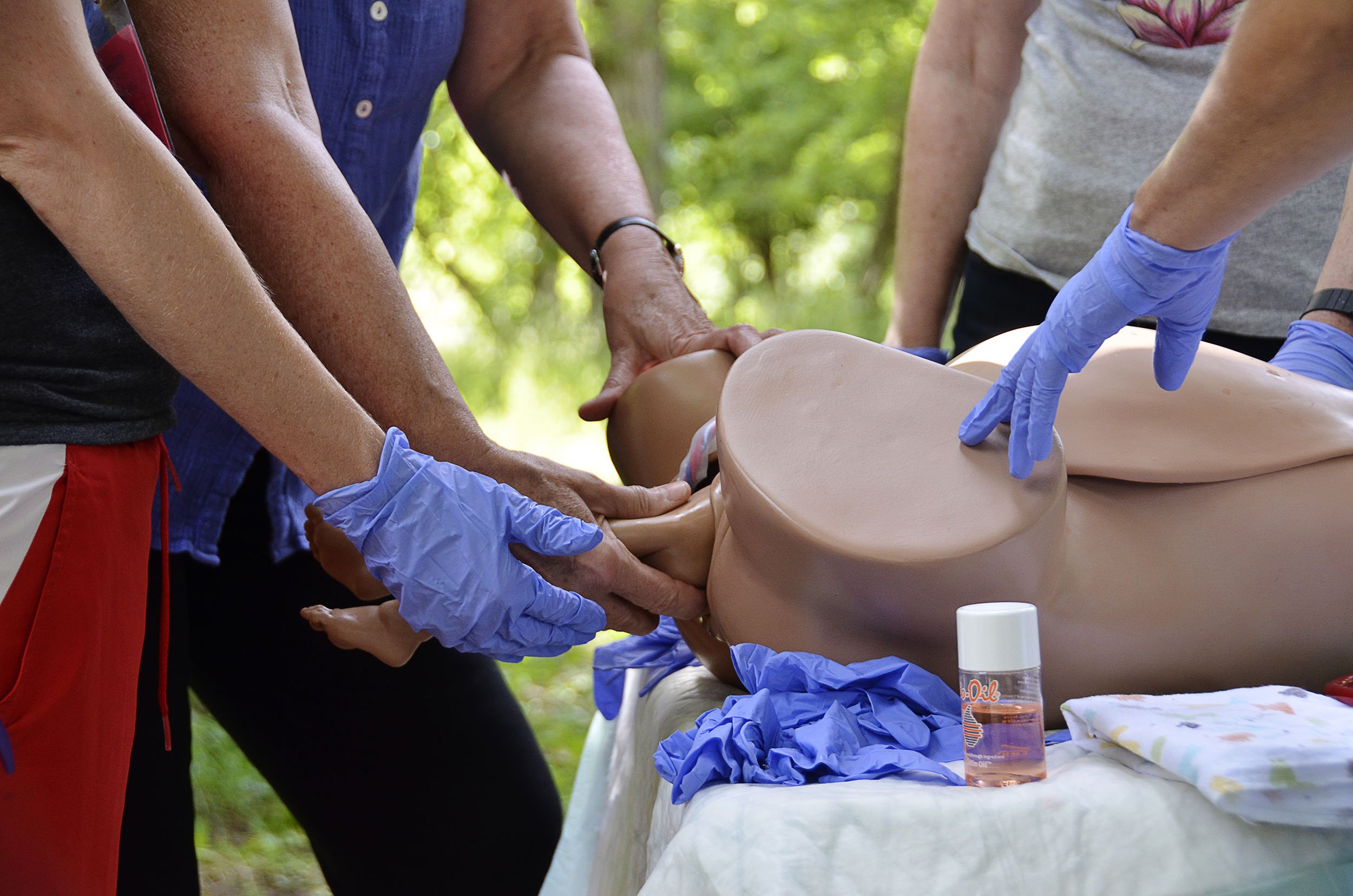
- Performing essential clinical skills: Demonstrating proficiency in a broad range of skills, from physical assessments and vital sign monitoring to suturing and newborn resuscitation.
Licensure Examination and Application
Upon successful completion of an accredited educational program and the required clinical experience, candidates must pass a comprehensive examination. In California, this often involves demonstrating competency through the AMCB certification exam for those who have followed a route aligned with national certification, or meeting specific state examination requirements if pursuing licensure through other pathways.
The licensure application process with the Medical Board of California requires detailed documentation of education, clinical experience, and examination results. Applicants must also undergo background checks and adhere to ethical standards.

Types of Midwives in California
California recognizes different categories of midwives, each with distinct educational backgrounds and scopes of practice. Understanding these distinctions is crucial for aspiring midwives and for women seeking midwifery care.
Certified Nurse-Midwives (CNMs)
Certified Nurse-Midwives (CNMs) are registered nurses who have completed graduate-level midwifery education and passed the AMCB certification exam. CNMs typically practice in hospital settings but can also work in birth centers and, in some instances, provide home birth services. Their scope of practice is broad, encompassing routine gynecological care, family planning, prenatal care, management of labor and birth, and postpartum care for both mother and infant. They are authorized to prescribe medications and order diagnostic tests.
Certified Midwives (CMs)
Certified Midwives (CMs) have also passed the AMCB certification exam but have completed a midwifery education program that is not nursing-based. Their practice is similar to that of CNMs, focusing on pregnancy, childbirth, and postpartum care. In California, the licensure pathway for CMs is established, allowing them to practice as licensed midwives.
Licensed Midwives (LMs)
Licensed Midwives (LMs) in California are practitioners who meet the state’s specific requirements for licensure, which may include education through direct-entry programs or apprenticeships, alongside supervised clinical experience. LMs are primarily focused on out-of-hospital births, including home births and births in freestanding birth centers. Their practice emphasizes a holistic and individualized approach to care, with a strong focus on education and support for families. LMs work collaboratively with physicians for consultation and referral when necessary, ensuring the safety of their clients.
Important Distinctions
It’s important for aspiring midwives to understand which category aligns with their educational aspirations and desired scope of practice. While all licensed midwives in California are committed to providing high-quality maternal and infant care, their training pathways and practice settings can differ. The Medical Board of California is the ultimate authority on licensure and practice regulations for all types of midwives in the state.
Practicing Midwifery in California: Opportunities and Considerations
The landscape of midwifery practice in California offers diverse opportunities, from hospital-based practice to independent birth center or home birth services. Aspiring midwives should consider these aspects as they embark on their career journey.
Practice Settings
- Hospitals: CNMs are frequently employed by hospitals, working as part of obstetrical teams. They manage low-risk pregnancies and births, collaborate with obstetricians for higher-risk cases, and often provide well-woman care. Major hospital systems across California, such as those in Los Angeles, San Francisco, and San Diego, employ CNMs.
- Birth Centers: Freestanding birth centers offer a homelike, non-hospital setting for birth. These centers are typically staffed by LMs and CNMs and provide a supportive environment for low-risk pregnancies. Many urban and suburban areas in California have accredited birth centers.
- Home Births: LMs often provide care for women who choose to give birth in their own homes. This setting emphasizes a deeply personalized and family-centered approach. The practice of home birth in California is well-established and regulated, with a strong emphasis on safety protocols and collaborative care.
- Community Health Clinics: Midwives also play a vital role in community health clinics, providing comprehensive reproductive healthcare services to underserved populations.
Professional Development and Continuing Education
The field of midwifery is constantly evolving with new research and best practices. Licensed midwives in California are required to complete continuing education units (CEUs) to maintain their licensure. Professional organizations like the California Association of Midwives offer valuable resources, networking opportunities, and educational events to support ongoing professional development.
Legal and Ethical Considerations
Midwifery practice in California is governed by strict legal and ethical guidelines. Licensed midwives must adhere to the regulations set forth by the Medical Board of California, including scope of practice, informed consent, documentation standards, and reporting requirements. Understanding the legal framework and maintaining ethical integrity are fundamental to providing safe and responsible midwifery care. Collaboration and consultation with physicians are essential components of responsible practice, particularly for managing complications or transferring care when necessary.
The Future of Midwifery in California
The demand for midwives in California is expected to continue to rise. Factors contributing to this growth include increased consumer interest in alternative birth options, a growing awareness of the cost-effectiveness and positive health outcomes associated with midwifery care, and a shortage of obstetricians in some areas. As the profession evolves, aspiring midwives have the opportunity to shape the future of maternal healthcare in the state, advocating for policies that support midwifery and expanding access to high-quality, woman-centered care.
LifeOutOfTheBox is a participant in the Amazon Services LLC Associates Program, an affiliate advertising program designed to provide a means for sites to earn advertising fees by advertising and linking to Amazon.com. Amazon, the Amazon logo, AmazonSupply, and the AmazonSupply logo are trademarks of Amazon.com, Inc. or its affiliates. As an Amazon Associate we earn affiliate commissions from qualifying purchases.