
Becoming a nurse assistant in California offers a rewarding pathway into the healthcare sector, providing essential patient care and a stable career. This guide outlines the comprehensive steps, requirements, and considerations for aspiring nurse assistants looking to begin their journey in the Golden State. The demand for qualified nurse assistants remains consistently high across California, driven by an aging population and the continuous need for compassionate, hands-on care in hospitals, skilled nursing facilities, and home healthcare settings.
Understanding the Role of a Nurse Assistant
A nurse assistant, often referred to as a Certified Nursing Assistant (CNA), plays a vital role in the daily lives of patients. Their responsibilities are multifaceted, focusing on providing fundamental care and supporting the overall well-being of individuals under the supervision of licensed nurses.
Key Responsibilities and Duties
The day-to-day duties of a nurse assistant are diverse and depend on the specific healthcare setting. However, common responsibilities include:
- Assisting with Personal Hygiene: This encompasses helping patients with bathing, dressing, grooming, oral care, and toileting. For many, this is the most intimate and crucial aspect of their care, requiring empathy and respect.
- Mobility Assistance: Nurse assistants help patients move safely, whether it’s transferring them from bed to a chair, assisting with walking, or repositioning them to prevent pressure sores. This often involves the use of assistive devices and proper body mechanics.
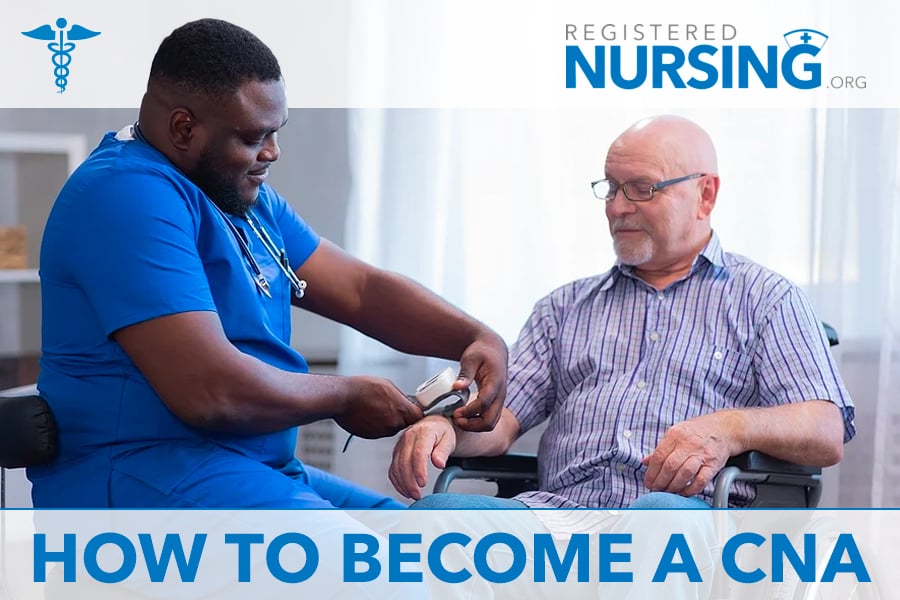
- Monitoring Vital Signs: Taking and recording vital signs such as temperature, pulse, respiration, and blood pressure is a core duty. This data provides crucial information for nurses to assess patient conditions.
- Feeding and Hydration: Assisting patients who have difficulty eating or drinking independently, ensuring they receive adequate nutrition and hydration, is another important task. This can include preparing meals, cutting food, and feeding patients as needed.
- Observing and Reporting: Nurse assistants are the eyes and ears for the nursing staff. They must carefully observe patients for any changes in their condition, such as pain, changes in skin integrity, or behavioral shifts, and promptly report these observations to the charge nurse.
- Maintaining a Clean and Safe Environment: This includes keeping patient rooms tidy, changing bed linens, and ensuring that the overall environment is safe and free from hazards.
- Documenting Care: Accurately recording the care provided, vital signs, and any observations in patient charts is essential for continuity of care and legal purposes.
Work Environments
Nurse assistants can find employment in a variety of settings, each offering a unique experience:
- Hospitals: Working in a hospital setting often involves caring for patients with acute illnesses or injuries, requiring a fast-paced and dynamic approach. Opportunities exist across various departments, from general medical-surgical floors to specialized units.
- Skilled Nursing Facilities (SNFs) / Long-Term Care Facilities: These facilities provide rehabilitative, restorative, and long-term care to residents who require ongoing medical attention. This environment often fosters strong relationships with residents due to longer stays.
- Assisted Living Facilities: These communities offer support for individuals who need help with daily living activities but do not require the intensive medical care found in SNFs.
- Home Healthcare Agencies: Providing care directly in patients’ homes, offering a more personalized and independent work experience. This role allows for one-on-one patient interaction.
- Hospices: Caring for terminally ill patients, focusing on comfort, dignity, and emotional support for both the patient and their family.
Requirements for Becoming a Nurse Assistant in California
To legally work as a nurse assistant in California, individuals must meet specific state-mandated requirements. These ensure that all CNAs possess the foundational knowledge and skills necessary to provide safe and effective patient care.
Age and Education
- Minimum Age: Aspiring nurse assistants must be at least 16 years old to enroll in a training program. However, most healthcare facilities require employees to be 18 years of age or older due to the nature of the work and potential for independent work.
- High School Diploma or GED: While not always a strict requirement to enter a training program, most employers will prefer or require a high school diploma or GED. This demonstrates a baseline level of education and commitment.
State-Approved Training Program
- Mandatory Training: In California, all individuals seeking to become CNAs must complete a state-approved training program. These programs are designed to equip students with the necessary theoretical knowledge and practical skills.
- Program Duration: California requires a minimum of 160 hours of training. This typically includes classroom instruction and a significant number of supervised clinical hours in a healthcare setting. The exact breakdown can vary between programs, but it generally includes at least 100 hours of theory and 60 hours of hands-on clinical practice.
- Curriculum: The curriculum covers a broad range of topics, including:
- Fundamentals of nursing care
- Infection control
- Patient rights and privacy (HIPAA)
- Basic anatomy and physiology
- Vital signs monitoring
- Personal care skills
- Emergency procedures
- Communication and interpersonal skills
- Nutrition and hydration
- Safe patient handling and mobility
- End-of-life care
Criminal Background Check
- Fingerprinting: As part of the certification process, all candidates must undergo a criminal background check, which includes fingerprinting. This is a standard procedure in the healthcare industry to ensure patient safety and prevent individuals with certain criminal convictions from working in direct patient care roles.
- California Department of Public Health (CDPH): The background check is typically processed through the California Department of Public Health (CDPH), which maintains the Nurse Assistant Registry.
Passing the Certification Exam

- State Examination: Upon successful completion of an approved training program, candidates must pass a comprehensive state certification exam. This exam is administered by the California Department of Public Health or a designated testing agency.
- Exam Format: The exam typically consists of two parts:
- Written/Knowledge Test: This part assesses the candidate’s understanding of nursing assistant principles, procedures, and safety protocols. It is usually a multiple-choice examination.
- Skills Demonstration: This practical component requires the candidate to perform several essential nursing assistant tasks under the observation of a registered nurse evaluator. These skills are chosen randomly from a list of common CNA duties. Examples might include handwashing, taking vital signs, assisting a patient with ambulation, or performing catheter care.
- Passing Scores: Candidates must achieve a passing score on both the written and skills portions of the exam to become certified.
Finding and Enrolling in a Nurse Assistant Training Program
Choosing the right training program is a critical first step. Numerous options are available across California, catering to different schedules and learning preferences.
Types of Training Programs
- Community Colleges: Many California community colleges offer certified nursing assistant programs, often at an affordable price. These programs are generally well-regarded and provide a solid educational foundation.
- Private Vocational Schools: A variety of private institutions specialize in healthcare training. While these may sometimes be more expensive, they often offer more flexible scheduling options, including evening and weekend classes.
- Hospitals and Healthcare Facilities: Some larger hospitals and healthcare systems offer their own CNA training programs, sometimes in partnership with local colleges or as an in-house initiative. These programs can be an excellent way to secure employment with the facility upon completion, as they often have a vested interest in hiring their graduates.
- Regional Occupational Centers (ROPs): These centers, often affiliated with high school districts, provide vocational training to students and adults, and many offer CNA certification programs.
What to Look for in a Program
When selecting a program, consider the following factors:
- State Approval: Ensure the program is officially approved by the California Department of Public Health. An unapproved program will not qualify you for certification.
- Clinical Site Affiliations: A program with strong relationships with reputable healthcare facilities for clinical rotations is beneficial. This provides valuable real-world experience.
- Instructor Qualifications: Inquire about the qualifications and experience of the instructors. Experienced healthcare professionals often bring invaluable practical insights.
- Pass Rates: Ask for the program’s pass rates on the state certification exam. High pass rates are a good indicator of program quality.
- Program Schedule and Cost: Evaluate if the program’s schedule fits your availability and if the tuition and fees are within your budget. Consider additional costs such as textbooks, uniforms, and exam fees.
- Job Placement Assistance: Some programs offer career services or job placement assistance, which can be a valuable resource after graduation.
The Application Process
The application process typically involves:
- Meeting Prerequisites: Confirm you meet the age and educational requirements.
- Completing an Application Form: Fill out the program’s application thoroughly and accurately.
- Submitting Required Documents: This may include transcripts, proof of age, and immunization records.
- Attending an Information Session: Many programs require prospective students to attend an orientation or information session.
- Paying Tuition and Fees: Be prepared to pay the program’s costs. Financial aid or payment plans might be available.
The Certification Exam and Beyond
Passing the state certification exam is the final hurdle to becoming a licensed nurse assistant in California. Once certified, you can begin your career and explore opportunities for advancement.
Preparing for the Certification Exam
- Review Program Materials: Thoroughly revisit all notes, textbooks, and study guides from your training program.
- Practice Exams: Utilize practice written exams to gauge your knowledge and identify areas needing further study. Many training programs provide access to these.
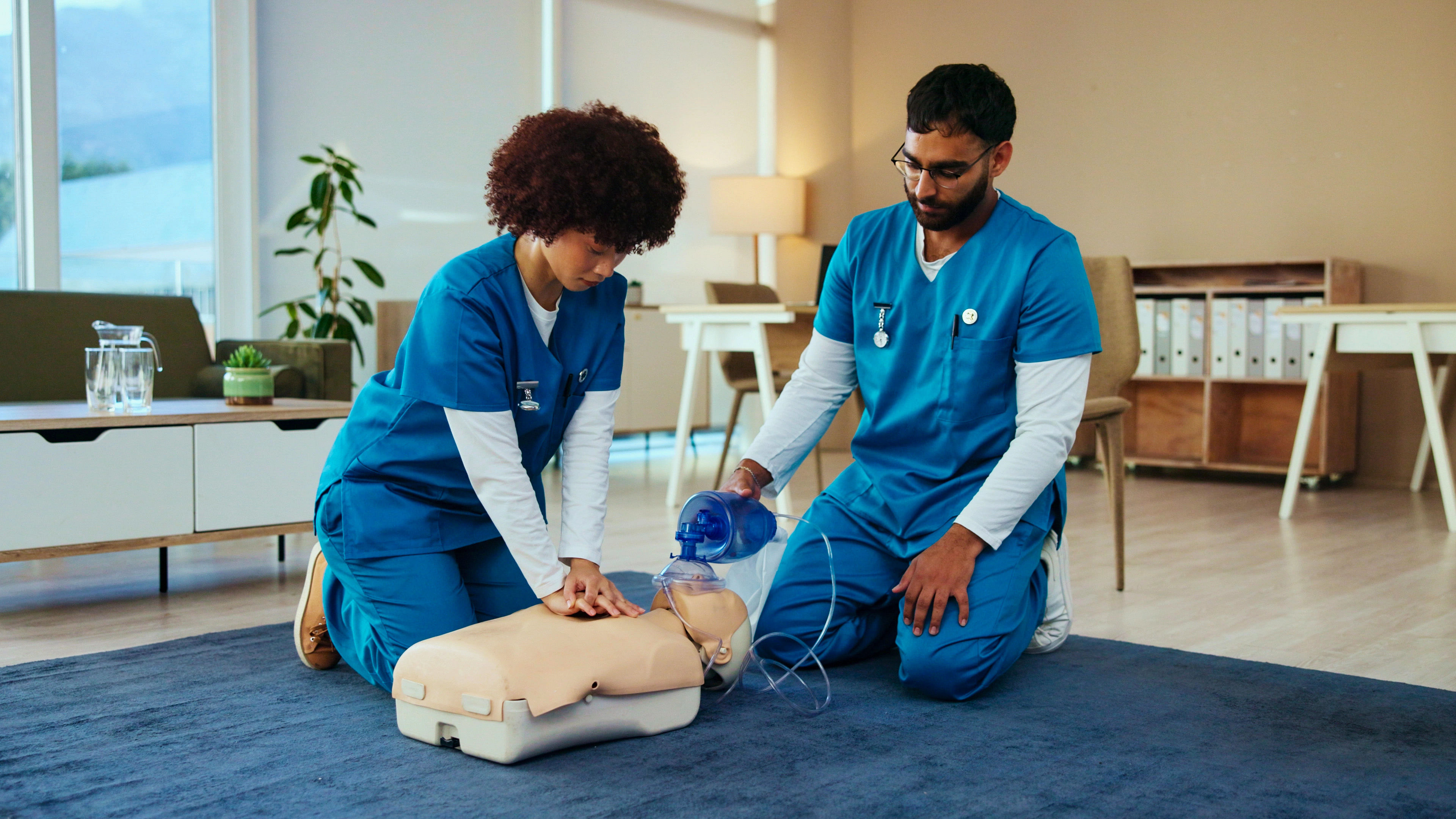
- Skills Practice: Dedicate significant time to practicing the required skills. Practice each skill repeatedly until you can perform it confidently and accurately. Work with classmates or instructors to simulate the exam environment.
- Understand the Testing Format: Familiarize yourself with how the written and skills exams are structured and administered.
- Rest and Nutrition: Ensure you are well-rested and have a balanced diet leading up to the exam day.
After Certification: Job Search and Career Growth
Once you have successfully passed the exam and are listed on the California Nurse Assistant Registry, you are eligible to work as a CNA.
- Resume and Cover Letter: Craft a professional resume highlighting your training, clinical experience, and any relevant skills. Write a compelling cover letter tailored to each job application.
- Networking: Let your instructors, clinical supervisors, and former classmates know you are seeking employment. Networking can lead to valuable job leads.
- Job Search Platforms: Utilize online job boards, healthcare facility career pages, and professional nursing association websites.
- Interview Preparation: Prepare for common interview questions related to patient care, ethical dilemmas, and your strengths and weaknesses.
- Continuing Education: To maintain your certification, you will likely need to complete a certain number of continuing education hours periodically, as mandated by the California Department of Public Health.
- Career Advancement: With experience, CNAs can pursue further education to become Licensed Vocational Nurses (LVNs) or Registered Nurses (RNs), opening up a wider range of career opportunities and responsibilities within the healthcare field. Some CNAs also specialize in areas like geriatrics or hospice care.
Embarking on a career as a nurse assistant in California is a journey that requires dedication, compassion, and a commitment to learning. By understanding and fulfilling the requirements, selecting an appropriate training program, and diligently preparing for the certification exam, you can successfully launch a fulfilling career in this essential healthcare profession.
LifeOutOfTheBox is a participant in the Amazon Services LLC Associates Program, an affiliate advertising program designed to provide a means for sites to earn advertising fees by advertising and linking to Amazon.com. Amazon, the Amazon logo, AmazonSupply, and the AmazonSupply logo are trademarks of Amazon.com, Inc. or its affiliates. As an Amazon Associate we earn affiliate commissions from qualifying purchases.