
Becoming a paramedic in California is a rewarding career path that allows individuals to provide critical medical care in emergency situations. The state of California has rigorous standards and a structured process for paramedic certification, ensuring that only highly trained professionals serve its communities. This guide outlines the essential steps, qualifications, and considerations for aspiring paramedics looking to embark on this vital profession within the Golden State.
Understanding the Role and Requirements
A paramedic is an advanced medical responder who provides pre-hospital emergency care. In California, paramedics operate under the direction of a physician medical director and can administer a wide range of medications, perform advanced procedures like intubation, and manage complex medical emergencies. The role demands not only extensive medical knowledge but also physical stamina, emotional resilience, and the ability to make quick, critical decisions under pressure.
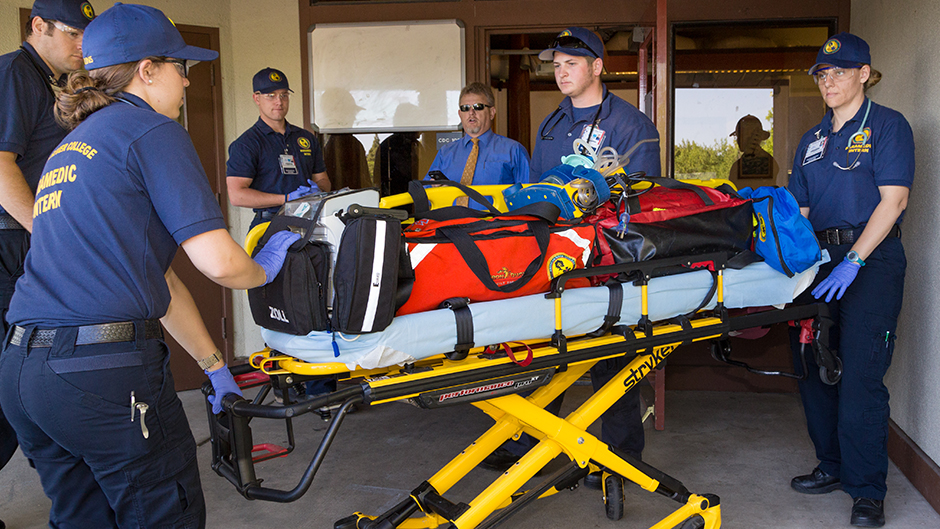
Essential Qualifications
Before embarking on a paramedic program, several fundamental qualifications are typically required:
- Age: Applicants must be at least 18 years old.
- Education: A high school diploma or GED is a prerequisite. Many programs also recommend or require some college-level coursework in science or anatomy and physiology.
- Basic Life Support (BLS) Certification: Certification in Basic Life Support, often through the American Heart Association or similar organizations, is mandatory. This demonstrates proficiency in CPR and basic emergency care.
- EMT Certification: A crucial step is becoming a Certified Emergency Medical Technician (EMT). This involves completing an EMT training program and passing a state-approved certification exam. EMTs provide foundational emergency medical care, and paramedic training builds directly upon this skillset. The training for an EMT typically involves classroom instruction, hands-on skills practice, and supervised clinical experience.
Physical and Mental Aptitude
The demanding nature of paramedic work necessitates a certain level of physical and mental fitness. Applicants should be:
- Physically Fit: The ability to lift and carry patients, perform strenuous tasks, and withstand demanding conditions is essential.
- Mentally Resilient: Paramedics regularly encounter traumatic situations and must be able to manage stress, grief, and the emotional toll of the job while maintaining professional composure.
- Good Communication Skills: Clear and concise communication with patients, their families, and other healthcare professionals is paramount.
The Paramedic Education Pathway
Becoming a certified paramedic in California requires successful completion of an accredited paramedic education program. These programs are designed to provide advanced medical knowledge and practical skills necessary for the role.
Accreditation and Program Selection
Paramedic programs in California must be accredited by the Commission on Accreditation of Allied Health Education Programs (CAAHEP) or an equivalent accrediting body recognized by the California Emergency Medical Services Authority (EMSA). Choosing an accredited program ensures that the curriculum meets national and state standards for paramedic education.
When selecting a program, consider:
- Curriculum: Ensure the program covers all required didactic, laboratory, and clinical components outlined by the California EMSA. This typically includes advanced anatomy and physiology, pharmacology, cardiology, respiratory emergencies, trauma, pediatrics, and mass casualty incidents.
- Clinical Rotations: Hands-on experience is critical. The program should offer comprehensive clinical rotations in various settings, such as hospital emergency departments, intensive care units, and ambulances. These rotations provide invaluable real-world experience under the supervision of experienced professionals.
- Pass Rates: Inquire about the program’s success rates on the national certification exam (NREMT) and state licensure exams.
- Faculty Qualifications: Experienced instructors with strong clinical backgrounds are essential for effective teaching.
- Location and Schedule: Programs vary in length and format, with some offering full-time, part-time, or hybrid options. Choose one that fits your personal and professional commitments.
Program Structure and Content
Paramedic programs in California typically involve a significant amount of learning and practical application. The coursework often includes:
- Didactic Instruction: In-depth study of medical principles, pathophysiology, pharmacology, and treatment protocols.
- Skills Labs: Hands-on practice of essential paramedic skills, such as airway management, intravenous access, medication administration, wound care, and cardiac monitoring.
- Clinical Internships: Supervised experience in hospital emergency departments, intensive care units, operating rooms, and labor and delivery units.
- Field Internships: Working alongside experienced paramedics on an ambulance, responding to actual emergency calls and applying learned skills in a pre-hospital environment.
The duration of these programs can vary, but most are intensive and can range from 12 to 24 months.
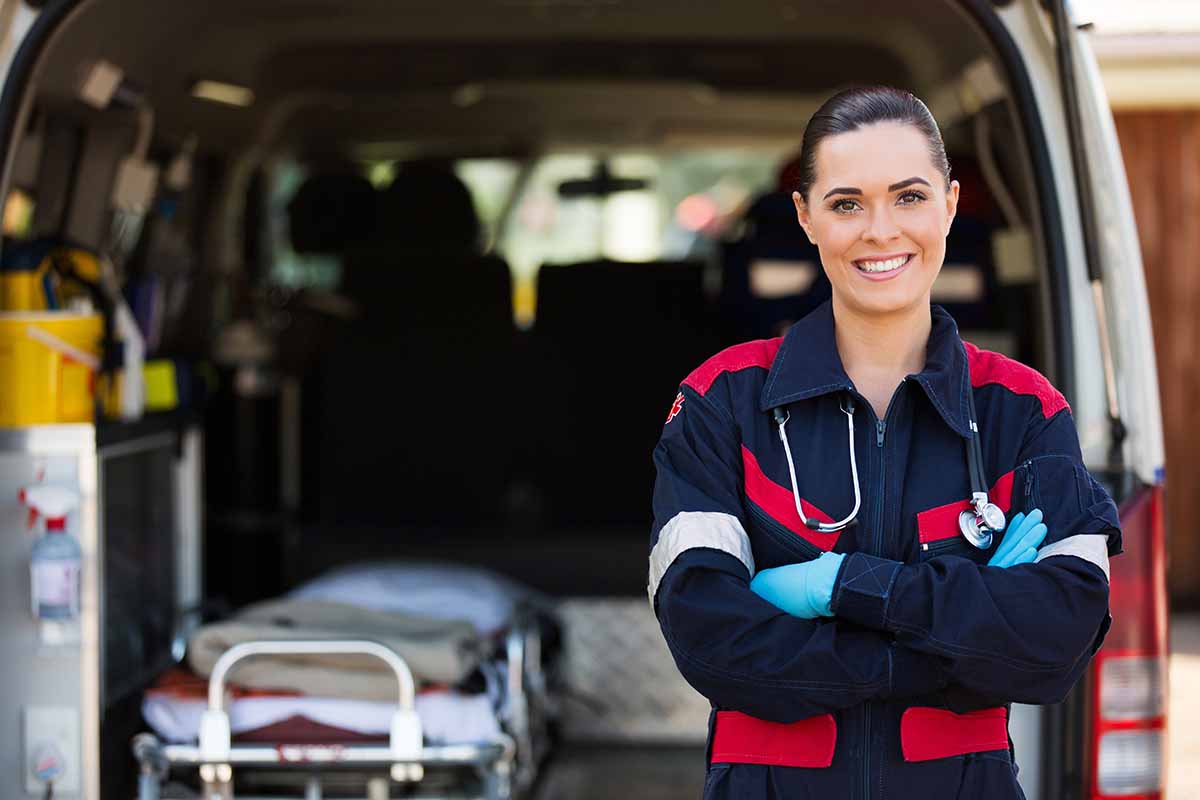
Certification and Licensure in California
Upon successful completion of an accredited paramedic education program, aspiring paramedics must undergo a rigorous certification and licensure process administered by the California Emergency Medical Services Authority (EMSA) and potentially national bodies.
National Registry of Emergency Medical Technicians (NREMT)
Most paramedic programs in California prepare students for the National Registry of Emergency Medical Technicians (NREMT) cognitive and psychomotor exams. Passing the NREMT cognitive exam is a crucial step towards national certification. Many employers, and indeed the California EMSA, require or strongly prefer NREMT certification.
State Licensure (EMSA)
After completing an accredited program and often after obtaining NREMT certification, individuals must apply for licensure as a paramedic with the California Emergency Medical Services Authority (EMSA). The EMSA oversees the licensing of EMS personnel in the state. The application process typically includes:
- Submission of Program Completion Documentation: Proof of graduation from an accredited paramedic program.
- Passing the NREMT Exam: Evidence of successful completion of the NREMT cognitive examination.
- Background Check: Applicants are subject to criminal background checks.
- Application Fees: Payment of all required application and licensing fees.
Once licensed by the EMSA, a paramedic can practice within California under the medical direction of a physician medical director employed by an EMS provider agency.
Medical Director Approval
In California, paramedics practice under the medical direction of a local or regional physician medical director. This physician is responsible for overseeing the medical protocols, training, and quality assurance for paramedics within their jurisdiction. Upon receiving state licensure, a paramedic will typically need to be affiliated with an EMS provider agency that has a designated medical director. This director will ensure the paramedic’s skills are current and that they are adhering to established medical guidelines.
Career Opportunities and Professional Development
With a paramedic license in hand, a world of diverse and challenging career opportunities opens up. The demand for skilled paramedics in California remains consistently high, driven by the state’s large population and diverse geographic landscape.
Employment Settings
Paramedics can find employment in a variety of settings:
- Ambulance Services: This is the most common employment route, providing emergency response and transport to hospitals. This can include municipal services, private ambulance companies, and hospital-based EMS systems.
- Hospitals: Some hospitals employ paramedics in their emergency departments, assisting with patient care and triage.
- Fire Departments: Many fire departments employ paramedics as part of their emergency response teams, often integrating fire suppression and medical services. Cities like Los Angeles and San Francisco have robust fire-based EMS systems.
- Air Medical Services: With additional experience and specialized training, paramedics can transition to flight paramedic roles, providing critical care during medical transport via helicopter or fixed-wing aircraft.
- Industrial and Event Medical Services: Paramedics are also employed to provide medical coverage at large events, industrial sites, and film sets.
- Search and Rescue Operations: In specialized units, paramedics may be involved in remote and wilderness rescue scenarios.
Continuing Education and Specialization
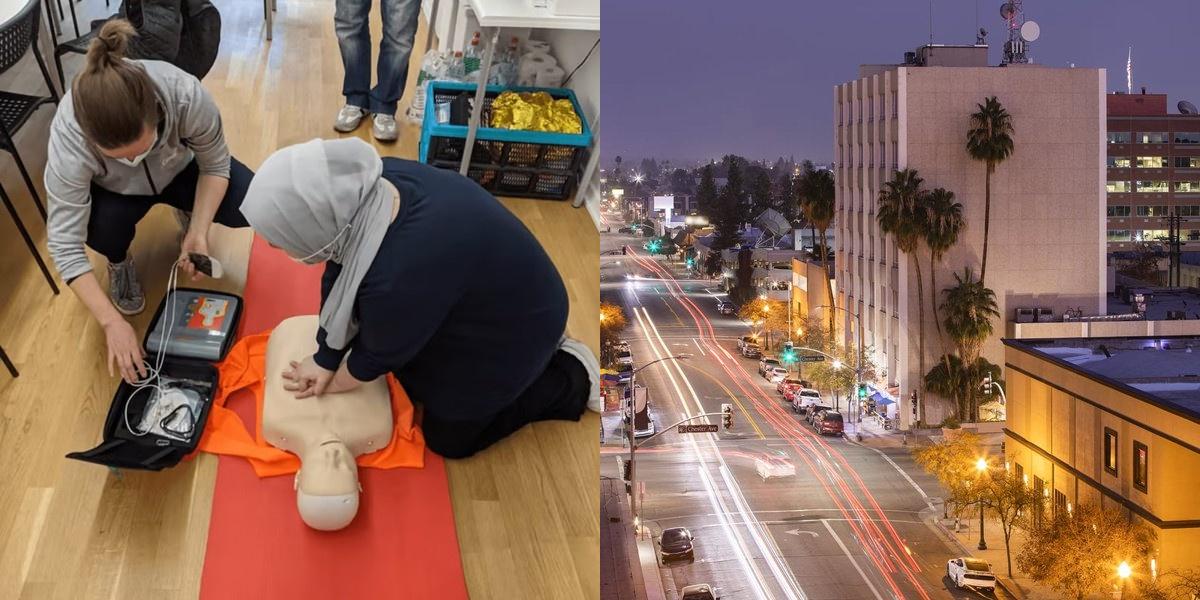
The field of emergency medical services is constantly evolving, necessitating ongoing professional development for paramedics. To maintain their California paramedic license, individuals are required to complete a certain number of continuing education hours periodically. This ensures that paramedics stay updated on the latest medical advancements, treatment protocols, and technologies.
Further specialization is also a common path for career growth. Paramedics can pursue advanced certifications and training in areas such as:
- Critical Care Transport: Focusing on the transport of critically ill or injured patients between facilities.
- Community Paramedicine: Providing healthcare services in non-emergency settings, such as home visits or chronic disease management.
- Tactical Medicine: Working with law enforcement or SWAT teams to provide medical support in high-risk situations.
- Instructor Roles: Sharing their knowledge and experience by teaching in paramedic education programs.
The journey to becoming a paramedic in California is demanding but incredibly fulfilling. It requires dedication, rigorous training, and a profound commitment to serving others. By understanding and navigating the educational pathways, certification processes, and career opportunities, aspiring individuals can successfully embark on a meaningful career as a vital member of the California emergency medical services system.
LifeOutOfTheBox is a participant in the Amazon Services LLC Associates Program, an affiliate advertising program designed to provide a means for sites to earn advertising fees by advertising and linking to Amazon.com. Amazon, the Amazon logo, AmazonSupply, and the AmazonSupply logo are trademarks of Amazon.com, Inc. or its affiliates. As an Amazon Associate we earn affiliate commissions from qualifying purchases.