
The journey to becoming a Registered Dietitian (RD) or Registered Dietitian Nutritionist (RDN) in California is a well-defined path, guided by national and state-level accreditation and licensing bodies. This profession, at the intersection of health, nutrition, and public well-being, requires a rigorous educational foundation, supervised practice, and ongoing professional development. For aspiring RDs in the Golden State, understanding each step is crucial for a successful and fulfilling career. The process is designed to ensure that practitioners possess the necessary knowledge and skills to provide evidence-based nutrition care and education.
Educational Requirements
The foundation for becoming a Registered Dietitian in California is a comprehensive academic education. This typically involves obtaining a bachelor’s degree from an accredited institution, followed by a graduate degree, which is now a mandatory requirement.
Undergraduate Studies
While a bachelor’s degree in dietetics or a related field was once the primary requirement, the landscape has evolved. Prospective RDs must now complete a minimum of a bachelor’s degree. Many students choose majors such as nutrition science, dietetics, food and nutrition, or public health. These programs provide a strong understanding of biological sciences, chemistry, physiology, biochemistry, and the fundamental principles of human nutrition and metabolism. Coursework often includes subjects like medical nutrition therapy, food science, community nutrition, and food service management. It is essential to ensure the undergraduate program is from a program that is accredited by the Accreditation Council for Education in Nutrition and Dietetics (ACEND), as this will be a prerequisite for the subsequent graduate-level requirements.
Graduate Degree Requirement
As of January 1, 2024, a master’s degree is a mandatory requirement for all individuals seeking to become Registered Dietitians. This graduate-level education builds upon the undergraduate foundation, offering more in-depth knowledge and specialized training. Master’s programs in dietetics or nutrition provide advanced study in areas such as clinical nutrition, public health nutrition, sports nutrition, and specialized areas like pediatric or geriatric nutrition. These programs are also accredited by ACEND. The graduate degree requirement aims to elevate the profession by ensuring practitioners have a higher level of expertise and are better prepared to address complex health issues.
Supervised Practice (Dietetic Internship)
Following the completion of the required degrees, aspiring RDs must successfully complete a supervised practice program, commonly known as a dietetic internship. These internships are accredited by ACEND and are highly competitive. They provide hands-on experience in various settings, including hospitals, community health agencies, food service operations, and private practice. The internship typically lasts between 6 to 12 months and involves a minimum of 1000 hours of supervised practice. During this period, interns gain practical skills in medical nutrition therapy, patient counseling, food service management, and community nutrition program development. The experience is invaluable for applying theoretical knowledge in real-world scenarios and developing professional competencies.
Examination and Credentialing
Once the educational and supervised practice requirements are met, the next critical step is passing a national examination to earn the Registered Dietitian credential.
The Registration Examination for Dietitians
The credentialing exam is administered by the Commission on Dietetic Registration (CDR), the credentialing agency for the Academy of Nutrition and Dietetics. This comprehensive examination assesses the knowledge and skills required for entry-level practice as a dietitian. The exam covers a broad range of topics, including food and nutrition sciences, nutrition assessment, nutrition intervention, and nutrition care for individuals and groups. Candidates are expected to demonstrate a strong understanding of evidence-based practice and the ability to apply this knowledge to diverse patient populations and health conditions. Preparation for the exam typically involves extensive review of course materials, practice exams, and study guides.
Obtaining the Registered Dietitian (RD/RDN) Credential
Upon successful completion of the CDR exam, individuals are awarded the Registered Dietitian (RD) or Registered Dietitian Nutritionist (RDN) credential. The RD/RDN designation signifies that a professional has met the rigorous academic and professional standards set by the Academy of Nutrition and Dietetics. This credential is the hallmark of a qualified nutrition professional and is recognized nationally and internationally.
Licensure in California
In addition to national credentialing, California requires licensure for individuals to practice as dietitians within the state. This ensures that only qualified and credentialed professionals are providing nutrition services to the public.
The California Board of Dietetic Examiners
The California Board of Dietetic Examiners, part of the Department of Consumer Affairs, is responsible for overseeing the licensure of dietitians in the state. To be eligible for licensure, applicants must meet specific criteria, which include holding the RD/RDN credential from the CDR. The Board reviews applications to ensure that all educational, experiential, and examination requirements have been met.

Application for Licensure
The application process for a dietitian license in California involves submitting a formal application along with supporting documentation. This typically includes proof of academic degrees, verification of supervised practice completion, and confirmation of passing the CDR registration examination. There may also be state-specific requirements or background checks to complete. Once the application is approved, the individual is granted a license to practice dietetics in California. The license must be renewed periodically, usually every two years, which often involves continuing education requirements.
Continuing Professional Education (CPE)
To maintain the RD/RDN credential and the California state license, Registered Dietitians must engage in ongoing learning and professional development.
CDR Continuing Professional Education Requirements
The Commission on Dietetic Registration mandates that RDs and RDNs complete a minimum of 75 hours of Continuing Professional Education (CPE) every five years. This CPE ensures that practitioners stay current with the latest advancements in nutrition science, research, and best practices in dietetic practice. Approved CPE activities can include attending webinars, participating in workshops and conferences, completing online courses, presenting at professional meetings, and engaging in scholarly work.
California Licensure Renewal and CPE
Similarly, the California Board of Dietetic Examiners requires licensees to complete a certain number of CPE hours to maintain their state license. While often aligned with CDR requirements, it is crucial for RDs in California to verify the specific requirements set by the state board. This commitment to lifelong learning is vital for providing high-quality, evidence-based nutrition care and adapting to the evolving needs of the population.
Career Pathways for Registered Dietitians in California
The role of a Registered Dietitian is diverse, with opportunities spanning various sectors within California. The skills and knowledge acquired through the rigorous educational and credentialing process equip RDs for a wide array of career paths.
Clinical Dietetics
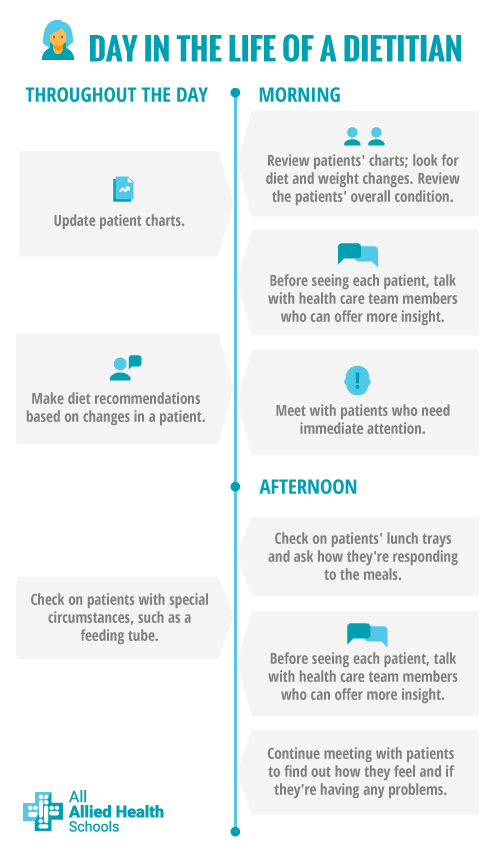
A significant portion of RDs find employment in healthcare settings, such as hospitals, medical centers like UCLA Health or Cedars-Sinai Medical Center, and long-term care facilities. In these roles, RDs assess patients’ nutritional status, develop and implement nutrition care plans, provide medical nutrition therapy for various diseases (e.g., diabetes, cardiovascular disease, kidney disease), and educate patients and their families. They work as part of interdisciplinary healthcare teams, collaborating with physicians, nurses, and other allied health professionals to optimize patient outcomes.
Community and Public Health Nutrition
RDs play a vital role in promoting health and preventing disease at a population level. They work with government agencies, non-profit organizations, and community health centers to design and implement nutrition programs. This can involve developing educational materials, conducting nutrition workshops, advocating for policies that support healthy eating, and addressing food insecurity in communities across California. Organizations such as California Food Policy Advocates often employ RDs to further their missions.
Food Service Management
Registered Dietitians are also essential in managing food service operations, particularly in large institutions like hospitals, schools, and correctional facilities. They are responsible for menu planning, ensuring nutritional adequacy, implementing food safety regulations, managing budgets, and overseeing staff. Their expertise ensures that large-scale food services are not only efficient but also meet the diverse nutritional needs of their clientele.
Private Practice and Consulting
Many RDs choose to establish their own private practices or offer consulting services. This allows them to work directly with clients on a one-on-one basis, focusing on areas such as weight management, sports nutrition, eating disorders, and general wellness. They may also contract with corporations to provide employee wellness programs or consult for the food industry on product development and marketing. The entrepreneurial spirit thrives in this sector, allowing RDs to tailor their services to specific market demands.
Research and Academia
For those with a passion for advancing the field of nutrition science, careers in research and academia are a rewarding option. RDs with advanced degrees, such as a Ph.D., can pursue research opportunities at universities like Stanford University or UC Berkeley, investigating new nutritional therapies and understanding the complex interplay between diet and health. They also contribute to the education of future dietitians by teaching at accredited academic programs.
The pathway to becoming a Registered Dietitian in California is demanding yet profoundly rewarding. By adhering to the educational, experiential, and credentialing requirements, aspiring professionals can build a meaningful career dedicated to improving the health and well-being of individuals and communities throughout the state.
LifeOutOfTheBox is a participant in the Amazon Services LLC Associates Program, an affiliate advertising program designed to provide a means for sites to earn advertising fees by advertising and linking to Amazon.com. Amazon, the Amazon logo, AmazonSupply, and the AmazonSupply logo are trademarks of Amazon.com, Inc. or its affiliates. As an Amazon Associate we earn affiliate commissions from qualifying purchases.