
Becoming a wedding officiant in California offers a rewarding path, blending personal fulfillment with a direct contribution to one of life’s most significant milestones. While the notion of officiating a wedding might seem steeped in tradition and requiring formal religious ordination, the reality in California is far more accessible. This guide delves into the straightforward steps and considerations for anyone aspiring to solemnize marriages within the Golden State, focusing on the legal requirements and practical aspects of this unique role.
Understanding the Legal Framework for Officiants in California
California has a remarkably inclusive set of laws governing who can legally solemnize a marriage. Unlike some states with stringent requirements, California allows a broad spectrum of individuals to perform wedding ceremonies. Understanding these legal parameters is the foundational step in your journey to becoming an officiant.

Who Can Officiate a Wedding in California?
The primary legal authority for performing marriages in California is established by the California Family Code, Section 400. This section broadly permits various individuals to solemnize marriages, ensuring accessibility for those who wish to serve their communities in this capacity.
- Religious Officials: Ordained ministers, priests, rabbis, imams, and other religious leaders from any recognized religious denomination or church are authorized. This is often the most traditional route.
- Civil Celebrants: Judges, commissioners, and assistant commissioners of the California courts are also empowered to officiate. This typically applies to ceremonies conducted within a courthouse setting.
- Secular Officiants: Significantly, California also recognizes officiants ordained online by non-denominational religious organizations. This has opened the door for many individuals to become officiants through organizations like the Universal Life Church, which provides ordination upon completing a simple online application. These secular officiants perform ceremonies that are personal, inclusive, and tailored to the couple’s beliefs and values, without adherence to specific religious doctrines.
- Elected Officials: Certain elected state and local officials, such as mayors and county supervisors, may also have the authority to solemnize marriages, though this is less common for individuals seeking to establish a personal officiant practice.
Key Legal Requirements
Beyond the identification of who can officiate, there are a few crucial requirements to ensure the marriage is legally binding:
- Marriage License: The couple must obtain a valid marriage license from a county clerk’s office in California before the ceremony. The officiant’s role is to witness the signing of this license and return it to the issuing office within a specified timeframe (usually 10 days).
- Witnesses: At least one witness must be present at the ceremony to sign the marriage license. Some couples opt for more than one.
- Ceremony: While the law does not prescribe the content of the ceremony, it must be conducted with the intent to solemnize a marriage. This means that a marriage entered into by mutual consent before an authorized officiant and witnesses is valid.
The Process of Ordination (If Applicable)
For those who do not fall into the category of a civil celebrant or elected official, the most common path to becoming an officiant in California involves obtaining ordination.
- Online Ordination: Numerous online ministries and organizations offer ordination services. These are typically straightforward and often free or involve a nominal fee. The process usually entails filling out an online form with basic personal information. Once completed, you receive a certificate of ordination, which is your legal credential to perform marriages in California and most other states.
- Researching Organizations: It is advisable to research the reputation and legitimacy of online ordination services. While California is permissive, ensuring your ordination is recognized is paramount. Reputable organizations often provide resources and support for their ordained ministers.
Building Your Officiant Practice in California
Once you understand the legalities, the next step is to consider how you want to operate as a wedding officiant. Whether you intend to officiate for friends and family or build a professional service, there are practical and business considerations.
Defining Your Officiant Style
The beauty of officiating in California lies in the flexibility it offers. Couples seek officiants who can reflect their unique personalities and wedding visions.
- Religious Ceremonies: If you are ordained through a specific religious institution, you can cater to couples seeking traditional religious ceremonies. This might involve incorporating specific prayers, scripture readings, and sacraments relevant to your faith.
- Secular Ceremonies: For couples who are not religious or prefer a non-denominational approach, secular ceremonies are ideal. These focus on the couple’s journey, love story, and commitment, using universal themes and language. This is where many online-ordained officiants find their niche.
- Interfaith Ceremonies: Many couples have different religious backgrounds. An officiant can be instrumental in blending elements from both faiths respectfully and harmoniously into a single ceremony.
- Personalized Ceremonies: The most sought-after officiants are those who take the time to get to know the couple. This involves interviews, questionnaires, and collaborative writing sessions to craft a ceremony that is deeply personal and meaningful.

Practical Steps for Aspiring Officiants
Beyond legal ordination, several practical steps can help you establish yourself as a competent and sought-after officiant.
- Develop Your Skills: Practice public speaking, storytelling, and active listening. Consider taking workshops on public speaking or even wedding planning to gain a broader understanding of the industry.
- Craft Sample Ceremonies: Create a few template ceremonies that showcase different styles (religious, secular, romantic, humorous) to present to potential clients. This helps them visualize what you can offer.
- Business and Marketing:
- Website and Social Media: Create a professional website that outlines your services, fees, and testimonials. Utilize social media platforms to showcase your work and connect with engaged couples.
- Networking: Connect with wedding planners, venues, photographers, and other wedding professionals in California. They can be valuable sources of referrals.
- Pricing: Determine your fee structure. Consider factors like the length and complexity of the ceremony, travel distance, and any pre-marital counseling offered.
- Contracts: Have a clear contract for clients that outlines services, fees, cancellation policies, and expectations.
- Insurance: Consider obtaining professional liability insurance to protect yourself.
What to Expect on the Wedding Day
As an officiant, your role on the wedding day is multifaceted, extending beyond the ceremony itself.
- Pre-Ceremony Coordination: Arrive early to meet with the couple, wedding planner, and key participants. Confirm all details, ensure the marriage license is ready, and address any last-minute concerns.
- The Ceremony: Guide the couple through the ceremony, speaking clearly and with confidence. You are responsible for setting the tone, delivering the vows, performing any rituals, and pronouncing them married.
- Signing the Marriage License: After the ceremony, ensure the marriage license is properly signed by the couple, witnesses, and yourself.
- Returning the License: Promptly return the signed marriage license to the county clerk’s office where it was issued. This is a critical legal step.
- Post-Ceremony: You may be involved in a receiving line or offered congratulations. Maintaining professionalism and a warm demeanor throughout the event is key.
Special Considerations for California Weddings
California offers a diverse backdrop for weddings, from the beaches of San Diego to the vineyards of Napa Valley and the iconic cityscapes of Los Angeles and San Francisco. Understanding the local nuances can enhance your service.
Marriage License Variations
- Public vs. Confidential Marriage Licenses: California offers two types of marriage licenses. A public marriage license is generally available to anyone and requires witnesses. A confidential marriage license has specific eligibility requirements (the couple must already be living together as spouses) and does not require witnesses. As an officiant, you should clarify with the couple which type of license they have obtained, as it impacts the ceremony’s legal documentation.
Destination Weddings in California
California is a prime destination for weddings. As an officiant, you may be called upon to perform ceremonies in various locations.
- Travel and Logistics: If you are traveling to a specific venue, ensure you understand the travel arrangements, accommodation needs, and any potential challenges associated with the location, such as parking or access.
- Local Regulations: While California law is statewide, specific venues or cities might have minor regulations regarding ceremonies or permits. It’s wise to be aware of these, especially for unique locations like state parks or beaches.
Working with Different Types of Couples
Engaged couples in California represent a vast array of backgrounds, beliefs, and desires for their wedding day.
- Cultural Sensitivity: Be prepared to incorporate elements that are meaningful to the couple’s cultural heritage, if desired. This might involve specific traditions, languages, or symbolism.
- Inclusivity: California is a diverse state, and many couples are seeking officiants who are inclusive and affirming of all relationships, including LGBTQ+ couples. Ensure your approach and language are welcoming to everyone.
- Elopements and Small Ceremonies: Many couples opt for intimate ceremonies or elopements. These still require a legal officiant and can be just as meaningful and personalized as larger weddings. Be equipped to handle these smaller, often more spontaneous, events.
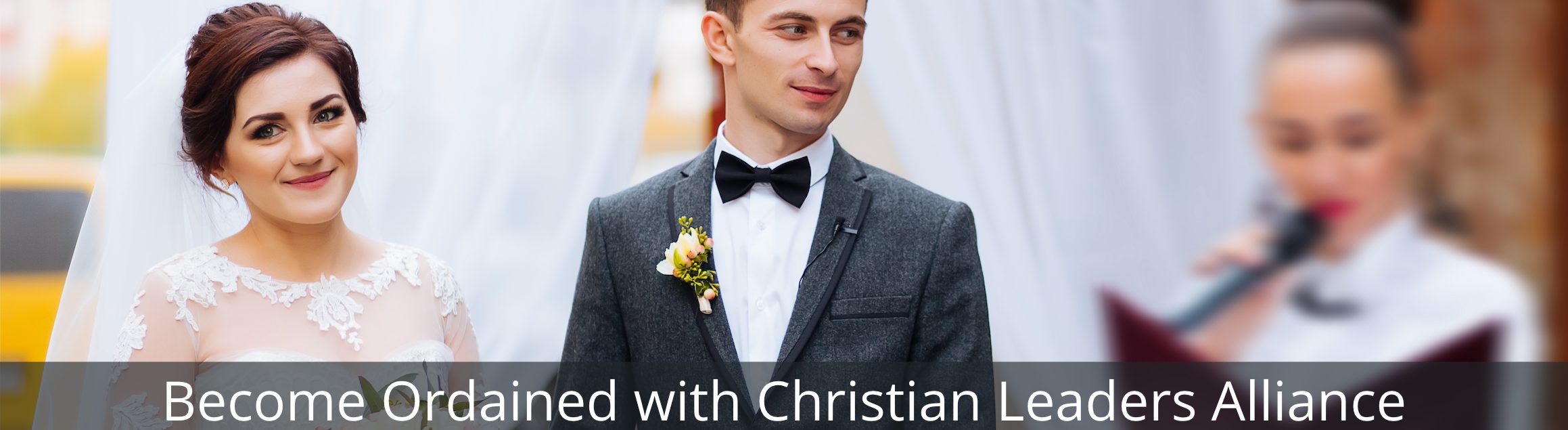
The Rewarding Journey of a Wedding Officiant
Becoming a wedding officiant in California is more than just fulfilling a legal role; it is an opportunity to be a central figure in one of the most joyous and significant moments in people’s lives. The legal framework is accommodating, allowing individuals from various backgrounds to serve. By understanding the requirements, defining your style, and preparing practically, you can embark on a fulfilling and unique career or calling. The ability to craft personalized ceremonies, guide couples through their vows, and legally unite them in marriage is a profound experience that enriches both the officiant and those they serve.
LifeOutOfTheBox is a participant in the Amazon Services LLC Associates Program, an affiliate advertising program designed to provide a means for sites to earn advertising fees by advertising and linking to Amazon.com. Amazon, the Amazon logo, AmazonSupply, and the AmazonSupply logo are trademarks of Amazon.com, Inc. or its affiliates. As an Amazon Associate we earn affiliate commissions from qualifying purchases.