
Becoming a licensed insurance agent in California is a rewarding career path that offers financial independence, the opportunity to help others, and a dynamic work environment. The state’s robust economy and large population create a consistent demand for insurance professionals across various lines, from life and health to property and casualty. Navigating the licensing process requires understanding the state’s specific regulations and educational requirements. This guide will provide a comprehensive roadmap to help you achieve your goal of becoming a licensed insurance agent in the Golden State.
Understanding the Licensing Requirements
To operate as an insurance agent in California, you must obtain a license from the California Department of Insurance (CDI). This involves meeting several prerequisites, including age, residency, and educational mandates, followed by successfully passing a licensing examination.

Age and Residency
The minimum age to obtain an insurance license in California is 18 years old. Applicants must also be legal residents of the United States and establish residency in California. This generally means demonstrating intent to live and work in the state, which can be proven through various documents like a driver’s license, utility bills, or lease agreements.
Pre-Licensing Education
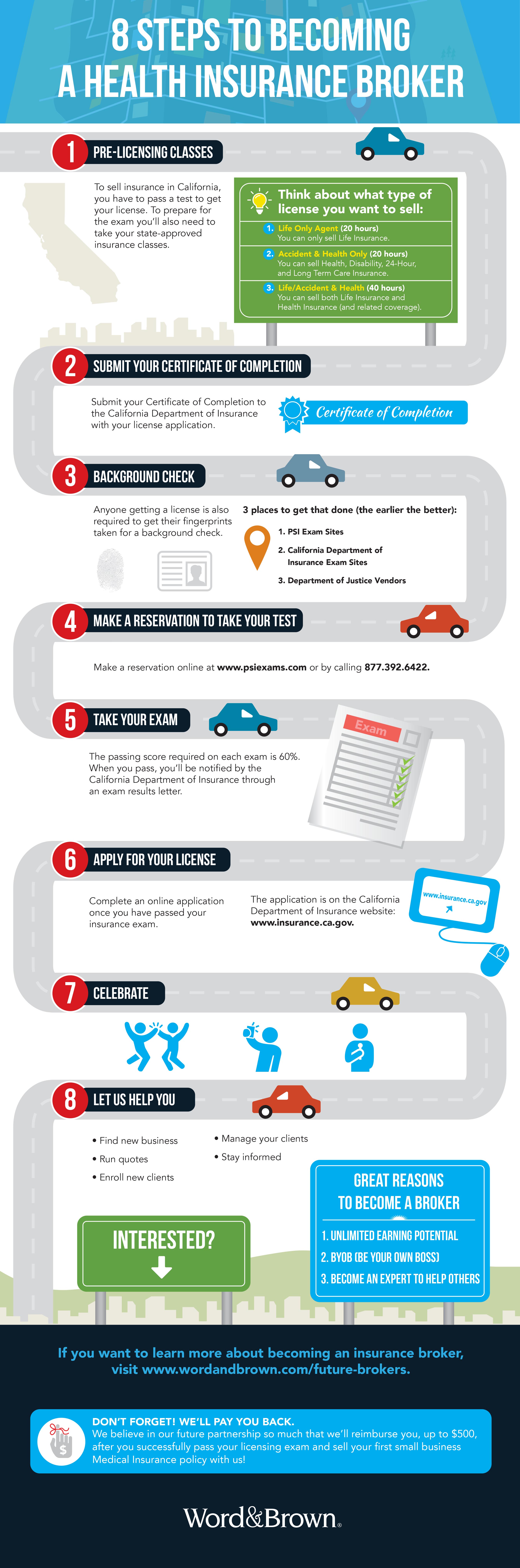
Before you can sit for the licensing exam, California requires all aspiring agents to complete a specific number of pre-licensing education hours. The exact number of hours varies depending on the type of insurance license you are seeking:
- Life and Health (L&H) License: Requires 52 hours of approved pre-licensing education, including 20 hours for Life, 20 hours for Health, and 12 hours for Ethics and California Insurance Code.
- Property and Casualty (P&C) License: Requires 52 hours of approved pre-licensing education, including 20 hours for Property, 20 hours for Casualty, and 12 hours for Ethics and California Insurance Code.
- Personal Lines Broker-Agent (PL): Requires 40 hours of approved pre-licensing education, including 20 hours for Personal Lines, and 20 hours for Ethics and California Insurance Code. This license allows agents to sell insurance for personal use, such as auto, home, and renters insurance.
- Multiple Lines: If you plan to pursue licenses for more than one line of authority, you will need to complete the required hours for each individual line. However, the Ethics and California Insurance Code hours are generally counted only once.
These courses are designed to provide a foundational understanding of insurance principles, laws, and regulations relevant to the California market. They cover topics such as contract law, policy types, underwriting, claims handling, and ethical conduct. It is crucial to select a pre-licensing education provider that is approved by the California Department of Insurance. Reputable providers offer structured courses, practice exams, and study materials to help you prepare effectively.
Background Check and Fingerprinting
As part of the licensing process, all applicants must undergo a background check and submit fingerprints. This is a standard procedure to ensure the integrity of the insurance industry and protect consumers. You will typically need to get your fingerprints taken electronically at an authorized California Department of Justice (DOJ) and Federal Bureau of Investigation (FBI) approved Live Scan vendor. The results of the background check are sent directly to the CDI. Any criminal history, including arrests or convictions, may affect your eligibility, and it is advisable to disclose any such matters proactively to the CDI.
Applying for the Examination
Once you have completed your pre-licensing education, you can apply to take the state licensing exam. The application is submitted through the CDI website or via mail. You will need to provide proof of your completed education, personal identification, and pay the required application and examination fees. After your application is approved, you will receive instructions on how to schedule your exam appointment with the designated testing provider, which is typically Pearson VUE.
Passing the Licensing Examination
The licensing exam is a critical step in becoming a licensed insurance agent. It assesses your knowledge of insurance concepts, California laws, and ethical practices. The exam format and content are specific to the line of insurance for which you are applying.
Exam Structure and Content
The California insurance licensing exams are typically multiple-choice and computer-based. The difficulty and length of the exam vary by license type. For instance:
- Life and Health Exam: Covers life insurance concepts (types of policies, riders, beneficiaries), health insurance concepts (medical plans, Medicare, Medi-Cal), annuities, and ethical considerations.
- Property and Casualty Exam: Covers property insurance (homeowners, commercial property), casualty insurance (auto, general liability, workers’ compensation), and principles of insurance (insurable interest, indemnity, utmost good faith).
- Personal Lines Broker-Agent Exam: Focuses on insurance products relevant to individuals, including automobile, homeowners, renters, and umbrella policies.
Each exam includes questions on general insurance principles and specific California laws and regulations, such as those pertaining to unfair trade practices, policy provisions, and consumer protection. The CDI provides Candidate Handbooks for each license type, which outline the exam content outline and provide detailed information about what to expect. It is essential to thoroughly review these handbooks.
Preparing for the Exam
Effective preparation is key to passing the licensing exam. Here are some strategies to maximize your chances of success:
- Utilize Pre-Licensing Course Materials: Your pre-licensing course provider will offer study guides, flashcards, and practice quizzes. Dedicate significant time to reviewing this material.
- Take Practice Exams: Simulated exams are invaluable for gauging your readiness and identifying areas where you need more study. Many pre-licensing providers offer comprehensive practice exams that mimic the actual test environment. Pay close attention to the explanations for correct and incorrect answers to deepen your understanding.
- Focus on Key Concepts and California-Specific Laws: While general insurance principles are important, California has unique regulations. Ensure you have a firm grasp of these. Familiarize yourself with the California Insurance Code.
- Time Management: During the actual exam, manage your time wisely. Don’t spend too long on any single question. If you are unsure, make your best guess and move on, returning to difficult questions if time permits.
- Study Regularly: Consistent study habits are more effective than cramming. Break down the material into manageable sections and review them over an extended period.
Upon successfully passing the exam, you will receive a pass notification. This notification is required to complete your license application.
Completing the License Application and Maintaining Your License
After successfully passing the examination, the final steps involve submitting your completed license application and, once issued, maintaining your license in good standing.
Submitting the Final Application
Once you receive your exam pass notification, you must submit your official license application to the CDI. This application will require your personal information, details about your pre-licensing education, fingerprinting information, and confirmation of passing the exam. You will also need to pay the licensing fee at this stage. The CDI will then review your application and, if all requirements are met, will issue your insurance license. This process can take several weeks, so it’s advisable to apply promptly after passing your exam.
Choosing Your License Type
California offers various types of insurance licenses, and it’s important to choose the one that aligns with your career aspirations:
- Life License: Allows you to sell life insurance policies, including term, whole life, and universal life insurance, as well as annuities.
- Health License: Authorizes you to sell health insurance products, such as medical, dental, and vision plans, as well as disability income insurance.
- Property Broker-Agent License: Permits you to sell insurance for property damage and loss, including homeowners, renters, and commercial property insurance.
- Casualty Broker-Agent License: Allows you to sell insurance for liability coverage, such as auto insurance, general liability, and workers’ compensation.
- Personal Lines Broker-Agent License: A streamlined license for selling personal lines of insurance like auto, homeowners, and renters insurance. This is often a good starting point for new agents focusing on individual clients.
- Combined Licenses: Many agents opt for combined licenses, such as Life & Health or Property & Casualty, to broaden their product offerings and client base.
You can hold multiple licenses, but each requires meeting the specific educational and examination requirements.
Maintaining Your License: Continuing Education
To keep your California insurance license active, you must complete a certain number of continuing education (CE) hours every two years. The specific CE requirements depend on the type of license you hold:
- Life and Health Licenses: Require 24 hours of CE every two years, including 4 hours of ethics.
- Property and Casualty Licenses: Require 24 hours of CE every two years, including 4 hours of ethics.
- Personal Lines Broker-Agent License: Also requires 24 hours of CE every two years, including 4 hours of ethics.
CE courses ensure that agents stay up-to-date with changes in insurance laws, regulations, products, and industry best practices. You must complete these hours from CDI-approved providers. The CDI will notify you of your renewal deadline. It is your responsibility to track your CE credits and ensure timely completion to avoid license expiration or penalties.

License Renewal
Your California insurance license is typically valid for two years. Prior to its expiration, you will need to renew it. The renewal process involves submitting a renewal application, paying the renewal fee, and demonstrating completion of your required CE hours. The CDI typically sends renewal notices, but it is ultimately the licensee’s responsibility to ensure renewal is completed on time. Failure to renew your license before its expiration date will result in its lapsation, requiring you to reapply and retake the licensing exam if you wish to practice insurance again.
Becoming an insurance agent in California is an achievable goal with diligent effort and adherence to the established procedures. By understanding the educational prerequisites, preparing thoroughly for the licensing exam, and committing to ongoing professional development through continuing education, you can build a successful and fulfilling career in the insurance industry.
LifeOutOfTheBox is a participant in the Amazon Services LLC Associates Program, an affiliate advertising program designed to provide a means for sites to earn advertising fees by advertising and linking to Amazon.com. Amazon, the Amazon logo, AmazonSupply, and the AmazonSupply logo are trademarks of Amazon.com, Inc. or its affiliates. As an Amazon Associate we earn affiliate commissions from qualifying purchases.