
Navigating the intricate landscape of sales tax in California can be a daunting task for any traveler, particularly for those planning extended stays, business trips, or those who simply wish to understand the financial nuances of their California adventures. While California is renowned for its iconic landmarks, vibrant cities, and diverse experiences, its sales tax system adds a layer of complexity that warrants careful consideration. This guide aims to demystify the process, empowering you with the knowledge to accurately estimate and comprehend sales tax implications during your travels within the Golden State.
Understanding California’s Sales Tax Structure
At its core, California sales tax is a transaction tax levied on the retail sale of tangible personal property. However, its application within the state is far from uniform. The state has established a base statewide sales tax rate, but this is significantly augmented by district taxes, which vary considerably from one locality to another. This creates a patchwork of rates across California, making a one-size-fits-all calculation impossible.
The Base State Sales Tax Rate
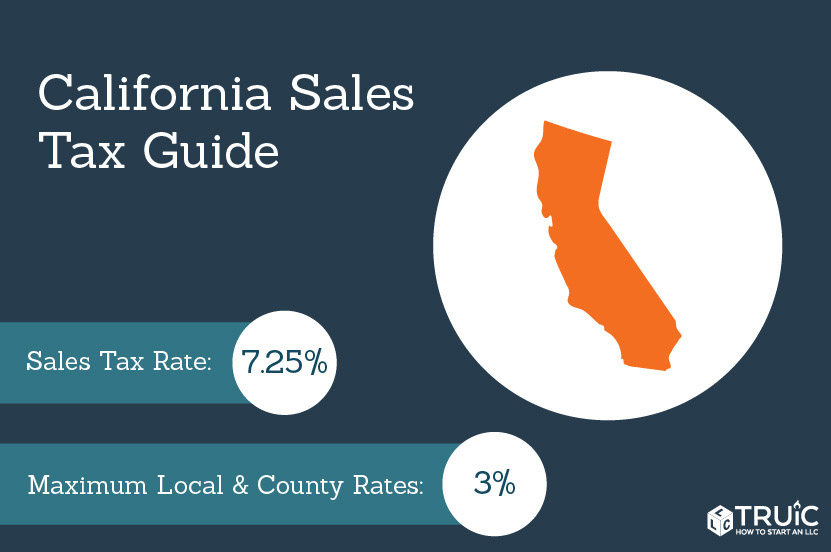
The foundation of California sales tax is the state rate, which is currently set at 7.25%. This rate applies to most taxable transactions throughout the state. However, it’s crucial to understand that this 7.25% is merely the starting point. It does not represent the final tax burden for most consumers.
The Impact of District Taxes
The true complexity of California sales tax arises from the imposition of district taxes. These are additional taxes levied by local jurisdictions – counties, cities, and special districts – to fund local services such as public transportation, law enforcement, and infrastructure improvements. These district taxes can add several percentage points to the base state rate, significantly increasing the overall sales tax burden.
County-Imposed Taxes
Many counties in California impose their own district taxes, often referred to as county-wide taxes. These are usually a flat percentage that applies across the entire county. For instance, a county might add 1% to the state rate.
City-Imposed Taxes
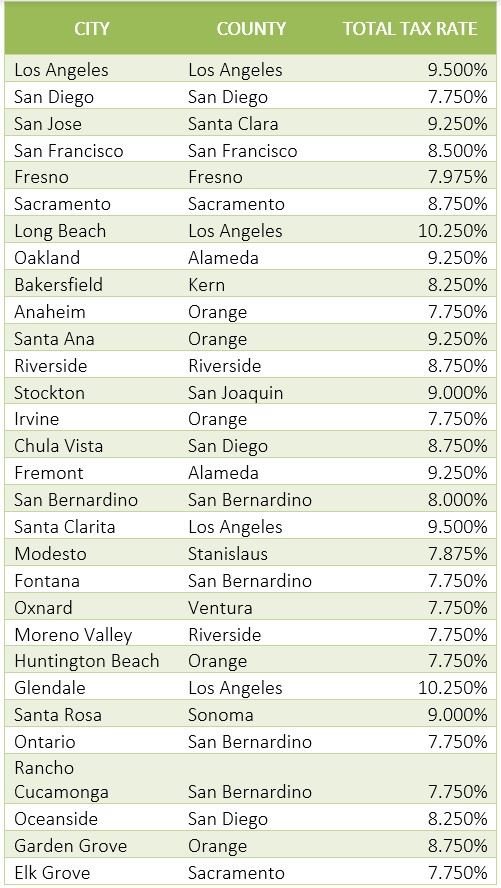
Furthermore, individual cities within those counties can also impose their own distinct sales taxes. This means that even within the same county, the sales tax rate can differ from one city to another. A city might add an additional 0.5% or even more, depending on its specific needs and voter-approved initiatives.
Special District Taxes
Beyond county and city taxes, there are also special district taxes. These are often established for specific purposes, such as funding rapid transit systems or other specialized public services. These can add yet another layer to the sales tax calculation.
The Role of the California Department of Tax and Fee Administration (CDTFA)
The California Department of Tax and Fee Administration (CDTFA) is the primary state agency responsible for administering sales and use taxes. The CDTFA maintains a comprehensive database of current sales and use tax rates for all locations within the state. This is the most authoritative source for determining the precise tax rate applicable to a specific transaction.
Calculating Your Estimated Sales Tax
When planning your California trip, whether you’re booking a stay at a boutique hotel in San Francisco or planning a visit to the theme parks in Anaheim, understanding how sales tax will affect your expenses is essential. Here’s a breakdown of how to approach the calculation.
Identifying the Relevant Tax Rate
The most critical step is determining the correct sales tax rate for your specific location. This rate is determined by the physical location where the sale is made or where the item is delivered.
For In-Person Purchases
If you are making a purchase in person, the sales tax rate is determined by the address of the retail establishment. For example, a souvenir purchased in a shop in downtown Los Angeles will be taxed at the rate applicable to that specific Los Angeles zip code, which may differ from a shop in a neighboring suburb.
For Online Purchases and Deliveries
For online purchases or services delivered to your accommodation, the tax rate generally applies based on the destination of the delivery. If you order items to be shipped to your hotel in San Diego, you will be charged the sales tax rate for that San Diego address. This also applies to services performed at your location.
Resources for Finding Current Tax Rates
Fortunately, you don’t need to be a tax expert to find the correct rates. The CDTFA provides accessible tools for this purpose.
CDTFA Sales and Use Tax Rate Lookup Tool
The CDTFA offers an online lookup tool that allows you to enter a California address or zip code and retrieve the current sales and use tax rate for that location. This is an invaluable resource for travelers. You can typically find this tool on the CDTFA’s official website.
Understanding Taxability of Goods and Services
It’s also important to note that not all goods and services are subject to sales tax. Certain items, such as most food products intended for home consumption, prescription medications, and some services, are exempt. However, the rules surrounding taxability can be complex. For instance, prepared foods purchased at a restaurant are generally taxable, while groceries bought at a supermarket are not.
Estimating Costs for Accommodation and Experiences
When budgeting for your California vacation, consider how sales tax will impact various expenditures.
Accommodation Taxes
Hotels, resorts, and other forms of lodging are subject to sales tax, often in addition to lodging taxes that may be levied by local governments. When booking a room, the quoted price may not always include the final sales tax. Always inquire about the total price, including all applicable taxes, before confirming your reservation. For instance, a luxury suite at a resort near Palm Springs will have its advertised price increased by both state and local sales taxes.
Dining and Entertainment
Meals purchased at restaurants, cafes, and food stalls are generally taxable. The sales tax rate will vary depending on the city and county where the establishment is located. Similarly, tickets to attractions, theme parks like Disneyland, and entertainment venues will also have sales tax applied to their purchase price.
Shopping Expenses
Whether you’re browsing the shops on Rodeo Drive in Beverly Hills or picking up souvenirs in Monterey, the cost of your purchases will be subject to the local sales tax rate. It’s wise to factor this into your shopping budget.
Differentiating Sales Tax from Other Taxes and Fees
In California, travelers often encounter a variety of taxes and fees, and it’s important to distinguish sales tax from others to avoid confusion.
Lodging Taxes
Many cities and counties in California impose specific lodging taxes or occupancy taxes on hotel stays. These are separate from general sales tax and are often earmarked for local tourism promotion or infrastructure. While they function similarly in that they increase the cost of your stay, they are technically distinct from sales tax.
Use Tax
California also has a use tax. This is essentially a complementary tax to the sales tax and is imposed on the storage, use, or consumption in California of taxable tangible personal property purchased from a retailer outside of California for use in California, when sales tax was not paid at the time of purchase. This is particularly relevant for online purchases from out-of-state retailers. If you purchase an item online from a retailer that does not collect California sales tax, you are generally obligated to report and pay the use tax directly to the state.
Tourism Improvement Districts (TIDs)
Some areas have established Tourism Improvement Districts (TIDs) that levy a special assessment on hotel stays to fund marketing and promotional activities for the destination. These assessments are also separate from sales tax and lodging taxes.
Practical Tips for Travelers
To make your California travel experience smoother and more predictable financially, consider these practical tips regarding sales tax.
Always Check Local Rates
Before making significant purchases or booking accommodations in a new California city, it’s a good practice to quickly check the local sales tax rate using the CDTFA lookup tool. This will give you a more accurate picture of your total expenditure.
Budget Accordingly
When setting your travel budget, always factor in the estimated sales tax for your planned activities and purchases. A small percentage might not seem significant, but for larger purchases or extended stays with frequent spending, it can add up.
Understand the Taxability of Services
Be aware that the taxability of services can be complex in California. While most tangible goods are taxable, many services are not. However, certain services, like those provided by repair shops, are taxable. If you’re unsure about a specific service, it’s best to inquire with the provider or consult California tax regulations.
Keep Receipts
For significant purchases, keeping receipts can be helpful, especially if you need to track expenses for business purposes or if you have questions about the tax charged.
Consult the CDTFA for Complex Situations
If you are planning a complex trip, such as a long-term business assignment or a vacation involving numerous purchases of high-value items, and you have specific questions about taxability or your obligations, the California Department of Tax and Fee Administration is the definitive source of information. Their website provides extensive resources, publications, and contact information.
By understanding the fundamental principles of California sales tax and utilizing the available resources, you can navigate your travels with greater financial clarity. This knowledge empowers you to better budget, make informed purchasing decisions, and fully enjoy the incredible diversity of experiences that California has to offer, from the beaches of Southern California to the majestic mountains of the Sierra Nevada.
LifeOutOfTheBox is a participant in the Amazon Services LLC Associates Program, an affiliate advertising program designed to provide a means for sites to earn advertising fees by advertising and linking to Amazon.com. Amazon, the Amazon logo, AmazonSupply, and the AmazonSupply logo are trademarks of Amazon.com, Inc. or its affiliates. As an Amazon Associate we earn affiliate commissions from qualifying purchases.