
The question of when a place was “settled” is often multifaceted, especially for a region as rich in history and diverse in its inhabitants as Colorado. Unlike a single, definitive date for a housewarming party, the settlement of Colorado is a narrative woven from threads of indigenous presence, the quest for resources, political aspirations, and the relentless westward expansion of a nation. To truly understand when Colorado was settled, we must explore its chronological layers, from the earliest human footprints to the establishment of organized governance.
The First Stewards: Indigenous Peoples and Their Ancient Roots
Long before any European or American explorer set foot in the territory that would become Colorado, the land was home to a vibrant tapestry of indigenous cultures. Archaeological evidence suggests human presence in the Rocky Mountains and surrounding plains dating back thousands of years. These early inhabitants, often referred to by archaeologists as Paleo-Indians, were hunter-gatherers who adapted to the unique environments of the region.

Evidence of Ancient Life
Sites like the Lindenmeier Site in northern Colorado provide remarkable insights into the lives of these ancient peoples. Artifacts found here, such as Folsom and Clovis projectile points, demonstrate sophisticated tool-making and hunting techniques. These findings confirm that Colorado was not an untouched wilderness but a lived-in landscape for millennia.
Later, various tribal groups established more permanent or semi-permanent settlements. The Ancestral Puebloans, known for their impressive cliff dwellings in southwestern Colorado such as those at Mesa Verde National Park, thrived for centuries. Their agricultural practices, sophisticated architecture, and complex social structures speak to a profound and long-standing connection to the land. Other prominent groups who inhabited or traversed the region included the Cheyenne, Arapaho, Ute, and Comanche tribes, each with their own distinct cultures, territories, and histories. These indigenous peoples were the original “settlers” of Colorado, shaping its landscapes through their presence and practices long before the arrival of Europeans.
The Era of Exploration and Early Encounters
The arrival of Europeans marked a significant shift in the history of Colorado. While the Spanish explored parts of the American Southwest, their presence in the geographical area of modern-Colorado was more indirect for a considerable period. Expeditions, such as that led by Francisco Vázquez de Coronado in the 1540s, passed through territories that would later be part of Colorado, but they did not establish permanent settlements or exert significant control over the region.
Spanish Influence and Fur Trade
Spanish claims, primarily based on exploration and proximity to their established territories in New Mexico, were present. However, the vastness and ruggedness of the land, coupled with the presence of powerful indigenous tribes, limited direct Spanish settlement within the boundaries of present-day Colorado itself until much later.
The 18th and early 19th centuries saw increased activity by fur traders, both French and later American. These traders ventured into the mountain valleys and along the rivers, establishing temporary camps and trading posts. Figures like Manuel Lisa, a Spanish trader operating under American license, established posts like Fort Lisa near present-day Omaha, Nebraska, but his influence and that of others extended into the river systems that flowed through Colorado. The American Fur Company and others established a presence, primarily interacting with indigenous tribes for furs and engaging in limited trade. These endeavors, while not traditional settlements, represented a growing human presence and an economic interest in the territory.
The American Westward Push: Pioneers and Prospectors
The pivotal period for the “settlement” of Colorado in the American sense began in earnest with the expansion of the United States westward and the discovery of precious metals. The Louisiana Purchase in 1803 nominally brought much of eastern Colorado under U.S. control, while the Mexican-American War (1846-1848) ceded the western portion to the United States. However, these territorial acquisitions did little to spur immediate, large-scale settlement.
The Pike’s Peak Gold Rush
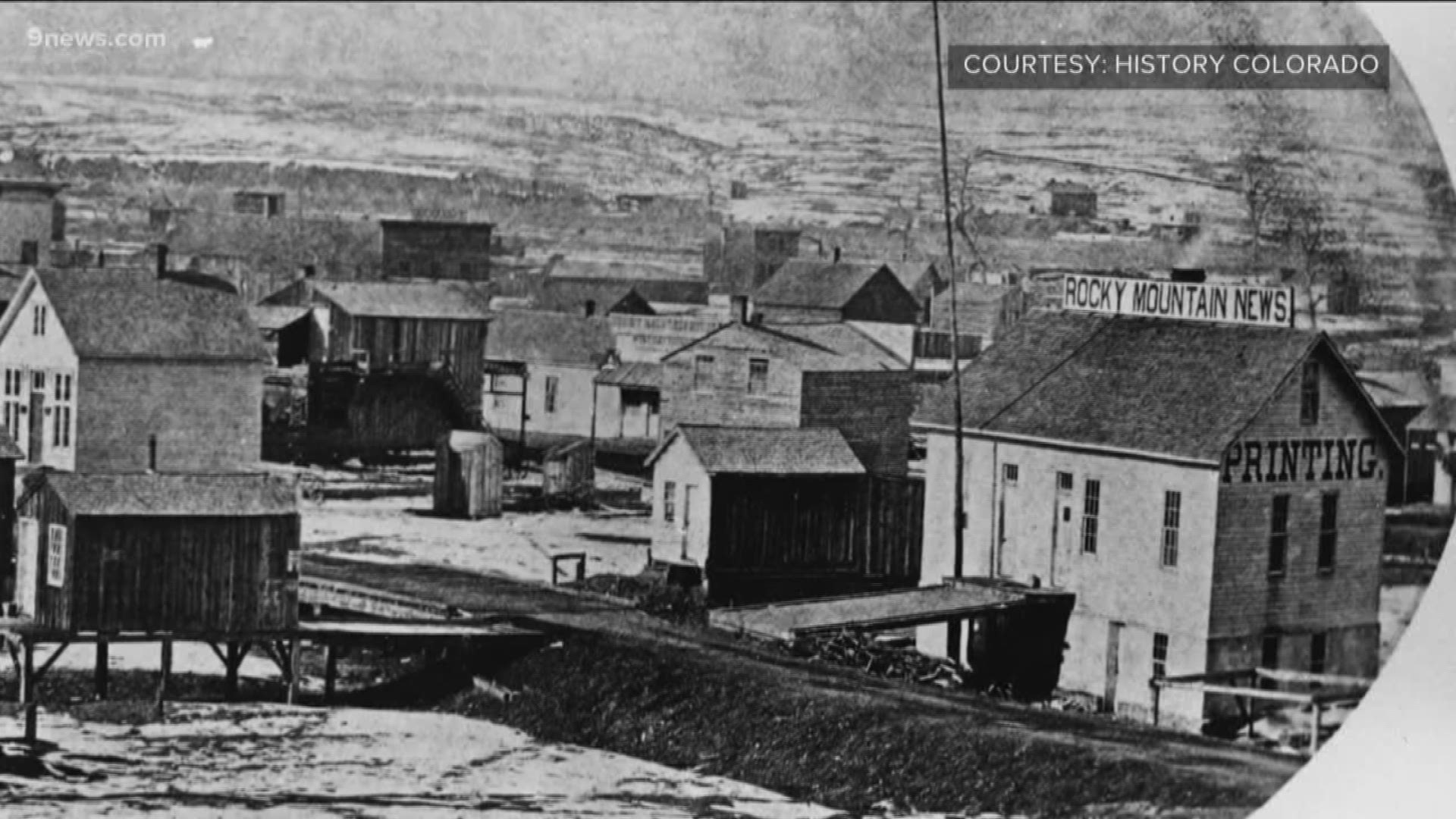
The true catalyst for widespread American settlement was the discovery of gold. In 1858, prospectors found gold in the South Platte River near the confluence with Cherry Creek. This discovery ignited the famous Pike’s Peak Gold Rush of 1859. Thousands of eager prospectors, often referred to as “Fifty-Niners,” flocked to the region, drawn by the promise of instant wealth.
This influx of people led to the rapid establishment of mining camps and towns. Among the earliest and most significant were Denver (initially a collection of competing settlements, consolidated as Denver City) and Golden. Other towns like Central City, Black Hawk, and Nevada City sprang up in the lucrative mining districts of the Front Range. These were not ephemeral camps; they were the beginnings of permanent communities, complete with rudimentary governance, businesses, and infrastructure. The “settlement” here was driven by economic opportunity and characterized by rapid, often chaotic, growth.
Towards Statehood: Establishing Governance and Permanent Communities
The rapid population growth spurred by the gold rush necessitated the establishment of formal governance. The territory that would become Colorado was initially part of the Nebraska Territory and the Kansas Territory, but the distinct identity and population surge of the Pikes Peak region led to calls for separate territorial status.
The Creation of the Colorado Territory
On February 9, 1861, just weeks before the outbreak of the American Civil War, President James Buchanan signed the act creating the Colorado Territory. William Gilpin was appointed as its first territorial governor. This marked a crucial step in the formal settlement of the region, transforming it from a collection of mining camps and scattered settlements into an organized political entity under the United States.
The territorial period saw the consolidation of communities, the development of agriculture to support the growing population, and the gradual expansion beyond the initial gold fields. Towns like Pueblo became important industrial and agricultural centers, while others in the western part of the territory, such as those in the San Juan Mountains, developed with the discovery of silver and other minerals. The construction of railroads, beginning in the 1870s, further solidified settlement patterns, connecting remote areas and facilitating the movement of people and goods.

Achieving Statehood
The ultimate act of “settlement” in a political sense is achieving statehood. After years of petitioning and meeting the requirements set by Congress, Colorado was admitted to the Union as the 38th state on August 1, 1876. This event, celebrated as Colorado’s Centennial, signifies the formal establishment of the state and its full integration into the United States.
Therefore, while indigenous peoples inhabited and shaped the land for millennia, the period most commonly referred to when discussing the “settlement” of Colorado by Americans is the mid-to-late 19th century. The Pike’s Peak Gold Rush of 1859 and the subsequent creation of the Colorado Territory in 1861 represent the commencement of this era, culminating in statehood in 1876. Each of these milestones represents a different facet of settlement, from the initial human presence and resource exploitation to the establishment of organized governance and permanent communities.
LifeOutOfTheBox is a participant in the Amazon Services LLC Associates Program, an affiliate advertising program designed to provide a means for sites to earn advertising fees by advertising and linking to Amazon.com. Amazon, the Amazon logo, AmazonSupply, and the AmazonSupply logo are trademarks of Amazon.com, Inc. or its affiliates. As an Amazon Associate we earn affiliate commissions from qualifying purchases.