
Navigating the legal landscape can be a daunting prospect, especially when you find yourself on the other side of a dispute. For residents of the Golden State, understanding the process of filing a civil case in California is crucial for asserting your rights or responding to a claim. This guide aims to demystify the initial steps, from understanding the nature of a civil case to preparing the foundational documents, all within the context of the California court system. While the specific nuances can vary based on the type of case, the core principles and procedural requirements remain consistent.

Understanding Civil Litigation in California
Civil litigation encompasses a broad spectrum of legal disputes between individuals, businesses, or organizations. Unlike criminal cases, which involve the state prosecuting an individual for a crime, civil cases typically concern matters of private rights and remedies. These can range from contract disputes, personal injury claims, landlord-tenant disagreements, property disputes, to family law matters. The goal in a civil case is usually to resolve the dispute through negotiation, settlement, mediation, or, if necessary, a trial, with the aim of obtaining monetary damages, specific performance, or injunctive relief.
Types of Civil Cases
California courts handle a vast array of civil matters. For the purpose of filing, it’s important to have a general understanding of where your case might fit.
- Small Claims Cases: These are designed for disputes involving smaller amounts of money, typically $10,000 or less (this limit can vary, so it’s always advisable to check the current statutory amount). Small claims courts offer a simplified and expedited process, often without attorneys. This is an excellent option for many minor disputes, providing a more accessible avenue for resolution.
- Limited Civil Cases: These cases involve claims where the amount in controversy does not exceed $25,000. While more formal than small claims, limited civil cases still offer a more streamlined process than unlimited civil cases.
- Unlimited Civil Cases: These are for disputes where the amount in controversy exceeds $25,000, or for specific types of cases regardless of the amount, such as cases seeking certain types of injunctions or dissolutions of marriage. These cases involve more complex procedures and discovery rules.
Key Players in a Civil Case
Understanding the roles of the individuals involved is fundamental:
- Plaintiff: The party who initiates the lawsuit by filing a complaint. They are seeking a remedy from the court.
- Defendant: The party against whom the lawsuit is filed. They are responding to the claims made by the plaintiff.
- Court: The judicial body that presides over the case and makes decisions based on the law and evidence presented. California has a hierarchical court system, with Superior Courts serving as the trial courts.
- Attorneys: Legal representatives who advise and advocate for their clients. While not always mandatory, legal counsel can be invaluable, especially in complex cases.
Initiating a Civil Lawsuit: The Complaint
The first formal step in filing a civil case in California is typically the filing of a document called a Complaint. This document, drafted by the plaintiff or their attorney, outlines the factual basis for the lawsuit, the legal claims being made, and the relief sought from the court.
Drafting the Complaint
A well-drafted Complaint is crucial. It must clearly articulate:
- Jurisdiction and Venue: The Complaint must establish that the court has the authority to hear the case (jurisdiction) and that the case is being filed in the correct geographical location (venue). This usually means filing in the county where the defendant resides, where the incident occurred, or where the contract was to be performed.
- Parties: Identification of the plaintiff(s) and defendant(s) by their full legal names and addresses. If a business is involved, its legal entity type and registered agent should be included.
- Factual Allegations: A clear and concise narrative of the events that led to the dispute. These allegations should be factual and avoid legal conclusions. For example, instead of stating “the defendant breached the contract,” you would describe the specific actions or omissions that constitute the breach.
- Causes of Action: These are the specific legal theories under which the plaintiff is seeking relief. Each cause of action should be separately stated and must allege facts that support each element of that legal theory. Common causes of action include breach of contract, negligence, fraud, and trespass.
- Prayer for Relief: This section specifies what the plaintiff is asking the court to do. This can include monetary damages (compensatory, punitive, or statutory), injunctions (court orders to do or refrain from doing something), specific performance (requiring a party to fulfill a contractual obligation), or declaratory relief (a court declaration of the parties’ rights).
Filing the Complaint with the Court
Once the Complaint is drafted, it must be formally filed with the appropriate Superior Court in California.
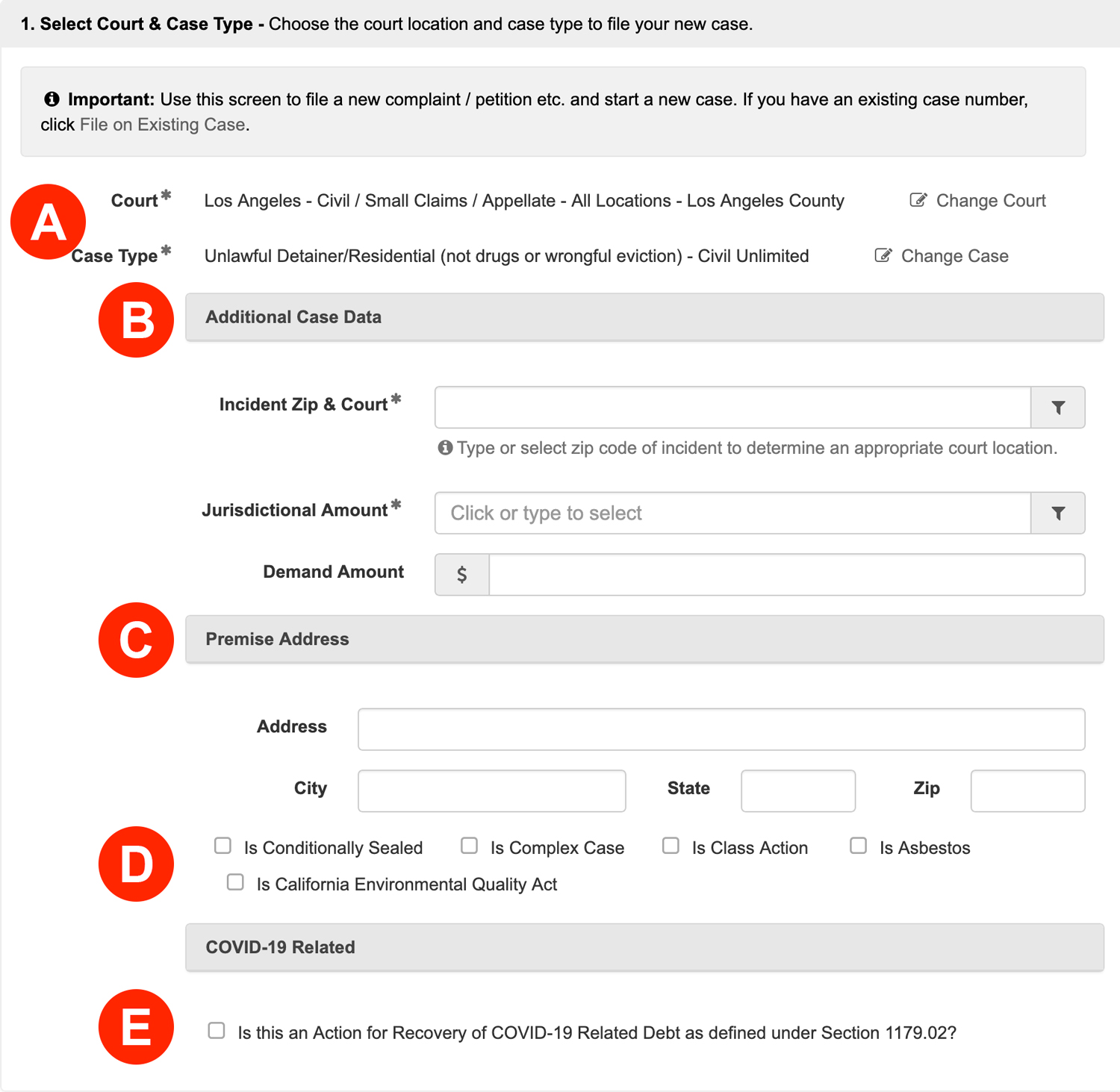
- Choosing the Correct Court: As mentioned earlier, the type of case (small claims, limited, or unlimited civil) will determine which division of the Superior Court is appropriate.
- Filing Fee: A filing fee is required when submitting the Complaint. The amount varies depending on the type of case and the court. Fee waivers are available for individuals who demonstrate financial hardship.
- Obtaining Case Numbers: Upon filing, the court clerk will assign a unique case number to the lawsuit. This number is essential for all future filings and communications related to the case.
Serving the Defendant: Notification of the Lawsuit
Filing the Complaint is only half the battle. The defendant must be formally notified of the lawsuit, a process known as service of process. This ensures that the defendant is aware of the legal action against them and has an opportunity to respond. Improper service can lead to dismissal of the case.
Methods of Service
California law outlines specific methods for serving legal documents:
- Personal Service: This is the most common and preferred method. A neutral third party, such as a sheriff, marshal, or licensed process server, physically delivers a copy of the Summons and Complaint to the defendant. The server must be over 18 and not a party to the action.
- Substituted Service: If personal service is not possible after reasonable attempts, a process server may leave the documents with a competent adult at the defendant’s usual place of abode or business, and then mail a copy to the same address. Specific rules apply to this method to ensure due diligence.
- Service by Mail (with Notice and Acknowledgment of Receipt): In some instances, service can be accomplished by mailing the documents to the defendant with a special form that requires them to sign and return an acknowledgment of receipt. If the defendant fails to return this acknowledgment, alternative methods of service may be required.
- Service by Publication: In rare circumstances, when a defendant cannot be located after diligent efforts, the court may permit service by publishing a notice in a newspaper of general circulation. This is a last resort.
Proof of Service
After the defendant has been served, the process server must complete and sign an Affidavit or Declaration of Service. This sworn statement, which details how, when, where, and to whom service was made, must then be filed with the court. This document serves as proof that the defendant was properly notified.
The Defendant’s Response
Once served with the Summons and Complaint, the defendant has a limited time to respond to the lawsuit. Failure to respond can result in a default judgment being entered against them, meaning the plaintiff could win the case without the defendant having an opportunity to present their defense.
Types of Responses
The defendant can respond in several ways:
- Answer: This is the most common response. An Answer is a formal legal document that admits or denies each allegation in the Complaint and may also assert affirmative defenses. Affirmative defenses are reasons why the defendant should not be held liable, even if the plaintiff’s allegations are true (e.g., statute of limitations has expired).
- Demurrer: A Demurrer is essentially a legal challenge to the Complaint itself, arguing that even if the facts alleged are true, they do not constitute a valid legal claim. For example, a demurrer might be filed if the Complaint fails to state a cause of action or if the court lacks jurisdiction.
- Motion to Strike: This motion asks the court to remove specific parts of the Complaint that are irrelevant, improper, or scandalous.
- Motion to Quash Service: If the defendant believes they were not properly served, they can file a motion to quash service of process.
The timeframe for responding generally begins from the date of service. For personal service within California, the defendant typically has 30 days to respond after the Summons and Complaint are served.

Next Steps and Considerations
Filing and serving a civil case is just the beginning of a potentially lengthy and complex legal process. After the initial pleadings, cases typically move into the discovery phase, where parties exchange information and evidence. This is often followed by settlement negotiations, mediation, or, if no resolution is reached, preparation for trial.
- Discovery: This phase involves formal requests for information from the opposing party, such as interrogatories (written questions), requests for production of documents, and depositions (sworn oral testimony).
- Settlement: Many civil cases are resolved through settlement agreements outside of court. This can occur at any stage of the litigation.
- Trial: If a settlement cannot be reached, the case will proceed to trial, where a judge or jury will hear evidence and make a decision.
Understanding the foundational steps of filing a civil case in California is paramount for anyone involved in a legal dispute. While this guide provides an overview, consulting with a qualified legal professional is always recommended to ensure your rights are protected and that you navigate the complexities of the legal system effectively. The California court system, while structured, requires careful adherence to its rules and procedures.
LifeOutOfTheBox is a participant in the Amazon Services LLC Associates Program, an affiliate advertising program designed to provide a means for sites to earn advertising fees by advertising and linking to Amazon.com. Amazon, the Amazon logo, AmazonSupply, and the AmazonSupply logo are trademarks of Amazon.com, Inc. or its affiliates. As an Amazon Associate we earn affiliate commissions from qualifying purchases.