
Navigating the process of selling a car in California can feel like a maze, especially when it comes to the paperwork. At the heart of this transaction lies the “pink slip,” officially known as the Certificate of Title. This document is more than just a piece of paper; it’s legal proof of ownership. For sellers in the Golden State, understanding precisely how to fill out this crucial document ensures a smooth transfer of ownership, avoids potential legal pitfalls, and protects both parties involved. This guide will walk you through each step of completing the pink slip when selling your vehicle in California, empowering you to complete the sale with confidence.

Understanding the California Certificate of Title (Pink Slip)
The Certificate of Title for a vehicle in California is issued by the Department of Motor Vehicles (DMV). It contains vital information about your car, including its Vehicle Identification Number (VIN), make, model, year, and registered owner(s). When you sell your car, you are essentially transferring the ownership rights documented on this title to the buyer. Therefore, accurately completing the title is paramount.
Key Information on the Certificate of Title
Before you begin filling out the pink slip, familiarize yourself with the information it contains. You’ll typically find sections for:
- Vehicle Information: VIN, make, model, body style, and year.
- Registered Owner Information: Name(s), address, and signature(s) of the legal owner(s).
- Lienholder Information: If you have an outstanding loan on the vehicle, the lienholder (e.g., a bank or credit union) will be listed. Their release of the lien is necessary before you can transfer clear title.
- Odometer Reading: The mileage of the vehicle at the time of sale.
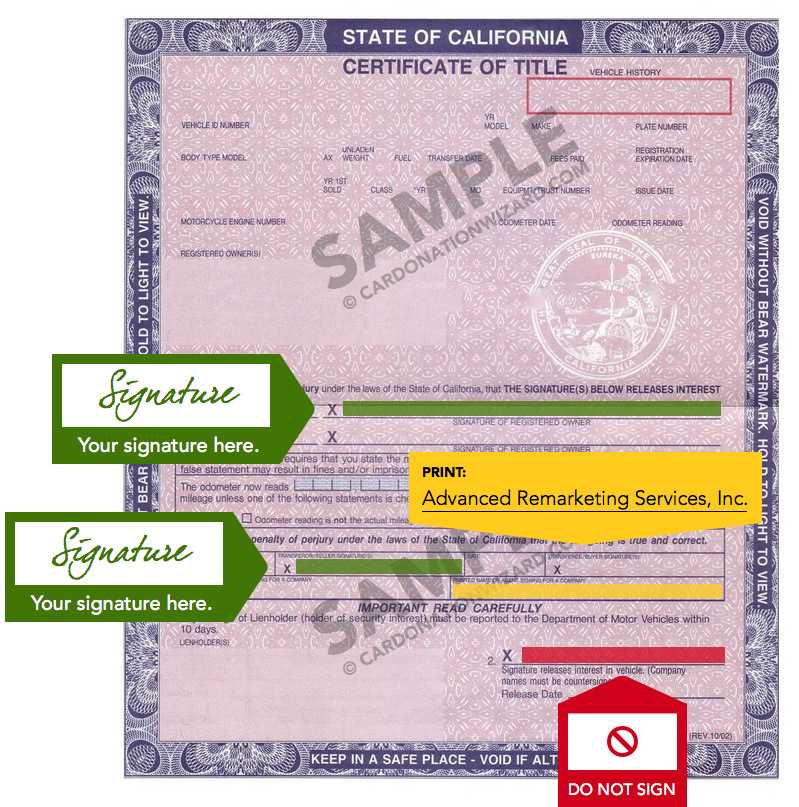
- Transfer of Ownership Section: This is where the seller and buyer will provide their details and signatures.
- Smog Certification Disclosure: California requires most vehicles to pass a smog inspection before they can be sold.
It is crucial to ensure all information on the title is current and accurate. If there are any discrepancies, you may need to contact the California DMV for assistance before proceeding with the sale. For instance, if your name has changed or your address is outdated, you’ll want to rectify this. Similarly, if there was a lien on the car that has since been paid off, you must obtain a lien release from the lender, which should also be noted on or accompany the title.
Distinguishing Between Seller and Buyer Responsibilities
The pink slip has distinct areas for both the seller and the buyer. As the seller, your primary responsibility is to accurately record the sale details and sign over ownership. The buyer, in turn, is responsible for completing their portion of the title and submitting the necessary paperwork and fees to the DMV to register the vehicle in their name. Misunderstanding these roles can lead to delays and complications, so it’s vital for both parties to be aware of their obligations.
Steps to Properly Fill Out the Pink Slip as a Seller
Filling out the Certificate of Title requires attention to detail. A mistake can render the document invalid, forcing you to obtain a duplicate from the DMV and potentially delaying the sale. Follow these steps meticulously.
Locating the Transfer of Ownership Section
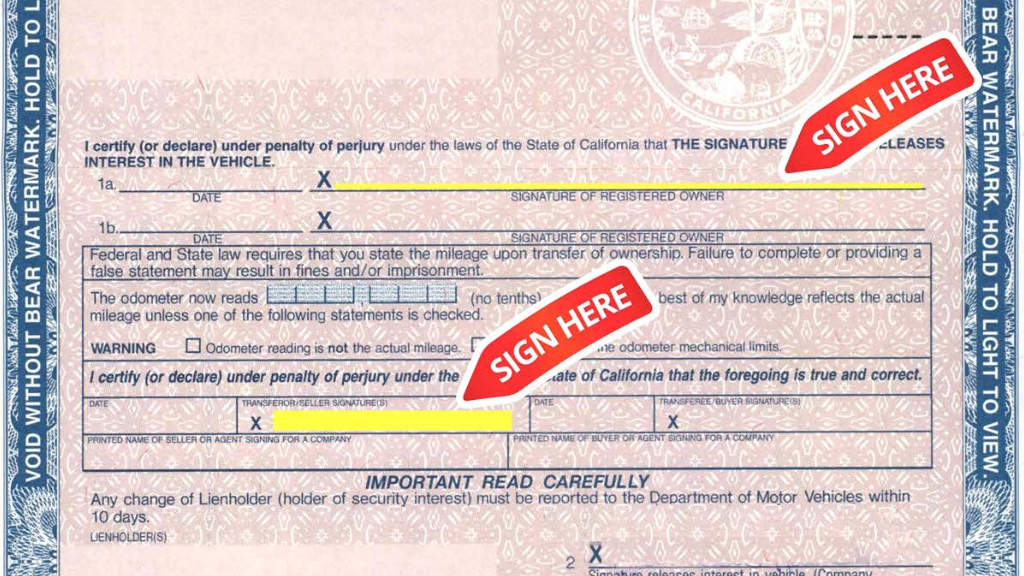
The most critical part of the pink slip for a seller is the section dedicated to the transfer of ownership. This area is usually found on the reverse side of the Certificate of Title. It will typically have fields for the buyer’s name and address, the odometer reading, the date of sale, and the purchase price. There will also be signature lines for the seller(s) and potentially a release of interest section if there was a lienholder.
Accurately Recording Buyer Information
The buyer’s full legal name and current address must be entered precisely as they appear on their identification. If the buyer is purchasing the car as a couple or with another individual, ensure all owners are listed. Ambiguity in the buyer’s information can create problems during their registration process. It’s wise to have the buyer present when filling out this section so they can verify their details.
Documenting the Odometer Reading
California law mandates that sellers accurately report the vehicle’s odometer reading at the time of sale. This is a crucial anti-fraud measure. You will find a specific line item for this on the title. Ensure you record the mileage exactly as it appears on the odometer. Do not estimate or round numbers. If the odometer has malfunctioned and the mileage is inaccurate, there are specific disclosures required, which you should discuss with the DMV if applicable.
Stating the Sale Price and Date
Record the actual purchase price of the vehicle in the designated field. This figure is used by the DMV for tax purposes. The date of sale is also essential and should be the date the transaction is completed. Be precise with both pieces of information.
Signing and Dating as the Seller
This is the most critical step for the seller. You must sign your name exactly as it appears on the title, typically next to the printed name(s) of the registered owner(s). If there are multiple registered owners, all owners must sign to transfer ownership legally. Do not use nicknames or abbreviations. It is also a good practice to date your signature.
Dealing with Lien Releases
If your vehicle had a lien (meaning you owed money on it), you must have paid off the loan and obtained a lien release from the financial institution. This release document may need to be submitted to the DMV along with the title, or its release may be noted directly on the title itself. Without a lien release, you cannot transfer clear title to the buyer. If the lienholder is still listed on the title, and the loan has been satisfied, you may need to have the lienholder fill out their section to formally release their interest.
Post-Sale Responsibilities for the Seller
Once the pink slip is correctly filled out and signed, your responsibilities as the seller are not entirely complete. There are a few more crucial steps to ensure a clean break from the vehicle and avoid future liability.
Notifying the DMV of the Sale
In California, it is imperative that you submit a Notice of Transfer and Release of Liability (NTRL) to the DMV within five days of selling your vehicle. This form, often referred to as the “pink slip for the seller” or TR-138, serves as proof that you have relinquished ownership and responsibility for the vehicle. You can typically complete this online through the California DMV website or by mail. This notification is vital for protecting yourself from parking tickets, toll violations, or any accidents that may occur after the sale.
Providing the Buyer with Necessary Documents
Beyond the signed pink slip, you should also provide the buyer with any other relevant documentation, such as the vehicle’s maintenance records, the smog certification (if applicable and required by law for your sale), and any warranty information. Transparency here can foster goodwill and a smoother transaction.
Removing License Plates
In California, license plates generally stay with the seller, not the vehicle. You should remove your license plates from the vehicle at the time of sale. You can then either transfer them to another vehicle you own or surrender them to the DMV. Do not leave the plates on the car.
Common Pitfalls and How to Avoid Them
Even with careful attention, errors can occur. Being aware of common mistakes can help you prevent them.
Incomplete or Incorrect Information
The most frequent error is leaving fields blank or filling them out incorrectly. Double-check every piece of information: names, addresses, VIN, odometer reading, and dates. A single misplaced character can invalidate the transfer. Always use black or blue ink as specified by the DMV.
Forgetting to Sign or Date
This may seem obvious, but in the rush of a sale, sellers sometimes forget to sign their name or date the document. Without your signature, the transfer of ownership is not legally complete.
Selling a Car with an Outstanding Lien
As mentioned, selling a car with an active lien without properly releasing it is a significant issue. The buyer cannot obtain a clear title, and you could face legal ramifications. Ensure all liens are satisfied and formally released before you offer the car for sale.
Not Submitting the Notice of Transfer and Release of Liability (NTRL)
This is a critical step that many sellers overlook. Failure to notify the DMV of the sale can lead to you being held responsible for the vehicle’s actions after it leaves your possession. Make this a priority immediately after the sale is finalized.
Using Correction Fluid or Erasing
Never use correction fluid, erasers, or white-out on the Certificate of Title. Any alterations can make the document invalid. If you make a mistake, it is best to contact the California DMV for guidance on how to proceed, which may involve obtaining a replacement title.
By meticulously following these steps and understanding the importance of each detail, you can confidently fill out the pink slip when selling your car in California, ensuring a secure and legally sound transaction. This diligence protects both you and the buyer, paving the way for a positive outcome.
LifeOutOfTheBox is a participant in the Amazon Services LLC Associates Program, an affiliate advertising program designed to provide a means for sites to earn advertising fees by advertising and linking to Amazon.com. Amazon, the Amazon logo, AmazonSupply, and the AmazonSupply logo are trademarks of Amazon.com, Inc. or its affiliates. As an Amazon Associate we earn affiliate commissions from qualifying purchases.