
Understanding property ownership in California is a crucial aspect for a variety of reasons, from real estate investments and due diligence to resolving neighborly disputes or even tracing historical land use. While the state’s vastness and complex legal system might seem daunting, a systematic approach can effectively uncover the owner of any given parcel of land. This guide aims to demystify the process, providing actionable steps and resources to help you navigate property ownership records in the Golden State.
Unveiling the Basics: Public Records and Their Accessibility
At its core, the ownership of real estate in California is a matter of public record. This fundamental principle ensures transparency and allows individuals and entities to verify ownership. The primary repositories for this information are county-level government offices, most notably the County Recorder and the County Assessor.
The County Recorder’s Office: Deeds and Legal Documents
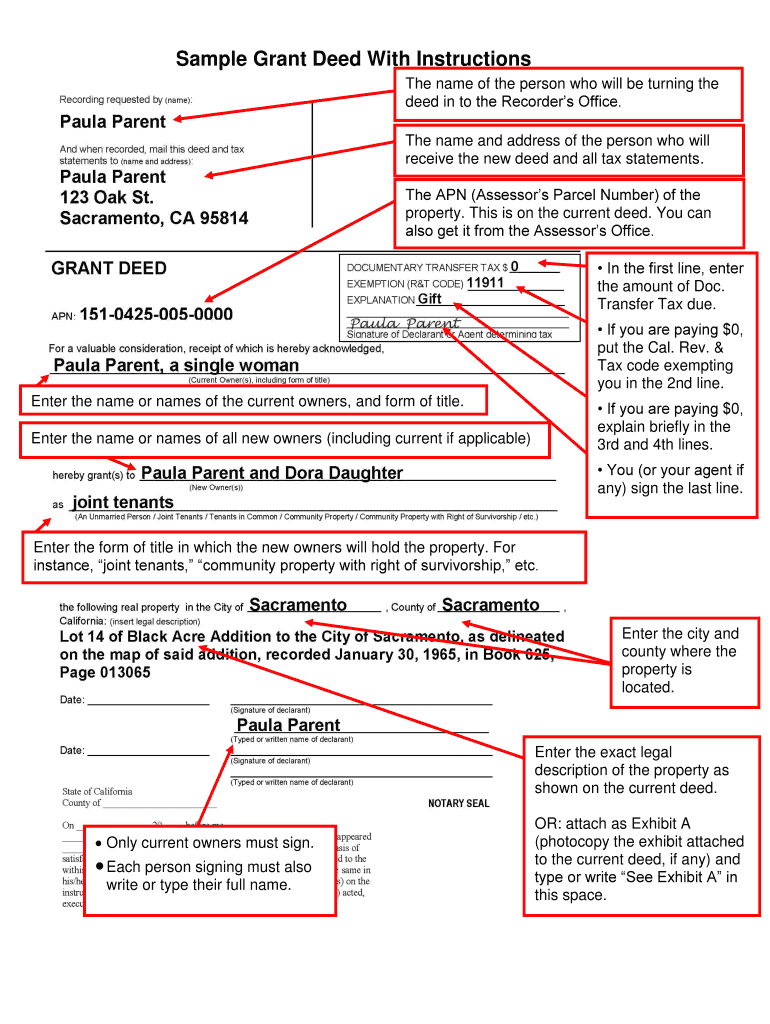
The County Recorder is responsible for maintaining official records of all real estate transactions. The most critical document for determining ownership is the deed. A deed is a legal instrument that transfers title (ownership) of real property from one party to another. When a property is bought, sold, inherited, or otherwise transferred, the new deed is recorded with the County Recorder.
- What to look for: The deed will explicitly state the grantor (the seller or transferor) and the grantee (the buyer or transferee). It also contains a legal description of the property, the date of the transaction, and any associated encumbrances like mortgages or liens.
- How to access records: Most California counties offer online access to their recorded documents, although the extent of this access can vary. You can typically search by name, document number, or property address. For older records or if online access is limited, you may need to visit the County Recorder’s office in person. Be prepared to provide as much information as possible about the property, such as its address or assessor’s parcel number (APN).
The County Assessor’s Office: Property Valuations and Ownership Information
While the Recorder’s office deals with the legal transfer of ownership, the County Assessor is responsible for appraising all taxable property within the county and determining its assessed value. Their records also contain valuable ownership information, often updated more frequently than deed records for tax purposes.
- What to look for: The Assessor’s records will typically list the current owner of record, the property’s APN, its address, and its assessed value. This information is primarily used for property tax collection, but it serves as an excellent cross-reference for ownership details.
- How to access records: Similar to the Recorder’s office, most County Assessor websites provide online search portals. You can usually search by APN, owner’s name, or address. The APN is particularly useful as it is a unique identifier for each parcel of land and is less prone to spelling variations or name changes than owner names.
Navigating the Process: Step-by-Step Strategies
To effectively find who owns a property in California, a methodical approach combining information from both the Recorder and Assessor’s offices is often the most efficient.
Step 1: Gather Preliminary Property Information
Before diving into official records, gather as much information as possible about the property. This includes:
- Full Property Address: The most common identifier. Ensure it’s accurate, including city and zip code.
- Assessor’s Parcel Number (APN): If you have it, this is the most direct way to search. You can often find the APN on past property tax bills or by using online mapping tools provided by the county.
- Owner’s Name (if known): Even a partial name can be helpful for searches.
- Location Details: A general understanding of the neighborhood or cross-streets can sometimes aid in identification if other details are vague.
Step 2: Utilize Online County Resources
Begin your search with the relevant county’s online portals.
- County Assessor’s Website: Start here. Search for the property using the address or APN. The Assessor’s records will likely provide the current owner of record and the APN. This is often the quickest way to get an initial ownership name.
- County Recorder’s Website: Once you have the APN or a confirmed owner’s name from the Assessor’s office, proceed to the Recorder’s website. Search for deeds associated with that APN or owner. You’ll be looking for the most recent deed that transferred ownership to the current owner. This deed will name the previous owner (grantor) and the current owner (grantee).
Step 3: Interpreting Deed Information for Ownership Chains

When you locate a deed, pay close attention to the parties involved:
- Grantor: The person or entity selling or transferring the property.
- Grantee: The person or entity receiving the property.
To trace ownership back further, you would look at the deed where the current owner is listed as the grantee. The grantor on that deed is the previous owner. You can then search for the deed where that previous owner was the grantee to find out who owned it before them. This process is known as tracing the “chain of title.”
Step 4: Dealing with Complex Ownership Structures
Property ownership isn’t always straightforward. Here are some common scenarios and how to navigate them:
- Trusts: Many properties are held in trusts for estate planning or asset protection. If the owner is a trust, the deed will list the trustee(s) as the owners. You’ll need to look for the trust document itself (though these are not always public record) to understand who the beneficiaries and settlors are. Public records will typically show the trustee’s name and the trust’s name.
- Corporations or LLCs: Properties can be owned by business entities. The deed will list the name of the corporation or LLC. To find out who controls or owns the entity, you would typically need to conduct a separate search with the California Secretary of State.
- Probate or Estate Sales: When a property owner passes away, their property may go through probate. The court will appoint an executor or administrator to manage the estate. Deeds in these cases will usually reflect the estate’s name and the executor’s title.
- Joint Tenancy or Tenancy in Common: Multiple individuals can own a property together. The deed will list all owners and specify the form of ownership.
Step 5: When Online Resources Fall Short
If online searches are inconclusive or you need to examine original documents, you will likely need to visit the county offices in person.
- County Recorder’s Office: Request to view physical deed books or microfilm records. Staff can often assist in locating specific documents based on approximate dates or names.
- County Assessor’s Office: The Assessor’s office can provide property cards or maps that detail ownership history and parcel boundaries.
Beyond Public Records: Additional Avenues and Professional Assistance
While public records are the primary source, other methods and professionals can assist in property ownership investigations.
Utilizing Title Companies and Real Estate Agents
- Title Companies: These companies specialize in examining property titles and providing title insurance. They have extensive experience and sophisticated tools for researching ownership history. If you are involved in a real estate transaction, the title company will conduct a thorough title search as part of their services.
- Real Estate Agents: Experienced agents often have a good understanding of local property records and can point you in the right direction or even conduct preliminary searches on your behalf.
Property Search Websites and Services
Numerous private companies offer property search services online. These websites aggregate public records from various counties and present them in a user-friendly format. While convenient, it’s essential to:
- Verify Information: Always cross-reference information obtained from third-party sites with the official county records, as these sites may not always have the most up-to-date or complete data.
- Understand Costs: Many of these services require a subscription fee or a per-search charge.

Legal Assistance and Professional Investigators
In complex cases, such as disputes, legal proceedings, or when dealing with obscure ownership, consulting an attorney specializing in real estate law is advisable. For very challenging investigations, a private investigator with experience in property searches might be necessary. They can employ advanced techniques to uncover ownership information that may not be readily apparent in public records.
By understanding the resources available and employing a systematic approach, you can effectively uncover the ownership of any property in California, gaining valuable insights for your real estate endeavors or any other pertinent need.
LifeOutOfTheBox is a participant in the Amazon Services LLC Associates Program, an affiliate advertising program designed to provide a means for sites to earn advertising fees by advertising and linking to Amazon.com. Amazon, the Amazon logo, AmazonSupply, and the AmazonSupply logo are trademarks of Amazon.com, Inc. or its affiliates. As an Amazon Associate we earn affiliate commissions from qualifying purchases.