
Navigating the requirements for working in California’s vibrant food service industry involves understanding and obtaining a California Food Handler Card. This essential credential ensures that individuals handling food are knowledgeable about safe food preparation, storage, and service practices, ultimately protecting public health. For anyone aspiring to work in restaurants, cafes, catering services, or any establishment where food is prepared or served within the Golden State, acquiring this card is a crucial first step. This guide will walk you through the entire process, from understanding what the card entails to completing your training and receiving your official certification.
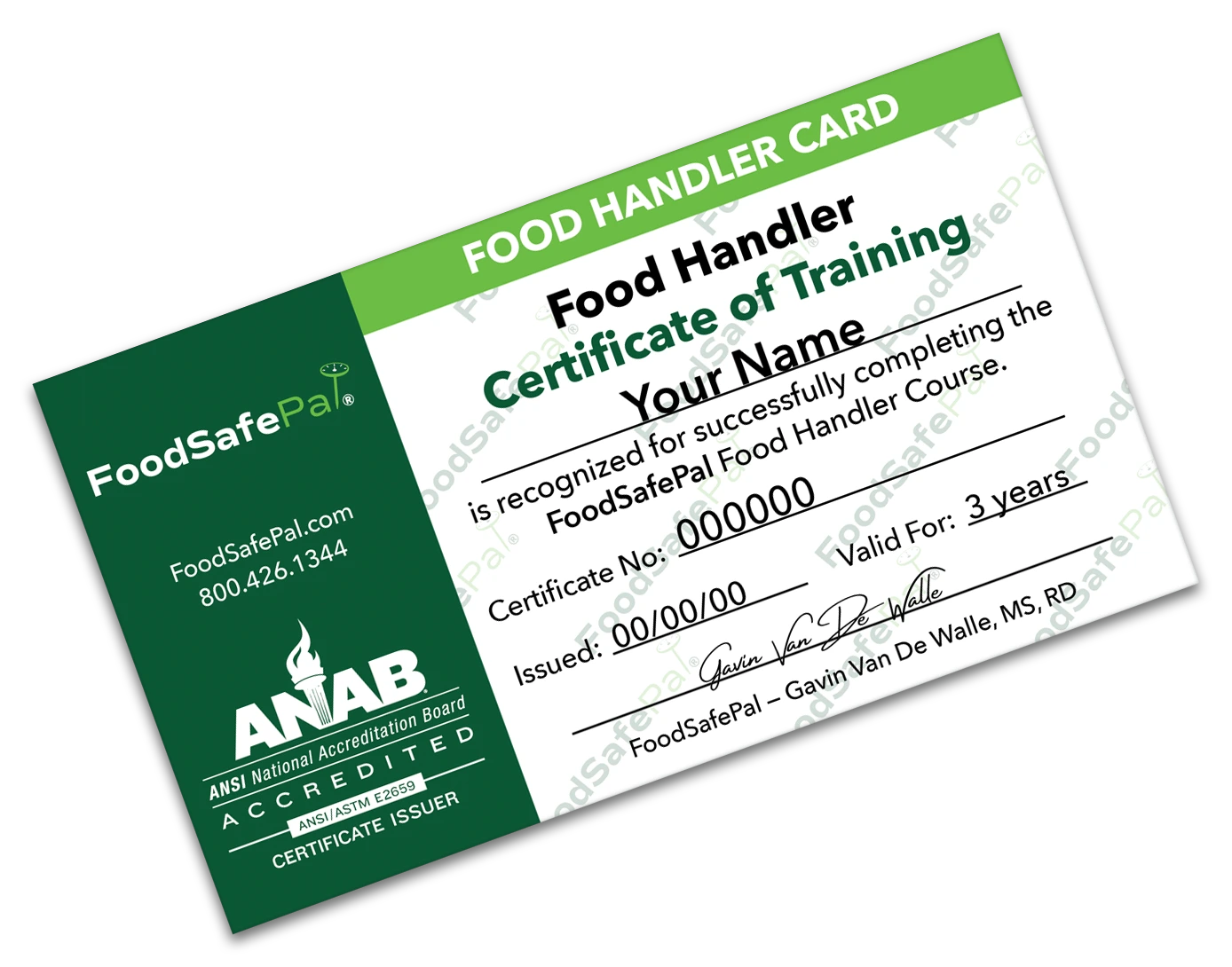
The California Food Handler Card, often referred to as a food handler permit or certificate, is mandated by state law for most food service employees. It signifies that you have successfully completed an accredited food safety training program. This training covers fundamental principles of food hygiene, preventing foodborne illnesses, proper temperature control for foods, allergen awareness, and sanitation procedures. By obtaining this card, you demonstrate to employers and regulatory bodies that you are equipped with the necessary knowledge to handle food safely.
Understanding the California Food Handler Card Requirement
The mandate for California Food Handler Cards stems from the California Retail Food Code. This legislation aims to standardize food safety practices across the state and reduce the incidence of foodborne illnesses. Virtually all employees who handle food, including cooks, servers, bussers, bartenders, and even volunteers at food-related events, are required to obtain and maintain a valid card. There are some exemptions, such as individuals holding a valid ServSafe Manager Certification or those working in specific healthcare or institutional settings. However, for the vast majority of individuals entering or currently working in the California food industry, this card is a non-negotiable requirement.
Who Needs a Card?
The scope of the California Food Handler Card requirement is broad. It encompasses anyone involved in the preparation, storage, or service of food in any public eating establishment. This includes:
- Restaurant Staff: Cooks, chefs, prep cooks, dishwashers, servers, hosts, bartenders.
- Café and Coffee Shop Employees: Baristas, counter staff.
- Catering Personnel: Those involved in food preparation, delivery, and service at events.
- Grocery Store Employees: Deli counter workers, pre-packaged food handlers.
- Event Staff: Volunteers or paid staff at food festivals, fairs, and community events.
- Food Truck Operators and Staff: Anyone directly involved with food preparation and service.
It’s important to note that the requirement typically applies to employees who work more than a certain number of hours per month, though specific regulations might vary slightly by local health department interpretations. However, it is generally best practice for anyone who might come into contact with food to obtain the card to ensure compliance and demonstrate a commitment to food safety.
Benefits of Having a Food Handler Card
Beyond legal compliance, possessing a California Food Handler Card offers several advantages. For employers, it signifies that their staff has received basic training in food safety, reducing the risk of health code violations and potential lawsuits arising from foodborne illnesses. For employees, it enhances their employability, making them more attractive candidates to potential employers in the competitive food service sector. It also instills confidence in their ability to perform their duties safely and responsibly, contributing to a safer dining experience for the public.
The Training and Examination Process
Obtaining your California Food Handler Card involves completing an accredited online or in-person training course and passing a comprehensive examination. The training modules are designed to be accessible and informative, covering the critical aspects of food safety.
Choosing an Accredited Training Provider
The first step is to select an accredited food handler training provider. These providers are approved by the California Department of Public Health to offer food safety education. Reputable online providers offer convenience and flexibility, allowing you to complete the training at your own pace. Look for programs that clearly state they are accredited for California and offer a certificate upon successful completion. Some well-known providers include StateFoodSafety, Learn2Serve, and Premier Food Safety.
Course Content and Duration
The typical training course covers essential food safety topics, including:
- Personal Hygiene: Proper handwashing, preventing contamination from ill employees, and appropriate attire.
- Time and Temperature Control: Understanding the danger zone for bacterial growth and safe cooking, holding, and cooling temperatures.
- Cross-Contamination Prevention: Separating raw and cooked foods, cleaning and sanitizing surfaces and equipment.
- Allergen Awareness: Identifying common food allergens and preventing cross-contact.
- Cleaning and Sanitizing: Procedures for effective cleaning and sanitizing of utensils, equipment, and food contact surfaces.
- Pest Control: Recognizing and preventing pest infestations.
- Receiving and Storing Food: Safe practices for receiving, storing, and rotating food products.
The duration of the training varies but generally takes between 1.5 to 3 hours to complete. Most online courses allow you to pause and resume your training as needed, making it manageable for busy schedules.
The Examination
Upon completing the training modules, you will be required to pass an examination. This test assesses your understanding of the food safety principles covered in the course. Most examinations consist of multiple-choice questions. You must achieve a minimum passing score, typically around 70-75%, to receive your certification. If you do not pass on the first attempt, most accredited providers allow you to retake the exam, often with a waiting period or after reviewing specific sections of the training material.
Obtaining and Maintaining Your Food Handler Card
Once you have successfully completed the training and passed the examination, you will receive your California Food Handler Card. Understanding its validity and renewal requirements is crucial for continuous compliance.
Receiving Your Certification
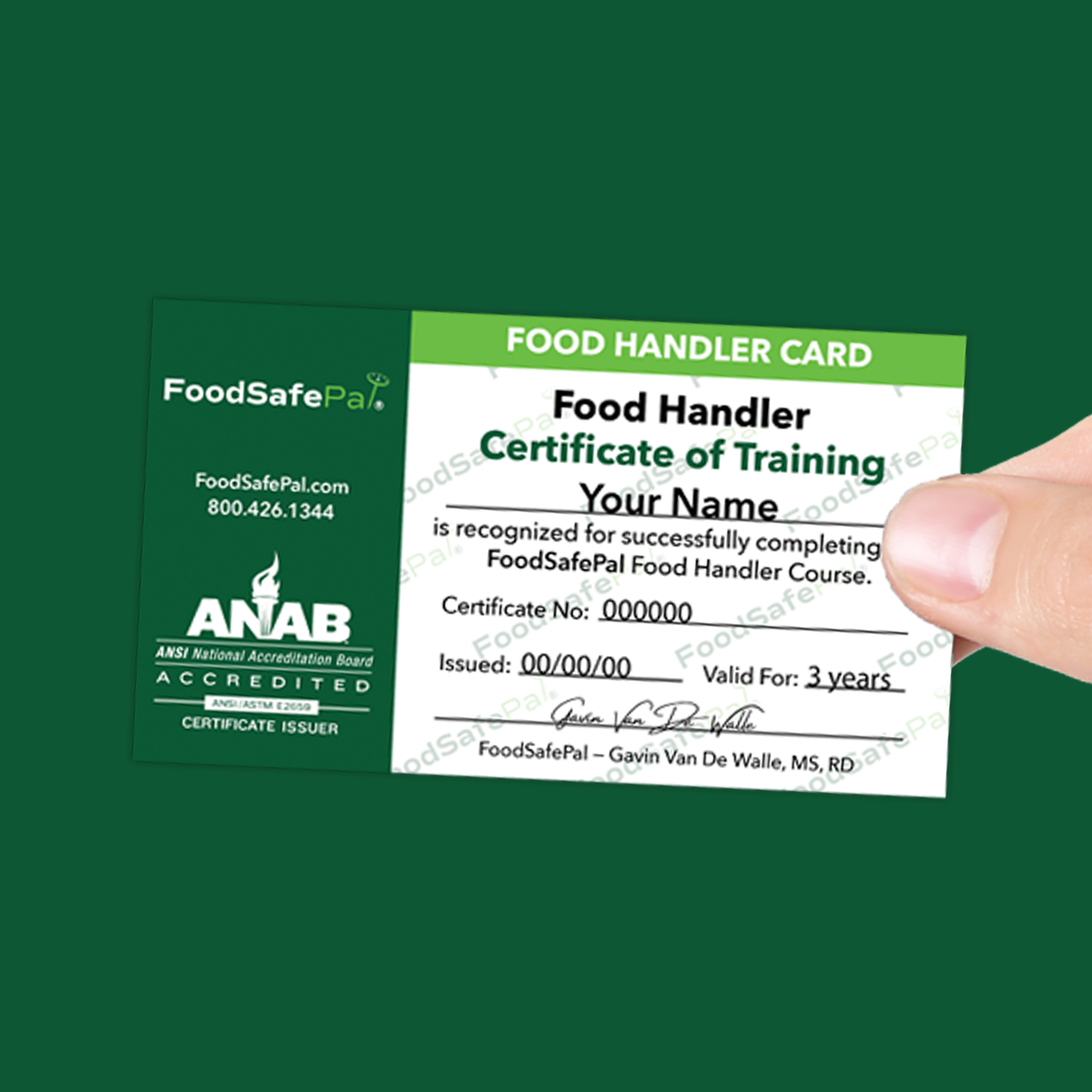
After passing the exam, accredited providers will typically allow you to download and print your official California Food Handler Card immediately. This printable version serves as your temporary proof of certification. You may also receive a digital copy. Some providers may mail a physical card, but this is less common for online courses. The card will include your name, the date of issuance, the expiration date, and the name of the accredited training provider.
Card Validity and Renewal
A California Food Handler Card is valid for three years from the date of issuance. It is your responsibility to ensure your card remains current. As your expiration date approaches, you will need to retake an accredited food handler training course and pass the examination again to obtain a new card. It is advisable to begin the renewal process a few weeks before your current card expires to avoid any lapses in certification.
Employer Responsibilities
California law also places responsibilities on employers. Employers must ensure that all their food-handling employees possess a valid California Food Handler Card within 30 days of their hire date. They are also required to maintain records of their employees’ food handler certifications. Employees are generally responsible for the cost of obtaining their food handler card, but some employers may choose to cover this expense as a benefit or requirement.
Special Considerations and Local Variations
While the California Food Handler Card is a statewide requirement, there can be minor variations in enforcement and specific local ordinances managed by individual county health departments. It’s always prudent to be aware of these potential nuances.
Local Health Department Requirements
While the core training and card are state-mandated, some larger cities or counties in California may have additional specific requirements or recommendations. For instance, some jurisdictions might require employees to possess a physical copy of their card on their person while working. It is highly recommended to check the website of the local health department in the county where you intend to work for any specific local guidelines or requirements related to food handler permits. This proactive approach ensures complete compliance.
Specific Food Safety Scenarios
The training provided by accredited programs is comprehensive, but specific work environments might present unique challenges. For example, those working in high-risk environments like hospitals or with vulnerable populations might benefit from additional specialized food safety training beyond the basic food handler card. Understanding the nuances of food handling in diverse settings, from a busy Los Angeles restaurant to a small bakery in San Diego, underscores the importance of a solid foundation in food safety principles.

Conclusion: Ensuring a Safer Food Environment
Obtaining a California Food Handler Card is more than just a bureaucratic step; it’s a commitment to public health and safety. By investing a small amount of time and effort into accredited training, individuals in the food service industry equip themselves with the knowledge to prevent foodborne illnesses, protect consumers, and contribute to the reputation of California’s diverse and esteemed culinary scene. From bustling eateries in San Francisco to casual diners throughout the state, a well-trained food handler is an invaluable asset, ensuring that every meal served is not only delicious but also safe. Remember to keep your card current and to always prioritize safe food handling practices in your daily work.
LifeOutOfTheBox is a participant in the Amazon Services LLC Associates Program, an affiliate advertising program designed to provide a means for sites to earn advertising fees by advertising and linking to Amazon.com. Amazon, the Amazon logo, AmazonSupply, and the AmazonSupply logo are trademarks of Amazon.com, Inc. or its affiliates. As an Amazon Associate we earn affiliate commissions from qualifying purchases.