
Embarking on the journey to obtain a car dealer license in California is a significant step for aspiring automotive entrepreneurs. This process, while detailed, is designed to ensure that all licensed dealers operate with integrity and adhere to state regulations. Navigating the requirements of the California Department of Motor Vehicles (DMV) is paramount for a smooth and successful application. This guide will break down the essential steps, necessary documentation, and crucial considerations for anyone looking to establish their dealership in the Golden State.
Understanding the Requirements for a California Dealer License
Before diving into the application process, it’s crucial to understand the fundamental prerequisites set forth by the California DMV. These requirements are in place to safeguard consumers and maintain a reputable automotive sales industry.
Types of Dealer Licenses
California offers various types of dealer licenses, each catering to specific business models within the automotive sector. Identifying the correct license type is the first critical step.
- New Vehicle Dealer: This license is for businesses selling new vehicles directly from manufacturers. This typically involves establishing franchise agreements with specific makes.
- Used Vehicle Dealer: This license permits the sale of pre-owned vehicles. It’s the most common type for independent dealerships.
- Wholesale Dealer: Licensed wholesale dealers sell vehicles exclusively to other licensed dealers, not directly to the public.
- Distributor: Distributors are authorized by manufacturers to sell vehicles to franchised dealers in a specific territory.
- Lien Sale Dealer: This specialized license allows for the sale of vehicles sold through a lien sale process, typically for vehicles that have been repossessed.
- Recycler Dealer: This license is for businesses that dismantle vehicles for parts or scrap.
For most aspiring entrepreneurs looking to open a traditional car lot, the Used Vehicle Dealer license will be the primary focus. This guide will primarily address the requirements for this category, though many principles apply across the board.
Eligibility Criteria
To be eligible for a dealer license in California, applicants must meet several key criteria:
- Age: Applicants must be at least 18 years of age.
- Residency: While not strictly requiring California residency, having a physical business location within the state is mandatory.
- Criminal Background: Applicants with certain criminal convictions, particularly those related to fraud, theft, or dishonesty, may be denied a license. The DMV conducts thorough background checks.
- Business Location: A legitimate, established place of business is a non-negotiable requirement. This location must meet specific zoning, signage, and office space criteria set by the DMV and local authorities.
The Application Process: Step-by-Step
Obtaining your dealer license involves a series of structured steps, each requiring careful attention to detail and accurate documentation.
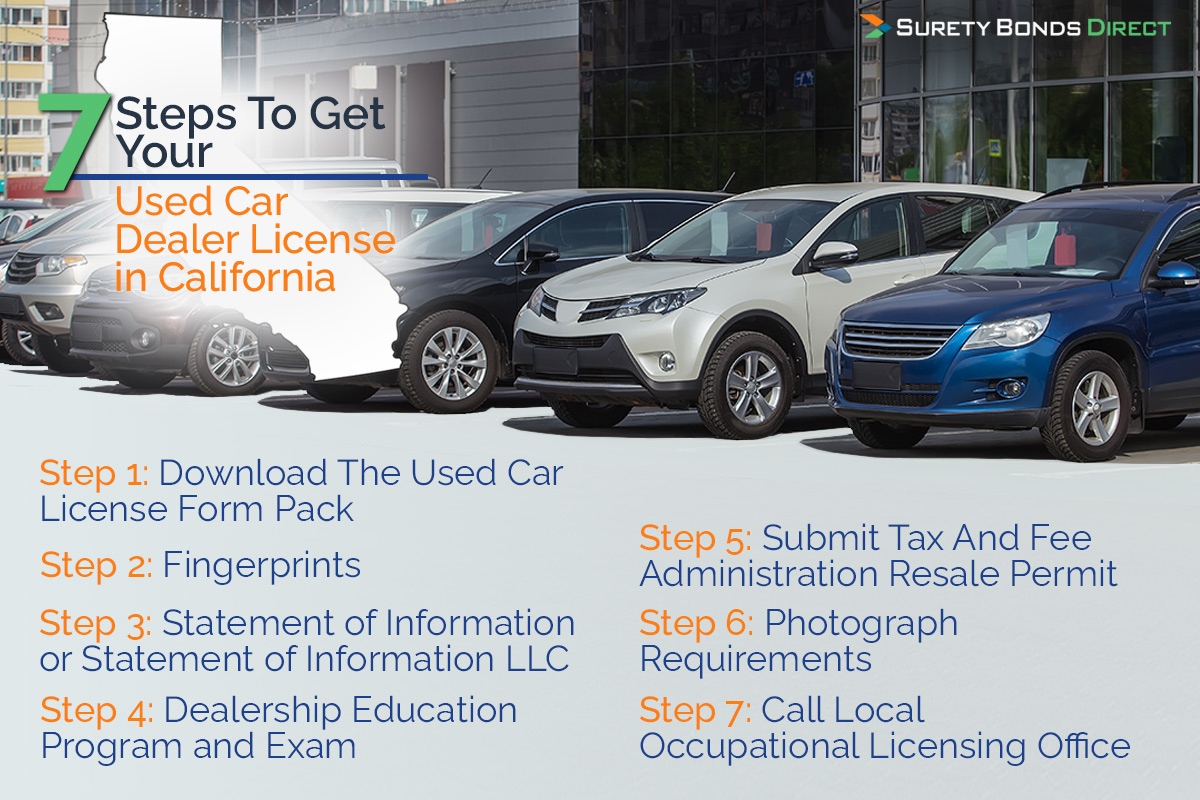
Step 1: Complete the Dealer Education Program
All applicants for a new dealer license in California must complete an approved dealer education program. This course covers relevant laws, regulations, and ethical practices for operating a dealership.
- Course Content: The program typically includes modules on California vehicle code, consumer protection laws, advertising standards, record-keeping requirements, and responsibilities of a dealer.
- Provider Certification: Ensure the education provider is officially approved by the California Department of Motor Vehicles. Upon completion, you will receive a certificate of completion, which is a mandatory part of your application.
Step 2: Secure a Business Location and Obtain Necessary Permits
Your business location is more than just an address; it’s a physical representation of your dealership and must comply with stringent regulations.
- Physical Premises: The location must be a permanent, established place of business that is accessible to the public. It should include an office, a display area for vehicles, and appropriate signage.
- Zoning and Local Ordinances: Before signing a lease or purchasing property, verify that the location complies with local zoning laws and ordinances for automotive dealerships. Contact your city or county planning department for specific requirements.
- Signage: A permanent sign displaying the dealership’s name is required. The sign must be clearly visible and meet specific size and placement regulations.
- Office Space: A dedicated office space with a desk, chair, and phone is necessary for conducting business and maintaining records.
- Display Area: You must have a designated area for displaying vehicles for sale, capable of holding at least one vehicle.
Step 3: Obtain a Resale Permit
As a dealer, you will be selling vehicles to consumers who will likely register and operate them on public roads. Therefore, you need a Resale Permit from the California Department of Tax and Fee Administration (CDTFA). This permit allows you to purchase vehicles for resale without paying sales tax. You will then be responsible for collecting and remitting sales tax from your customers.
Step 4: Secure a Surety Bond
A surety bond is a financial guarantee that protects consumers against potential fraud or misconduct by the dealer. The bond amount varies depending on the type of dealership and the volume of sales.
- Bond Amount: For most used vehicle dealers, the required surety bond is typically $50,000. However, this amount can be higher for dealerships dealing with a larger volume of sales or specific types of vehicles.
- Licensed Surety Company: The bond must be obtained from a surety company licensed to do business in California.
- Purpose: The bond ensures that if a dealer engages in illegal or unethical practices, consumers can recover financial losses up to the bond amount.
Step 5: Gather Required Documentation for Application
The application for a dealer license is comprehensive. You will need to meticulously prepare and submit various documents.
- Application Form (OL 21 Application): This is the primary application form provided by the California DMV. Ensure it is completed accurately and in its entirety.
- Certificate of Completion: Your proof of completing the dealer education program.
- Surety Bond Certificate: The original surety bond form, signed by you and the surety company.
- Resale Permit Information: Confirmation of your CDTFA resale permit.
- Business Location Proof: Documents such as a lease agreement, deed, or utility bill showing the established business address.
- Photographs of Business Location: The DMV may require photographs of your office, display area, and signage.
- Business Structure Documents: If operating as a corporation, partnership, or LLC, you’ll need relevant formation documents (e.g., Articles of Incorporation, Partnership Agreement, Articles of Organization).
- Personal Identification: Valid government-issued identification for all principal applicants.
- Fingerprints: All individuals associated with the dealership, including owners and key personnel, will need to submit fingerprints for a background check. This is typically done through a Live Scan service.
Step 6: Submit Your Application and Fees
Once all your documentation is complete and verified, you can submit your application package to the California Department of Motor Vehicles.
- Submission Location: Applications are typically submitted to a local DMV occupational licensing office. It’s advisable to contact your local office in advance to confirm their specific submission procedures.
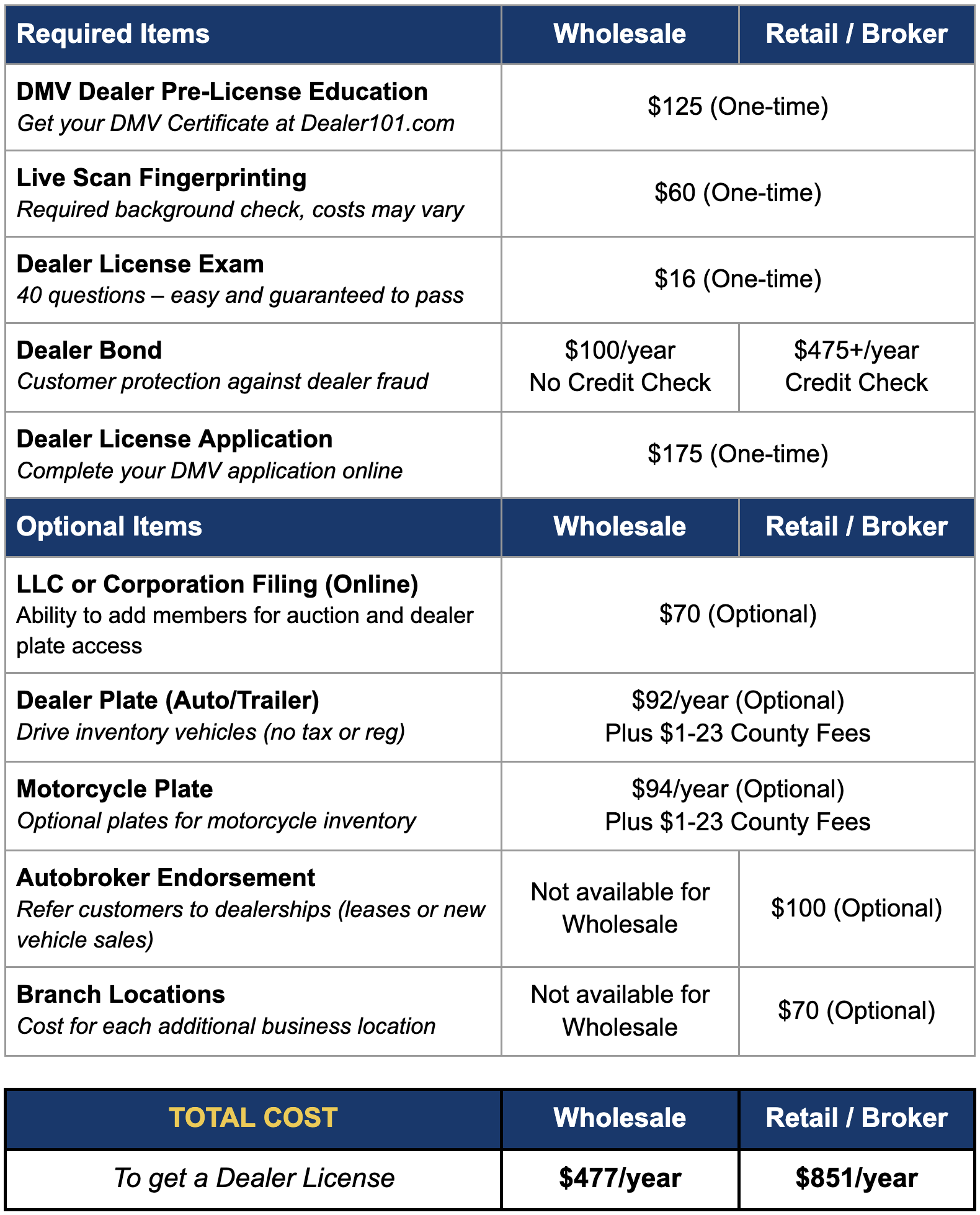
- Application Fees: Be prepared to pay the required application and licensing fees. These fees are subject to change, so it’s essential to check the latest fee schedule on the DMV website.
Step 7: Prepare for the Pre-License Inspection
After submitting your application, the DMV will schedule a pre-license inspection of your business location. An investigator will visit your premises to ensure it meets all the requirements.
- Inspection Checklist: The investigator will assess your office space, display area, signage, record-keeping facilities, and overall adherence to state regulations.
- Be Prepared: Ensure your business location is set up exactly as you intend to operate it, with all necessary permits and signage in place. Having your business documents organized will also be beneficial.
Step 8: Obtain Dealer Plates
Upon successful completion of the inspection and approval of your application, you will be issued your dealer plates. These plates allow you to legally move vehicles on public roads for business purposes, such as test drives or transporting inventory.
Ongoing Responsibilities and Compliance
Holding a car dealer license in California is not a one-time achievement; it comes with ongoing responsibilities to maintain compliance with state and federal laws.
Record Keeping
Accurate and diligent record keeping is a cornerstone of operating a licensed dealership. The DMV mandates specific record-keeping requirements.
- Vehicle Sale Records: Maintain detailed records of all vehicle sales, including buyer information, purchase price, vehicle identification number (VIN), and odometer readings.
- Title and Registration: Keep meticulous records of all vehicle titles and registration documents.
- Financial Records: Maintain financial records related to your business operations, including income and expenses.
- Retention Period: Be aware of the legally required retention periods for various types of records.
Advertising and Sales Practices
Deceptive or misleading advertising and sales practices can lead to severe penalties, including license suspension or revocation.
- Honest Advertising: All advertising must be truthful and not misleading. Avoid making false claims about vehicle condition, price, or financing.
- Disclosure Requirements: Be transparent with consumers regarding vehicle history, warranty information, and all associated costs.
- Compliance with Consumer Protection Laws: Adhere to all federal and state consumer protection laws designed to safeguard buyers.
Renewing Your License
Dealer licenses are not permanent and require periodic renewal.
- Renewal Period: Typically, dealer licenses in California are valid for two years.
- Renewal Process: The DMV will send you renewal notices. It’s your responsibility to complete the renewal process, including any required continuing education or updated surety bonds, before your current license expires.
Staying Informed
The automotive industry and regulatory landscape are constantly evolving. It’s crucial for dealers to stay informed about changes in laws and regulations.
- DMV Updates: Regularly visit the California Department of Motor Vehicles website for official announcements and updates.
- Industry Associations: Consider joining relevant industry associations, such as the California New Car Dealers Association or the California Independent Auto Dealers Association, which provide valuable resources and advocacy.
Obtaining a car dealer license in California is a rigorous but achievable goal. By understanding and diligently following each step, preparing thoroughly, and committing to ongoing compliance, you can successfully establish and operate a reputable automotive dealership in the state.
LifeOutOfTheBox is a participant in the Amazon Services LLC Associates Program, an affiliate advertising program designed to provide a means for sites to earn advertising fees by advertising and linking to Amazon.com. Amazon, the Amazon logo, AmazonSupply, and the AmazonSupply logo are trademarks of Amazon.com, Inc. or its affiliates. As an Amazon Associate we earn affiliate commissions from qualifying purchases.