
Navigating the requirements for obtaining a commercial license in California can seem like a complex undertaking, especially for businesses looking to operate within the Golden State. This process is crucial for ensuring legal compliance, fostering public trust, and enabling a smooth operational flow for various commercial activities. Understanding the different types of licenses, the governing bodies, and the specific steps involved is paramount. This guide aims to demystify the journey of acquiring a commercial license in California, providing a comprehensive overview for aspiring and established businesses alike.
Understanding Commercial Licenses in California
A commercial license, in the context of California, is a broad term that can encompass several types of permits and authorizations required to conduct business legally. It’s not a single, monolithic permit but rather a collection of credentials that vary based on the industry, the nature of the business, and the specific activities it undertakes. From general business permits to specialized industry-specific licenses, the state mandates a thorough vetting process to ensure public safety, consumer protection, and fair business practices.
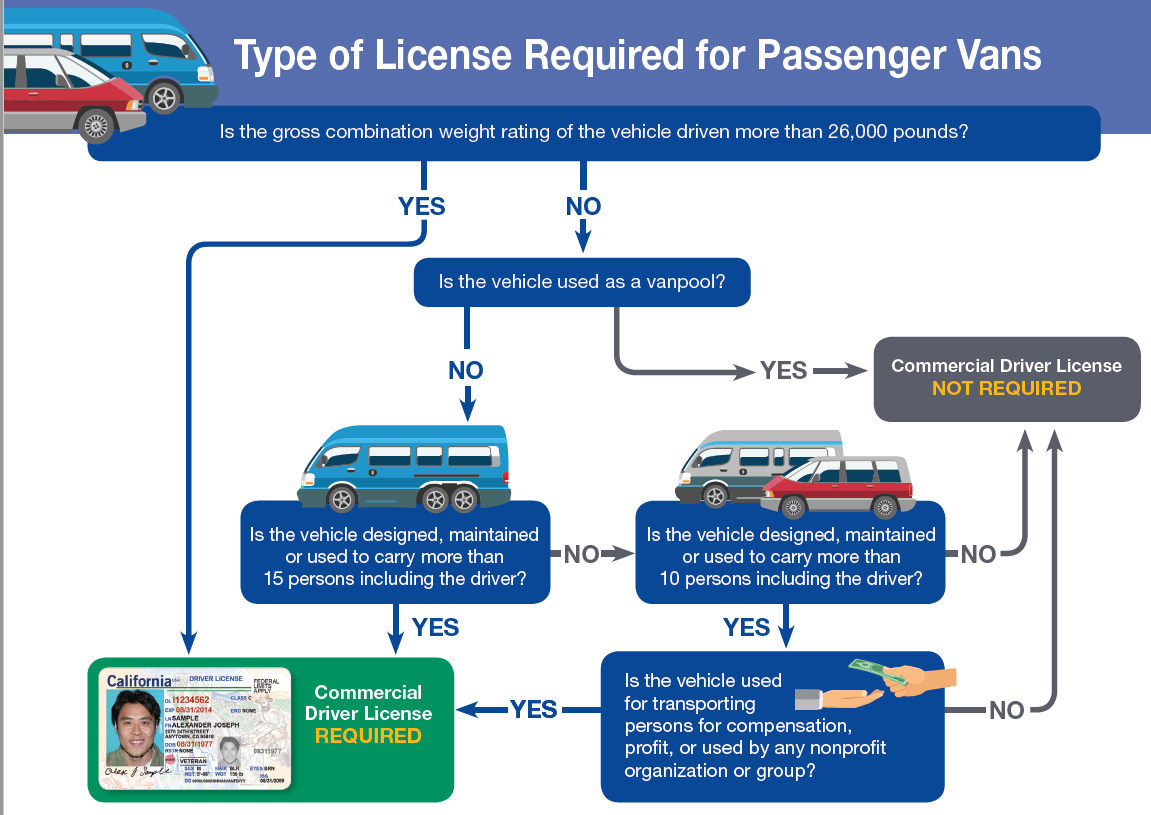
Federal, State, and Local Requirements
The licensing landscape in California operates on multiple governmental levels.
Federal Licenses
While most businesses in California are regulated at the state or local level, certain industries require federal licenses. These typically involve activities that cross state lines or are heavily regulated due to national security or public health concerns. Examples include:
- Alcoholic Beverage Control: Businesses involved in the manufacturing, importing, and wholesale distribution of alcoholic beverages may need federal permits from the Alcohol and Tobacco Tax and Trade Bureau (TTB).
- Firearms and Ammunition: Dealers and manufacturers of firearms and ammunition require licenses from the Bureau of Alcohol, Tobacco, Firearms and Explosives (ATF).
- Transportation: Companies involved in interstate transportation of goods or passengers (e.g., trucking companies, airlines) often need permits from the Department of Transportation (DOT).
- Broadcasting: Radio and television stations require licenses from the Federal Communications Commission (FCC).
State Licenses
The vast majority of businesses operating in California will need to obtain one or more licenses from state agencies. These licenses are issued by various departments and boards that oversee specific professions and industries. Key state agencies include:
- Department of Consumer Affairs (DCA): This department oversees a multitude of professional and occupational licensing boards, covering fields like contractors, real estate agents, doctors, dentists, cosmetologists, barbers, and many more.
- Secretary of State (SOS): While not a licensing agency in the traditional sense, the SOS is responsible for registering businesses, filing corporate documents, and issuing a Certificate of Status, which is often a prerequisite for other licenses.
- Franchise Tax Board (FTB): Businesses must register with the FTB for tax purposes, which involves obtaining a state employer identification number (SEIN) if applicable.
- Department of Alcoholic Beverage Control (ABC): This agency issues licenses for businesses selling or manufacturing alcoholic beverages.
- Department of Motor Vehicles (DMV): Specific licenses related to vehicle sales, driving schools, and other automotive services are issued by the DMV.
- Department of Real Estate (DRE): Regulates and licenses individuals and companies involved in real estate sales, leasing, and property management.
- Contractors State License Board (CSLB): Licenses contractors for various construction and home improvement services.
Local Licenses
In addition to state and federal requirements, most cities and counties in California require businesses to obtain a local business license or permit to operate within their jurisdiction. This is often referred to as a “business tax certificate.”
- City Business License: This is a permit issued by the city where your business is physically located. It often involves paying a business tax based on gross receipts or a flat fee.
- County Business License: If your business operates in an unincorporated area of a county, you will need a county business license.
- Zoning and Land Use Permits: Many cities and counties require businesses to obtain zoning permits to ensure that their operations comply with local land-use regulations. This is particularly important for brick-and-mortar establishments.
- Health Permits: Businesses in the food service industry, healthcare, or those dealing with certain types of waste will need permits from local health departments.
- Fire Department Permits: Businesses that pose fire hazards or operate in specific types of buildings may require permits from the local fire department.
The Application Process: Step-by-Step Guide
The process for obtaining a commercial license in California can be broken down into several key stages. While specific requirements vary by license type, the general framework remains consistent.
Step 1: Determine Your Business Structure and Register Your Business
Before applying for any licenses, you need to establish your business’s legal structure and register it with the relevant authorities.
- Choose a Business Structure: Common structures include Sole Proprietorship, Partnership, Limited Liability Company (LLC), and Corporation. Each has different legal and tax implications.
- Register Your Business Name: If you are operating under a name different from your legal name (for sole proprietors or partnerships) or your registered corporate/LLC name, you will likely need to file a Fictitious Business Name (FBN) statement, also known as a “Doing Business As” (DBA) with the county clerk where your principal place of business is located.
- Register with the California Secretary of State: For LLCs and Corporations, you must file Articles of Incorporation or Organization with the Secretary of State.
- Obtain an Employer Identification Number (EIN): If you plan to hire employees, operate as a corporation or partnership, or file certain tax returns, you will need an EIN from the Internal Revenue Service (IRS). Even if not strictly required, it’s often beneficial for separating business and personal finances.
- Register with the California Employment Development Department (EDD): If you have employees, you must register with the EDD for state payroll tax purposes.
Step 2: Identify Required Licenses and Permits
This is arguably the most critical step. Failing to identify all necessary licenses can lead to penalties, fines, and business disruptions.
- Industry-Specific Research: Thoroughly research the specific industry your business operates in. For example, a restaurant will have different licensing needs than a software development company or a construction firm.
- Consult State Licensing Boards: Visit the websites of relevant state agencies like the Department of Consumer Affairs, Department of Real Estate, Contractors State License Board, and Department of Alcoholic Beverage Control. These sites provide detailed information on licensing requirements, application forms, and fees.
- Check Local Government Websites: Visit the official website of the city and county where your business will be located. Look for departments such as “Business Licensing,” “City Clerk,” or “Finance Department.”
- Utilize Online Resources: The Governor’s Office of Business and Economic Development (GO-Biz) offers resources and a permit assistance center that can help businesses identify state-level permits and licenses.
Step 3: Complete and Submit Applications
Once you have identified the necessary licenses, you will need to gather the required documentation and complete the application forms accurately.
- Gather Necessary Documents: This may include your business registration documents (e.g., Articles of Incorporation, FBN statement), EIN, proof of insurance, professional certifications, educational transcripts, criminal background checks, and business plans.
- Complete Application Forms: Applications are often available online for download or can be submitted electronically through the respective agency’s portal. Ensure all sections are filled out completely and truthfully. Any omissions or inaccuracies can cause delays or rejection.
- Pay Application Fees: Most license applications require a fee. These fees vary significantly depending on the type of license and the issuing agency. Be prepared to pay these fees upfront.
Step 4: Undergo Inspections and Examinations (If Applicable)
Some licenses require inspections or examinations to ensure compliance with safety, health, or professional standards.
- Inspections: Businesses, especially those involving physical premises like restaurants, retail stores, or manufacturing facilities, may be subject to inspections by local building departments, fire departments, or health departments to ensure compliance with zoning laws, fire codes, and public health regulations.
- Examinations: Many professional licenses require candidates to pass a written or practical examination to demonstrate their competency and knowledge in their field. This is common for professions like doctors, lawyers, architects, and contractors.

Step 5: Receive Your License and Maintain Compliance
Upon successful completion of the application process, inspections, and any required examinations, your license will be issued.
- Receive and Display Your License: Keep your official license documents in a safe place. Many licenses require you to display them prominently at your place of business.
- Understand Renewal Requirements: Commercial licenses are typically not permanent. They have expiration dates and require periodic renewal. Pay close attention to renewal deadlines and procedures to avoid lapse in your license.
- Stay Informed of Changes: Regulations and requirements can change. It is your responsibility to stay informed of any updates or amendments that may affect your license or business operations.
- Comply with Ongoing Regulations: Holding a license means adhering to the laws and regulations governing your industry. This includes maintaining required insurance, adhering to professional standards, and fulfilling any reporting obligations.
Common Pitfalls to Avoid
Even with careful planning, businesses can encounter challenges when seeking commercial licenses in California. Being aware of common pitfalls can help streamline the process.
Misidentifying License Requirements
This is a prevalent issue. Businesses often assume they only need a general business license, overlooking industry-specific state or federal permits. This can lead to operating illegally and facing significant penalties.
Incomplete or Inaccurate Applications
Errors, omissions, or dishonest information on applications are surefire ways to cause delays or outright rejection. Double-check every detail before submission.
Ignoring Local Requirements
Many businesses focus heavily on state licenses and neglect their local obligations. A city or county business license is a fundamental requirement for operating within that jurisdiction.
Failure to Renew Licenses
Licenses expire, and forgetting to renew them can result in a lapse of legal operating status. Set reminders and calendar alerts for renewal dates.
Not Budgeting for Fees and Costs
Licensing involves various fees, including application fees, renewal fees, inspection costs, and potentially fees for required courses or certifications. Factor these into your startup budget.
Not Seeking Professional Help When Needed
For complex industries or when dealing with multiple regulatory bodies, consulting with a business attorney, licensing specialist, or industry association can save time, money, and stress. Resources like the Small Business Administration (SBA) and local Chambers of Commerce can also provide valuable guidance.
Specialized Licensing Considerations
Certain industries in California have particularly stringent or unique licensing requirements due to the nature of their operations and the potential impact on public safety and welfare.
Healthcare Professionals
Doctors, nurses, therapists, and other healthcare providers must be licensed by specific boards under the Department of Consumer Affairs. This involves rigorous educational requirements, examinations, and ongoing continuing education. For instance, a physician needs a license from the Medical Board of California, while a psychologist requires a license from the Board of Psychology.
Food and Beverage Establishments
Restaurants, bars, catering services, and food manufacturers must comply with health and safety regulations set by both state and local health departments. This includes obtaining permits for food handling, facility inspections, and potentially liquor licenses from the Department of Alcoholic Beverage Control.
Construction and Trades
Contractors, electricians, plumbers, and other tradespeople must be licensed by the Contractors State License Board (CSLB). This ensures they meet specific qualifications and adhere to building codes and standards. Different classifications of contractor licenses exist, tailored to various trades.
Financial Services
Businesses involved in lending, mortgage brokering, or investment advisory services are regulated by agencies like the Department of Financial Protection and Innovation (DFPI). These licenses often involve significant capital requirements and compliance with extensive financial regulations.

Technology and Innovation
While the tech industry may seem less regulated, certain aspects, such as software used in regulated industries (e.g., medical devices, financial services), or data privacy practices, can involve specific compliance measures and sometimes certifications. Furthermore, companies providing certain online services might also need to consider the licensing requirements of the jurisdictions they serve.
Obtaining a commercial license in California is a fundamental step towards establishing a legitimate and successful business. By thoroughly understanding the regulatory landscape, diligently following the application processes, and remaining compliant, businesses can navigate this crucial requirement with confidence. It is an investment in legal standing, operational integrity, and long-term growth within the dynamic California market.
LifeOutOfTheBox is a participant in the Amazon Services LLC Associates Program, an affiliate advertising program designed to provide a means for sites to earn advertising fees by advertising and linking to Amazon.com. Amazon, the Amazon logo, AmazonSupply, and the AmazonSupply logo are trademarks of Amazon.com, Inc. or its affiliates. As an Amazon Associate we earn affiliate commissions from qualifying purchases.