
While the allure of the Golden State often conjures images of sun-drenched beaches, vibrant cities, and world-class entertainment, for some, personal safety and the ability to protect oneself are paramount considerations. Understanding the regulations surrounding concealed carry in California is crucial for residents and those considering a move to this diverse state. The process is intricate, heavily regulated, and subject to strict legal interpretations, making informed navigation essential. This guide aims to demystify the requirements and steps involved in obtaining a concealed carry permit in California, focusing on the legal framework and practical considerations for responsible firearm ownership.

Understanding California’s Concealed Carry Laws
California operates under a “shall-issue” system, meaning that if an applicant meets all the legal requirements, the issuing authority shall issue a permit. However, the definition of “good cause” has historically been a significant hurdle. While federal law recognizes a constitutional right to bear arms, the interpretation and implementation of this right within California have been shaped by numerous legal challenges and legislative changes.
The “Good Cause” Requirement: A Shifting Landscape
For many years, “good cause” was a stringent requirement, demanding applicants demonstrate a specific need for self-defense beyond that of the general public. This often meant proving credible threats to one’s life or safety. However, landmark legal decisions, most notably the Supreme Court’s ruling in New York State Rifle & Pistol Association, Inc. v. Bruen, have significantly altered this landscape. This ruling affirmed that the Second Amendment protects an individual’s right to carry a handgun in public for self-defense, and that licensing schemes cannot require a showing of a special need.
In response to Bruen, California has had to adapt its laws. While the specific interpretation and implementation of “good cause” continue to evolve through legal challenges and legislative adjustments, the general trend is towards a less restrictive standard. Applicants are no longer required to prove a unique or heightened risk of danger. Instead, the focus is shifting to whether the applicant is of good moral character and can demonstrate a reasonable need for self-defense. The exact nuances of what constitutes “reasonable need” can still vary by county, making it imperative to consult with the local sheriff’s department or police chief’s office.
Eligibility Criteria: Who Can Carry?
Beyond the “good cause” aspect, California has a comprehensive set of eligibility criteria that applicants must meet. These are designed to ensure that only responsible and law-abiding citizens are granted the privilege of carrying a concealed firearm.
- Age: Applicants must be at least 21 years of age.
- Residency: You must be a legal resident of California and reside in the county or city where you are applying. Non-residents generally cannot obtain a standard California concealed carry permit, though there are exceptions for certain professions or reciprocity agreements with other states.
- Criminal Record: A clean criminal record is essential. Felonies, certain misdemeanors, and convictions related to domestic violence, drug offenses, or violent crimes will disqualify an applicant. This includes expunged convictions in many cases.
- Mental Health: Individuals with a history of mental health issues that would make them a danger to themselves or others, or those who have been involuntarily committed to a mental institution, are disqualified.
- Firearm Proficiency: Applicants must demonstrate proficiency with a firearm. This typically involves completing a firearms training course approved by the state.
- Good Moral Character: This is a somewhat subjective, yet critical, criterion. Law enforcement agencies will conduct background checks, which may include interviews and inquiries into an applicant’s history to assess their suitability. This can encompass factors like past involvement in criminal activity, substance abuse, or any behavior that suggests a disregard for the law or safety of others.
The Application Process: A Step-by-Step Guide
Obtaining a concealed carry permit in California is a multi-step process that requires patience and attention to detail. The specific procedures can vary slightly between counties, so it is always best to confirm with your local law enforcement agency.
Step 1: Initial Inquiry and Application Submission
The first step is to contact your local county sheriff’s department or city police department, as these are the primary issuing authorities. Many agencies now have information and application forms available on their websites. You will need to download, complete, and submit the application form along with any required supporting documentation. This often includes proof of residency, identification, and potentially a non-refundable application fee.
Step 2: Firearms Training and Qualification
As mentioned, California requires applicants to complete a firearms safety and proficiency course. These courses are typically conducted by certified instructors and cover topics such as firearm safety, legal aspects of firearm use, marksmanship, and safe handling. The course culminates in a shooting qualification. It is crucial to choose a course that is recognized by your local issuing agency. Keep the certificate of completion, as it will be a required document for your application.
Step 3: Live Scan Fingerprinting and Background Check
Once your application is deemed complete, you will be scheduled for a Live Scan fingerprinting appointment. This process electronically transmits your fingerprints to the California Department of Justice (DOJ) and the Federal Bureau of Investigation (FBI) for a thorough background check. This check is extensive and will scrutinize your criminal history, mental health records, and other relevant databases.
Step 4: Interview with Law Enforcement
Most California counties require applicants to undergo an interview with a law enforcement officer. This interview serves as an opportunity for the officer to assess your character, discuss your reasons for seeking a permit, and clarify any information provided on your application. Be prepared to answer questions honestly and openly.
Step 5: Review and Approval
After all the previous steps are completed, your application will be reviewed by the issuing agency. This review process can take a significant amount of time, ranging from several weeks to several months, depending on the workload of the agency and the thoroughness of the background checks. If you meet all the requirements and are deemed a suitable candidate, your application will be approved.
Step 6: Permit Issuance and Renewal
Upon approval, you will be notified to pick up your concealed carry permit. The permit is typically valid for a period of one to two years, after which it must be renewed. The renewal process usually involves a shorter application, updated background checks, and often a refresher firearms training course.
Important Considerations and Legal Nuances
Navigating the concealed carry landscape in California involves more than just understanding the application process. Awareness of specific restrictions, legal responsibilities, and ongoing legal developments is paramount.
Restricted Locations
Even with a valid permit, there are numerous locations where carrying a concealed firearm is prohibited. These “gun-free zones” are strictly enforced and include:
- Schools and Universities: This is a primary restriction.
- Courthouses and Law Enforcement Facilities:
- Federal Buildings:
- Polling Places: During active voting hours.
- Airports: Beyond the security checkpoint.
- Private Property: If the owner has posted signage prohibiting firearms.
It is the responsibility of the permit holder to be aware of and adhere to all posted signage and legal restrictions. Ignorance of the law is not a defense.
Responsible Firearm Ownership
Possessing a concealed carry permit comes with significant responsibilities. It is not merely a right but a privilege that demands the highest level of accountability.
- Safe Storage: When not carrying, firearms must be stored securely and unloaded in a locked container, separate from ammunition.
- Awareness: Permit holders must be constantly aware of their surroundings and the presence of firearms.
- Non-Engagement: The permit is for self-defense. It should not be used for intimidation, aggression, or to engage in altercations.
- Legal Use: The use of a firearm, even in self-defense, is subject to strict legal scrutiny. The force used must be reasonable and necessary to prevent imminent death or great bodily injury.
Reciprocity and Out-of-State Carry
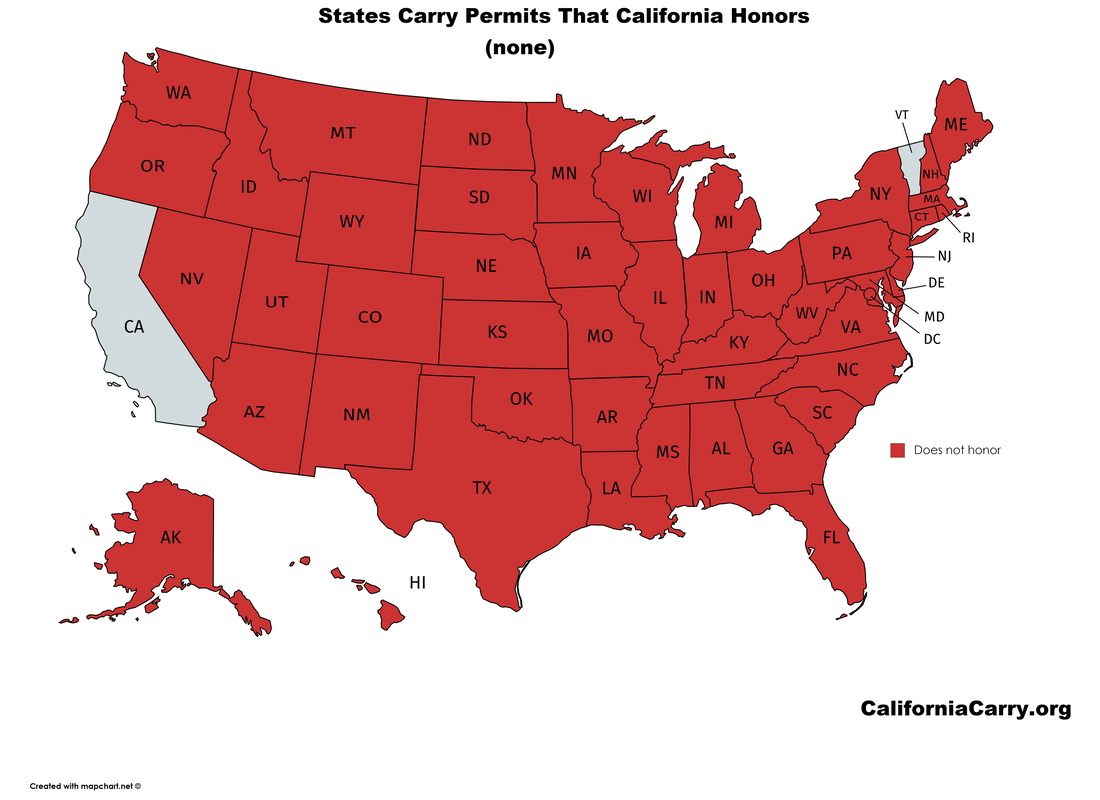
California does not recognize concealed carry permits issued by other states. This means that if you have a permit from another state and travel to California, you are generally not permitted to carry a concealed firearm unless you obtain a California permit. There are limited exceptions for certain professions, but for the general public, California residents must have a California permit to carry concealed within the state.

Ongoing Legal Challenges
The legal framework surrounding firearm ownership and concealed carry is dynamic. Court decisions and legislative actions can and do change the requirements and restrictions. Staying informed about these developments is crucial for all permit holders and applicants. Resources like the California Department of Justice website and reputable Second Amendment advocacy groups can provide updates.
In conclusion, obtaining a concealed carry permit in California is a rigorous process that underscores the state’s commitment to balancing Second Amendment rights with public safety. By understanding the eligibility requirements, diligently following the application procedures, and adhering to the responsibilities that come with carrying a firearm, individuals can navigate this complex system effectively. The journey demands thoroughness, patience, and a commitment to responsible gun ownership.
LifeOutOfTheBox is a participant in the Amazon Services LLC Associates Program, an affiliate advertising program designed to provide a means for sites to earn advertising fees by advertising and linking to Amazon.com. Amazon, the Amazon logo, AmazonSupply, and the AmazonSupply logo are trademarks of Amazon.com, Inc. or its affiliates. As an Amazon Associate we earn affiliate commissions from qualifying purchases.