
Obtaining your Motorcycle License (M1) in California is a significant step towards enjoying the freedom and exhilaration of two-wheeled travel. This guide will walk you through the entire process, from understanding the requirements to successfully passing your tests, ensuring a smooth and informed journey. Whether you’re a seasoned rider looking to formalize your skills or a complete novice eager to hit the open road, this comprehensive overview will equip you with the knowledge needed to navigate the California Department of Motor Vehicles (DMV) system effectively.
Understanding the M1 License Requirements
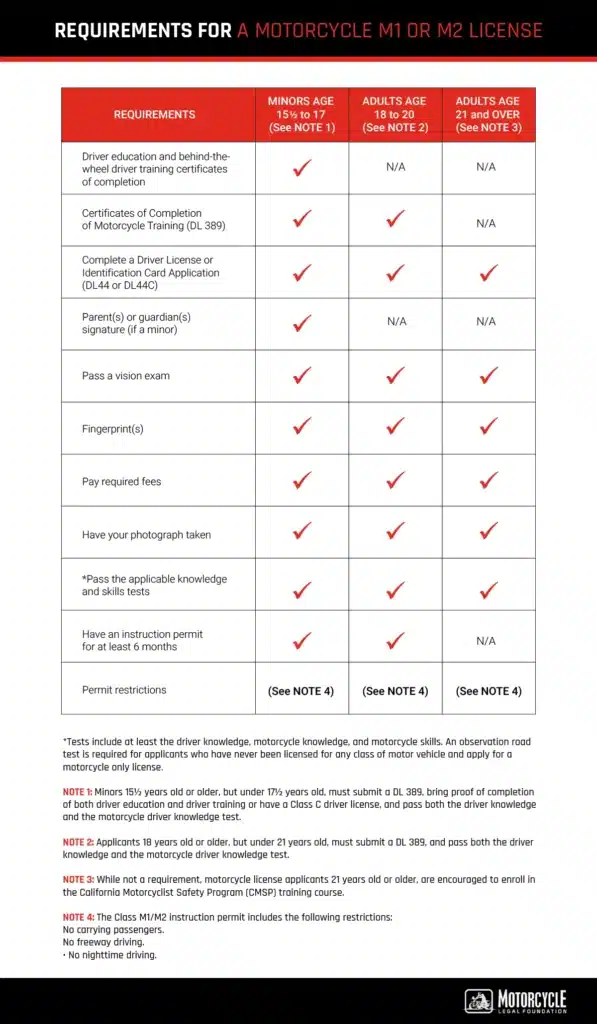
Before you even think about heading to the DMV, it’s crucial to understand what California requires of its aspiring motorcycle riders. These prerequisites are designed to ensure that all licensed riders possess a foundational understanding of safe riding practices and legal obligations.
Age and Identification
The minimum age to obtain an M1 license in California is 16 years old. For individuals under 18, a parent or legal guardian must provide consent on the application form. You will also need to provide proof of identity, residency, and your Social Security number. Acceptable forms of identification include a birth certificate, passport, or an existing California driver’s license.
Driver’s Education and Training
For applicants under 18 years of age, a mandatory motorcycle safety course is required. The California Motorcyclist Safety Program (CMSP) offers certified courses that, upon successful completion, waive the riding portion of the DMV test. Even if you are 18 or older, completing a CMSP course is highly recommended. It not only enhances your riding skills and safety knowledge but also provides valuable practical experience in a controlled environment, significantly increasing your chances of passing the required tests. You’ll receive a Certificate of Completion, which is essential for your application.
Vision Test
Like all driver’s license applications, you will need to pass a vision screening. This test ensures that you have adequate eyesight to operate a motorcycle safely. If you wear corrective lenses, be sure to bring them with you.
The Application Process at the DMV
Once you’ve met the preliminary requirements, it’s time to head to your local California DMV office. Be prepared for a potential wait, and it’s often advisable to schedule an appointment in advance to minimize your time in the office.
Completing the DL 44 Application Form
You’ll need to fill out the Driver License or Identification Card Application (DL 44). This form requires your personal information, including your name, address, date of birth, and Social Security number. Ensure all information is accurate and legibly filled out.
Knowledge Test
The first hurdle at the DMV is typically the knowledge test. This written exam assesses your understanding of motorcycle laws, safe riding practices, and traffic regulations specific to California. The questions cover topics such as traffic signals, right-of-way rules, defensive riding techniques, and the effects of alcohol and drugs on driving ability. To prepare, thoroughly study the California Motorcycle Handbook, which is available on the California DMV website. The handbook is your most crucial study resource.
Passing the Knowledge Test
The knowledge test consists of multiple-choice questions. You must answer a specific number of questions correctly to pass. If you fail, you will be given the opportunity to retake the test, usually after a waiting period or the next business day, depending on the DMV’s policy. Familiarizing yourself with the content of the handbook is the most effective way to ensure success. Many online resources also offer practice tests that can help you gauge your readiness.
The Riding Test: Demonstrating Your Skills

The riding test, also known as the skills test, is where you’ll demonstrate your proficiency in operating a motorcycle safely. This test is administered by a DMV examiner and evaluates your ability to control the motorcycle, maneuver through various exercises, and follow traffic laws.
What to Bring for the Riding Test
To take the riding test, you must bring your own motorcycle and wear appropriate safety gear. This includes a U.S. Department of Transportation (DOT) compliant helmet, eye protection (if your helmet doesn’t have a face shield), sturdy over-the-ankle boots, long pants, and a long-sleeved shirt or jacket. The motorcycle must be properly registered and insured, and in good working condition. Ensure your lights, horn, and brakes are functional.
The Riding Test Exercises
The riding test typically involves several exercises designed to assess different aspects of your riding ability. These may include:
- Cone Weave: Navigating through a series of cones at a slow, controlled speed, demonstrating balance and maneuverability.
- Sharp Turn: Executing a tight turn, often within a designated area, to showcase your ability to control the motorcycle through a corner.
- Quick Stop: Safely and effectively stopping the motorcycle within a marked zone.
- Obstacle Swerve: Maneuvering around a simulated obstacle, testing your reaction time and evasive skills.
- U-Turn: Performing a U-turn within a confined space, highlighting your ability to manage the motorcycle at very low speeds.
The specific exercises may vary slightly depending on the DMV location, but the core skills tested remain consistent. Focus on smooth control, proper body positioning, and maintaining a steady pace.
Passing the Riding Test
The examiner will be looking for smooth control, adherence to the course, and overall safety consciousness. Any actions that are deemed unsafe or demonstrate a lack of control can result in failure. If you don’t pass the riding test on your first attempt, you can reschedule it. Again, practice and a good understanding of the maneuvers are key to success.
Waiving the Riding Test
As mentioned earlier, successfully completing a certified motorcycle safety course, such as one offered by the CMSP, will waive the riding test requirement for most applicants. This is a significant benefit, as it allows you to proceed directly to obtaining your license after passing the knowledge test.
Obtaining Your M1 License
After successfully passing both the knowledge test and the riding test (or providing proof of course completion), you will be issued a temporary M1 license. Your permanent license will be mailed to you shortly thereafter.
The Motorcycle Instruction Permit
If you are under 18 and have not completed a rider training course, you will first be issued a motorcycle instruction permit. This permit allows you to practice riding under specific conditions. You must be under the direct supervision of a licensed motorcycle rider who is at least 18 years old. You cannot carry passengers, and you cannot ride between sunset and sunrise. This permit is typically valid for one year.
Transitioning to the M1 License
Once you have held your instruction permit for the required period (or if you are over 18 and passed both tests), you can then apply for your full M1 license. The permit itself often serves as a temporary license until the permanent one arrives.

Important Considerations for New Riders
- Safety Gear: Always wear appropriate safety gear, even for short rides. A helmet is legally required, but gloves, sturdy clothing, and proper footwear offer crucial protection.
- Visibility: Make yourself visible to other drivers. Wear bright colors and utilize reflective gear.
- Defensive Riding: Always assume other drivers may not see you. Anticipate potential hazards and maintain a safe distance from other vehicles.
- Practice: Continue to practice your riding skills in various conditions to build confidence and proficiency.
- Insurance: Ensure you have adequate motorcycle insurance, as required by law in California.
By following these steps and dedicating yourself to learning safe riding practices, you’ll be well on your way to enjoying the freedom and adventure that comes with an M1 license in California. Remember, the journey to becoming a licensed rider is as much about skill and knowledge as it is about embracing the responsible spirit of motorcycling.
LifeOutOfTheBox is a participant in the Amazon Services LLC Associates Program, an affiliate advertising program designed to provide a means for sites to earn advertising fees by advertising and linking to Amazon.com. Amazon, the Amazon logo, AmazonSupply, and the AmazonSupply logo are trademarks of Amazon.com, Inc. or its affiliates. As an Amazon Associate we earn affiliate commissions from qualifying purchases.