
Navigating the complex process of license reinstatement after a Driving Under the Influence (DUI) conviction in California can feel overwhelming. This guide aims to demystify the steps involved, offering a clear roadmap for those seeking to regain their driving privileges. Understanding the requirements set forth by the California Department of Motor Vehicles (DMV) is paramount, as is adhering to court-ordered stipulations. The journey back to driving legally involves more than just waiting out a suspension period; it requires proactive engagement with the legal and administrative systems.
Understanding the California DMV Process for License Reinstatement
The California DMV plays a central role in the license reinstatement process following a DUI. Their procedures are designed to ensure that individuals have addressed the underlying issues that led to the conviction and are prepared to drive safely. The specific requirements and timelines can vary significantly based on several factors, including the number of prior DUI offenses, the presence of aggravating circumstances (like an accident or refusal to submit to testing), and whether it was a first-time offense.
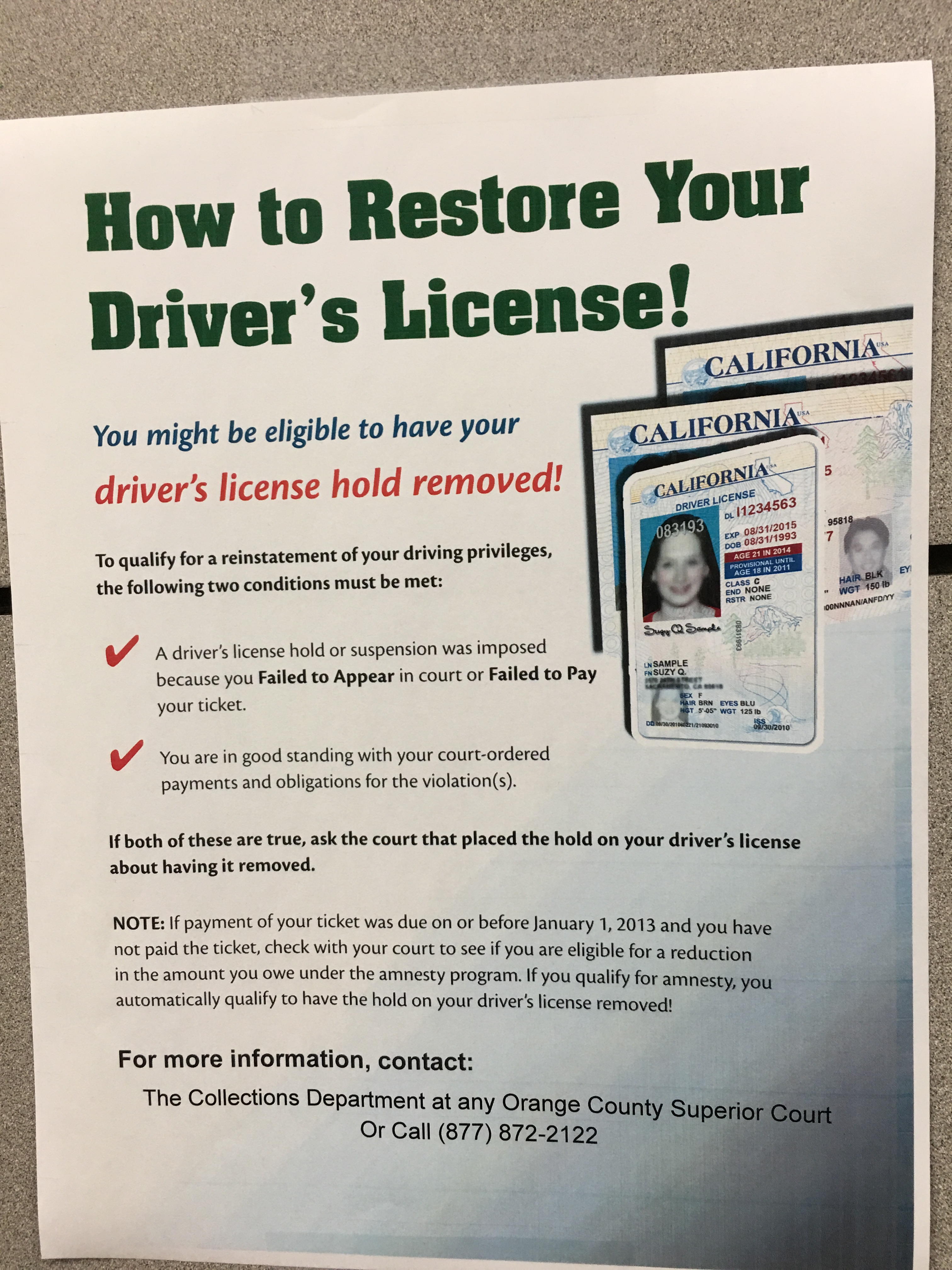
Initial Steps and Documentation
Upon a DUI conviction, the DMV will typically issue an order of suspension or revocation. It is crucial to understand the exact terms of this order, including the duration of the suspension and any conditions for reinstatement.
Administrative vs. Judicial Suspensions
In California, DUI-related license actions can stem from two distinct processes:
- Administrative Per Se (APS) Suspension: This occurs when a driver is arrested with a blood alcohol content (BAC) of 0.08% or higher, or 0.01% if under 21, or refuses to submit to a chemical test. The DMV can impose this suspension independently of criminal court proceedings. You have a limited window, usually 10 days from the date of arrest, to request an APS hearing with the DMV to contest this suspension. Failing to request this hearing within the timeframe generally results in the automatic imposition of the APS suspension.
- Judicial Suspension: This is the suspension or revocation imposed by the criminal court as part of sentencing for a DUI conviction. This often runs concurrently with or after an APS suspension. The court will typically order the DMV to suspend or revoke your license as part of the penalties.
Obtaining a Restricted License
For many first-time offenders, or in certain subsequent offenses, it may be possible to obtain a restricted license after a portion of the suspension period has been served. A restricted license allows you to drive under specific conditions, such as commuting to and from work, school, or a DUI program, and often requires the installation of an Ignition Interlock Device (IID). The eligibility and terms of a restricted license are determined by the DMV and often depend on whether you attended and completed required programs and demonstrated compliance with other conditions.
The Ignition Interlock Device (IID) Requirement
In California, the IID requirement has become a cornerstone of DUI license reinstatement. This device is a breathalyzer installed in your vehicle that prevents it from starting if it detects alcohol.
When is an IID Required?
The DMV may require an IID for a specific period as a condition of license reinstatement. For first-time offenders, an IID is often mandatory if you wish to obtain a restricted license. For subsequent offenses, the IID requirement becomes more stringent and may be mandated for longer durations. The court may also order the installation of an IID as part of your sentencing.
Choosing and Installing an IID
You will need to select a DMV-approved IID provider. These providers are responsible for installing, calibrating, and servicing the device. It is crucial to maintain the IID in good working order and to comply with all its usage requirements. Regular calibration appointments are mandatory, and any violations detected by the IID can have serious consequences, including further license suspension.
DUI Programs and Education in California
A critical component of regaining your driving privileges after a DUI in California is completing a court-ordered DUI program. These programs are designed to educate offenders about the dangers of impaired driving and to address potential substance abuse issues.
Types of DUI Programs
The length and curriculum of DUI programs vary based on the number of offenses and the BAC level at the time of arrest. Common program tiers include:
- 3-Month Program: Typically for first-time offenders with a BAC below 0.15%.
- 6-Month Program: Often for first-time offenders with a BAC of 0.15% or higher, or for those with aggravating factors.
- 9-Month Program: Usually required for second-time offenders within a 10-year period.
- 18-Month Program: Generally for third or subsequent offenses within a 10-year period, or for those with very high BAC levels or other serious aggravating circumstances.
Program Content and Structure

These programs typically involve a combination of classroom education, group discussions, and individual counseling. Topics covered often include the legal and social consequences of drunk driving, the effects of alcohol and drugs on the body and driving ability, and strategies for making safe choices. Attendance is mandatory, and active participation is usually required.
Proof of Completion and DMV Submission
Upon successful completion of your DUI program, you will receive a certificate of completion. This certificate is a vital document that you must submit to the California DMV as proof of your compliance with court orders. Without this proof, your license will likely not be reinstated. Ensure you obtain a duplicate copy for your own records.
The DMV Reinstatement Process: Fees, Forms, and Appointments
Beyond completing required programs and installing an IID, several administrative steps must be taken to formally reinstate your driver’s license. These involve submitting specific forms, paying necessary fees, and potentially attending an in-person appointment.
Reinstatement Fees
The California DMV charges various fees associated with license reinstatement after a DUI. These fees are non-negotiable and must be paid before your license can be reissued.
Common Fees
- Reinstatement Fee: A standard fee is charged for the reinstatement of your driver’s license after it has been suspended or revoked.
- Administrative Hearing Fee: If you contested an APS suspension, there might be a fee associated with the administrative hearing process.
- IID Program Fees: While not directly paid to the DMV, the costs associated with installing and maintaining an IID are significant and represent a financial hurdle for many.
It is advisable to check the most current fee schedule on the official California DMV website or by contacting a local DMV office, as these amounts can change.
Required Forms
You will need to complete specific DMV forms to initiate the reinstatement process. The exact forms required will depend on your individual case, but common ones include:
- DL 466 (Notice of Suspension/Revocation): This is the official notice from the DMV outlining the suspension or revocation of your driving privileges.
- SR22 Requirement: You will likely need to file an SR22 form with the DMV, which is proof of financial responsibility (auto insurance) for a specified period. Your insurance provider will typically handle this filing.
- Application for Reinstatement: In some cases, you may need to complete an application specifically for license reinstatement.
Scheduling a DMV Appointment
While some DMV transactions can be handled by mail or online, the reinstatement of a driver’s license after a DUI often requires an in-person visit to a DMV field office. It is highly recommended to schedule an appointment in advance to avoid lengthy wait times. You can typically schedule appointments online through the California DMV website or by calling their customer service line. Be prepared to bring all required documentation, including proof of program completion, IID certificates (if applicable), proof of SR22 filing, and payment for all applicable fees.
Legal Considerations and Avoiding Pitfalls
Navigating the DUI license reinstatement process in California involves understanding legal nuances and being aware of potential pitfalls that could delay or prevent your license from being returned.
Working with an Attorney
While not always mandatory, consulting with a qualified DUI attorney can be incredibly beneficial. An experienced attorney can:
- Explain your specific case: They can clarify the exact terms of your suspension, the requirements for reinstatement, and your legal rights.
- Assist with DMV hearings: If you choose to contest an APS suspension, an attorney can represent you at the hearing.
- Guide you through the process: They can help ensure you meet all deadlines and submit the correct documentation.
- Negotiate on your behalf: In certain situations, an attorney may be able to negotiate with the DMV or the court to achieve a more favorable outcome.
Common Mistakes to Avoid
- Missing Deadlines: The most critical error is failing to meet the strict deadlines for requesting DMV hearings, submitting documentation, or completing programs.
- Incomplete Paperwork: Inaccurate or incomplete forms will cause delays. Double-check all information before submitting.
- Ignoring Court Orders: Failing to comply with any aspect of your court-ordered sentence, such as attending all required court dates or completing community service, can jeopardize your license reinstatement.
- Insufficient Insurance: Driving without the required SR22 insurance or other proof of financial responsibility can lead to further penalties and longer suspension periods.
- Trusting Unreliable Information: Relying on outdated or incorrect information can lead you down the wrong path. Always refer to the official California DMV website or seek advice from legal professionals.
- Failing to Update Contact Information: If your address changes, ensure you update your contact information with the DMV. Failure to receive notices can lead to missed deadlines.

Patience and Persistence
The path to license reinstatement after a DUI is rarely quick. It requires patience, diligence, and a commitment to fulfilling all requirements. By understanding the process, staying organized, and seeking appropriate guidance, you can successfully navigate the challenges and regain your driving privileges in California.
LifeOutOfTheBox is a participant in the Amazon Services LLC Associates Program, an affiliate advertising program designed to provide a means for sites to earn advertising fees by advertising and linking to Amazon.com. Amazon, the Amazon logo, AmazonSupply, and the AmazonSupply logo are trademarks of Amazon.com, Inc. or its affiliates. As an Amazon Associate we earn affiliate commissions from qualifying purchases.