
Navigating the complexities of business ownership, particularly when forming a Limited Liability Company (LLC) in California, often raises questions about collaborative ventures. The prospect of multiple individuals pooling resources, expertise, and vision to establish a business is a cornerstone of modern entrepreneurship. Understanding how to structure an LLC to accommodate several members is crucial for its successful formation and operation. This article delves into the intricacies of establishing a multi-member California LLC, covering essential legal and operational considerations to ensure a robust and well-governed business entity.
Understanding Multi-Member LLCs in California
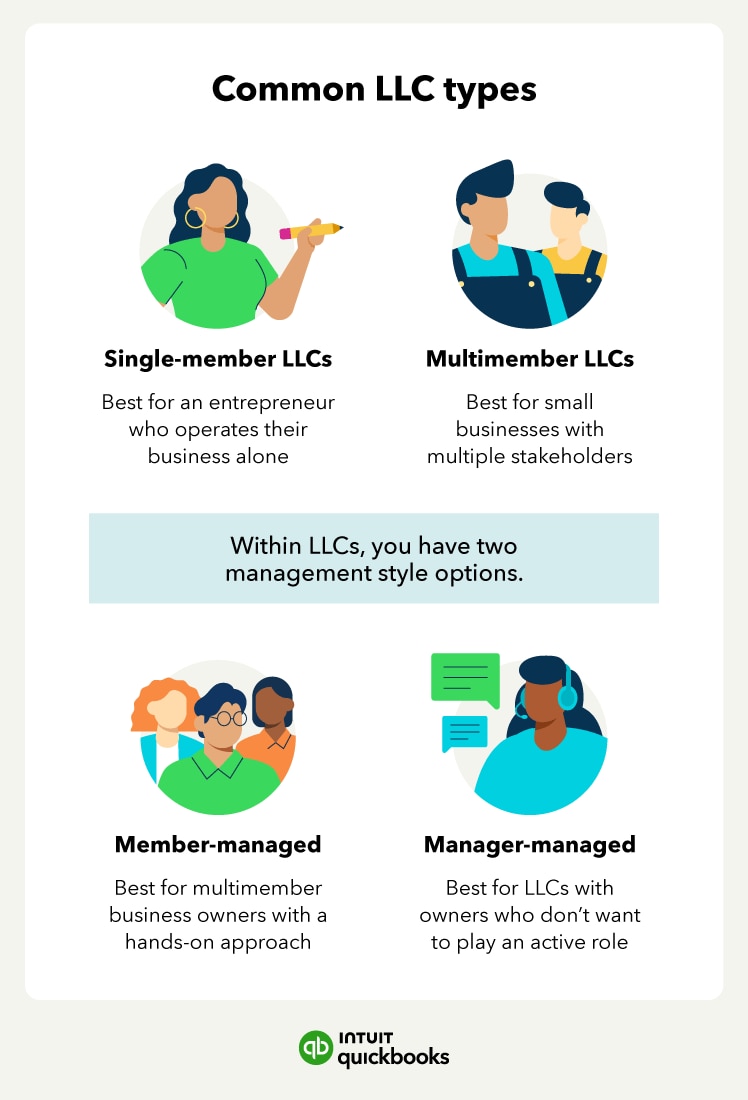
A Limited Liability Company (LLC) in California offers a flexible business structure that combines the pass-through taxation of a partnership or sole proprietorship with the limited liability protection of a corporation. When two or more individuals decide to form an LLC together, it becomes a multi-member LLC. This structure is distinct from a single-member LLC, which is treated as a sole proprietorship for tax purposes unless it elects to be taxed as a corporation.

Legal Framework and Formation
California law, primarily through the California Corporations Code, governs the formation and operation of LLCs. The process for forming a multi-member LLC is similar to that of a single-member LLC, but with added considerations for the internal governance and ownership structure.
Articles of Organization
The foundational document for any California LLC is the Articles of Organization. This document is filed with the California Secretary of State and formally establishes the LLC’s existence. For a multi-member LLC, the Articles of Organization do not typically specify the names of individual members. Instead, they focus on the LLC’s name, its principal office address, and the name and address of its registered agent for service of process. The ownership percentages and internal management details are primarily addressed in the Operating Agreement, a separate, though critically important, document.
Registered Agent
Every California LLC must designate a registered agent. This individual or entity is responsible for receiving official legal and tax documents on behalf of the LLC. In a multi-member LLC, the members collectively decide who will serve as the registered agent. This can be one of the members, or an independent third-party service. The agent’s physical address within California must be a street address, not a P.O. box.
The Importance of an Operating Agreement
While not a mandatory filing with the California Secretary of State, an Operating Agreement is arguably the most critical document for a multi-member LLC. This internal document outlines the rights, responsibilities, and operating procedures for all members. It acts as a roadmap for the LLC’s governance and can prevent disputes by clearly defining how decisions are made, how profits and losses are distributed, and how members can join or leave the company.
Key Provisions of an Operating Agreement
A comprehensive Operating Agreement for a multi-member LLC should address several key areas:
- Ownership Percentages: This section details the equity stake each member holds in the LLC. These percentages often dictate voting rights and profit/loss distributions. They can be based on initial capital contributions, future contributions, or other agreed-upon metrics.
- Capital Contributions: The agreement should specify the initial capital contributions required from each member, whether in the form of cash, property, or services. It should also outline procedures for future capital calls, should the LLC require additional funding.
- Profit and Loss Distribution: This section defines how the LLC’s profits and losses will be allocated among the members. While often aligned with ownership percentages, members can agree to different distribution methods. This is a significant area where an LLC offers flexibility compared to corporations.
- Management Structure: Multi-member LLCs can be member-managed or manager-managed.
- Member-Managed: All members have the authority to act on behalf of the LLC. The Operating Agreement will typically detail voting rights on various decisions, such as major expenditures, hiring, or strategic initiatives.
- Manager-Managed: Members elect one or more managers (who can be members or external individuals) to run the day-to-day operations of the LLC. The Operating Agreement will outline the powers and responsibilities of these managers, as well as the process for their appointment and removal.
- Membership Changes: The agreement should clearly define the procedures for adding new members, transferring membership interests, and the process for members exiting the LLC (e.g., through voluntary withdrawal, death, or dissolution). Buy-sell agreements are often included here to ensure a smooth transition and protect the interests of the remaining members.
- Dissolution: While not pleasant to consider, the Operating Agreement should outline the conditions under which the LLC can be dissolved and the process for liquidating assets and distributing remaining funds.
Operational Considerations for Multi-Member LLCs
Beyond the legal formation, operating a multi-member LLC in California involves ongoing management and adherence to specific requirements.
Decision-Making and Voting
In a member-managed LLC, decisions are typically made by a majority vote of the members, often weighted by their ownership percentages. However, the Operating Agreement can specify different voting thresholds for different types of decisions. For instance, major decisions like selling the company or taking on significant debt might require a supermajority vote or even unanimous consent. In a manager-managed LLC, the elected managers are responsible for operational decisions, with members potentially retaining voting rights on major strategic issues as defined in the Operating Agreement. Clear communication channels and a structured decision-making process are paramount to avoid paralysis and maintain momentum.
Profit and Loss Allocation and Taxation

One of the primary advantages of an LLC is its pass-through taxation. This means the LLC itself does not pay federal income tax. Instead, the profits and losses are “passed through” to the individual members, who report them on their personal income tax returns.
Allocation Methods
As mentioned, the Operating Agreement dictates how profits and losses are allocated. Common methods include:
- Proportional to Ownership: The simplest method where profits and losses are distributed according to each member’s ownership percentage.
- Disproportionate Allocation: Members can agree to allocate profits and losses differently from their ownership percentages. This is often used when members contribute different types of value, such as capital, labor, or expertise. However, such allocations must have “substantial economic effect” to be recognized by the IRS, meaning they must actually affect the members’ economic interests in the LLC.
Tax Reporting
Each member receives a Schedule K-1 from the LLC detailing their share of income, deductions, credits, and other tax items. This information is then used to complete their individual Form 1040. The LLC itself will generally file an informational tax return, such as Form 1065 (U.S. Return of Partnership Income) if it has two or more members.
Member Contributions and Distributions
Capital contributions can take various forms. Cash is straightforward, but contributions of property (e.g., real estate, equipment, intellectual property) require careful valuation to establish the member’s basis in the LLC. Services can also be a form of contribution, often entitling the member to a percentage of ownership and profits, though the tax implications of “sweat equity” can be complex and should be carefully considered with tax advice.
Distributions are payments made by the LLC to its members. These can be regular draws against anticipated profits or ad-hoc distributions of profits. It’s important for the Operating Agreement to clarify when and how distributions can be made, and to ensure that the LLC has sufficient cash flow to cover these distributions without jeopardizing its operations. Making distributions in excess of available profits can lead to financial strain.
Best Practices for Multi-Member LLC Success
Establishing a multi-member LLC in California is a strategic decision that, when handled correctly, can lead to a successful and thriving business. Adhering to best practices ensures smooth operations, minimizes disputes, and maximizes the benefits of the LLC structure.
Clear Communication and Transparency
Open and honest communication among members is the bedrock of any successful partnership. Regular meetings, clear reporting structures, and a willingness to address concerns proactively can prevent minor issues from escalating into major conflicts. Transparency regarding financial performance, strategic decisions, and operational challenges fosters trust and accountability.
Professional Guidance
Engaging legal and accounting professionals is not an optional expense; it’s a crucial investment. An experienced business attorney can help draft a robust Operating Agreement tailored to the specific needs of the LLC and its members. A CPA or tax advisor can ensure compliance with California and federal tax laws, optimize tax strategies, and advise on the tax implications of various business decisions. For instance, understanding the nuances of capital contributions, profit allocations, and potential IRS scrutiny on disproportionate allocations is vital.
Regular Review and Updates
The business landscape is dynamic, and so are the needs of a growing company. It is advisable to periodically review the Operating Agreement and other internal governance documents. As members’ roles evolve, or as the business expands into new markets or services, these documents may need to be updated to reflect the current reality and future aspirations of the LLC. This proactive approach ensures that the LLC’s internal framework remains relevant and effective.
Dispute Resolution Mechanisms
Even with the best intentions, disagreements can arise among business partners. A well-drafted Operating Agreement should include provisions for dispute resolution. This could range from mandatory mediation or arbitration to a clearly defined process for dissolving the LLC if irreconcilable differences emerge. Having these mechanisms in place before a dispute arises can save significant time, money, and emotional distress.
By understanding the legal framework, meticulously drafting an Operating Agreement, and adhering to sound operational practices, individuals can successfully form and manage a multi-member LLC in California, laying a solid foundation for shared success and growth.
LifeOutOfTheBox is a participant in the Amazon Services LLC Associates Program, an affiliate advertising program designed to provide a means for sites to earn advertising fees by advertising and linking to Amazon.com. Amazon, the Amazon logo, AmazonSupply, and the AmazonSupply logo are trademarks of Amazon.com, Inc. or its affiliates. As an Amazon Associate we earn affiliate commissions from qualifying purchases.