
Navigating the complexities of locating an inmate within the vast correctional system of California can be a daunting task for family members, legal professionals, and concerned citizens. The state’s correctional facilities are managed by several distinct agencies, each with its own protocols for inmate tracking. Understanding these distinctions and utilizing the available resources is paramount to a successful search. This guide aims to demystify the process, providing a comprehensive roadmap to help you locate an individual incarcerated within the Golden State.
Understanding California’s Correctional Systems
Before embarking on your search, it’s crucial to identify which correctional system the inmate might be housed in. California operates under a multi-tiered structure:

The California Department of Corrections and Rehabilitation (CDCR)
The CDCR oversees the state’s prison system, housing individuals convicted of felony offenses and serving sentences of more than one year. This is typically the largest system for adult offenders.
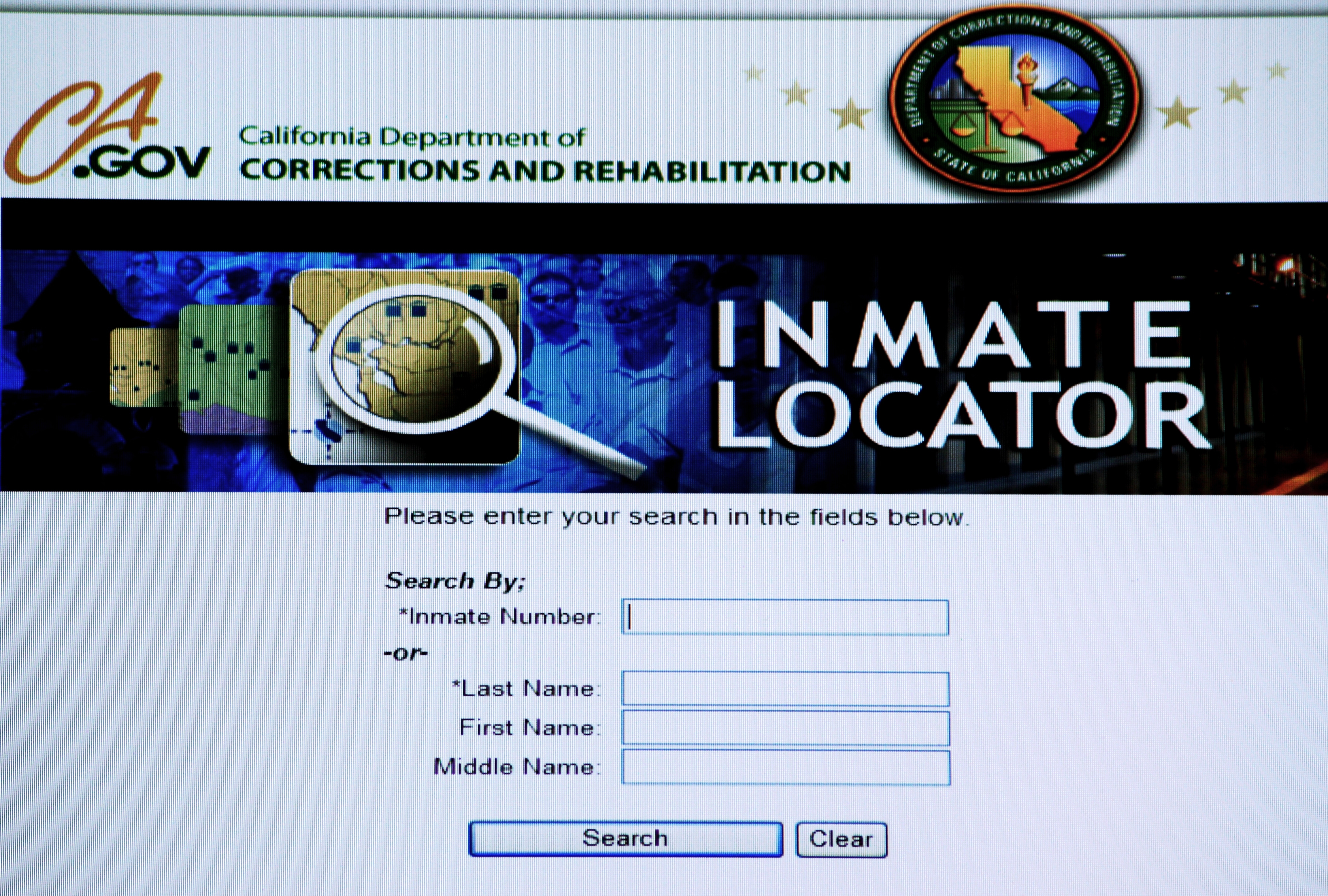
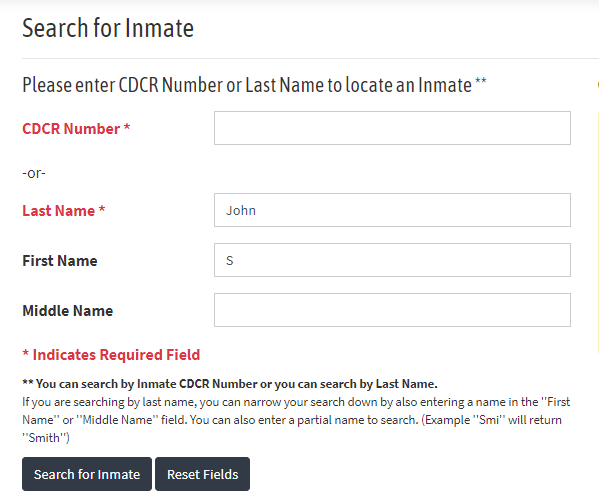
- Inmate Locator Tool: The CDCR provides an online Inmate Locator which is the primary tool for finding individuals in state prisons. You will need at least one piece of identifying information, such as the inmate’s last name, first name, or CDCR number. The system will then search its database for matching individuals.
- Information Provided: The locator typically returns the inmate’s full name, CDCR number, date of birth, physical description (height, weight, hair and eye color), current facility of confinement, and projected release date if applicable.
- Limitations: This tool is specifically for individuals incarcerated within CDCR facilities. It will not yield results for those held in county jails or federal prisons.
County Jails
Individuals arrested and awaiting trial, or serving misdemeanor sentences (typically less than one year), are usually held in county jails. Each of the 58 counties in California operates its own jail system.
- County Sheriff’s Department Websites: The most effective way to locate an inmate in a county jail is to visit the website of the respective county’s Sheriff’s Department. Most California Sheriff’s Departments have an online “Inmate Locator,” “Jail Roster,” or “Bookings” section.
- Identifying the Correct County: If you know the city or general area where the individual was arrested, you can usually deduce the correct county. For example, an arrest in Los Angeles will likely lead you to the Los Angeles County Sheriff’s Department.
- Information Required: Similar to the state system, you’ll typically need the inmate’s name. Some county systems may also allow searches by booking number or date of birth.
- Variations in Systems: Each county’s system can differ in its user interface and the amount of information provided. Some may offer real-time updates, while others might have a slight delay.
Federal Prisons
Individuals convicted of federal crimes are housed in federal correctional institutions managed by the Federal Bureau of Prisons (BOP).
- Federal Bureau of Prisons (BOP) Inmate Locator: The Federal Bureau of Prisons maintains a comprehensive national inmate locator. You can access this online tool by visiting the BOP website.
- Required Information: For federal inmates, you will need their name and date of birth, or their BOP register number.
- Distinguishing Federal vs. State: It’s important to note that individuals serving time for federal offenses will not appear in the CDCR or county jail databases.
Essential Information for Your Search
Having the right information readily available can significantly expedite your search process. Here are the key details that will be most helpful:
Inmate Identifying Information
- Full Legal Name: This is the most crucial piece of information. Ensure you have the correct spelling of the inmate’s first, middle, and last names. Middle initials or names can often help differentiate individuals with similar first and last names.
- Date of Birth: While not always mandatory, a date of birth is invaluable for confirming identity, especially when dealing with common names.
- Inmate Number: This is a unique identifier assigned to each inmate.
- CDCR Number: For state prisons.
- BOP Number: For federal prisons.
- Booking Number/Jail ID: For county jails.
If you have this number, it is the fastest way to locate an individual.
- Physical Description: Details like height, weight, hair color, eye color, and any distinctive tattoos or scars can be helpful if other information is uncertain.
Location of Arrest or Conviction
- County of Arrest: Knowing the county where the individual was arrested is vital for searching county jail rosters.
- Court of Conviction: If you know the court where the individual was tried or sentenced, this can sometimes provide clues about the jurisdiction and correctional system involved.
Step-by-Step Search Strategy
Follow these steps to systematically locate an inmate in California:
Step 1: Start with the Most Likely System
- State Prison Suspicions: If you believe the individual is serving a longer sentence for a felony, begin with the CDCR Inmate Locator.
- Recent Arrest: If the arrest was recent, or the sentence is likely less than a year, focus on county jails. Try to determine the county of arrest.
- Federal Offense: If you suspect a federal crime, use the Federal Bureau of Prisons locator first.
Step 2: Utilize Online Inmate Locators
- CDCR: Visit the CDCR Inmate Locator page and enter the available information.
- County Sheriff Websites: Search online for “[County Name] Sheriff’s Department Inmate Locator” (e.g., “San Diego Sheriff’s Department Inmate Locator”). Navigate their website to find the relevant tool.
- Federal Bureau of Prisons (BOP): Access the BOP inmate locator and perform your search.
Step 3: Broaden Your Search if Necessary
- If Initial Searches Fail: If your first attempt at a specific system doesn’t yield results, don’t be discouraged. Double-check the spelling of names and dates of birth.
- Try Alternative Spellings or Nicknames: Sometimes, inmates may be booked under a slight variation of their legal name or a common nickname.
- Contact Facilities Directly: If you have a strong suspicion about the facility but can’t find the inmate online, you can try calling the facility directly. Be aware that many facilities have strict policies regarding the information they can release over the phone.
Step 4: Consider Third-Party Services (with Caution)
While not official government resources, some private websites aggregate public records, including inmate information. Use these with caution, as the data may not always be up-to-date or accurate. Always cross-reference information found on third-party sites with official sources.
What to Do Once You Locate an Inmate
Finding an inmate is often just the first step. Once you have confirmed their location, you will likely want to communicate with them or arrange a visit. Each correctional facility and system has its own specific rules and procedures for these activities.
Communication Methods
- Phone Calls: Inmates typically have access to telephones, often through third-party providers. You may need to set up a prepaid account to receive calls.
- Mail: Sending mail is a common way to stay in touch. Ensure you follow the facility’s specific mail guidelines, as they often have strict rules about what can be included.
- Email: Some facilities offer electronic messaging services, which can be a faster alternative to traditional mail.
Visiting Procedures
- Scheduling Visits: Visits usually require advance scheduling. You will need to know the inmate’s housing unit and CDCR or booking number.
- Visitor Information: You will likely need to provide your full legal name and date of birth for a background check.
- Visiting Rules: Familiarize yourself with the rules regarding attire, items you can bring, and the duration of visits. These rules vary significantly between facilities.
Obtaining Release Information
- Projected Release Dates: The inmate locator tools often provide projected release dates. However, these dates can change due to various factors, such as disciplinary actions or changes in sentencing.
- Direct Inquiries: For the most accurate and up-to-date release information, it is often best to communicate directly with the inmate or their legal counsel.
Locating an inmate in California requires patience, diligence, and an understanding of the state’s correctional landscape. By utilizing the official resources available and gathering the necessary identifying information, you can effectively navigate this process and maintain contact with your incarcerated loved ones or fulfill your professional obligations.
LifeOutOfTheBox is a participant in the Amazon Services LLC Associates Program, an affiliate advertising program designed to provide a means for sites to earn advertising fees by advertising and linking to Amazon.com. Amazon, the Amazon logo, AmazonSupply, and the AmazonSupply logo are trademarks of Amazon.com, Inc. or its affiliates. As an Amazon Associate we earn affiliate commissions from qualifying purchases.