
Navigating the bureaucratic landscape of any new state can be a daunting task, and registering your vehicle in California is no exception. This comprehensive guide will demystify the process, ensuring a smooth transition for new residents and those acquiring a new vehicle within the Golden State. From understanding the necessary documentation to familiarizing yourself with the Department of Motor Vehicles (DMV) procedures, we’ll equip you with the knowledge to get your wheels legally on California roads.
Understanding California Vehicle Registration Requirements
California mandates that all residents who own or operate a vehicle in the state must register it with the DMV. This includes new residents, those who have purchased a vehicle in California, and even those who have inherited a vehicle. There are specific deadlines and procedures to adhere to, and failing to comply can result in penalties, fines, and even the impoundment of your vehicle.

Residency and Vehicle Ownership
Generally, if you reside in California for more than seven months out of the year, you are considered a resident and must register your vehicle. This applies even if you own property elsewhere or frequently travel out of state. Similarly, if you purchase a vehicle in California, it must be registered within the state, regardless of where you intend to primarily use it. The DMV considers active use or presence of a vehicle within the state as grounds for registration.
Deadlines for Registration
For new residents, you typically have 20 days from the date you establish residency to register your vehicle. If you purchase a new or used vehicle from a dealership in California, the dealership will usually handle the initial registration paperwork. However, if you buy from a private party or out-of-state, you will need to complete the registration process yourself. Failure to register within the allotted time can lead to penalties, which accrue over time.
Essential Documentation for Registration
Gathering the correct documentation is crucial for a hassle-free registration process. The required documents can vary slightly depending on whether you are registering a new vehicle, a used vehicle, or transferring a registration from out-of-state. However, several core documents are almost always necessary.
Proof of Ownership
This is a fundamental requirement. For a new vehicle purchased from a dealership, this will typically be the manufacturer’s Certificate of Origin (MCO) or the manufacturer’s Statement of Origin (MSO). For used vehicles, the previous owner’s signed title is the primary proof of ownership. Ensure the title is properly endorsed and that all necessary fields are completed. If you financed your vehicle, your lienholder (the bank or lender) will likely hold the title, and you will need to provide documentation from them.
Proof of Insurance
California law requires all drivers to carry a minimum level of liability insurance. You will need to provide proof of current California-compliant auto insurance from a licensed insurer. This typically includes your insurance policy number and the effective dates of coverage. The insurance policy must be in your name and cover the vehicle you are registering.
Vehicle Identification Number (VIN) Inspection
For vehicles brought into California from out-of-state, a VIN inspection is mandatory. This inspection verifies that the vehicle’s VIN matches the documentation you provide and that the vehicle is not stolen. Peace officers, authorized dealership employees, and licensed VIN verifiers can perform these inspections. The completed VIN inspection form (often referred to as the REG 31) will need to be submitted to the DMV.
Smog Certification
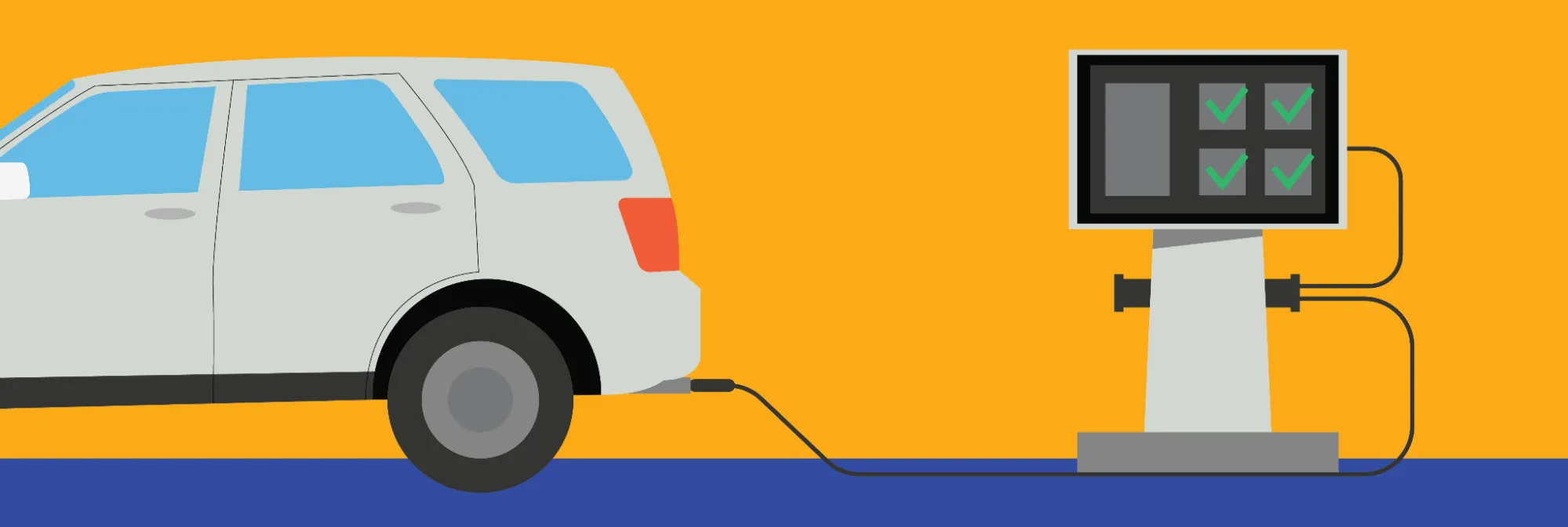
Most gasoline-powered vehicles that are four or more model years old require a smog inspection certification from a licensed California smog check station. Electric vehicles and some diesel vehicles are exempt from this requirement. The smog certificate confirms that your vehicle meets California’s emissions standards. You will need to present the valid smog certificate to the DMV during the registration process.
Application for Title or Registration (REG 343)
This is the primary form used for most registration transactions. You can download this form from the DMV website or obtain it at a local DMV office. It requires detailed information about you, the vehicle, and the previous owner.
The Registration Process Step-by-Step
Once you have gathered all the necessary documentation, the next step is to complete the registration process. California offers several ways to do this, each with its own advantages.
Visiting a DMV Office
This is the traditional method and often the most comprehensive, allowing you to address any unique situations or ask questions directly to a DMV representative. Be prepared for potential wait times, especially at larger offices. It’s advisable to make an appointment online to reduce your wait. At the office, you will submit all your completed forms and documentation, pay the required fees, and receive your license plates and registration stickers.
Online Registration Options
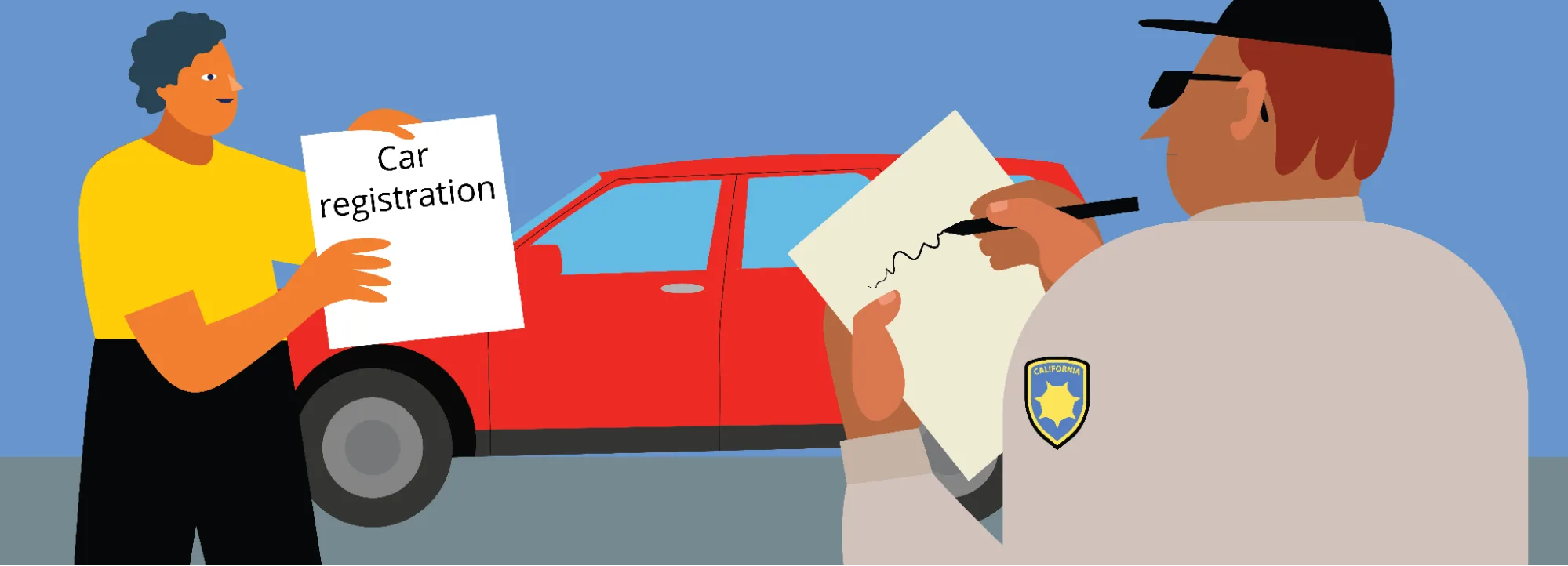
The DMV offers some online services for specific registration renewal scenarios. However, for initial registration, especially for out-of-state vehicles or those requiring a VIN inspection, an in-person visit is usually necessary. Keep an eye on the official DMV website for updates on expanded online services.
Registration Renewal
Once your vehicle is initially registered, you will receive renewal notices from the DMV annually or biennially. These renewals can often be completed online, by mail, or at a DMV office. Timely renewal ensures your registration remains valid and avoids penalties.
Fees and Taxes Associated with Registration
Registering your vehicle in California involves several fees and taxes, which contribute to the state’s transportation infrastructure and services. Understanding these costs upfront will help you budget accordingly.
Registration Fees
These are standard fees charged for the privilege of registering your vehicle. The amount can vary based on the vehicle’s type, weight, and age.
Vehicle License Fee (VLF)
This fee is calculated based on the market value of your vehicle at the time of registration and depreciates over time. It’s essentially an annual tax on your vehicle’s value.
Sales and Use Tax
If you purchased your vehicle in California and did not pay sales tax at the time of purchase, you will be required to pay it during the registration process. If you purchased the vehicle out-of-state and are bringing it into California, you will pay the use tax, which is equivalent to the state’s sales tax.
Other Potential Fees
Depending on your vehicle and location, there might be additional fees, such as those for commercial vehicles, special interest plates, or county-specific fees. The DMV website provides detailed fee calculators and information.
Special Circumstances and Tips for a Smooth Process
While the general registration process is straightforward, certain situations may require additional attention. Being aware of these can prevent delays and complications.
Registering a Vehicle Purchased from a Private Party
When buying from an individual, ensure the seller properly signs over the title. You will need to complete the necessary DMV forms to transfer ownership. If the previous registration has expired, you will likely need to get a smog certification before you can register it in your name.
Registering a Vehicle Purchased Out-of-State
This process often involves the VIN inspection and potentially a more thorough review of your out-of-state title and registration documents. Be prepared to provide proof of when you brought the vehicle into California.
Low-Mileage or Classic Vehicle Exemptions
California offers some exemptions for classic cars and vehicles that are not driven regularly. These often have specific requirements and may not require annual smog checks. Research these exemptions on the DMV website if you believe your vehicle qualifies.
Moving to California with Your Vehicle
Prioritize registering your vehicle within the 20-day window to avoid penalties. Start by gathering your out-of-state title, registration, proof of insurance, and any other required documents. Schedule an appointment at the DMV to expedite the process.
Tips for Success:
- Check the DMV Website: The official California DMV website is an invaluable resource. It provides forms, fee calculators, appointment scheduling, and the most up-to-date information.
- Make an Appointment: For in-person visits, scheduling an appointment online can save you significant waiting time.
- Organize Your Documents: Having all your paperwork in order before you visit the DMV or submit your application will streamline the process.
- Be Patient: While the process can seem complex, with careful preparation and adherence to the guidelines, registering your vehicle in California is an achievable task.
By understanding the requirements, gathering the necessary documentation, and following the outlined steps, you can confidently navigate the process of registering your vehicle in California and enjoy your driving experience across the state.
LifeOutOfTheBox is a participant in the Amazon Services LLC Associates Program, an affiliate advertising program designed to provide a means for sites to earn advertising fees by advertising and linking to Amazon.com. Amazon, the Amazon logo, AmazonSupply, and the AmazonSupply logo are trademarks of Amazon.com, Inc. or its affiliates. As an Amazon Associate we earn affiliate commissions from qualifying purchases.