
Navigating the intricacies of a driving record in California can be a source of considerable stress, especially when points accumulate, threatening insurance rates and even your driving privileges. While the primary focus should always be on safe and responsible driving, understanding the mechanisms for mitigating the impact of citations is crucial for California drivers. This guide delves into the permissible pathways for removing points from your driving record in the Golden State, offering clarity and actionable strategies.
Understanding Points on Your California Driving Record
In California, points are assigned to your driving record by the Department of Motor Vehicles (DMV) when you are convicted of a moving violation. These points serve as a red flag, indicating a pattern of unsafe driving behavior. The accumulation of too many points within a specific timeframe can lead to serious consequences.
How Points Are Assessed
The California DMV assigns a point value to various traffic infractions. For instance:
- One Point Violations: These are typically minor offenses such as speeding tickets, running a stop sign, illegal U-turns, or improper lane changes.
- Two Point Violations: These are more serious offenses, often involving reckless driving, DUI (Driving Under the Influence), hit-and-run, or driving with a suspended or revoked license.
The Accumulation Thresholds and Consequences
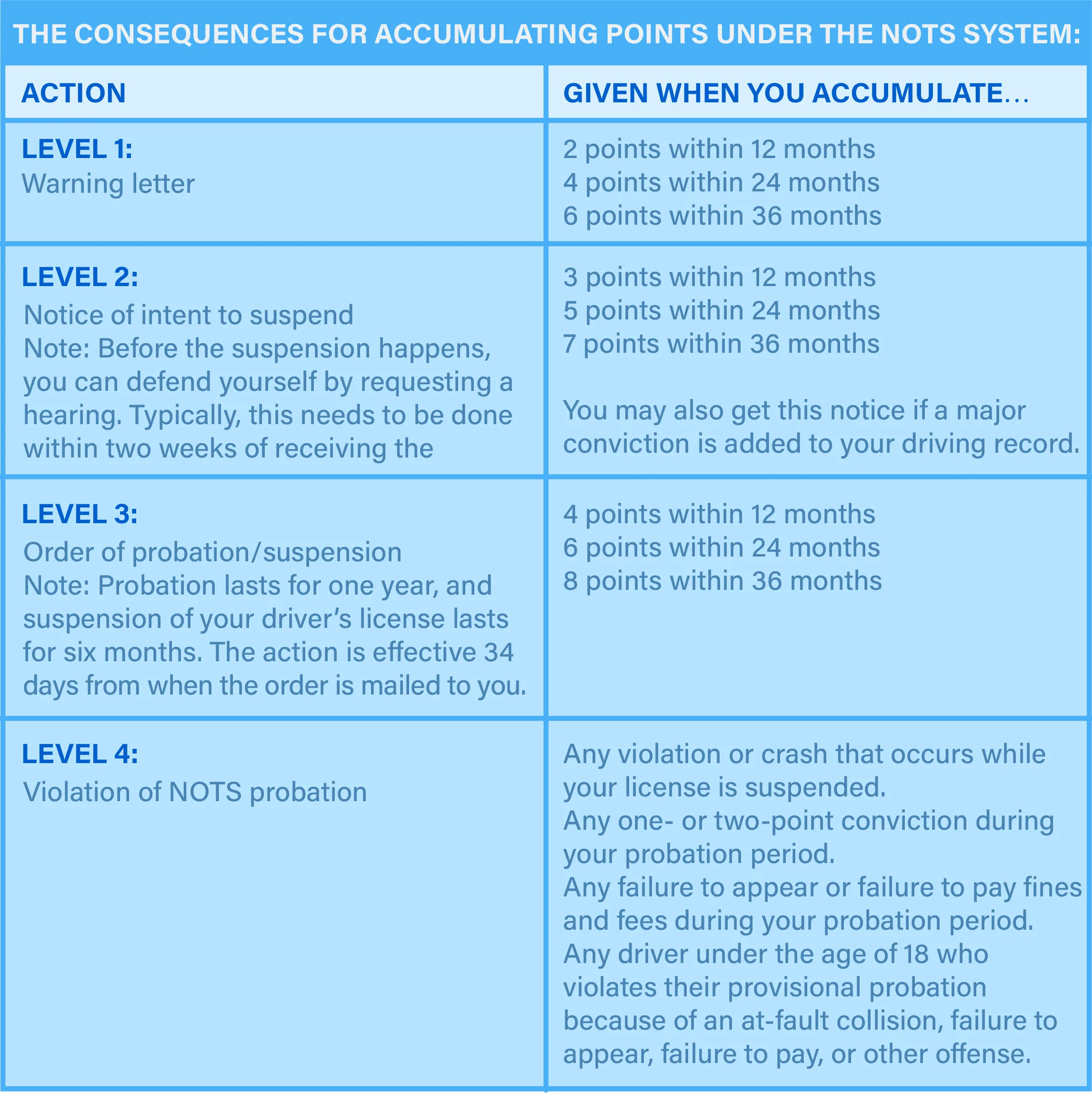
The California DMV operates on a point system designed to identify and address habitual traffic offenders. The consequences are tiered and depend on the timeframe:
- Four Points in 3 Years: This can result in a negligent operator hearing and potential license suspension.
- Six Points in 3 Years: This automatically triggers a negligent operator hearing, and license suspension is highly likely.
- Infractions within 12 Months: For provisional license holders under 18, accumulating more than one point in 12 months can lead to restrictions or suspension.
Beyond these thresholds, accumulated points invariably lead to increased automobile insurance premiums. Insurers view drivers with more points as higher risks, necessitating higher coverage costs. In severe cases, a suspended license can significantly disrupt daily life, impacting work, family responsibilities, and personal freedom.
Strategies for Removing Points from Your Driving Record
Fortunately, California offers several avenues for drivers to address points on their record. These methods are designed to encourage rehabilitation and safe driving practices.
1. Traffic School (Informal Diversion)
The most common and accessible method for removing a point is by completing traffic school. California Vehicle Code Section 1214.1 and 1808.7 outline the provisions for traffic school.
Eligibility for Traffic School
Not every violation qualifies for traffic school. The following criteria generally apply:
- Nature of the Violation: The offense must be a moving violation, and typically a one-point offense. Serious violations like DUI, reckless driving, or those involving significant injury or death are excluded.
- Driver’s Record: You must not have attended traffic school or a similar program within the last 18 months from the date of your current violation. Some jurisdictions may have slightly different interpretations, so it’s wise to confirm with the court.
- Court Discretion: Ultimately, eligibility is determined by the court handling your citation.
The Traffic School Process
- Plea and Request: Upon receiving a ticket, you typically have the option to plead guilty or no contest. You will then need to request permission from the court to attend traffic school. This often involves paying a fine and a separate traffic school administrative fee.
- Course Completion: Once approved, you will need to complete an approved traffic school course. These courses are offered in various formats:
- Online: The most popular option, offering flexibility in terms of time and location. Numerous accredited providers are available.
- Classroom: Traditional in-person classes held at specific times and locations.
- Home Study: Less common, but some programs may allow you to complete materials at your own pace at home.
- Certificate of Completion: Upon successful completion, you will receive a certificate. This certificate, along with a processing fee, must be submitted to the court.
- DMV Notification: The court then forwards the completion information to the California DMV. The DMV will then mask the point from your public driving record. The conviction itself will still appear on your record, but the associated point will not be counted towards your point total for suspension purposes. This is why it’s often referred to as “masking” rather than “removing” the point.
Benefits of Traffic School
- Point Reduction: The primary benefit is preventing a point from negatively impacting your driving record and insurance rates.
- Improved Driving Knowledge: The courses often refresh safe driving practices and awareness of traffic laws.
2. Court Diversion Programs
Beyond standard traffic school, some California courts may offer specific diversion programs, particularly for minor infractions or for first-time offenders. These programs vary significantly by county and even by specific court.

How Diversion Programs Work
- Eligibility: These programs are often reserved for individuals with a clean driving record or for specific types of minor violations. The court will outline the eligibility criteria.
- Requirements: Diversion programs might involve attending specific workshops, completing community service, paying restitution, or adhering to a probationary period.
- Dismissal: Upon successful completion of all program requirements, the court may dismiss the citation entirely, meaning no conviction is recorded, and therefore, no points are assessed against your driving record.
Accessing Diversion Programs
- Inquire at Court: The best way to determine if a diversion program is available is to contact the specific court handling your citation or to ask the presiding judge or court clerk.
- Legal Counsel: An attorney specializing in traffic violations can advise on the availability and suitability of diversion programs.
3. Contesting the Citation
While not directly a method for “removing” points after conviction, successfully contesting a traffic citation prevents the point from being added to your record in the first place. This approach involves challenging the validity of the ticket.
Grounds for Contesting
- Factual Dispute: Arguing that the violation did not occur as described. This might involve presenting evidence that contradicts the officer’s account, such as witness testimonies or dashcam footage.
- Procedural Errors: Identifying mistakes made by the law enforcement officer during the traffic stop or citation issuance. This could include improper signage, incorrect information on the ticket, or violations of your rights.
- Equipment Malfunction: If the citation was based on faulty equipment (e.g., a radar gun that was not properly calibrated), this can be grounds for dismissal.
The Contesting Process
- Plea of Not Guilty: You must enter a plea of not guilty by the due date specified on the citation.
- Trial by Written Declaration: For minor infractions, you can opt for a trial by written declaration, where you submit a written statement and evidence to the judge, and the officer does the same. The judge then makes a decision without a court appearance.
- Court Trial: If the trial by written declaration is unsuccessful or if you prefer, you can request a court trial. This involves appearing before a judge and presenting your case. You can represent yourself or hire an attorney.
When to Consider Contesting
- Strong Defense: If you have a solid defense and believe you were wrongly cited.
- High Point Violations: If the citation carries two points or more, contesting it can significantly benefit your record and insurance rates.
- Pattern of Violations: If you are already close to the point threshold for suspension, contesting even a one-point violation becomes a strategic move.
Maintaining a Clean Driving Record in California
The most effective strategy for avoiding points is to practice safe and attentive driving. However, when violations do occur, understanding your options is key to managing your driving record and its associated impacts.
Beyond Traffic School: Long-Term Strategies
While traffic school offers a short-term solution for a single violation, cultivating long-term safe driving habits is paramount.
Defensive Driving Courses
Voluntarily completing a defensive driving course, even if not required by the court, can equip you with advanced skills and awareness. Some insurance companies offer discounts for drivers who have completed such courses. These courses go beyond the basic traffic school curriculum, focusing on anticipating hazards, evasive maneuvers, and understanding driver psychology.
Regular Vehicle Maintenance
Ensuring your vehicle is in good working order is not only a safety measure but can also prevent citations. Properly functioning headlights, brake lights, tires, and mirrors are essential for compliance with traffic laws and for safe operation, especially during the varied weather conditions experienced across California, from the sunny coast to the mountainous regions like the Sierra Nevada.
Mindful Navigation and Planning
Rushing and distracted driving are primary contributors to traffic violations. Planning your routes in advance, allowing ample travel time, and minimizing distractions in the vehicle can significantly reduce the likelihood of encountering a situation that leads to a citation. This is particularly important when traveling through bustling urban centers like Los Angeles or San Francisco, where traffic density can be high.

Understanding Insurance Impacts
It’s vital to understand how points affect your insurance policy. Contact your insurance provider to discuss how a conviction, even after attending traffic school, might influence your premiums. Some policies may have clauses that allow for an increase if a certain number of citations occur within a policy period, regardless of point masking. The impact can vary widely between insurance companies and their individual rating factors.
By proactively managing your driving habits and understanding the processes available, you can effectively navigate the California traffic system and maintain a clean driving record, ensuring smoother travels and potentially lower insurance costs across the state, from the beaches of San Diego to the vineyards of Napa Valley.
LifeOutOfTheBox is a participant in the Amazon Services LLC Associates Program, an affiliate advertising program designed to provide a means for sites to earn advertising fees by advertising and linking to Amazon.com. Amazon, the Amazon logo, AmazonSupply, and the AmazonSupply logo are trademarks of Amazon.com, Inc. or its affiliates. As an Amazon Associate we earn affiliate commissions from qualifying purchases.