
Navigating the intricacies of state tax refunds, especially in a vibrant and diverse state like Colorado, can often feel like a treasure hunt. For many residents, a tax refund represents anticipated income, eagerly awaited for budgeting, vacation planning, or unexpected expenses. When that expected bounty seems to have vanished into the ether, a wave of concern is natural. This guide aims to demystify the process of tracking down your Colorado state income tax refund, offering practical steps and insights to help you locate its whereabouts and understand potential delays.
Understanding the Colorado Tax Refund Process
The Colorado Department of Revenue (CDOR) is the agency responsible for processing individual income tax returns and issuing refunds. The journey of your refund from the moment you file your return to its arrival in your bank account or mailbox is a multi-stage process. Understanding these stages can provide valuable context when your refund appears to be taking longer than anticipated.

Filing Your Return
The first step in receiving a refund is, of course, filing your Colorado income tax return accurately and completely. This typically occurs between January and April each year. Whether you file electronically or by mail, ensuring all necessary forms are included, personal information is correct, and calculations are precise can significantly impact the speed of processing. Errors or omissions can lead to manual review, which inherently adds time to the refund cycle.
Processing and Verification
Once your return is received by the CDOR, it enters the processing and verification phase. This involves several checks to ensure the information provided aligns with other data available to the state, such as wage and withholding information reported by employers. This is a critical step for preventing fraud and ensuring the accuracy of tax collections and refunds. Electronic filings are generally processed much faster than paper filings due to automated data entry and validation.
Issuance of Refund
After successful processing and verification, the CDOR authorizes the issuance of your refund. Refunds can be issued in two primary ways:
- Direct Deposit: If you provided your bank account and routing numbers on your tax return, your refund will be deposited directly into your account. This is the fastest method for receiving your refund.
- Paper Check: If direct deposit was not selected or if there were issues with the provided bank information, a paper check will be mailed to the address listed on your return. This method involves additional time for printing and postal delivery.
Factors Influencing Refund Timing
Several factors can influence how long it takes to receive your Colorado tax refund. Understanding these can help manage expectations and identify potential causes for delays.
Filing Method
As mentioned, electronic filing significantly speeds up the process. The CDOR generally aims to issue electronic refunds within three to four weeks of acceptance. Paper returns, however, can take considerably longer, often eight to ten weeks or more, due to the manual labor involved in processing.
Accuracy and Completeness of Return
Any discrepancies, missing information, or errors on your tax return will trigger a manual review by the CDOR. This could include issues like:
- Incorrect Social Security Numbers: Mismatched Social Security numbers for yourself, your spouse, or dependents.
- Incorrect Bank Account Information: Errors in routing or account numbers for direct deposit.
- Unreported Income: Income that the CDOR has a record of but is not reported on your return.
- Claiming Credits or Deductions: If you claim certain credits or deductions, particularly those that are new or have specific eligibility requirements, your return may undergo additional scrutiny.
Volume of Returns
During peak tax season, the CDOR receives a massive volume of tax returns. While the department employs dedicated staff and technology to handle this influx, it’s inevitable that processing times may slightly increase when the number of filings is exceptionally high.
Amended Returns
If you need to file an amended tax return, this process is generally more complex and takes longer than processing an original return. Amended returns often require more in-depth review, which can extend the time it takes to receive any resulting refund.
Identity Theft and Fraud Prevention
In an effort to combat tax fraud, the CDOR implements various security measures. If your return is flagged for potential identity theft or fraudulent activity, it will be held for further investigation. This is for your protection, but it can unfortunately delay your refund.
How to Track Your Colorado Tax Refund
When you’re wondering, “Where is my state of Colorado refund?”, the most effective approach is to utilize the official tracking tools provided by the Colorado Department of Revenue.
The Colorado Department of Revenue Website
The primary resource for tracking your refund is the CDOR’s official website. They typically offer an online refund status tool that allows you to check your progress using specific information from your tax return.
Requirements for Online Tracking
To use the online refund status tool, you will generally need the following information:

- Social Security Number: Your Social Security number as it appears on your tax return.
- Filing Status: Your filing status (e.g., Single, Married Filing Jointly, Head of Household).
- Exact Refund Amount: The precise amount of the refund you are claiming. This is crucial, as even a minor discrepancy can prevent the system from finding your record.
Steps to Track Your Refund Online:
- Visit the Colorado Department of Revenue Website: Navigate to the official website of the Colorado Department of Revenue.
- Locate the “Taxpayer Services” or “Individual Taxes” Section: Look for links related to individual income tax or taxpayer assistance.
- Find the “Check Your Refund Status” Tool: This will typically be a prominent link or button.
- Enter Your Information: Carefully input your Social Security number, filing status, and the exact refund amount.
- Submit and Review: The system will then display the status of your refund, which may include:
- “Return Received”: Indicates your return has been successfully submitted.
- “Processing”: Your return is being reviewed and verified.
- “Refund Approved”: Your refund has been authorized and is being prepared for disbursement.
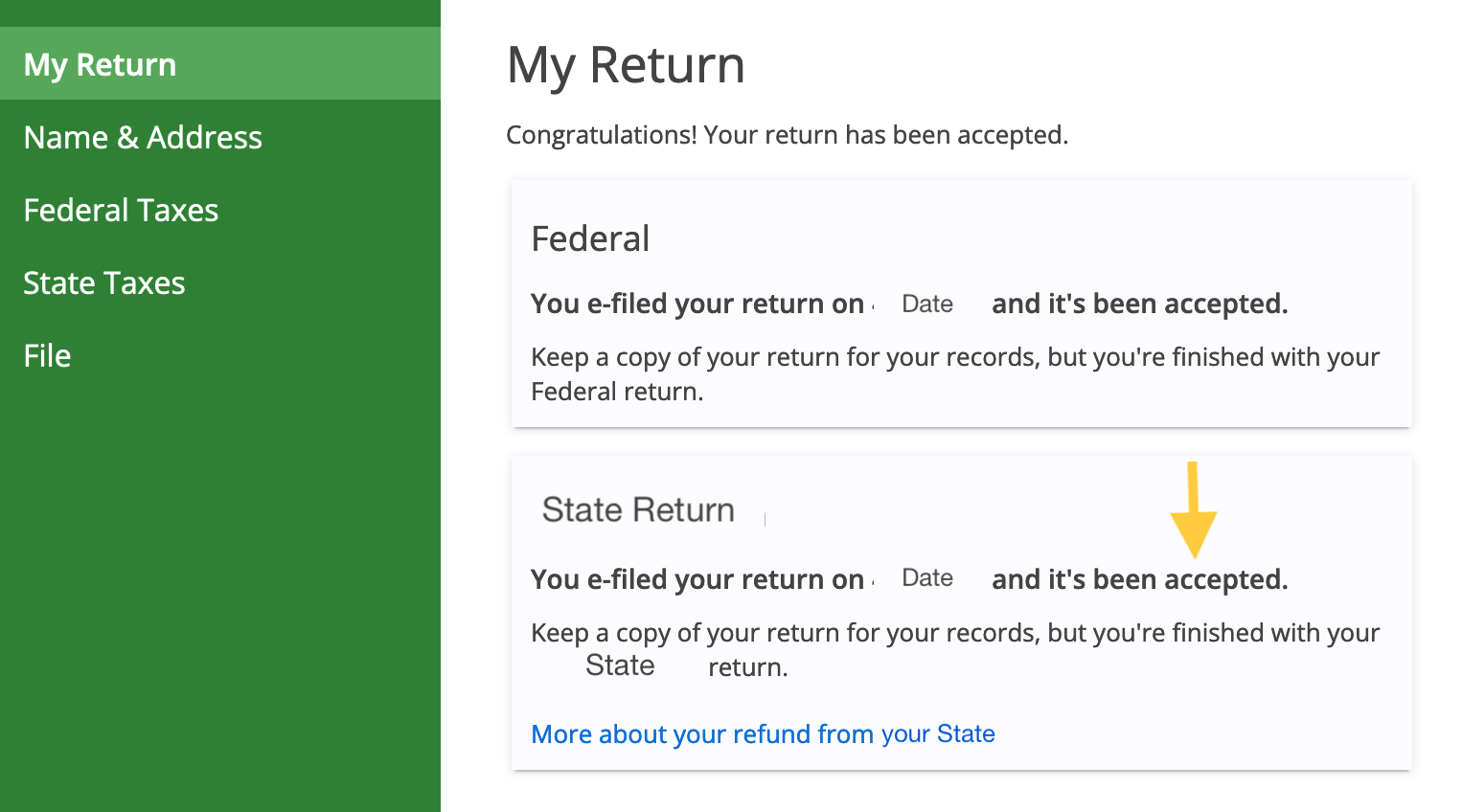
- “Refund Issued”: Your refund has been sent via direct deposit or mail. You may see a date for when it was issued.
When to Contact the Colorado Department of Revenue
While the online tool is the most efficient method, there are times when you may need to contact the CDOR directly.
Circumstances for Contacting CDOR
- Refund Delay Beyond Expected Timeframes: If the online tool indicates your refund is still processing and it has been longer than the typical 3-4 weeks for e-filed returns or 8-10 weeks for paper returns.
- No Information Available Online: If you enter your information into the tracking tool and it states no record is found, even after you are confident your return was filed correctly and on time.
- Received a Notice from CDOR: If you have received a letter or notice from the department regarding your tax return or refund.
How to Contact CDOR
The Colorado Department of Revenue provides several channels for taxpayer assistance:
- Phone: Look for the taxpayer assistance phone number on their official website. Be prepared for potentially long wait times during peak periods.
- Mail: If you need to send documentation or have complex inquiries, you may need to correspond via mail. The correct mailing address for tax-related correspondence will be available on their website.
- In-Person Assistance: Some Colorado Taxpayer Service Centers may offer in-person assistance, though appointments are often required.
Troubleshooting Common Refund Issues
Occasionally, even with careful filing, issues can arise that prevent or delay a refund. Being aware of these common problems can help you resolve them more quickly.
Incorrect Address
If you moved since filing your return and did not update your address with the CDOR, your refund check may be sent to your old address. If you filed electronically and provided a new address, it should be updated. However, if a paper check was already issued to an old address, you will need to contact the CDOR to have it reissued.
Unpaid Tax Obligations
If you owe back taxes, penalties, or interest from previous tax years, the CDOR may offset your current refund to cover these outstanding debts. You should receive a notification if your refund is being applied to an old balance.
Discrepancies with Third-Party Information
Sometimes, discrepancies can arise if information reported by your employer or financial institutions does not match what is on your tax return. This can trigger a manual review. Ensuring your W-2s and other tax documents are accurate is paramount.
Bank Account Issues for Direct Deposit
If you provided incorrect bank account or routing numbers, the direct deposit will fail. The CDOR will then typically issue a paper check. If you realize you made an error after filing, contact the CDOR immediately.
Maximizing Your Tax Refund and Avoiding Future Delays
While tracking a missing refund is the immediate concern, adopting proactive strategies can help ensure a smoother experience in the future.
Accurate and Timely Filing
The cornerstone of a timely refund is an accurate and complete tax return filed on time. Double-check all information before submitting, especially Social Security numbers, bank details, and calculations. Consider using tax software or a tax professional to minimize errors.
Electronic Filing and Direct Deposit
Embrace technology by filing electronically and opting for direct deposit. These two methods are universally recognized as the fastest and most efficient ways to receive your refund.
Keep Records Organized
Maintain meticulous records of all your income documents, receipts for deductions, and copies of your filed tax returns. This will be invaluable if you need to refer back to them or if the CDOR requests additional information.
Stay Informed About Tax Law Changes
Tax laws can change. Staying aware of any updates to Colorado state tax regulations can help you file correctly and take advantage of eligible credits and deductions, potentially increasing your refund amount and ensuring compliance.
By understanding the refund process, utilizing available tracking tools, and proactively addressing potential issues, you can navigate the search for your Colorado tax refund with greater confidence and peace of mind.
LifeOutOfTheBox is a participant in the Amazon Services LLC Associates Program, an affiliate advertising program designed to provide a means for sites to earn advertising fees by advertising and linking to Amazon.com. Amazon, the Amazon logo, AmazonSupply, and the AmazonSupply logo are trademarks of Amazon.com, Inc. or its affiliates. As an Amazon Associate we earn affiliate commissions from qualifying purchases.