
Navigating the administrative processes of any state can often feel like a labyrinth. For residents of the Golden State, understanding how to renew a California ID is a crucial piece of knowledge, especially when it pertains to maintaining valid identification for various everyday activities, from accessing secure facilities to proving age for certain purchases. While a driver’s license renewal often garners more attention, the California Identification Card (ID card) serves a vital purpose for many individuals who do not drive or possess a driver’s license. This guide aims to demystify the renewal process, ensuring a smooth and efficient experience.
Understanding Your California ID Card
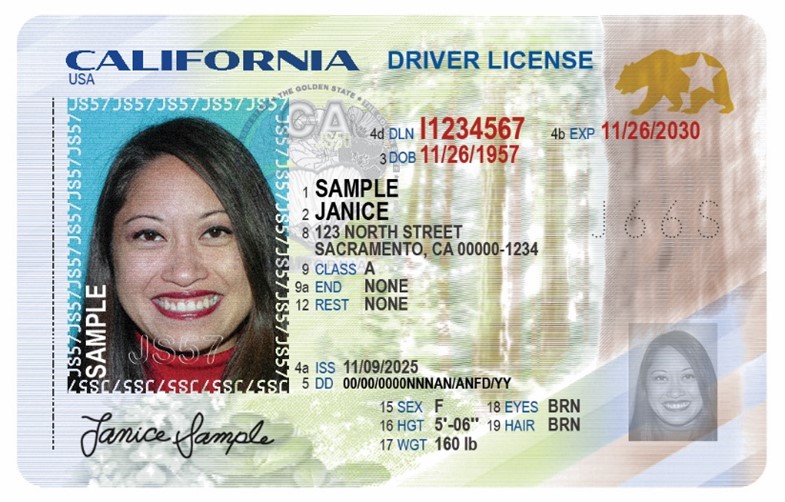
California Identification Cards, issued by the California Department of Motor Vehicles (DMV), are official documents that verify a person’s identity and age. They are particularly useful for individuals who are non-drivers, including seniors, students, and those who prefer not to drive. Unlike a driver’s license, an ID card does not grant driving privileges but serves as a primary form of identification recognized by federal and state agencies, law enforcement, and many private establishments.
Eligibility for Renewal
Generally, if your California ID card is nearing its expiration date, you are eligible for renewal. The DMV typically sends out renewal notices by mail, but it is the individual’s responsibility to ensure their ID is current, even if a notice is not received. Expired IDs can lead to complications, such as being denied entry to certain venues or facing scrutiny during official interactions.
Types of California IDs
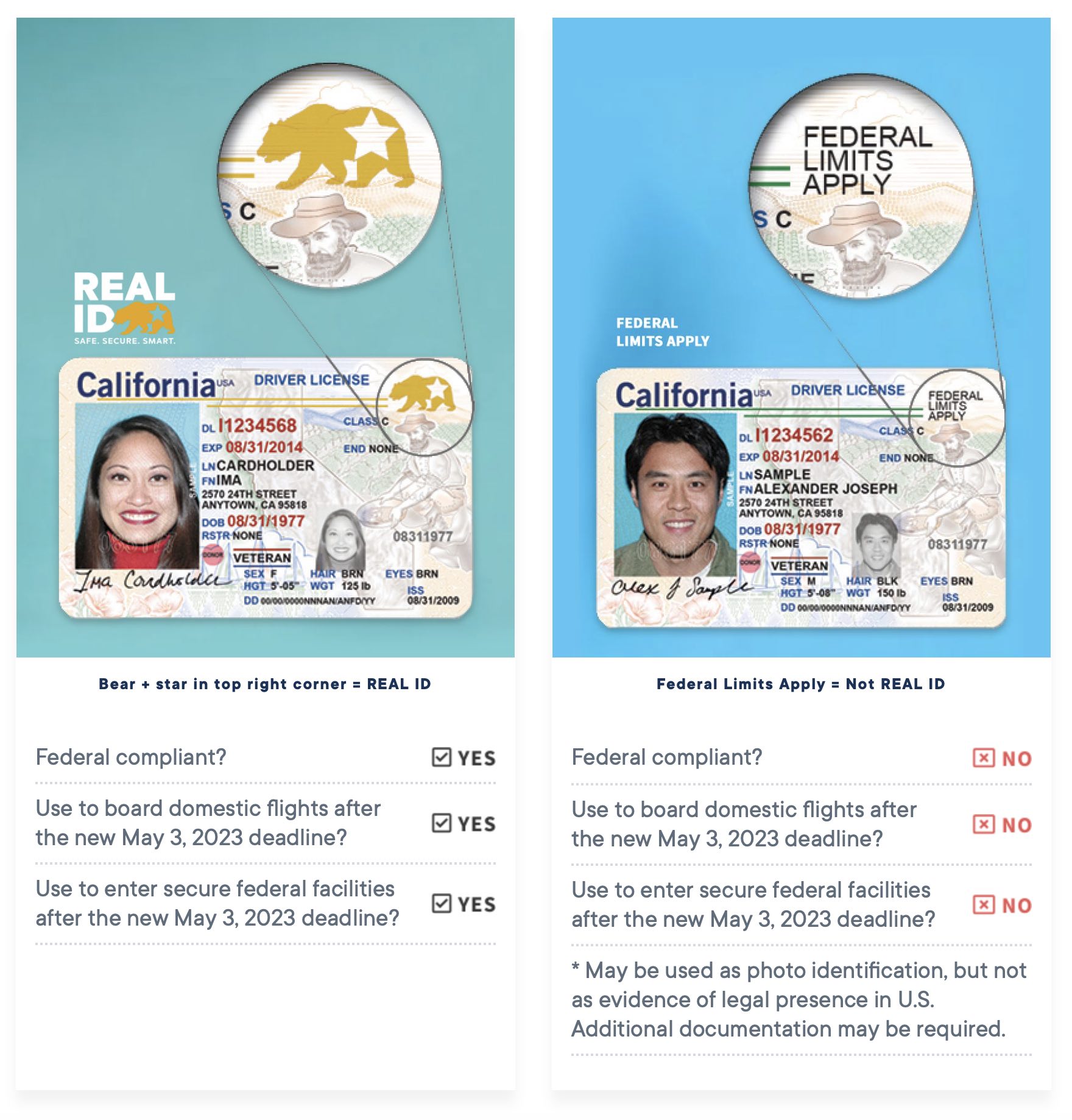
It’s important to distinguish between the standard California ID card and other forms of identification. The standard ID card is designed for all residents. However, California also offers REAL ID compliant identification cards, which meet federal standards for identity verification and are required for boarding domestic commercial flights and accessing certain federal facilities starting in May 2025. If your current ID is not REAL ID compliant and you wish to use it for these purposes, you will need to apply for a REAL ID during your renewal process.
The Renewal Process: Options and Requirements
Renewing your California ID card is a multi-faceted process with several options available, designed to cater to different preferences and circumstances. The most common methods include renewing online, by mail, or in person at a DMV office. Each method has its own set of requirements and timelines.
Online Renewal: Convenience at Your Fingertips
For many, the most convenient way to renew a California ID is through the DMV website. The online renewal option is available for those who meet specific criteria, primarily if no significant changes to their personal information have occurred and if they are not applying for a REAL ID for the first time.
Eligibility for Online Renewal
To be eligible for online renewal, your current ID card must:
- Not be expired for more than two years.
- Have been issued within the last 15 years.
- Have had your fingerprints on file with the DMV.
- Not have had any changes to your name, address, or other personal information that would require a new application.
- Not be a REAL ID that requires a renewal in person.
Steps for Online Renewal
- Visit the DMV Website: Navigate to the official California DMV website and find the ID card renewal section.
- Complete the Application: You will be prompted to enter your current ID card number, date of birth, and other identifying information.
- Verify Information: Carefully review all the information provided to ensure accuracy.
- Pay the Fee: The renewal fee can be paid securely online using a credit card, debit card, or electronic check.
- Receive Your New ID: Once your renewal is processed, your new ID card will be mailed to the address on file within a few weeks.
Mail Renewal: A Traditional Approach
While less common than online renewal, renewing by mail is an option for those who prefer a paper-based process or if online renewal is not suitable. This method often requires a physical application form and payment by check or money order.
Steps for Mail Renewal
- Obtain the Application Form: You can typically download the renewal application form from the DMV website or request it by mail.
- Complete the Form: Fill out the application accurately and completely.
- Include Payment: Send a check or money order for the renewal fee along with your completed application. Ensure the amount is correct as per the DMV fee schedule.
- Mail to the DMV: Send the application and payment to the designated address provided on the form or the DMV website.
- Await Your New ID: Similar to online renewal, your new ID card will be mailed to you upon processing.
In-Person Renewal: For Comprehensive Updates and REAL IDs
Renewing in person at a DMV office is often necessary for certain situations, particularly when applying for a REAL ID for the first time or if there have been significant changes to your personal information. This method guarantees that all necessary verification steps are completed accurately.
When In-Person Renewal is Required
- First-time REAL ID application: If you are upgrading to a REAL ID compliant card, you must visit a DMV office.
- Name or Address Changes: Any changes to your legal name or address typically require an in-person visit.
- Expired ID for Extended Period: If your ID has been expired for longer than two years, you may need to reapply in person.
- Technical Issues with Online Renewal: If you encounter persistent problems with the online system, an in-person visit can resolve them.
Documents Needed for In-Person Renewal

When you visit a DMV office for renewal, particularly for a REAL ID, you will need to present a set of documents to verify your identity, Social Security number, and California residency. These typically include:
- Proof of Identity: A U.S. birth certificate, U.S. passport, or foreign passport.
- Proof of Social Security Number: A Social Security card, W-2 form, or pay stub showing your full SSN.
- Proof of California Residency: Two different documents showing your current address, such as a utility bill, rental agreement, or bank statement.
- Your Current ID Card: Even if expired, bring your existing ID.
Steps for In-Person Renewal
- Schedule an Appointment: To minimize wait times, it is highly recommended to schedule an appointment online through the DMV website.
- Gather Required Documents: Ensure you have all necessary documents as listed above.
- Visit Your Local DMV Office: Arrive at your scheduled appointment time.
- Complete Application: You will fill out an application form at the office.
- Provide Biometrics: Your thumbprint will be taken, and a new photograph will be captured.
- Pay the Fee: Pay the renewal fee using acceptable payment methods.
- Receive Temporary ID: You will usually receive a temporary ID card on the spot, with your permanent card mailed later.
REAL ID Considerations
The introduction of REAL ID compliant identification cards marks a significant shift in identification standards across the United States. These cards are designed to enhance security and standardize the verification of personal information. For Californians, understanding the implications of REAL ID is crucial for future travel and access.
What is a REAL ID?
A REAL ID is a state-issued driver’s license or identification card that meets the minimum security standards recommended by the 9/11 Commission and enacted by the U.S. Congress in the REAL ID Act of 2005. These cards feature security enhancements such as a digital watermark and a star symbol in the upper-right corner.
Why You Might Need a REAL ID
Starting May 7, 2025, a REAL ID will be required to:
- Board domestic commercial flights.
- Enter certain federal facilities.
- Enter nuclear power plants.
If you plan to engage in these activities, renewing your California ID card and obtaining a REAL ID compliant version is essential. Standard California IDs will no longer suffice for these purposes after the deadline.
The REAL ID Application Process
Applying for a REAL ID involves a more stringent verification process compared to a standard ID. As mentioned, this typically requires an in-person visit to a DMV office with specific documentation. The DMV website provides a comprehensive list of acceptable documents. It is advisable to review this list carefully before your appointment to ensure you have everything needed.
Frequently Asked Questions and Tips
Navigating the renewal process can sometimes bring up questions. Here are some common queries and helpful tips to ensure a smooth experience.
How Far in Advance Can I Renew My ID?
You can typically renew your California ID card up to six months before its expiration date. It’s advisable to start the renewal process well in advance of the expiration to avoid any last-minute issues.
What If I Move or Change My Name?
If you move or legally change your name, you are required to update your information with the DMV within 10 days of the change. For name changes, this will require an in-person visit with legal documentation, such as a marriage certificate or court order. For address changes, you can update it online or by mail, but for a REAL ID, an in-person visit might be necessary to ensure all records are updated correctly.
What is the Renewal Fee?
The renewal fee for a California ID card can vary slightly. It’s best to check the official California DMV website for the most current fee schedule. Fees are subject to change and may differ for standard IDs versus REAL IDs.
How Long Does It Take to Receive My New ID?
Once your renewal is processed, you can expect to receive your new ID card by mail within approximately 3-4 weeks. If you are renewing in person, you will typically receive a temporary ID at the office that is valid for a certain period while your permanent card is being processed.
What If My ID is Lost or Stolen?
If your California ID card is lost or stolen, you will need to apply for a replacement. This process is similar to renewal and may require an in-person visit to the DMV office, especially if you need a REAL ID. You will need to complete an application form and provide necessary documentation.
Pro-Tip: Keep your documents organized and readily accessible. Having digital copies of important identification and residency documents can also be helpful in case of any unforeseen circumstances. Regularly checking the California DMV website for updates on procedures, required documents, and appointment availability is always recommended. By staying informed and prepared, you can ensure that renewing your California ID is a straightforward and stress-free experience, keeping you compliant and ready for whatever comes your way.
LifeOutOfTheBox is a participant in the Amazon Services LLC Associates Program, an affiliate advertising program designed to provide a means for sites to earn advertising fees by advertising and linking to Amazon.com. Amazon, the Amazon logo, AmazonSupply, and the AmazonSupply logo are trademarks of Amazon.com, Inc. or its affiliates. As an Amazon Associate we earn affiliate commissions from qualifying purchases.