
For many travelers, understanding local time zones is a foundational, yet often overlooked, aspect of planning any trip. When journeying to the American Southwest, particularly to the diverse landscapes of Arizona, this detail becomes not just important, but a fascinating point of interest due to the state’s unique approach to time. Unlike most of the United States, Arizona largely foregoes Daylight Saving Time (DST), a decision that significantly impacts flight schedules, tour bookings, and even simple communication for visitors. This guide delves into the intricacies of Arizona’s timekeeping, offering essential insights for a seamless travel experience.
The Unique Time Zone Status of Arizona
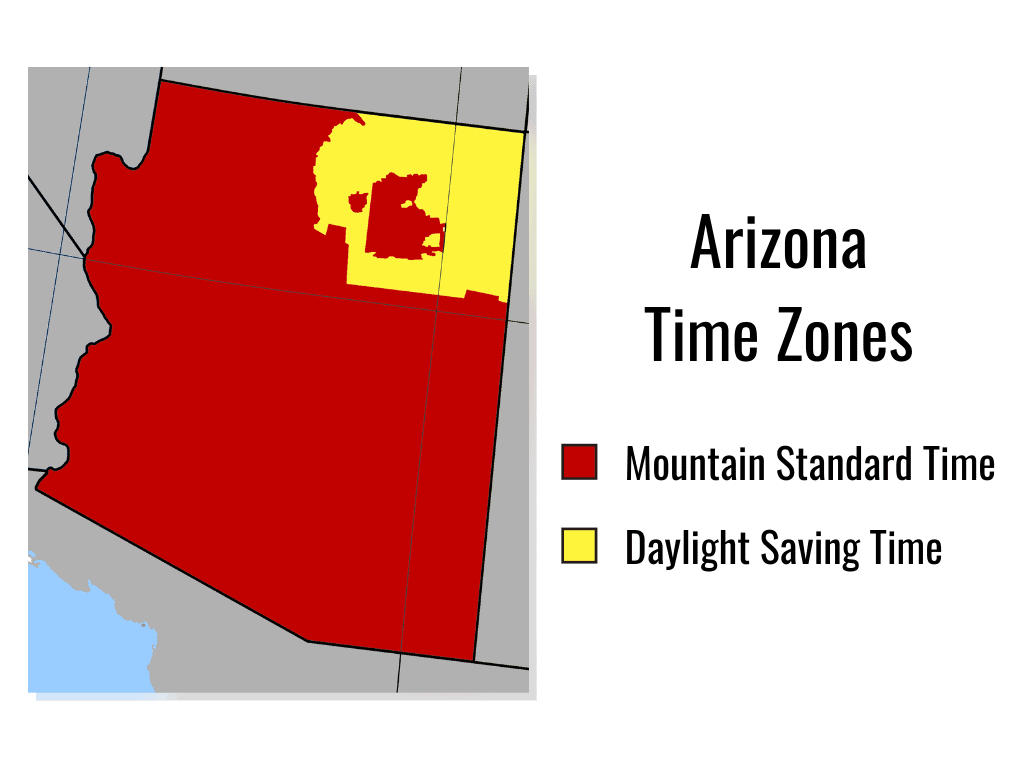
At its core, Arizona operates on Mountain Standard Time (MST) year-round. This means that while most other states in the Mountain Time Zone spring forward an hour for Daylight Saving Time in March and fall back in November, Arizona remains constant. This historical decision, primarily influenced by the state’s intense summer heat, means that extending daylight into the evening would be less desirable, potentially increasing energy consumption for air conditioning and making outdoor activities during the hottest parts of the day less pleasant.
What does this translate to for travelers?
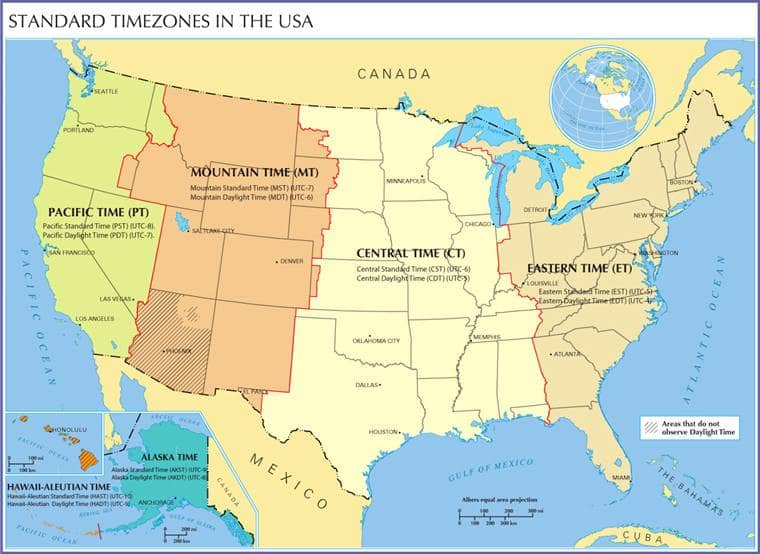
From roughly early March to early November (the period when DST is active elsewhere), Arizona’s time aligns with Pacific Daylight Time (PDT). So, if you’re traveling from Los Angeles or Las Vegas during this period, your watch won’t need adjusting upon arrival in Arizona. However, if you’re coming from states like Colorado or Utah, which do observe DST and move to Mountain Daylight Time (MDT), you will be one hour ahead of Arizona.
During the winter months, from early November to early March, when DST ends across the country, Arizona reverts to being on the same time as Mountain Standard Time (MST) in neighboring states like Utah and Colorado, and one hour ahead of Pacific Standard Time (PST).
This consistent approach simplifies life for residents but can be a source of confusion for those traveling to or through the state. Planning ahead with this unique time zone in mind is crucial for any successful Arizona adventure.
Navigating Arizona’s Time for Seamless Travel Planning
Understanding Arizona’s time zone is more than just a fun fact; it’s a critical component of logistical planning that can significantly impact the flow of your trip. From the moment you book your travel to the daily execution of your itinerary, time awareness is key.
Flights and Ground Transportation
One of the most common pitfalls for travelers is misinterpreting flight schedules. All airline tickets typically display times in local time for both departure and arrival. However, when crossing time zones, especially into or out of Arizona during DST, it’s easy to miscalculate.
For example, if you’re flying from Denver, Colorado (which observes MDT in summer) to Phoenix, Arizona (which remains on MST), a flight departing at 10:00 AM MDT would arrive in Phoenix at 10:00 AM MST. This means your flight effectively “loses” an hour relative to the clock, even though the travel time is, for example, 2 hours. Conversely, flying from Phoenix to Denver would mean you arrive an hour later by the clock than the actual flight duration.
Always double-check your arrival times, particularly for connecting flights or if someone is picking you up. Confirming with rental car agencies or shuttle services the local pick-up time in Arizona is also essential to avoid unnecessary waits or delays at airports like Phoenix Sky Harbor International Airport or Tucson International Airport.
Accommodations and Check-Ins
Hotels, resorts, and vacation rentals in Arizona all operate on local MST. When making reservations, confirm check-in and check-out times against your origin time zone. Arriving an hour earlier or later than anticipated can affect room availability or incur extra charges. For travelers on a tight schedule, especially after a long journey, a smooth check-in process is vital for beginning their Arizona experience on a positive note. Always refer to the confirmation details provided by your accommodation in Phoenix, Scottsdale, Sedona, or wherever your Arizona adventures take you.
Booking Tours and Activities

Many of Arizona’s most sought-after experiences, from Grand Canyon helicopter tours to Sedona jeep excursions and Tucson desert adventures, operate on strict schedules. Missing a tour due to a time zone miscalculation can be a costly and frustrating mistake. Always confirm the local start time for any pre-booked activity. This is particularly crucial for time-sensitive events like sunrise or sunset tours, which are stunning but unforgiving if you’re late. Double-check all booking confirmations and set alarms to Arizona’s local time to ensure you don’t miss out on exploring the state’s incredible attractions.
Communication and Connectivity for Travelers
Beyond immediate travel logistics, Arizona’s unique time zone can affect how you stay connected with the outside world, whether for personal reasons or business.
Staying in Touch with Home
Keeping in touch with family and friends in other parts of the country requires a little mental math. During DST, Arizona is:
- 3 hours behind the East Coast (Eastern Daylight Time)
- 2 hours behind the Central Time Zone (Central Daylight Time)
- On the same time as the Pacific Time Zone (Pacific Daylight Time)
When DST ends, Arizona is: - 2 hours behind the East Coast (Eastern Standard Time)
- 1 hour behind the Central Time Zone (Central Standard Time)
- 1 hour ahead of the Pacific Time Zone (Pacific Standard Time)
Being aware of these shifts allows you to plan optimal calling windows, avoiding inconveniently early morning or late-night calls for those back home. A simple world clock app on your smartphone can be an invaluable tool.
Business Travel Considerations
For those traveling to Arizona for business, especially if coordinating with teams across the country, the time zone difference is paramount. Scheduling virtual meetings, conference calls, or reporting deadlines requires careful consideration. A meeting scheduled for 9:00 AM MST in Phoenix would be 12:00 PM EDT for colleagues in New York during DST. Clear communication about time zones in all meeting invitations and correspondence is non-negotiable to maintain productivity and prevent missed engagements.
The Navajo Nation Exception: A Key Detail
While most of Arizona adheres to MST year-round, there is one significant exception that travelers must be aware of: the Navajo Nation. The Navajo Nation, a sovereign territory that extends into Arizona, Utah, and New Mexico, does observe Daylight Saving Time.
This means that during the spring and summer months, when Daylight Saving Time is in effect, the Navajo Nation (including popular tourist destinations like Monument Valley and Antelope Canyon) will be one hour ahead of the rest of Arizona. If you drive from Page, Arizona (which is not in the Navajo Nation and observes MST year-round) to a Navajo Nation landmark, you will technically cross into a different time zone. This is particularly important for tours that often originate outside the Navajo Nation but operate within it, such as many Antelope Canyon excursions. Always confirm the local time for your tour or activity with the operator, especially when exploring areas like Canyon de Chelly or other points of interest within the vast Navajo Nation boundaries.
Maximizing Your Arizona Travel Experience with Time Awareness
Embracing Arizona’s unique time zone is an integral part of a well-planned and enjoyable trip. Rather than a source of confusion, consider it another distinctive characteristic of the Grand Canyon State. By understanding that Arizona largely stays on Mountain Standard Time and being mindful of the Navajo Nation exception, you can avoid common travel mishaps and make the most of your visit.
This awareness helps you:
- Avoid missed flights or tours: Punctuality is rarely forgiving when dealing with travel logistics.
- Ensure smooth check-ins and departures: Start and end your accommodation stays stress-free.
- Maintain clear communication: Stay connected with your network without unintended disruptions.
- Adjust to the local rhythm: Allow your body to naturally acclimate to the local time, which during summer months often means enjoying longer, cooler evenings for outdoor dining or stargazing without the rush of a “later” sunset elsewhere.
So, when you ask, “What time is it in Arizona?”, remember it’s consistently Mountain Standard Time for most of the state, an hour “ahead” of its mountain neighbors in summer, and an hour “behind” its pacific neighbors in winter. With this knowledge firmly in hand, you’re well-equipped to navigate the stunning landscapes and vibrant cities of Arizona with confidence and ease.
LifeOutOfTheBox is a participant in the Amazon Services LLC Associates Program, an affiliate advertising program designed to provide a means for sites to earn advertising fees by advertising and linking to Amazon.com. Amazon, the Amazon logo, AmazonSupply, and the AmazonSupply logo are trademarks of Amazon.com, Inc. or its affiliates. As an Amazon Associate we earn affiliate commissions from qualifying purchases.