
Selling a used car in California presents a unique set of opportunities and challenges. Known for its vibrant automotive culture and strict environmental regulations, the Golden State demands a meticulous approach from sellers aiming for a smooth and profitable transaction. Whether you’re a seasoned car enthusiast or a first-time seller, understanding the specific nuances of the Californian market is paramount. This guide will navigate you through the essential steps, from preparing your vehicle to finalizing the sale, ensuring you maximize your return and comply with all legal requirements.
Preparing Your Used Car for Sale
The first impression is crucial when selling a used car. Prospective buyers in California, often discerning and well-informed, will be looking for a vehicle that has been well-maintained and presented professionally. Taking the time to properly prepare your car will not only attract more serious buyers but also significantly enhance its perceived value.

Cleaning and Detailing
A thorough cleaning is non-negotiable. This goes beyond a simple wash and vacuum.
Exterior
- Wash and Wax: A professional wash will remove dirt, grime, and road salt. A quality wax will add shine and protect the paintwork, making it look significantly newer. Pay attention to wheel wells, door jambs, and the undercarriage, as accumulated dirt here can signal neglect.
- Tire Shine: Applying a tire dressing will give your tires a fresh, black appearance, making them look less worn and enhancing the overall aesthetic.
- Window Cleaning: Ensure all windows are streak-free, inside and out. Clean mirrors and headlight lenses, as cloudy headlights can make a car appear older and less safe.
- Minor Scratch and Dent Repair: Small imperfections can be addressed relatively inexpensively. Consider touch-up paint for minor scratches or professional repair for small dents. These minor investments can prevent buyers from haggling down the price.
Interior
- Deep Clean: Remove all personal belongings and trash. Shampoo carpets and upholstery to remove stains and odors. Use an appropriate cleaner for leather seats to condition and restore their suppleness.
- Deodorize: Eliminate any lingering smells, whether from pets, smoke, or food. Air fresheners can mask odors temporarily, but a deep clean and potentially an ozone treatment are more effective long-term solutions.
- Dashboard and Console: Clean and condition all plastic and vinyl surfaces. Ensure buttons and controls are clean and functioning.
- Trunk: Don’t forget the trunk! Remove all items, clean it thoroughly, and ensure the spare tire and jack are present and in good condition.
Mechanical Inspection and Maintenance
A car that runs smoothly and reliably is far more appealing. Buyers in California are often concerned about the reliability and emissions compliance of used vehicles.
- Pre-Sale Inspection: Consider having a trusted mechanic perform a pre-sale inspection. This can identify any potential issues before they become deal-breakers. Addressing minor mechanical problems proactively can save you significant hassle and negotiation leverage.
- Fluid Levels: Check and top off all essential fluids, including engine oil, coolant, brake fluid, power steering fluid, and windshield washer fluid.
- Tires: Ensure tires have adequate tread depth and are properly inflated. Uneven wear can indicate alignment issues that should be checked.
- Brakes: Listen for any squealing or grinding noises. Check the brake pads and rotors for wear.
- Engine Performance: Ensure the engine starts easily, idles smoothly, and accelerates without hesitation or strange noises.
- Lights and Electricals: Test all exterior and interior lights, turn signals, hazard lights, horn, radio, power windows, and locks.
Gathering Documentation
Having all necessary paperwork readily available instills confidence in potential buyers.
- Title: The Certificate of Title is the most crucial document. Ensure it’s free of liens and in your name. If you have a loan, you’ll need to pay it off before you can sell.
- Maintenance Records: A detailed history of maintenance and repairs can significantly boost a car’s value. This shows you’ve taken good care of the vehicle. Include receipts from oil changes, tire rotations, and any significant repairs.
- Smog Check Certificate: In California, sellers are generally required to provide a valid smog inspection certificate to the buyer. This ensures the vehicle meets the state’s stringent emissions standards. You can obtain this at any licensed Smog Check station.
- Bill of Sale: This document details the transaction between the buyer and seller, including the vehicle’s make, model, year, Vehicle Identification Number (VIN), sale price, and the date of sale.
- Owner’s Manual: If you still have it, include the owner’s manual.
Pricing Your Used Car Effectively
Determining the right price for your used car is a delicate balance between maximizing your profit and attracting buyers. Overpricing will deter potential customers, while underpricing leaves money on the table.
Researching Market Value
Understanding your car’s current market value is the first step.
Online Valuation Tools
- Kelley Blue Book (KBB): Kelley Blue Book is a widely recognized resource. Use their valuation tools to get an estimate based on your car’s year, make, model, mileage, condition, and optional features. Look at the “private party” value, which is what you can expect to get selling directly to an individual.
- Edmunds: Similar to KBB, Edmunds provides comprehensive car reviews and pricing guides.
- NADA Guides: Another reputable source for vehicle appraisals.
Local Market Analysis
- Check Local Listings: Browse online marketplaces like Craigslist, Facebook Marketplace, and local dealership websites. See what similar cars (year, make, model, mileage, condition) are listed for in your area of California. Pay attention to how long cars have been listed and whether prices seem to be negotiable.
- Consider Competitor Pricing: If you see many similar vehicles for sale, it suggests a competitive market. You may need to price your car attractively to stand out.
Factors Influencing Price
Several factors will influence the final price you can command.
- Mileage: Lower mileage generally commands a higher price.
- Condition: The overall mechanical and cosmetic condition of your car is paramount. A well-maintained and clean car will always fetch more.
- Optional Features and Trim Levels: Higher trim levels and desirable options (e.g., sunroof, navigation system, premium audio) can increase value.
- Accident History: A clean vehicle history report is essential. Any major accidents will significantly decrease the car’s value.
- Demand: Some car models are more popular and hold their value better than others in California.
- Time of Year: While less impactful for everyday cars, certain vehicle types might see seasonal fluctuations in demand.
Setting Your Asking Price
- Price Slightly Higher Than Your Target: It’s advisable to set your asking price a little higher than your absolute minimum to allow for negotiation.
- Be Realistic: Avoid setting an unrealistically high price, as it will likely deter potential buyers from even making an offer.
- Be Prepared to Negotiate: Most buyers expect some room for negotiation. Decide in advance your lowest acceptable price.
Marketing and Listing Your Vehicle
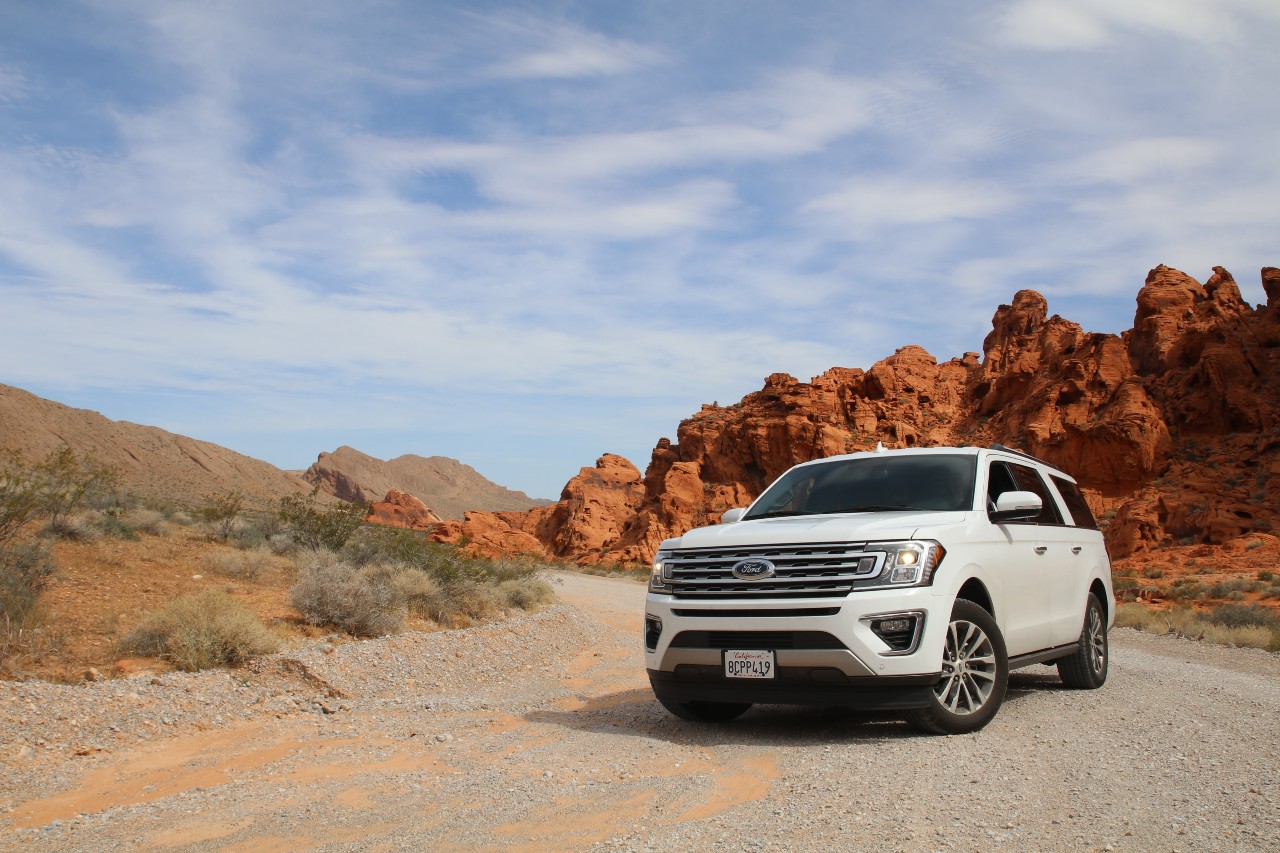
Once your car is prepared and priced, it’s time to let potential buyers know it’s for sale. A well-crafted advertisement will attract more serious inquiries.
Choosing the Right Platform
There are several popular avenues for selling a used car in California.
- Online Marketplaces:
- Craigslist: Remains a powerful tool for private party sales. It’s free to list and reaches a wide audience. Be prepared for a high volume of inquiries, some of which may be less serious.
- Facebook Marketplace: Similar to Craigslist, it offers a broad reach and the ability to connect with local buyers.
- eBay Motors: A good option for specific types of vehicles or if you want to reach a national audience. It offers auction or “Buy It Now” options.
- Specialty Websites: For classic cars, performance vehicles, or specific makes, dedicated online forums and marketplaces might be more effective.
- Local Dealerships: Some dealerships offer to buy used cars directly. This is usually the quickest option, but you’ll likely receive a lower offer than selling privately.
- “For Sale” Sign: A simple sign in the car window can attract local attention when parked in a visible location (check local ordinances regarding this).
Crafting a Compelling Listing
Your advertisement is your car’s first handshake. Make it count.
Essential Information
- Headline: Make it clear and informative. Include the year, make, model, and key selling points (e.g., “Low Mileage 2018 Toyota Camry LE – Excellent Condition”).
- Description:
- Vehicle Details: Year, make, model, trim level, mileage, engine size, transmission type, drivetrain.
- Condition: Be honest about the car’s condition. Highlight its strengths and mention any known minor flaws (e.g., “small ding on rear bumper,” “normal wear and tear for its age”).
- Features: List desirable features and options (e.g., “leather seats,” “sunroof,” “backup camera,” “Bluetooth,” “new tires”).
- Maintenance: Emphasize recent maintenance and the availability of service records.
- Reason for Selling: Briefly stating a reason (e.g., “upgraded to a new vehicle,” “relocating”) can add transparency.
- Smog Status: Clearly state if the car has passed its smog check.
- Price: Clearly state your asking price and whether it’s firm or negotiable.
- Contact Information: Provide a phone number or email address. Specify preferred contact methods and times.
High-Quality Photos and Videos
- Good Lighting: Take photos in bright, natural daylight. Avoid harsh shadows.
- Multiple Angles: Capture the exterior from all sides, including front, back, and both profiles. Photograph the wheels.
- Interior Shots: Include clear photos of the dashboard, front seats, back seats, steering wheel, and odometer.
- Engine Bay and Trunk: Open the hood and trunk for photos.
- Detail Shots: Highlight any special features or recent upgrades.
- Video Walkaround: A short video showcasing the car’s exterior and interior, and even starting the engine, can be very persuasive.
Handling Inquiries and Test Drives
Once your listing is live, you’ll start receiving inquiries. It’s crucial to manage these professionally and safely.
Screening Potential Buyers
Not all inquiries are from serious buyers.
- Ask Qualifying Questions: When someone calls or messages, ask a few questions to gauge their seriousness. For example, “Have you seen the photos and read the description?” or “Are you familiar with this model?”
- Be Wary of Scams: Be cautious of buyers who offer to pay more than the asking price, want to send a cashier’s check before seeing the car, or ask for personal banking information. Legitimate buyers will want to inspect the car in person.
- Schedule Viewings: Try to schedule viewings for multiple interested parties close together if possible, but prioritize safety.
Conducting Safe Test Drives
Test drives are critical for buyers to assess the vehicle. Ensure your safety and the buyer’s legitimacy.
- Meet in a Public Place: For initial meetings, choose a well-lit, public location during daylight hours. A busy shopping center parking lot or a police station parking lot can be good options.
- Verify Identification: Ask for a valid driver’s license before allowing a test drive. Keep a photo or record of it if you feel it’s necessary, but be mindful of privacy.
- Accompany the Driver: Never let a potential buyer take the car out alone. Sit in the passenger seat and observe their driving.
- Define the Route: You can suggest a familiar route that includes city streets and a short highway stretch to allow the buyer to test various driving conditions.
- Trust Your Instincts: If at any point you feel uncomfortable or unsafe, politely end the test drive and decline the sale.
Negotiating the Sale and Finalizing the Transaction
Negotiation is a standard part of selling a used car. Being prepared and understanding the process will lead to a successful outcome.
The Negotiation Process
- Be Prepared to Negotiate: Have your bottom-line price in mind.
- Listen and Respond: Understand the buyer’s concerns and arguments. Respond calmly and reasonably.
- Justify Your Price: Refer to your research, the car’s condition, and any recent maintenance.
- Avoid Impulse Decisions: Don’t feel pressured to accept an offer immediately. Take time to consider.
Payment Methods
Secure payment is vital to protect yourself.
- Cash: The safest method for smaller transactions. Meet at a bank to verify the bills are legitimate.
- Cashier’s Check: Generally considered safe, but verify its authenticity with the issuing bank before handing over the title. Avoid personal checks.
- Bank Transfer (Wire Transfer): Can be a secure option, but ensure the funds have cleared before transferring ownership.
- Financing: If the buyer is financing, ensure the loan is approved and funds are secured before the sale is finalized.
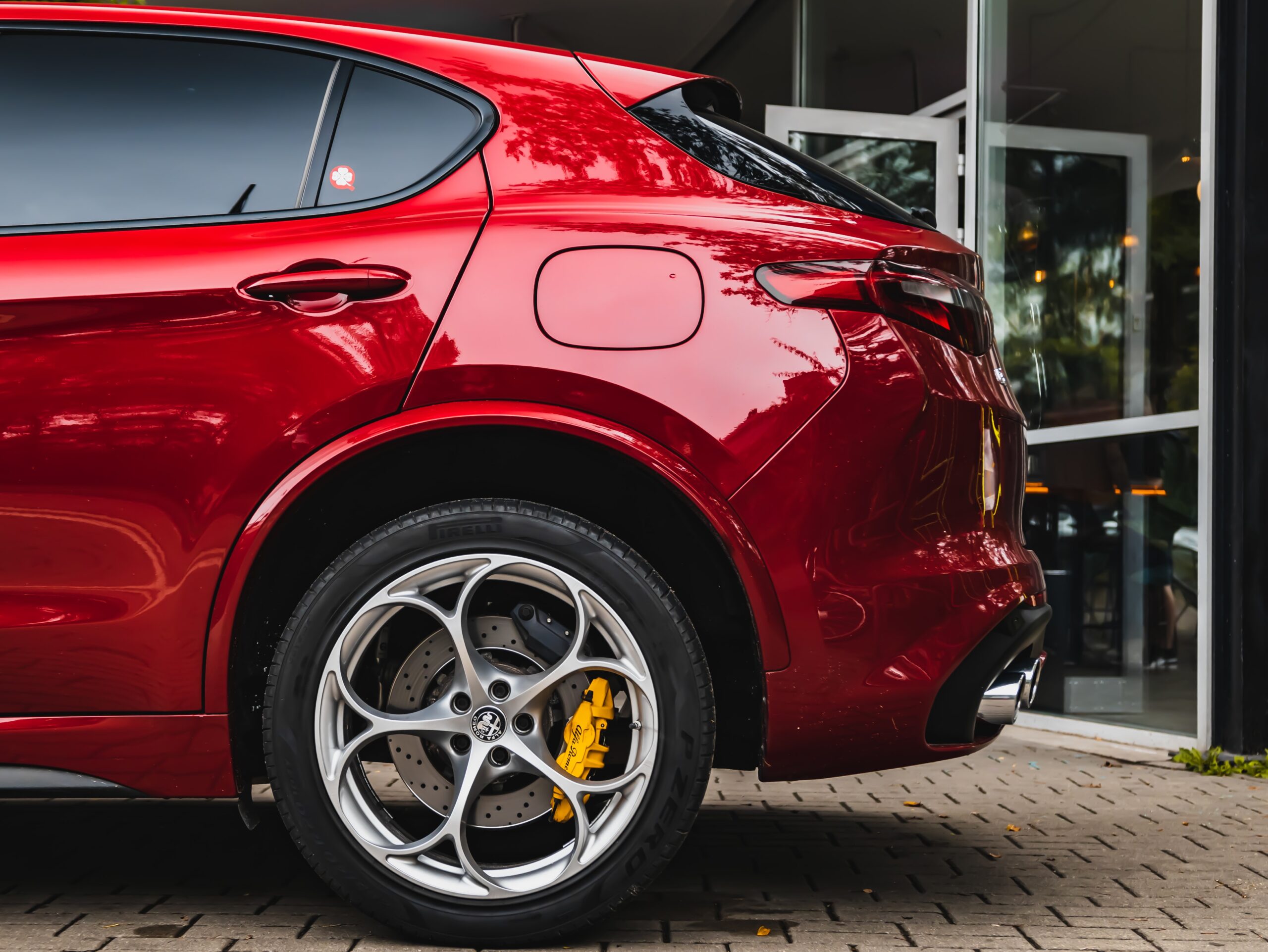
Transferring Ownership in California
California has specific procedures for transferring vehicle ownership.
- Complete the Certificate of Title: The seller must sign the “Seller” section of the Certificate of Title. You’ll need to provide the buyer’s name and address, the odometer reading at the time of sale, and the date of sale.
- Complete the Statement of Facts (REG 256): This form is used to report the sale and may include information about any liens on the vehicle.
- Provide a Smog Certification: As mentioned earlier, the seller is generally responsible for providing a valid smog certificate to the buyer.
- Provide a Bill of Sale: While not always legally required if the title is properly filled out, a Bill of Sale is highly recommended for both parties. It serves as proof of the transaction.
- Remove License Plates: In California, license plates are generally removed by the seller upon sale and can be transferred to a new vehicle or returned to the DMV.
- Notify the DMV: You must notify the California Department of Motor Vehicles (DMV) of the sale within 5 days by submitting an Notice of Transfer and Release of Liability (NRL) online or by mail. This is crucial to protect you from any liability associated with the vehicle after the sale.
By following these steps, you can navigate the process of selling a used car in California with confidence, ensuring a fair price and a legally sound transaction.
LifeOutOfTheBox is a participant in the Amazon Services LLC Associates Program, an affiliate advertising program designed to provide a means for sites to earn advertising fees by advertising and linking to Amazon.com. Amazon, the Amazon logo, AmazonSupply, and the AmazonSupply logo are trademarks of Amazon.com, Inc. or its affiliates. As an Amazon Associate we earn affiliate commissions from qualifying purchases.