
Navigating the complexities of identification can often feel like a puzzle, especially when dealing with official documents that hold significant weight in various aspects of life, from travel to official transactions. In California, the introduction of the REAL ID has added a new layer to this. Obtaining a REAL ID compliant driver’s license or identification card is becoming increasingly important, particularly for air travel and accessing certain federal facilities. Understanding the specifics of what constitutes a “real” ID in California is crucial for residents to avoid unexpected complications. This guide aims to demystify the process and equip you with the knowledge to identify and obtain your official REAL ID.
Understanding the REAL ID Act
The REAL ID Act of 2005 is a federal law that establishes minimum security standards for state-issued driver’s licenses and identification cards to be accepted for federal purposes. These purposes include boarding federally regulated commercial aircraft and entering certain federal facilities and nuclear power plants. Prior to the REAL ID Act, identification standards varied significantly from state to state. The Act was a response to recommendations from the 9/11 Commission, which highlighted security vulnerabilities associated with the previous system.
Key Features of a REAL ID
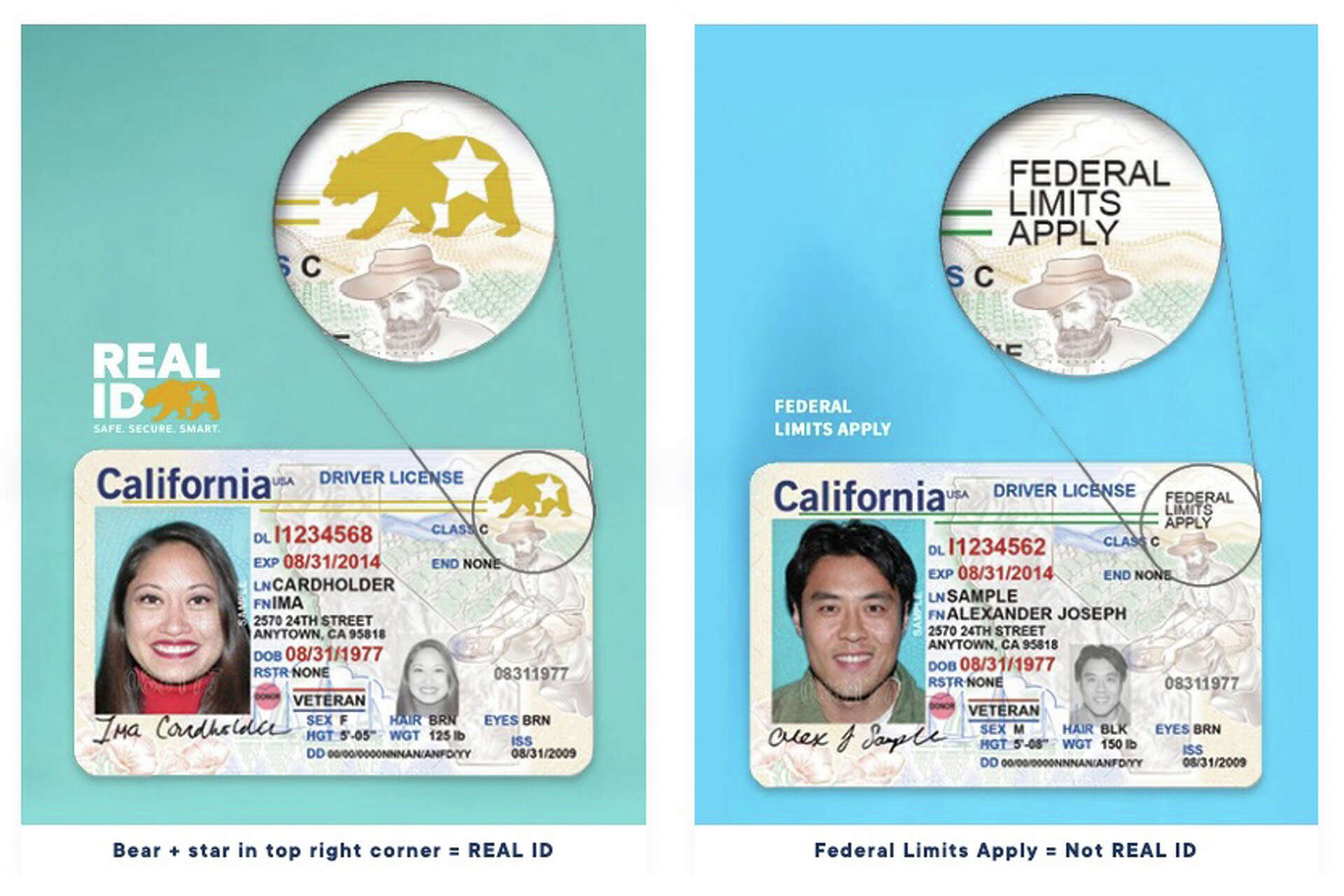
A REAL ID compliant card looks similar to a standard California driver’s license or identification card, but it has a distinguishing feature: a small gold star in the upper right corner. This star is the universal symbol that the card meets the federal REAL ID standards. It signifies that you have presented satisfactory documentation of your identity, date of birth, Social Security number, and California residency to the Department of Motor Vehicles (DMV).
Why You Need a REAL ID
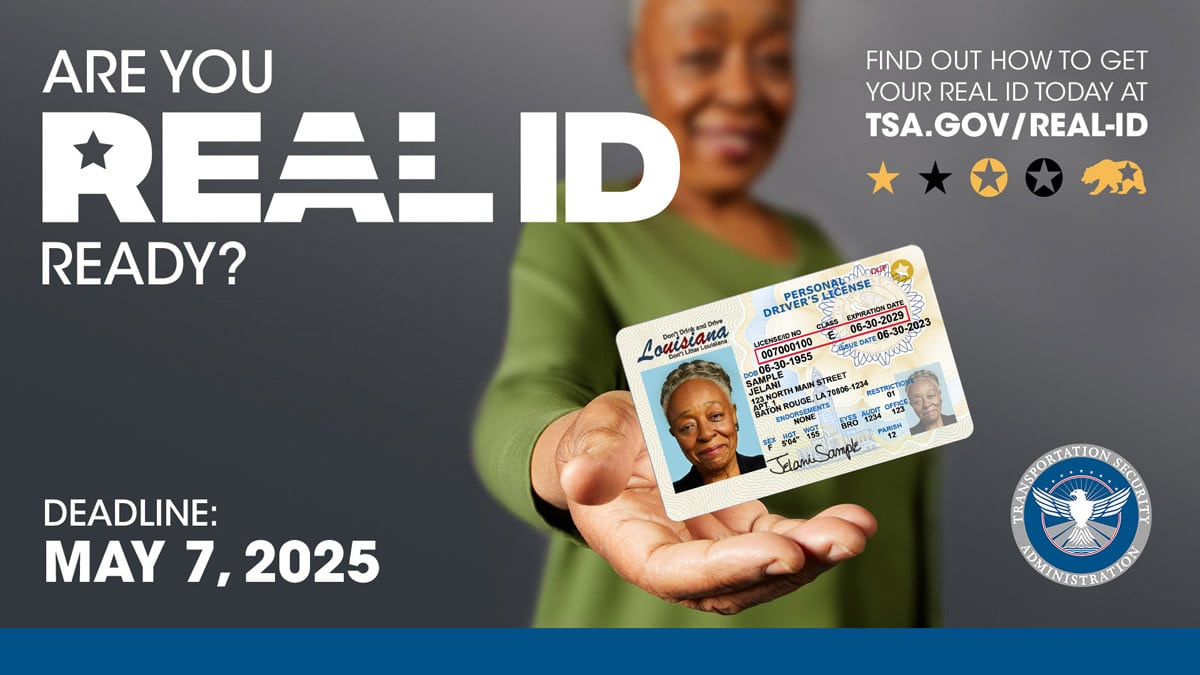
Starting May 7, 2025, a REAL ID will be required for all individuals aged 18 and older to board domestic flights and enter certain federal facilities. If you plan to travel by air within the United States or visit military bases, federal courthouses, or other restricted federal buildings, you will need to present a REAL ID compliant card. While a standard California driver’s license or ID card will still be valid for driving and general identification purposes within the state, it will not suffice for these federal requirements. Other federally accepted forms of identification include a valid U.S. passport, a passport card, or a Department of Homeland Security-approved trusted traveler program card.
Identifying Your Current California Driver’s License or ID Card
Before embarking on the process of obtaining a REAL ID, it’s essential to first assess your current identification. Look at your existing California driver’s license or identification card.
Standard vs. REAL ID Compliant Cards
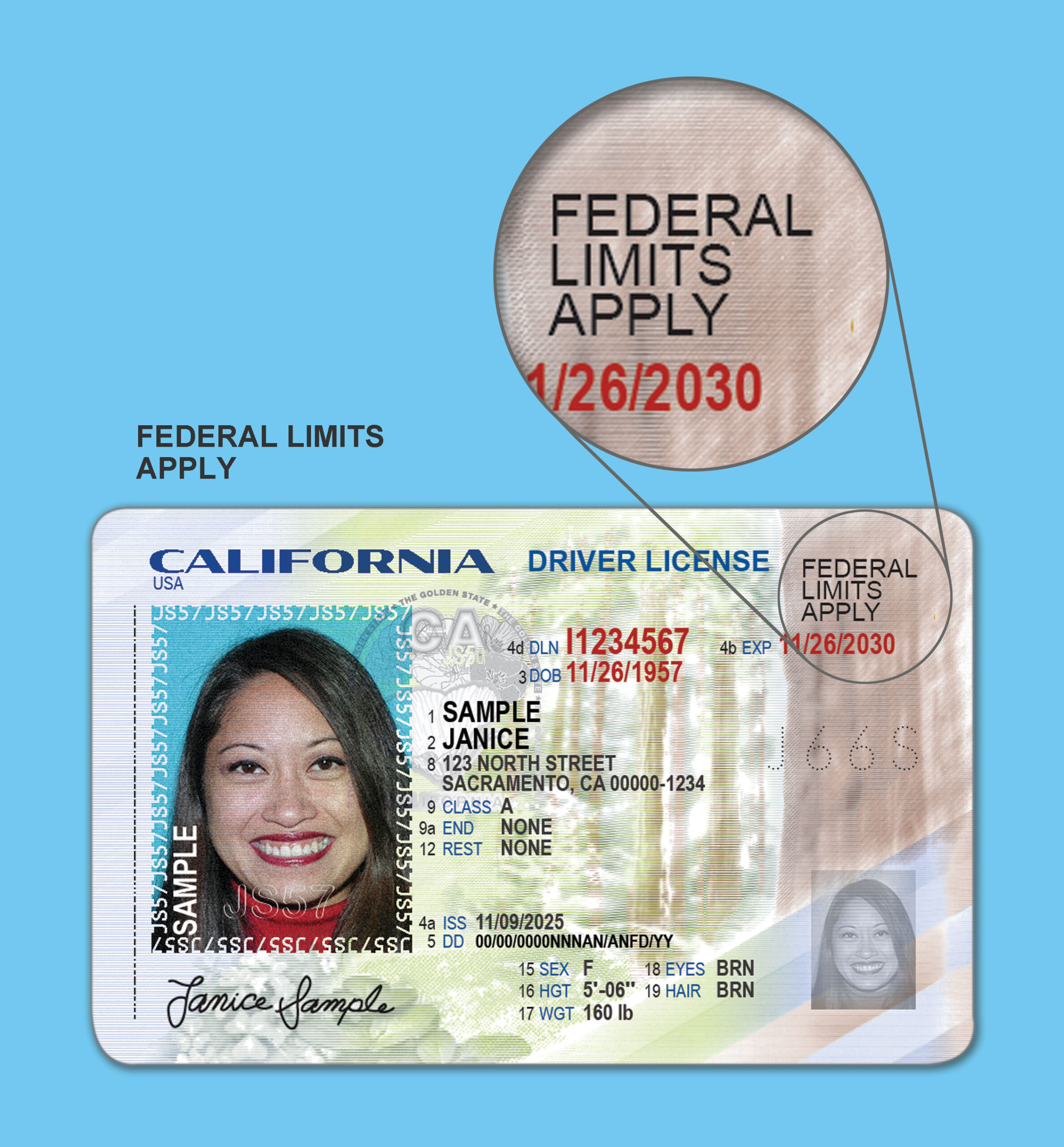
- Standard Driver’s License/ID Card: These cards are issued for identification purposes within California and for driving. They typically do not have a gold star in the upper right corner. While they are valid for most everyday activities, they will not be accepted for federal air travel or access to secure federal facilities after the May 7, 2025, deadline.
- REAL ID Compliant Driver’s License/ID Card: As mentioned, these cards feature a gold star in the upper right corner. This star indicates that you have met the federal requirements during the application process. If your card has this gold star, you already possess a REAL ID compliant identification.
What If My Card Doesn’t Have a Gold Star?
If your current California driver’s license or ID card does not have the gold star, it is a standard identification card and will not be accepted for federal purposes after the deadline. You will need to visit a California DMV office to apply for a REAL ID.
The Process of Obtaining a REAL ID in California
Applying for a REAL ID is a detailed process designed to verify your identity and ensure compliance with federal security standards. It requires more documentation than a standard driver’s license application. The California DMV has outlined specific steps and required documents.
Step 1: Gather Your Required Documents
This is perhaps the most critical step. You will need to present original or certified copies of documents to prove:
- Identity: One document that establishes your legal presence in the United States. Examples include a U.S. birth certificate, a U.S. passport, or a foreign passport with a valid U.S. visa and arrival/departure record.
- Social Security Number (SSN): Your Social Security card, a W-2 form, or a paystub with your full SSN. If you do not have an SSN, you will need to provide proof of ineligibility from the Social Security Administration.
- Two California Residency Documents: These documents must show your current residential address. Examples include utility bills (gas, electric, water, or garbage), rental or lease agreements, mortgage statements, bank statements, or insurance documents. Both documents must be dated within the last 90 days, unless they are from a government agency or a school.
It is highly recommended to use the California DMV’s online document checklist tool to ensure you have all the necessary paperwork before your appointment.
Step 2: Make an Appointment at the DMV
Due to the increased demand and detailed verification process for REAL IDs, it is strongly advised to make an appointment at your local California DMV office. Walk-ins may experience significantly longer wait times or may not be served if they are not adequately prepared. You can schedule an appointment online through the California DMV website.
Step 3: Visit the DMV Office
On the day of your appointment, arrive on time with all your gathered documents. You will need to complete an application form, which can often be started online beforehand to save time. At the office, a DMV representative will review your documents, verify your identity, take your photograph, and collect your thumbprint. You will also need to pay the required fee for the new license or ID card.
Step 4: Receive Your REAL ID
After your application is processed and approved, you will be issued a temporary paper identification document. Your new REAL ID compliant driver’s license or identification card will be mailed to you within a few weeks. When you receive it, check for the gold star in the upper right corner to confirm it is indeed your REAL ID.
Alternatives to the REAL ID
While the REAL ID is becoming the standard for federal purposes, there are other acceptable forms of identification that can be used for air travel and access to federal facilities. Understanding these alternatives can be beneficial if obtaining a REAL ID is not feasible or preferred for you.
U.S. Passport and Passport Card
A valid U.S. passport book or passport card is a federally accepted form of identification and will be sufficient for boarding domestic flights and entering federal facilities. These are often preferred by frequent international travelers as they serve dual purposes.
Trusted Traveler Programs (TTP)
Programs administered by U.S. Customs and Border Protection, such as Global Entry, TSA PreCheck, NEXUS, and SENTRI, offer members an alternative to presenting a REAL ID for TSA security screening at airports. If you are enrolled in one of these programs and have your TTP card or known traveler number (KTN) linked to your airline reservation, you can use it for expedited screening.
Other Federally Accepted IDs
Depending on the specific federal facility or requirement, other forms of identification might be accepted. These can include U.S. Department of Defense ID cards, U.S. Merchant Mariner cards, and Native American tribal photo IDs. However, for general domestic air travel, the primary alternatives to a REAL ID are a U.S. passport or a TTP card.
Common Pitfalls and Tips for a Smooth REAL ID Application
The process of obtaining a REAL ID, while straightforward in principle, can sometimes be fraught with minor challenges if not approached with preparation. Being aware of common issues and following best practices can ensure a smoother experience.
Document Verification Issues
One of the most frequent reasons for delays or rejections is incomplete or incorrect documentation.
- Mismatched Names: Ensure that the name on all your submitted documents is identical. If you have changed your name (e.g., due to marriage), you will need to provide legal documentation of the name change, such as a marriage certificate or court order.
- Outdated Residency Proof: Residency documents must be current. If your utility bill is from three months ago, it might not be accepted. Double-check the date requirements.
- Incomplete Information: Ensure all fields on your documents are filled out correctly. Missing information can lead to issues.
Scheduling and Appointment Management
- Book in Advance: As mentioned, appointments are crucial. Don’t wait until the last minute, as availability can be limited. The California DMV often has high demand, especially as the deadline approaches.
- Check for Online Services: The California DMV offers various online services. Completing parts of the application online before your appointment can significantly speed up the in-person visit.
Understanding the Purpose
Remember that the REAL ID is primarily for federal identification purposes. If your main need is to drive legally in California, a standard license is sufficient. However, if you plan to fly domestically or access secure federal sites, then pursuing a REAL ID is a necessary step. By diligently preparing your documents and understanding the process, you can successfully obtain your REAL ID and ensure seamless travel and access to federal facilities.
LifeOutOfTheBox is a participant in the Amazon Services LLC Associates Program, an affiliate advertising program designed to provide a means for sites to earn advertising fees by advertising and linking to Amazon.com. Amazon, the Amazon logo, AmazonSupply, and the AmazonSupply logo are trademarks of Amazon.com, Inc. or its affiliates. As an Amazon Associate we earn affiliate commissions from qualifying purchases.