
As residents of the Golden State prepare to cast their votes, a question frequently arises: “How can I be sure my ballot is counted?” In California, the answer is reassuringly straightforward thanks to robust tracking systems designed to offer transparency and peace of mind. Understanding the process of tracking your ballot not only demystifies the voting experience but also empowers citizens to actively participate in their democratic duties, ensuring their voice is heard. This guide will walk you through the essential steps and resources available for following your mail-in ballot from the moment it’s sent to its final destination.

The California Ballot Tracking System: A Digital Oversight
California offers a centralized and user-friendly system for voters to monitor the status of their mail-in ballots. This service, often referred to as “BallotTrax” or a similar localized branding, is a digital tool that provides real-time updates. Its implementation across many counties signifies a commitment to voter confidence and accessibility. The core function of this system is to provide confirmation that your ballot has been received by election officials and, subsequently, that it has been processed and counted. This digital oversight is crucial in an era where mail-in voting has become increasingly prevalent, offering a tangible link between the voter and the electoral process.
Accessing the Tracking Portal
To begin tracking your ballot, you will first need to access the official tracking portal for your specific county. While the exact web address may vary slightly by county, the process generally involves visiting your county’s Registrar of Voters website. These websites are typically found by searching online for “[County Name] Registrar of Voters.” Once on the county election website, look for a prominent link or section dedicated to ballot tracking. This might be labeled as “Track My Ballot,” “Ballot Status,” or “Where is My Ballot?”
Information Required for Tracking
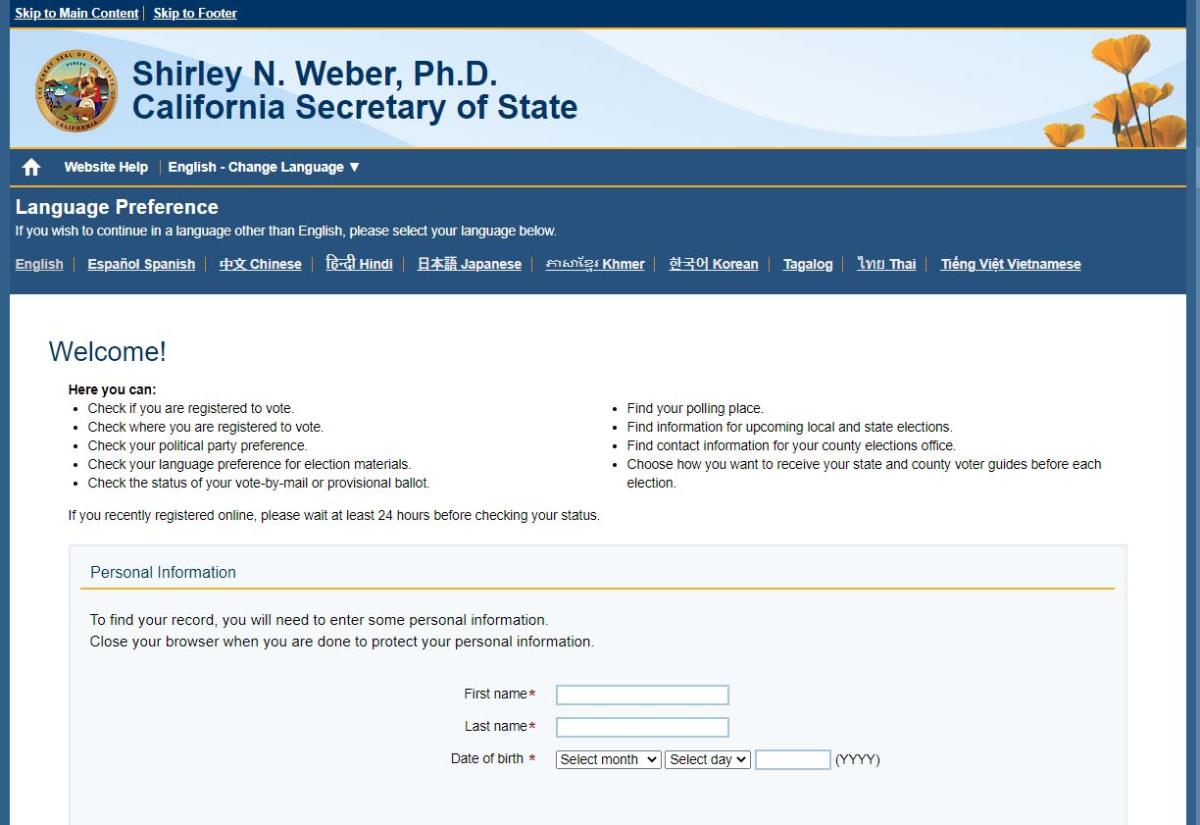
To utilize the ballot tracking system, you will need to provide certain identifying information. This is a standard security measure to ensure that only the voter can access the status of their ballot. The most common pieces of information requested include:
- Your Name: The full legal name as it appears on your voter registration.
- Your Date of Birth: To further verify your identity.
- Your Residential Address: The address where you are registered to vote.
- Your Voter Registration Number (Optional but Helpful): This unique identifier can sometimes streamline the lookup process.
In some counties, you may also be asked to provide your driver’s license number or the last four digits of your Social Security number, depending on the verification methods employed by that particular election office. It is important to have this information readily available to ensure a smooth and efficient tracking experience.
Understanding Ballot Status Updates
Once you have successfully accessed the tracking portal and entered your information, you will be presented with a series of status updates. These updates are designed to inform you about the journey of your ballot through the electoral system. Common status indicators include:
- Ballot Mailed to You: This indicates that your official ballot has been sent from the county election office to your registered mailing address.
- Ballot Received: This is a crucial update, confirming that election officials have received your completed ballot back at their office. This usually happens once your ballot has been delivered to a polling place, ballot drop box, or mailed back to the county election office.
- Ballot Accepted/Processed: This signifies that your ballot has been reviewed and deemed valid for tabulation. This stage often involves verifying your signature against your voter registration record.
- Ballot Counted: The final confirmation that your vote has been successfully included in the election results.
Some systems may offer additional notifications, such as emails or text messages, when your ballot status changes. Signing up for these alerts can provide an even more immediate notification of your ballot’s progress.
The Journey of Your Mail-In Ballot: From Your Hands to the Count
The process of tracking your ballot becomes more meaningful when you understand the stages your ballot undertakes after you seal it and send it off. This understanding reinforces the importance of each step, from proper mailing to timely return.
Preparing Your Ballot for Return
Before you even think about tracking, the crucial first step is correctly completing and returning your ballot. This involves:
- Completing the Ballot: Mark your selections carefully using the provided instructions.
- Signing the Return Envelope: This is arguably the most critical step. Your signature on the return envelope is the primary method election officials use to verify your identity. Ensure you sign in the designated area. If you have a legal guardian or caregiver who assists you, ensure their signature and any required declarations are also present if applicable.
- Sealing the Envelope: Securely seal the return envelope to ensure the privacy and integrity of your vote.
Return Options: Mail, Drop Box, or In-Person
California offers voters multiple convenient options for returning their mail-in ballots:

- U.S. Mail: You can simply drop your ballot in any U.S. Postal Service mailbox. However, be mindful of postal delivery times, especially as election day approaches. To ensure your ballot arrives on time, it is advisable to mail it back at least a week before the deadline.
- Official Ballot Drop Boxes: Many counties provide secure, tamper-proof ballot drop boxes strategically located throughout the community. These are often placed at libraries, community centers, and county election offices. Drop boxes are a convenient and secure way to return your ballot, and your ballot will be collected regularly by election officials.
- Returning to a Polling Place or Vote Center: On election day, or during early voting periods at designated vote centers, you can return your ballot in person to any polling place or official vote center within your county.
Signature Verification: The Critical Checkpoint
Once your ballot is received by your county’s election office, it undergoes a crucial verification process: signature verification. Election officials compare the signature on your return envelope with the signature(s) on file in your voter registration record. This is a vital security measure to prevent fraudulent voting.
If there is a discrepancy or if the signature is missing, election officials will typically attempt to contact you to give you an opportunity to “cure” or correct the issue. This is why keeping your contact information up-to-date with your county’s election office is so important. The ballot tracking system will often reflect the status of this verification process, indicating if your signature needs attention.
Troubleshooting Common Ballot Tracking Issues
While the ballot tracking system is designed to be reliable, occasional issues can arise. Understanding these potential problems and knowing how to address them can save you time and anxiety.
Ballot Not Showing Up in the System
If you have returned your ballot but it isn’t appearing in the tracking system after a reasonable amount of time (typically a few business days after returning it), here are a few steps you can take:
- Verify Return Method and Timing: Double-check how and when you returned your ballot. If you mailed it, consider if there might have been a delay with the U.S. Postal Service. If you used a drop box, confirm its collection schedule if possible.
- Allow Sufficient Processing Time: Election offices handle a large volume of ballots, especially during peak voting periods. Give it a few extra days before assuming there’s an issue.
- Contact Your County Election Office: If your ballot still hasn’t appeared after a week or more, the best course of action is to contact your local county Registrar of Voters directly. They can investigate the status of your ballot from their end and advise you on any necessary steps.
Inaccurate Status Updates
In rare instances, the status update in the tracking system might not accurately reflect the reality of your ballot’s journey. This could be due to a temporary lag in system updates or an administrative error. If you believe an update is incorrect, again, the most effective solution is to reach out to your county election officials for clarification.
Signature Verification Issues and Curing Your Ballot
If the tracking system indicates an issue with your signature or prompts you to cure your ballot, act promptly. This typically means:
- Contacting Your Election Office: They will explain exactly what is needed.
- Providing a New Signature: You may be asked to provide a fresh signature, often on a specific form, which you can then return to the election office.
- Responding Quickly: There are strict deadlines for curing ballots, so addressing these issues as soon as you are notified is paramount.
The Broader Impact: Voter Confidence and Election Integrity
The existence and accessibility of ballot tracking systems in California play a significant role in fostering voter confidence and upholding the integrity of the electoral process. In an age where information is readily available, citizens expect transparency in all aspects of civic life, including elections.
Building Trust Through Transparency
When voters can track their ballots, it demystifies the voting process and builds trust in the system. Knowing that their ballot is accounted for from the moment it’s sent to its final count provides reassurance that their vote is being handled responsibly and securely. This transparency is a powerful antidote to misinformation and doubt.
Ensuring Election Integrity
Ballot tracking systems are not just about voter convenience; they are integral to election integrity. By providing a verifiable record of ballot movement, these systems help to prevent fraud and ensure that only eligible votes are counted. The digital trail created by the tracking system adds an extra layer of accountability and oversight.
Empowering the Electorate
Ultimately, the ability to track your ballot empowers you as a voter. It transforms a potentially passive act of mailing a ballot into an active, informed engagement with the democratic process. This empowerment can encourage greater participation in elections and a stronger sense of civic responsibility. By utilizing the tools provided by California, you are not just casting a vote; you are actively ensuring your voice is heard and counted.
LifeOutOfTheBox is a participant in the Amazon Services LLC Associates Program, an affiliate advertising program designed to provide a means for sites to earn advertising fees by advertising and linking to Amazon.com. Amazon, the Amazon logo, AmazonSupply, and the AmazonSupply logo are trademarks of Amazon.com, Inc. or its affiliates. As an Amazon Associate we earn affiliate commissions from qualifying purchases.