
Navigating the open roads of California is a quintessential part of the American travel experience. From the sun-drenched beaches of Southern California to the majestic peaks of the Sierra Nevada, the Golden State offers a diverse tapestry of landscapes and experiences. For many travelers, the journey itself is as significant as the destination, and a well-equipped vehicle can enhance the sense of freedom and control. In this context, the question of equipping a vehicle with a radar detector often arises. Understanding the legality of such devices is crucial for any visitor planning a road trip through California, ensuring a smooth and legal journey without unexpected detours due to traffic citations.
Understanding Radar Detectors and Their Purpose
Radar detectors are electronic devices designed to alert drivers when they are approaching a police speed radar or laser gun. They work by scanning the radio frequencies used by these speed detection devices. When a signal is intercepted, the detector emits an audible or visual warning, giving the driver an opportunity to reduce their speed before being clocked.
How Radar Detectors Work
The technology behind radar detectors has evolved significantly over the years. Early models were relatively simple, designed to pick up basic radar signals. Modern detectors are far more sophisticated, capable of distinguishing between various types of radar (e.g., X-band, K-band, Ka-band) and laser speed guns, as well as filtering out false alerts from sources like automatic doors and other radar-based systems. Some advanced models even incorporate GPS technology to identify known speed camera locations and provide real-time updates.
The Appeal for Travelers
For travelers, particularly those undertaking long-distance journeys across vast states like California, radar detectors can offer a sense of security and peace of mind. The allure lies in the potential to avoid costly speeding tickets, which can not only drain a travel budget but also disrupt carefully planned itineraries. The ability to maintain a consistent and appropriate speed, while being aware of potential speed traps, can contribute to a more relaxed and enjoyable driving experience. This is especially true on highways where speed limits can change frequently or where law enforcement presence might be more pronounced in certain stretches.
The Legal Landscape in California
When it comes to the legality of radar detectors, California has specific regulations that drivers must adhere to. Unlike some states where their use is outright prohibited, California permits the use of radar detectors by private citizens. This is a significant distinction and a key piece of information for anyone planning to drive through the state.
State Regulations on Radar Detector Use
In California, it is legal for individuals to own and operate radar detectors in their private vehicles. There are no state laws that explicitly ban the use of these devices for personal drivers. This policy allows drivers to utilize these tools to monitor their speed and receive alerts about potential speed enforcement activities. The freedom to use radar detectors aligns with the state’s general approach to automotive safety, which often emphasizes driver awareness and responsibility.
Distinguishing Between Private and Commercial Vehicles
It is important to note that the legality of radar detectors can differ significantly when it comes to commercial vehicles. In many jurisdictions, including potentially California for certain types of commercial operation, the use of radar detectors may be prohibited. This distinction arises from different regulatory frameworks governing commercial transport, which often prioritize stringent adherence to speed limits and operational regulations. For tourists and leisure travelers, the focus remains on private vehicle use, where the devices are generally permissible.
Potential Pitfalls and Considerations
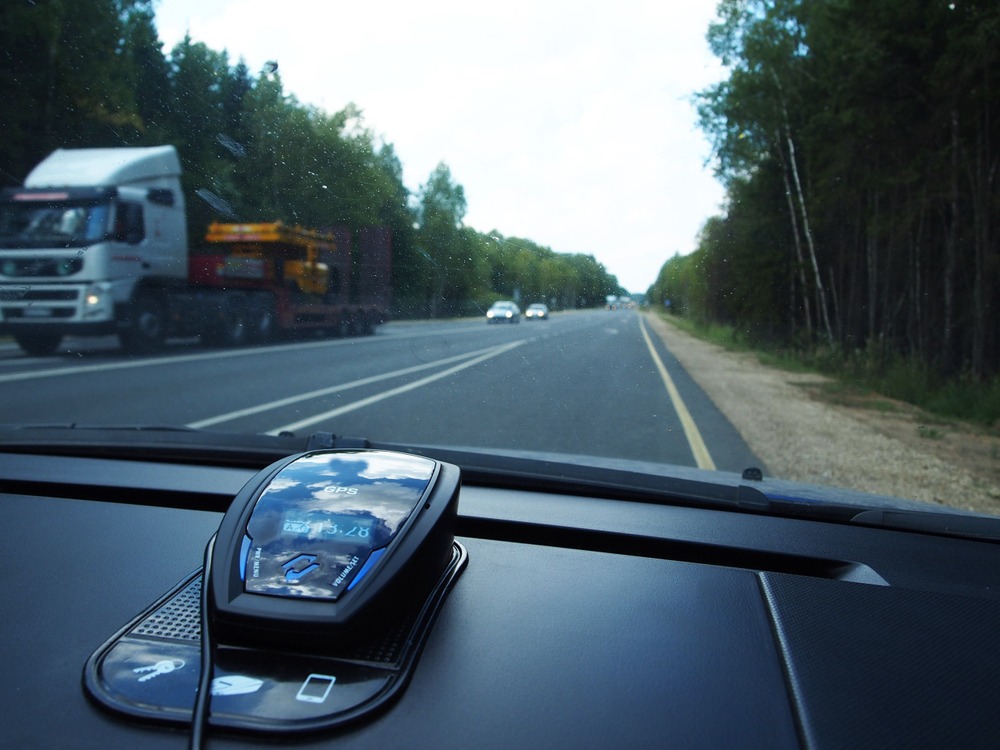
While radar detectors are legal in California, their use is not without its nuances and potential pitfalls. Drivers should be aware of how these devices are perceived and the limitations they may still face.
False Alarms and Over-Reliance
One of the primary challenges with radar detectors is the issue of false alarms. Modern detectors are designed to filter out many non-police radar signals, but they are not infallible. Automatic doors at businesses, radar-based cruise control systems in other vehicles, and even some industrial equipment can emit signals that trigger a false alert. Over-reliance on a radar detector without exercising personal judgment and awareness can lead to a false sense of security and, paradoxically, an increased risk of being caught speeding if the alert is inaccurate or missed. Responsible driving still requires constant attention to speed limits, road conditions, and surroundings.
Radar Jammers vs. Radar Detectors
It is crucial to differentiate between radar detectors and radar jammers. While radar detectors are legal in California, radar jammers are not. Radar jammers are devices designed to actively interfere with or disable police radar guns, preventing them from accurately measuring a vehicle’s speed. The use of such devices is illegal and carries severe penalties. Law enforcement agencies are equipped to detect the use of jammers, and possession or use of one can result in significant fines and legal repercussions. Drivers must ensure they are only using a detector that alerts them, not one that attempts to block or jam police equipment.
Local Ordinances and Enforcement
Although state law permits radar detector use, it is always prudent for drivers to be aware of any specific local ordinances that might exist, though these are rare for radar detectors themselves. More importantly, drivers should understand that the legality of the device does not grant immunity from speeding laws. Law enforcement officers will still issue tickets for speeding violations detected by radar, laser, or other means, regardless of whether a detector was active. The detector’s purpose is to provide a warning, not to enable or encourage breaking the law.
Maximizing Your California Road Trip Experience
When planning a road trip through the diverse landscapes of California, from the iconic beaches of Malibu to the historic charm of San Francisco, understanding the nuances of driving laws, including the use of radar detectors, is part of responsible travel planning.
Responsible Driving Practices
The most effective way to ensure a safe and legal journey is to practice responsible driving habits. This includes consistently adhering to posted speed limits, maintaining a safe following distance, and being aware of road conditions and traffic. A radar detector should be viewed as a supplementary tool to enhance awareness, not as a substitute for attentive driving. By combining the technology with personal judgment, travelers can navigate California’s roads with confidence and peace of mind.
Planning Your Route and Stops
When planning a road trip, consider mapping out your route and identifying potential points of interest and necessary stops. Whether you’re heading to the theme parks of Anaheim, the natural wonders of Yosemite National Park, or the vibrant city life of Los Angeles, having a clear itinerary can help manage your time and reduce the temptation to rush. Many travelers find that incorporating planned breaks and enjoying the scenery at a comfortable pace significantly enhances the overall travel experience.
Staying Informed on Traffic Laws
Beyond radar detectors, familiarize yourself with other important traffic laws in California. This might include understanding rules regarding mobile phone use while driving, seatbelt requirements, and specific regulations for different vehicle types. Staying informed helps ensure a smooth and uninterrupted journey, allowing you to fully immerse yourself in the incredible travel experiences the state has to offer, from exploring the redwood forests to visiting world-class museums.
LifeOutOfTheBox is a participant in the Amazon Services LLC Associates Program, an affiliate advertising program designed to provide a means for sites to earn advertising fees by advertising and linking to Amazon.com. Amazon, the Amazon logo, AmazonSupply, and the AmazonSupply logo are trademarks of Amazon.com, Inc. or its affiliates. As an Amazon Associate we earn affiliate commissions from qualifying purchases.