
The landscape of housing in California is in constant flux, driven by a persistent need for more diverse and affordable housing options. Among the innovative solutions that have emerged, Accessory Dwelling Units (ADUs), often referred to as “granny flats” or “in-law units,” have gained significant traction. These secondary housing units, built on existing single-family home lots, offer a flexible way to increase housing stock without extensive new development. Recognizing the potential of ADUs, the state has, at various times, offered grants and incentives to encourage their construction. This has led many homeowners and potential ADU builders to ask: Is the California ADU Grant still available?
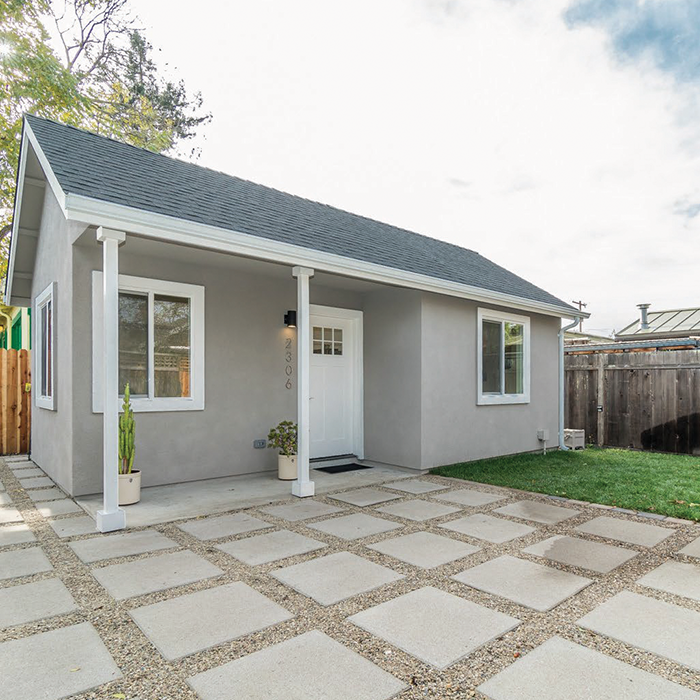
Understanding California’s ADU Initiative
The push for ADUs in California has been multifaceted, involving legislative changes, streamlined permitting processes, and financial incentives. The core idea is to empower homeowners to add rental units, increase their property value, and provide much-needed housing in high-demand areas. These initiatives are crucial for tackling the state’s housing crisis, particularly in metropolitan areas like Los Angeles, San Francisco, and San Diego.
Legislative Milestones and ADU Growth
Over the past decade, California has seen a series of legislative acts aimed at making ADUs easier to build. Key legislation includes:
- AB 2299 (2016): This bill significantly reduced barriers by prohibiting local agencies from imposing certain requirements on ADUs, such as minimum lot sizes for attached units.
- SB 1050 (2016): This legislation expanded the definition of ADUs and clarified existing laws to promote their development.
- AB 68 and AB 881 (2019): These landmark bills further streamlined ADU development by limiting local governments’ ability to impose development impact fees, requiring them to allow ADUs by right in many zoning districts, and setting clear timelines for permit approvals.
- SB 13 (2019): This bill built upon previous legislation by making it even easier to build ADUs, including prohibiting local agencies from requiring owner occupancy for ADUs and limiting the ability to require off-street parking for ADUs in many instances.
These legislative changes created a more favorable environment for ADU construction, leading to a notable increase in applications and completed units across the state.
The Role of Financial Incentives
While legislative reforms removed many regulatory hurdles, the cost of construction can still be a significant barrier for homeowners. To address this, various programs, including state and local grants, have been introduced to help offset some of the upfront expenses. These financial incentives aim to make ADU development more accessible and attractive to a broader range of property owners.
The Current Status of California ADU Grants
The question of whether a state-level California ADU Grant is currently available in a broad, open-application format is complex. Historically, California has funded ADU incentive programs through various legislative appropriations and specific initiatives. However, these programs are often time-limited, have specific eligibility criteria, and are administered through different entities.
Past and Present Grant Programs
In the past, programs like the ADU Starter Kit funded by the California Department of Housing and Community Development (HCD) provided grants to local governments to help homeowners with the pre-development costs of ADUs. Similarly, the ADU Loan Program offered low-interest loans for the construction of ADUs.
As of recent updates and typical program cycles, there isn’t a single, universally advertised “California ADU Grant” that is perpetually open for direct homeowner applications statewide. Instead, availability often depends on:
- Specific Local Programs: Many cities and counties in California have developed their own ADU incentive programs, which may include grants, loans, or technical assistance. These are often funded through a combination of local bond measures, federal grants, or state allocations managed at the local level.
- Time-Limited State Initiatives: The state may periodically release new grant opportunities or fund existing ones through specific legislative appropriations or budget cycles. These opportunities are typically announced through the California Department of Housing and Community Development (HCD) or relevant state agencies.
- Targeted Funding: Some grant programs are designed for specific populations or types of projects, such as affordable ADUs, ADUs built by low-income homeowners, or ADUs that provide affordable rental housing.
How to Find Available Grants
To determine if ADU grant funding is currently available, homeowners should take a proactive and multi-pronged approach:
1. Consult Your Local Planning Department
The most effective first step is to contact the planning or building department of your city or county. Local governments are often aware of or administer ADU incentive programs within their jurisdiction. They can provide information on:
- Local ADU ordinances and permitting processes.
- Any local grant or loan programs that may be available.
- Referrals to state or regional resources.
2. Check the California Department of Housing and Community Development (HCD) Website
The California HCD is the primary state agency responsible for housing policy and development. Their website is the official source for information on statewide housing initiatives, including ADUs. Look for sections related to:
- ADU funding and incentives.
- Current grant solicitations or program announcements.
- Resources for homeowners and local governments.
It’s important to note that grant programs administered by HCD often have specific application windows and eligibility requirements.
3. Explore Regional and Non-Profit Organizations
Various regional planning agencies, non-profit housing organizations, and community development financial institutions (CDFIs) may offer ADU-related financing or grant programs. These organizations often work in specific geographic areas or focus on particular housing needs. Searching for “ADU grants [your county name]” or “housing incentives [your city name]” can yield valuable results.
4. Stay Informed Through Industry Resources
Websites and publications focused on real estate, construction, and housing policy in California often report on the availability of new grant programs. Subscribing to newsletters or following relevant organizations can help you stay up-to-date.
Eligibility and Application Considerations
If you identify an available grant program, understanding the eligibility criteria and application process is crucial. Common requirements often include:
- Property Ownership: You must own the property where the ADU will be built.
- Primary Residence: Some grants may prioritize properties where the main home is the owner’s primary residence.
- Income Limits: Certain programs may have income limitations for the homeowner.
- ADU Plans and Permits: You may need to have preliminary plans and be ready to apply for permits to be considered for some grants.
- Affordability Requirements: If the grant is aimed at increasing affordable housing, there might be requirements for the rental rate or duration of affordability for the ADU.
- Project Scope: Some grants might be for specific types of ADUs (e.g., new construction, conversion of existing space) or for specific development costs (e.g., pre-development, construction).
The application process itself can vary widely. It may involve submitting detailed project plans, financial disclosures, and a narrative explaining how the ADU will meet program goals. Working with an experienced ADU contractor or consultant can significantly help in navigating these requirements.
The Future of ADU Incentives in California
The demand for ADUs in California remains high, and the state government continues to recognize their importance in addressing the housing crisis. While specific grant programs may come and go, the underlying policy direction is to facilitate and encourage ADU development.

Ongoing Support for ADU Development
It is highly probable that California will continue to explore and implement various forms of financial support for ADU development. This could manifest as:
- Continued Local Program Funding: State funding may continue to flow to local jurisdictions to support their individual ADU incentive initiatives.
- New State Grant Cycles: Periodic announcements of new statewide grant programs from HCD are likely, especially in response to budget allocations or emerging housing needs.
- Loan Programs: Low-interest loan programs can also be a sustainable way to finance ADU construction, making them more accessible without relying solely on grants.
- Technical Assistance: Beyond direct financial aid, programs offering technical assistance, such as pre-approved ADU plans or guidance on navigating zoning and permitting, are also valuable forms of support.
For homeowners considering an ADU, staying informed about local housing policies and checking official state resources regularly is the best strategy for identifying any available financial assistance. The commitment to increasing housing options through ADUs is a strong and enduring aspect of California’s housing policy, suggesting that avenues for financial support will continue to exist, albeit in evolving forms.
LifeOutOfTheBox is a participant in the Amazon Services LLC Associates Program, an affiliate advertising program designed to provide a means for sites to earn advertising fees by advertising and linking to Amazon.com. Amazon, the Amazon logo, AmazonSupply, and the AmazonSupply logo are trademarks of Amazon.com, Inc. or its affiliates. As an Amazon Associate we earn affiliate commissions from qualifying purchases.