
California, often depicted as a sun-drenched paradise of innovation, natural beauty, and cultural diversity, can also evoke a sense of apprehension for potential visitors. The state’s vastness and varied landscapes, from bustling metropolises to remote wilderness, naturally lead to questions about safety. This exploration delves into the nuanced reality of safety in California, aiming to provide a balanced perspective for travelers considering a visit. Rather than a simple yes or no, understanding the specific concerns and how to mitigate them allows for a more informed and enjoyable travel experience.
Navigating Urban Landscapes
The perception of danger in any large urban environment is often amplified by media portrayals. California’s major cities, such as Los Angeles and San Francisco, like many global urban centers, experience issues related to crime. However, this is not a monolithic experience, and understanding neighborhood dynamics is key.
Crime Statistics and Realities
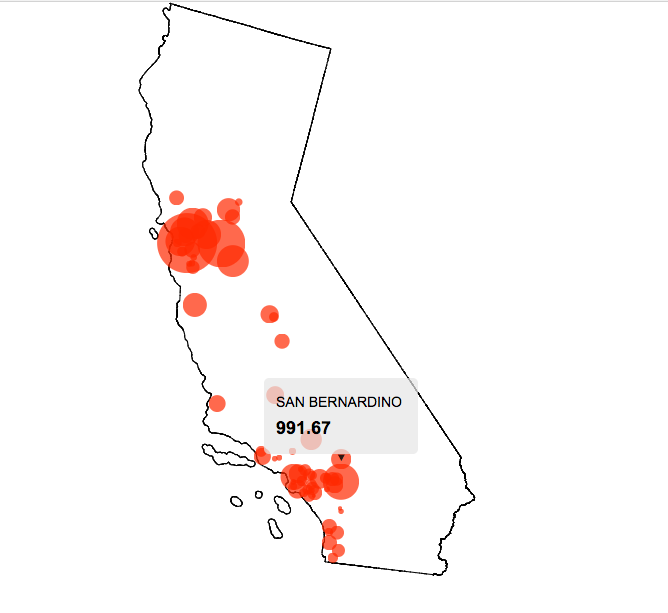
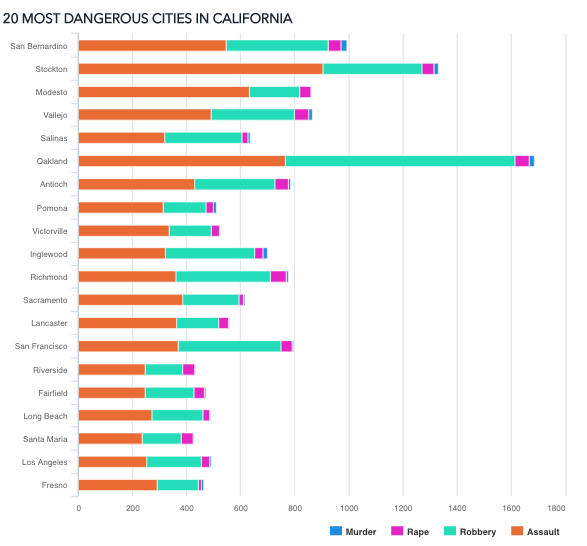
While statistics can be unsettling, they often fail to capture the full picture. Violent crime rates, for instance, are concentrated in specific areas and are not indicative of the safety of tourist-frequented zones. Petty crime, such as pickpocketing and car break-ins, is a more common concern for visitors in busy urban areas.
- Awareness is Key: Staying aware of your surroundings is paramount. This means being mindful of who is around you, especially in crowded places like Union Square in San Francisco or along Hollywood Boulevard in Los Angeles.
- Valuables: Avoid displaying expensive jewelry or electronics, and never leave bags or valuables visible in your car, even for a short period. The National Parks may have different security concerns, but urban areas often see higher rates of property crime.
- Transportation: Utilize reputable ride-sharing services or taxis. If driving, park in well-lit, secure parking garages rather than on the street. Public transportation in cities like San Francisco is generally safe, but exercising caution, especially at night, is always advisable.
Tourist-Friendly Zones
Most popular tourist destinations within California’s cities are well-patrolled and have a strong presence of law enforcement and security. Areas like Disneyland in Anaheim, the Golden Gate Bridge area in San Francisco, and the Griffith Observatory in Los Angeles are generally very safe for visitors. These hubs of activity are designed with visitor safety in mind.
Embracing the Natural Wonders: Safety in the Outdoors
California’s unparalleled natural beauty, from the towering sequoias of Sequoia National Park to the rugged coastline of Big Sur, offers incredible experiences. However, the wilderness comes with its own set of inherent risks that require preparation and respect.
Weather and Environmental Hazards
California’s diverse climate means weather can change rapidly, especially in mountainous or coastal regions.
- Wildfires: The state is prone to wildfires, particularly during the dry summer and fall months. Always check for fire advisories and evacuation orders before heading into natural areas. Information is readily available from park services and local authorities.
- Earthquakes: California is located on the San Andreas Fault and experiences seismic activity. While major earthquakes are infrequent, smaller tremors are common. Hotels and public buildings are built to withstand seismic events, and knowing basic earthquake safety procedures (drop, cover, hold on) is always wise.
- Coastal Conditions: The Pacific Ocean can be unpredictable. Be cautious of strong currents, rip tides, and rogue waves when visiting beaches. Always swim in designated areas with lifeguards, such as those found along Santa Monica State Beach.
Wildlife Encounters
California is home to a variety of wildlife, from majestic whales off the coast to bears and mountain lions in the inland ranges.
- Bear Safety: In areas like Yosemite National Park, proper food storage is crucial to prevent encounters with bears. Use bear-proof lockers and never leave food unattended.
- Snakes and Insects: Be aware of venomous snakes, especially when hiking in dry, rocky areas. Ticks are also present in some regions, so insect repellent and checking for ticks after outdoor activities are recommended.
Hiking and Exploration
The most significant risks in outdoor recreational areas often stem from lack of preparation or overestimation of one’s abilities.
- Hydration: Carry ample water, especially on longer hikes, as dehydration can occur rapidly in California’s varied climates.
- Navigation: Stick to marked trails and carry a map and compass or GPS device. Inform someone of your hiking plans and expected return time.
- Appropriate Gear: Wear sturdy hiking boots, dress in layers, and bring sun protection, including sunscreen, a hat, and sunglasses.
- Respecting Nature: Maintain a safe distance from wildlife, do not feed animals, and leave no trace of your visit. The awe-inspiring landscapes of the Redwood National and State Parks are best enjoyed with a mindful approach.
Road Travel: The Golden State’s Highways
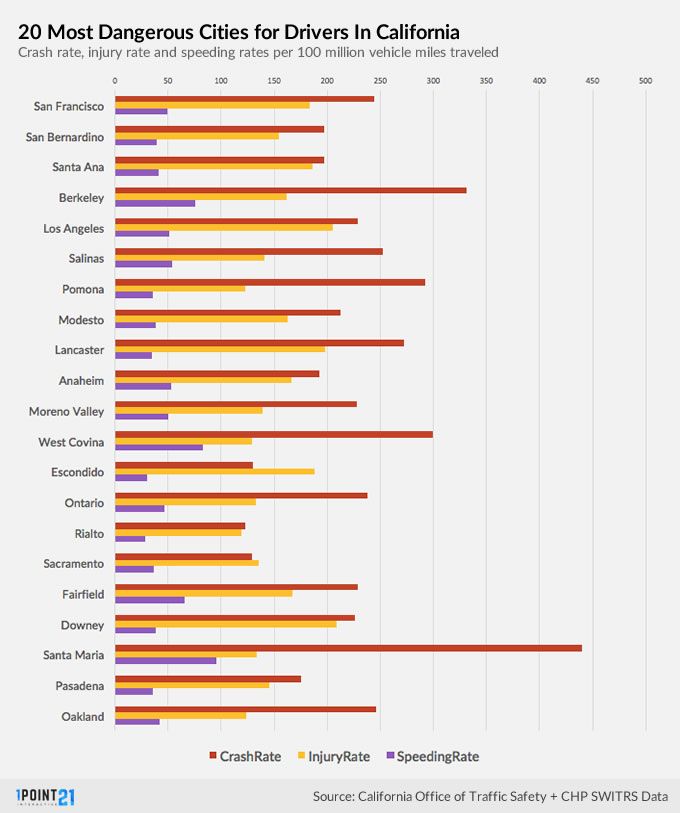
California’s extensive highway system is a primary way for visitors to explore the state, from the iconic Pacific Coast Highway to the desert routes of Joshua Tree National Park. Road safety is a valid concern.
Traffic and Driving Conditions
California’s freeways can be congested, especially during peak hours in major metropolitan areas like Los Angeles and the San Francisco Bay Area.
- Patience is a Virtue: Expect delays and drive defensively. Avoid aggressive driving and be patient with other road users.
- Road Rage: While not unique to California, instances of road rage can occur. It is best to de-escalate any potentially confrontational situations by allowing other drivers to pass and focusing on your own journey.
- Night Driving: Driving at night, especially on rural or coastal roads, can be more challenging due to reduced visibility and potential encounters with wildlife. If possible, plan your long drives for daylight hours.
Vehicle Breakdowns and Assistance
Breakdowns can be stressful. Ensuring your vehicle is in good condition before embarking on a road trip is crucial.
- Car Maintenance: Check tire pressure, oil, and coolant levels. Ensure your spare tire is properly inflated and you have the necessary tools for a tire change.
- Emergency Services: Have roadside assistance information readily available. In California, the California Highway Patrol (CHP) is a primary law enforcement agency for state highways.
Safety as a Mindset for Travelers
Ultimately, the question of “Is California dangerous?” is best answered by understanding that safety is largely a matter of preparation, awareness, and responsible behavior, regardless of destination. California offers a rich tapestry of experiences, and by approaching your visit with a prepared mindset, you can fully immerse yourself in its wonders.
Proactive Planning
- Research: Before you travel, research the specific areas you plan to visit. Understand local conditions, potential hazards, and any advisories.
- Accommodation: Choose accommodations in well-regarded areas. Hotels like the Beverly Wilshire, A Four Seasons Hotel or resorts along the Monterey Peninsula often provide a secure and comfortable base.
- Itinerary: Plan your itinerary, including travel times, and be mindful of when you will be in more remote or less populated areas.
Situational Awareness
- Trust Your Instincts: If a situation feels unsafe, remove yourself from it. Your intuition is a powerful tool.
- Stay Informed: Keep up-to-date with local news and any alerts issued by authorities.
- Communicate: Let friends or family know your travel plans and check in regularly.
Cultural Nuances
California is a melting pot of cultures. Respecting local customs and being an observant traveler will enhance your experience and contribute to a safer journey. From the vibrant streets of San Diego to the serene beauty of Lake Tahoe, California provides a world of discovery. By prioritizing safety through informed decisions and mindful exploration, visitors can confidently embrace all that the Golden State has to offer.
LifeOutOfTheBox is a participant in the Amazon Services LLC Associates Program, an affiliate advertising program designed to provide a means for sites to earn advertising fees by advertising and linking to Amazon.com. Amazon, the Amazon logo, AmazonSupply, and the AmazonSupply logo are trademarks of Amazon.com, Inc. or its affiliates. As an Amazon Associate we earn affiliate commissions from qualifying purchases.