
Navigating the purchase of a new or used vehicle in California involves more than just the sticker price. A significant, often overlooked, component of the total cost is the sales tax. This tax, applied at the state and local levels, can considerably impact your budget. Understanding how it’s calculated and what factors influence the final amount is crucial for any prospective car buyer in the Golden State.
Understanding California’s Sales Tax Structure
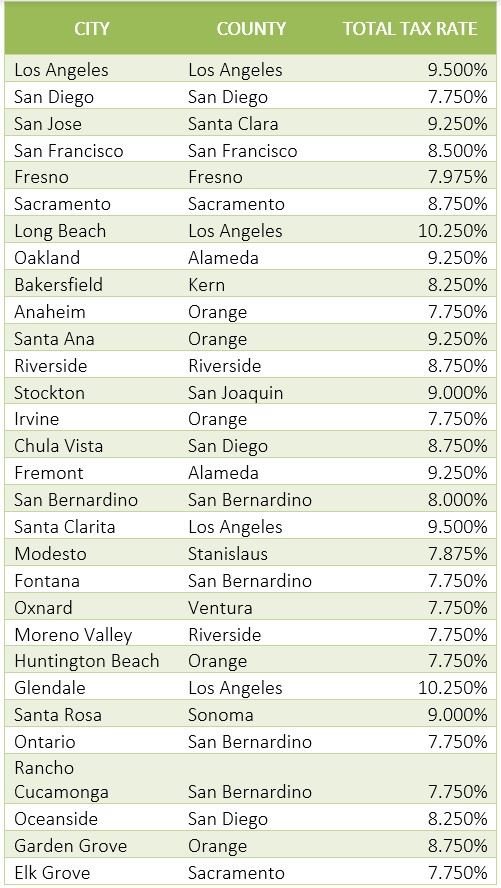
California’s sales tax is a multifaceted system, comprising a base state rate supplemented by district taxes that vary significantly by county and city. This means the amount of sales tax you pay on a car isn’t uniform across the entire state. It depends heavily on where the vehicle is purchased and, importantly for sales tax purposes, where it will be registered and used.
The Base State Sales Tax Rate
The foundational component of the sales tax in California is the state rate. As of recent legislative updates, this rate is 7.25%. This 7.25% is applied to the taxable selling price of tangible personal property, which includes vehicles. However, this base rate is rarely the final amount paid.
Local District Taxes: The Key to Variation
The substantial variability in sales tax across California stems from local district taxes. These are taxes approved by voters in specific counties and cities to fund local services such as transportation projects, public safety, and education. These district taxes can add anywhere from 0.25% to 2.50% or more to the base state rate.
For instance, a county might have a district tax to support its public transit system, while a bordering county might not. This difference, even within a relatively short geographical distance, can lead to a noticeable disparity in the total sales tax applied to a car purchase. The exact rate for a specific location is determined by combining the state rate with all applicable district taxes in effect at the time of sale and registration.
Determining the Applicable Tax Rate
The crucial aspect for car buyers is that the sales tax rate applied is generally the rate in effect at the location where the vehicle will be delivered or, more commonly, where it will be registered with the California Department of Motor Vehicles (DMV). This prevents individuals from circumventing higher local taxes by purchasing a vehicle in a lower-tax area if they intend to register it elsewhere.
The California Department of Tax and Fee Administration (CDTFA) is the governing body responsible for administering sales and use taxes. They publish detailed information on the various district taxes and the combined rates for each locality. It’s advisable for buyers to consult the CDTFA’s official resources or their local DMV office to confirm the precise tax rate applicable to their specific purchase and registration location.
Calculating Sales Tax on a Vehicle Purchase
Once you know the applicable tax rate, calculating the sales tax on a car is a straightforward multiplication. The tax is applied to the “taxable selling price” of the vehicle.
Taxable Selling Price
The taxable selling price is generally the amount paid for the vehicle itself. This includes the negotiated price between the buyer and seller. However, certain items may or may not be taxable depending on how they are itemized and presented in the sales contract.
Common Add-ons and Their Taxability
- Dealer Fees: Many dealer fees, such as documentation fees or preparation fees, are generally considered part of the sale price and are therefore taxable.
- Extended Warranties and Service Contracts: In California, the purchase of an extended warranty or service contract is considered a non-taxable service, provided it is separately stated from the vehicle’s price on the sales contract. If bundled, it may become taxable.
- Registration and License Fees: These government-mandated fees are typically exempt from sales tax.
- Accessories Installed by the Dealer: Accessories added and installed by the dealership before the sale are usually considered part of the vehicle’s sale price and are taxable.
- Accessories Installed After Purchase: If you purchase accessories separately and have them installed by an independent shop, the taxability might depend on the specific transaction, but generally, the cost of the accessories and the installation labor by a third party are not taxed as part of the vehicle sale.
The Role of Trade-Ins
A significant benefit for California car buyers is how trade-ins are treated for sales tax purposes. When you trade in an old vehicle towards the purchase of a new or used one, the sales tax is calculated only on the difference between the sale price of the new vehicle and the value of your trade-in.
For example, if you are buying a car for $30,000 and your trade-in is valued at $10,000, you will only pay sales tax on the remaining $20,000. This can result in substantial savings, especially on higher-priced vehicles. The trade-in must be an actual vehicle for which you hold title.
Formula for Calculation
The basic formula for calculating sales tax is:

Sales Tax Amount = Taxable Selling Price × Applicable Sales Tax Rate
And for a trade-in scenario:
Sales Tax Amount = (Vehicle Sale Price – Trade-In Value) × Applicable Sales Tax Rate
Example:
Let’s say you are purchasing a car for $40,000 in Los Angeles County. The combined sales tax rate in Los Angeles County is currently 9.5%.
- Without a trade-in: Sales Tax = $40,000 × 0.095 = $3,800. Total cost = $40,000 + $3,800 = $43,800.
- With a $15,000 trade-in: Taxable amount = $40,000 – $15,000 = $25,000. Sales Tax = $25,000 × 0.095 = $2,375. Total cost = $40,000 + $2,375 = $42,375.
As you can see, the trade-in significantly reduces the sales tax burden.
Sales Tax vs. Use Tax
While the article title focuses on sales tax, it’s important to briefly mention its counterpart: use tax. Use tax is essentially a complementary tax that applies when sales tax has not been paid on a taxable item purchased outside of California but used or stored within the state.
If you purchase a vehicle out-of-state and bring it into California for registration, you will owe use tax on that vehicle. The rate of use tax is the same as the sales tax rate in the jurisdiction where you register the vehicle. This is to ensure that Californians pay equivalent taxes regardless of where they purchase their vehicles, thereby preventing avoidance of the state’s tax revenue.
Special Considerations for Vehicle Purchases
Beyond the general sales tax rules, there are a few specific scenarios and types of vehicles that might have unique tax implications in California.
New vs. Used Vehicles
The sales tax calculation method applies equally to both new and used vehicles. The primary difference in cost is, of course, the selling price itself. However, the treatment of trade-ins remains a key factor in reducing the taxable base for both.
Electric Vehicles (EVs) and Alternative Fuel Vehicles
California often offers incentives for purchasing zero-emission vehicles (ZEVs) and other alternative fuel vehicles to encourage cleaner transportation. These incentives can come in the form of rebates, tax credits (which may be federal or state and impact your income tax liability, not directly sales tax), or other programs. It’s essential to research current incentives when considering an EV, as they can significantly alter the overall cost of ownership. While the sales tax itself is generally applied to the vehicle’s price, some state rebates might be applied before calculating sales tax, effectively reducing the taxable amount. However, this is not always the case, and specific program rules must be followed.
Out-of-State Purchases and Use Tax
As mentioned, if you buy a car outside of California and plan to register it in the state, you’ll be subject to use tax. The DMV will typically collect this use tax at the time of registration. If you paid sales tax in another state, California may offer a credit for the amount of tax paid in that other state, up to the amount of California use tax due. This prevents double taxation.
Exemptions
While rare for typical consumer car purchases, certain exemptions do exist. For example, vehicles purchased by federally recognized Indian tribes for use on reservations, or vehicles purchased by certain non-profit organizations for specific purposes, might be exempt. Additionally, vehicles purchased for resale by licensed dealers are exempt from sales tax. These are niche situations and do not apply to the average car buyer.
Tips for Car Buyers
- Know Your Local Tax Rate: Before you even visit a dealership, use the CDTFA website or consult with the DMV to ascertain the exact sales tax rate for the city and county where you will register your vehicle.
- Negotiate Price First: Always negotiate the purchase price of the vehicle before discussing trade-ins or financing. Once the final sale price is agreed upon, then introduce your trade-in.
- Understand Your Trade-In Value: Research the market value of your current vehicle independently so you have a solid understanding of its worth.
- Review Your Sales Contract Carefully: Scrutinize every line item on the sales contract. Ensure all fees are clearly explained and that any non-taxable items (like separately stated service contracts) are indeed listed as such.
- Factor in Total Cost of Ownership: Remember that sales tax is just one part of the cost of owning a car in California. Factor in registration fees, insurance, fuel, and maintenance when budgeting.
By understanding the intricacies of California’s sales tax system and applying these tips, you can approach your vehicle purchase with confidence and avoid any unwelcome surprises regarding the final cost.
LifeOutOfTheBox is a participant in the Amazon Services LLC Associates Program, an affiliate advertising program designed to provide a means for sites to earn advertising fees by advertising and linking to Amazon.com. Amazon, the Amazon logo, AmazonSupply, and the AmazonSupply logo are trademarks of Amazon.com, Inc. or its affiliates. As an Amazon Associate we earn affiliate commissions from qualifying purchases.