
The question of time zones can be surprisingly complex, especially when planning travel or understanding regional differences across a vast and diverse territory like the United States. For many, the immediate assumption is that a state as large and populous as California would align with a single, clearly defined time zone. However, the reality is a bit more nuanced, and understanding where California sits within the nation’s temporal framework is crucial for effective navigation, whether you’re a resident, a visitor, or a business professional coordinating across state lines.
Understanding U.S. Time Zones
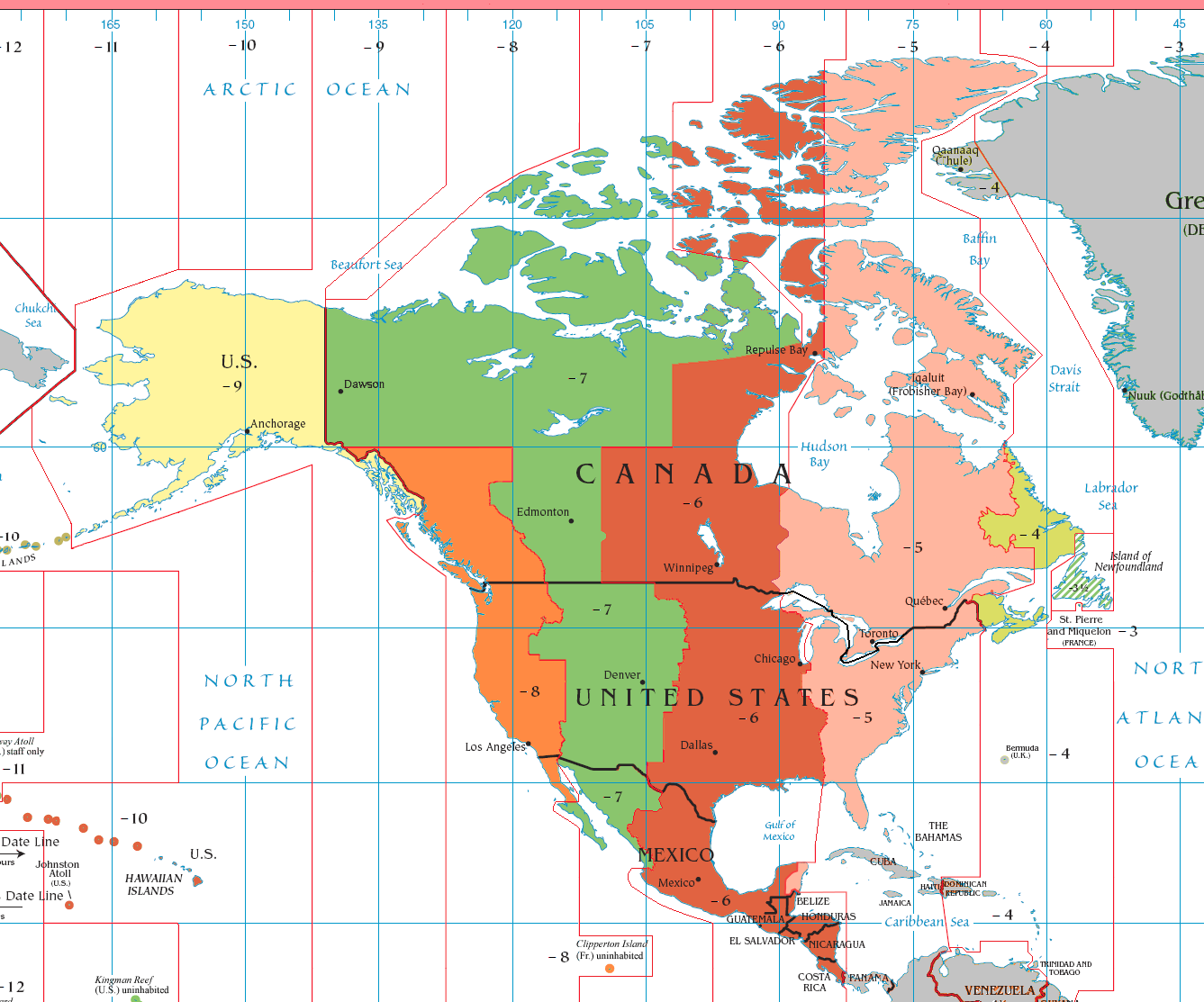
The continental United States is divided into four primary contiguous time zones, each based on meridians of longitude. These zones are designed to keep local time in step with the sun’s apparent position in the sky, a practice that facilitates daily life, from sunrise to sunset.

The Four Continental Time Zones
- Eastern Time (ET): This zone encompasses the easternmost parts of the country, including states like New York, Florida, and Massachusetts. It is UTC-5 during standard time and UTC-4 during daylight saving time.
- Central Time (CT): Situated west of Eastern Time, Central Time covers states such as Texas, Illinois, and Oklahoma. It observes UTC-6 during standard time and UTC-5 during daylight saving time.
- Mountain Time (MT): West of Central Time, this zone includes states like Colorado, Arizona (though Arizona has a unique daylight saving policy), and Montana. It is UTC-7 during standard time and UTC-6 during daylight saving time.
- Pacific Time (PT): This is the westernmost time zone on the mainland, covering states like California, Washington, and Oregon. Pacific Time is UTC-8 during standard time and UTC-7 during daylight saving time.
Beyond these, Alaska and Hawaii have their own time zones, further complicating the temporal map of the nation.
California’s Time Zone Placement
The direct answer to “Is California In Central Time?” is a definitive no. California exclusively observes Pacific Time (PT). This means that throughout the state, from the bustling metropolis of Los Angeles to the scenic coastlines of San Francisco and the vast deserts of the interior, clocks are synchronized to Pacific Time.
Pacific Daylight Time vs. Pacific Standard Time
Like most of the continental United States, California observes Daylight Saving Time (DST). This means the state switches between:
- Pacific Standard Time (PST): This is the standard time observed during the fall and winter months. PST is UTC-8.
- Pacific Daylight Time (PDT): This is the time observed during the spring and summer months when clocks are moved forward by one hour. PDT is UTC-7.
The switch typically occurs on the second Sunday in March (when clocks spring forward) and the first Sunday in November (when clocks fall back). This adjustment ensures that daylight hours are better utilized during periods of longer daylight.
Implications for Travel and Business
Understanding California’s time zone is not merely an academic exercise; it has practical implications for various aspects of life and commerce.
Travel Planning
When booking flights to California, whether arriving at Los Angeles International Airport (LAX), San Francisco International Airport (SFO), or any other gateway, it is crucial to be aware of the local time. A flight departing from New York (Eastern Time) at 9:00 AM EST will arrive in Los Angeles three hours later according to Pacific Time, making the arrival time 9:00 AM PST (if both are observing standard time and considering flight duration). Miscalculating this three-hour difference can lead to missed connections, late arrivals at hotels like the Beverly Hills Hotel, or confusion about activity start times.
For instance, a tour departing from the Golden Gate Bridge in San Francisco at 10:00 AM PDT will be operating on a schedule that is three hours behind New York’s Eastern Time. This difference is particularly relevant for visitors coming from the eastern half of the country.
Business Operations
For businesses operating across the United States, the time zone difference between California and other regions is a constant consideration. A business headquartered in Chicago (Central Time) needs to factor in a two-hour difference when scheduling meetings with their California counterparts. A 9:00 AM meeting in Chicago would correspond to 7:00 AM in Los Angeles. This can impact productivity, customer service availability, and the feasibility of real-time collaboration.
Furthermore, financial markets, shipping logistics, and broadcast schedules are all meticulously coordinated around these time zone differences. For example, the opening and closing of the New York Stock Exchange has a direct impact on trading activity on the Nasdaq and other exchanges, and the timing is always relative to Pacific Time for West Coast participants.
Communication and Coordination
Even in our hyper-connected digital age, the physical separation of time zones remains a significant factor in daily communication. Scheduling video conferences, phone calls, or even sending emails with the expectation of a prompt reply requires an awareness of the recipient’s local time. A late afternoon email sent from New York might arrive in California just as people are leaving work, potentially delaying the response until the next business day.
Understanding this temporal dynamic is key to fostering effective relationships and ensuring smooth operational flow, whether you are coordinating a family reunion in San Diego or managing a multinational corporation with offices in both New York and Los Angeles.
Neighboring Time Zones and Borders
While California is firmly in Pacific Time, its proximity to states in other time zones highlights the distinct boundaries. To its east, states like Arizona and parts of Nevada are in Mountain Time. However, Nevada is primarily in Pacific Time, with only the small town of West Wendover observing Mountain Time due to its close proximity and economic ties to West Wendover, Utah.
The Arizona Anomaly
Arizona presents an interesting case. While geographically it falls within the Mountain Time Zone, most of the state, including Phoenix and Tucson, does not observe Daylight Saving Time. This means that during the months when other Mountain Time states are on Mountain Daylight Time (MDT, UTC-6), most of Arizona remains on Mountain Standard Time (MST, UTC-7). This effectively places most of Arizona on the same time as Pacific Daylight Time (PDT) during those periods. This unique policy can create confusion for travelers and businesses interacting with Arizona during DST months. However, California consistently adheres to PDT and PST, maintaining its Pacific Time identity.

Conclusion
In summary, California is unequivocally part of the Pacific Time Zone. It does not fall within Central Time. Whether you are planning a visit to explore the wonders of the Pacific Coast Highway, attend a conference in San Jose, or simply trying to coordinate a call with a friend in Sacramento, always remember that California operates on Pacific Time, adjusting between PST and PDT as the seasons change. This clarity is essential for seamless navigation of the Golden State’s numerous attractions and vibrant economic landscape.
LifeOutOfTheBox is a participant in the Amazon Services LLC Associates Program, an affiliate advertising program designed to provide a means for sites to earn advertising fees by advertising and linking to Amazon.com. Amazon, the Amazon logo, AmazonSupply, and the AmazonSupply logo are trademarks of Amazon.com, Inc. or its affiliates. As an Amazon Associate we earn affiliate commissions from qualifying purchases.